This Is Why The Bottom Of Your Foot Randomly Cramps Up
For as long as we can remember, we've been trying to avoid pain. We avoid dangerous activities because we don't want to suffer the consequences. And for the most part, this works out. We go through most of our days feeling fine.
But it doesn't always work that way. One wrong move and you can spend the day dealing with a dull ache because you moved in a way your body wasn't comfortable with. And the worst part is sometimes it's not even your fault. Most of the time, if you have a stiff neck or a sore muscle, you probably woke up with it.
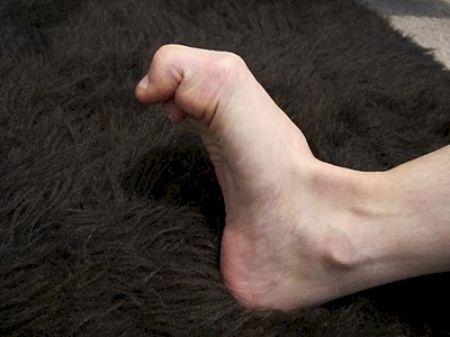
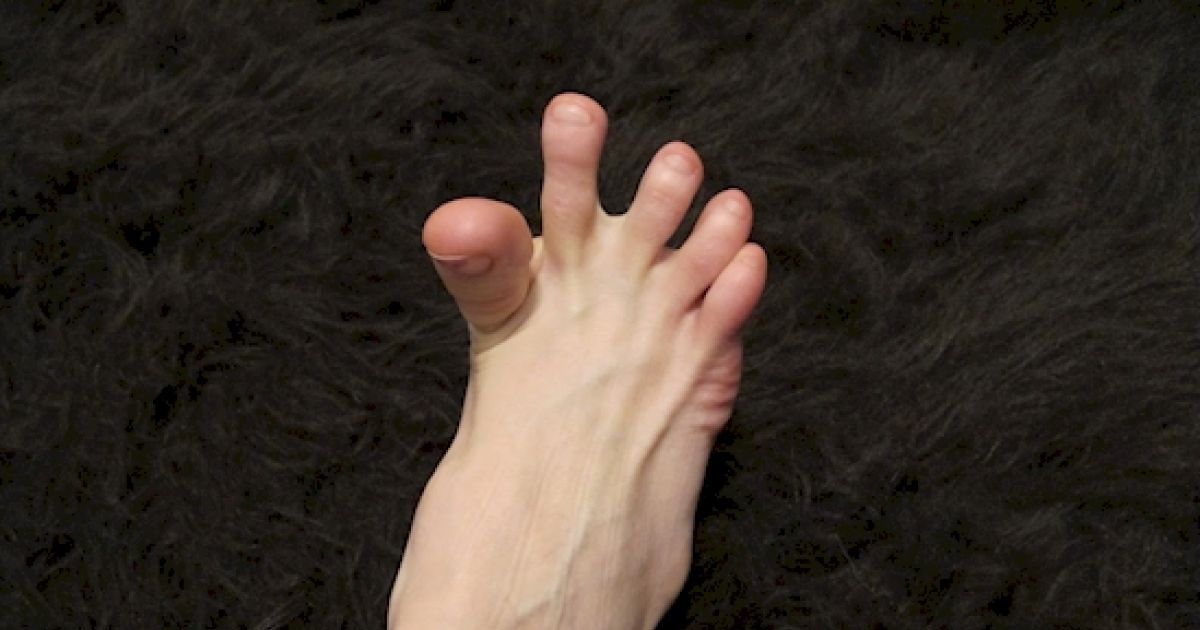
But if any of these mystery aches can take the cake, it's the cramps that can show up at the bottom of your foot. They're just as frustrating as they are hard to figure out. Hopefully we can help you get to the bottom of yours.
Don't forget to SHARE this on Facebook because we all deal with these annoying cramps from time to time.
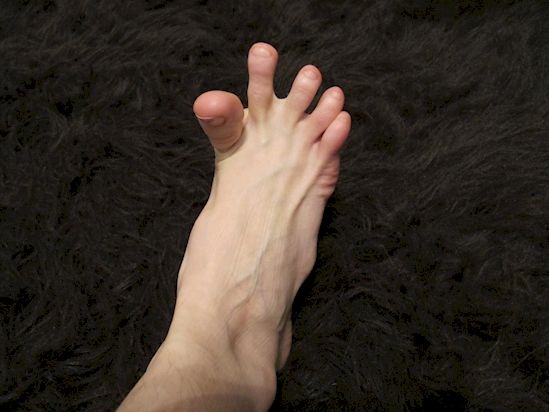
#1 You never know when a foot cramp is going to strike.
But what's really going on when they happen? Foot cramps usually develop suddenly and cause a sharp and intense pain that lasts for about three minutes. Your feet and toes are a common place for cramps and spasms to happen. Your feet carry around your body weight all day long, sometimes walking, standing, or moving more quickly, and often in shoes that do not fit properly. Quickly treating the cramp helps to stop the immediate pain, but if you have frequent problems with foot cramps you may need to take additional steps.
#2 Normally, your muscle fibers loosen and tighten to suit your movement.
But when you make a move your muscles aren't prepared for, they can tighten more than they should, which causes the cramp. This doubles when your body doesn't have everything it needs.If you are exercising or performing some activity that causes the spasm or cramp to start, then stop doing whatever you were doing that triggered the cramp.
Avoid continuing activities that you recognize as causing added strain on your feet that leads to the pain and cramping
#3 Muscle cramps are sudden and unexpected,
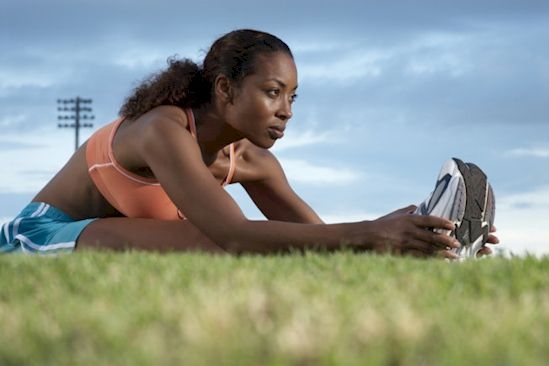
..repeated contractions causing spasms of a muscle. To stop the foot or toe cramp quickly, the cramped muscle needs to be stretched.
By stretching the muscle, you are preventing it from remaining in the contracted or cramped position.
Stretching a cramped muscle works best if you can hold the stretched position for about a minute or longer, and until the cramp begins to release or until the repeated contractions begin to slow/stop. You may need to repeat the stretched position if you feel the cramp returning.
The arch of the foot and the toes are the most common areas of the foot where cramping occurs.
Stretch your arches by grabbing your toes with your hand while seated, and pull them upward until you feel a stretch in your arch. Hold this position for 30 seconds, and release. If you feel the cramp returning then repeat the stretch.
You can also try rolling a tennis ball under your foot. While seated or standing, you can use this tool under the pad of the toes, the arch, and the heel.
#4 The older you get, the more likely foot cramps are.
As the pain starts to subside, walk around. Continue to walk around to prevent the area from cramping again. Once a cramp or spasm occurs, the muscles in the area may continue to cramp or spasm until it is completely relaxed.
This means that you may need to remain standing and/or walking around for at least three minutes, or even longer, until you feel the area is relaxed and there is no further pain.
Be prepared to continue walking if the pain comes back when you remove the added pressure provided by your body weight.
Once the pain is better, continue to stretch until you feel the muscles are relaxed. Stretch your arch and your toes by placing a towel on the ground and picking it up by scrunching your toes together
#5 Stay hydrated.
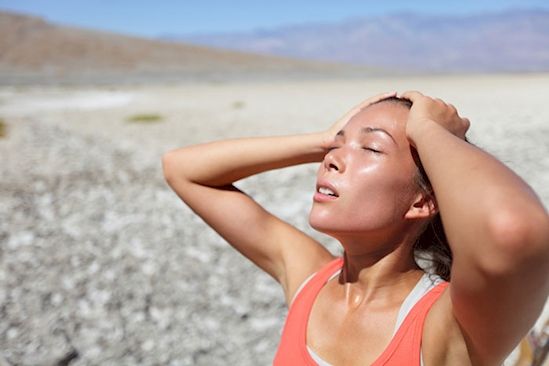
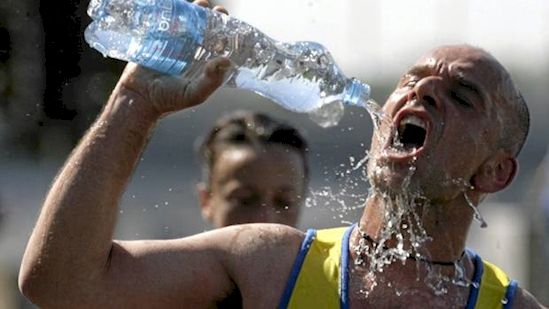
Dehydration is a common cause of foot and toe cramps.
Drink water before and after you exercise, and throughout the day to be sure you are getting enough fluids.
Try drinking an electrolyte-enhanced sports drink or water; very often it is an electrolyte imbalance causing cramps.
You may also want to keep a glass of water at your bedside for cramps that may occur during the night.
#6 Follow any recommendations made by your doctor.
Several of the medical conditions listed can be easily resolved.
For example, adjusting your fluid intake and/or the types of beverages you drink may be a simple step that resolves the problem. Use vitamin D supplements if instructed to do so by your doctor.
Follow the directions provided by your doctor to correct the problem. Those instructions may include a needed follow-up with additional recommended tests, adjustments to your medications, or a referral to a specialist.
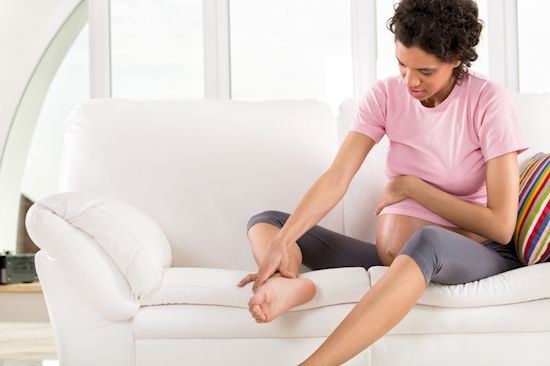
#7 Pregnant women may also start getting muscle cramps.
It looks like it's especially common during the third trimester.
#8 Pay attention to any related symptoms.
If you notice any changes in the immediate area, or if both feet become painful or are cramping, make an appointment to have your feet examined.
Watch for symptoms such as redness, swelling, a burning sensation, numbness, tingling, or tenderness to the touch. See your doctor if any of these symptoms develop.
#9 Seek immediate attention if necessary. If you develop severe pain or swelling, see a doctor promptly.
Also seek medical attention quickly if you are unable to walk or put weight on your foot.
If there are areas of broken skin that are oozing, or if you have any signs of infection, seek immediate medical attention.
Signs of infection include redness, warmth or tenderness to the touch, or a fever of 100 °F (37.7 °C) or higher.
Also seek immediate care if you have any persistent pain or cramping and you have diabetes
#10 They often seem like they flare up at random.
They can even happen in your sleep, so sometimes they can't be prevented.
#11
Eat a balance diet.
Nutrition is an important part of giving your body and your muscles what they need to function properly and reduce problems like cramping.
Muscles use potassium, calcium, and magnesium. Include foods like bananas, dairy products, fresh vegetables, beans, and nuts
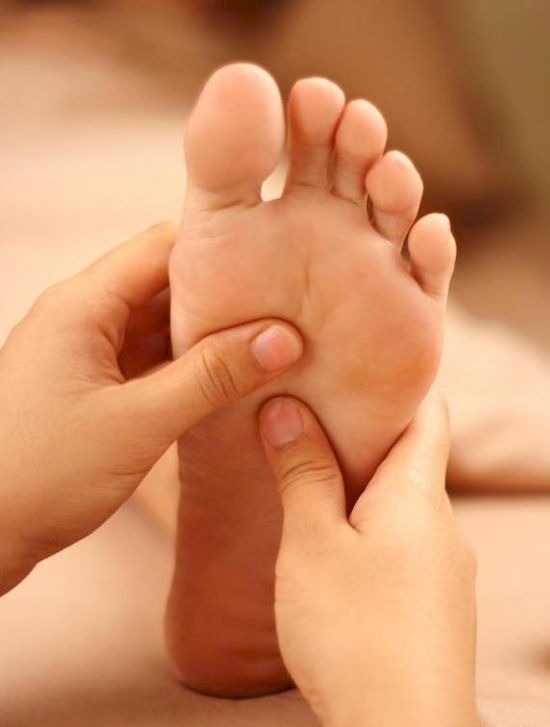
#12 Gently stretch and massage where you're feeling the cramp.
Cramping and pain that continues for more than one week, with or without using rest and ice applications, warrants medical evaluation.
Persistent cramps in one or both feet may indicate an underlying condition with your feet or possibly even a medical cause for the problem.
#13 If the problem is a lack of vitamin D, you can also take supplements.
You may also find calcium supplements helpful. But with either one, you'll want to talk to a doctor first.
#14 Exercise regularly
Routine exercise keeps your muscles in good condition.
Gradually increase your intensity of aerobic exercises to help condition the muscles, tendons, and ligaments in your feet and to reduce your experience with cramps. Swimming is a great aerobic exercise to treat problems with foot pain and cramps without bearing weight through the feet and unloading the joints.
Work towards improving your level of fitness. Include stretching and flexibility exercises both before and after you exercise.
If you already exercise regularly, evaluate your workout routines to determine if any existing exercises are contributing to your cramps.
#15 Keep your feet and toes flexible.
Routinely performing flexibility exercises can work to prevent foot and toe cramps.
Improve the flexibility and strength in your toes by raising your foot into a stretched position as if you were standing on your tip toes. Hold for five seconds and repeat ten times. Switch to the other foot.
Try holding onto a wall or other support and raising yourself onto your toes, like a ballet dancer. Hold for five seconds and repeat ten times, then switch to the other foot.
From a seated position, lift your flat foot onto your toes, but this time curl your toes inward. Hold for five seconds, repeat ten times, then switch to the other foot.
Roll a golf ball along the bottom of your foot for two minutes, then switch to the other foot.
Place several marbles, as many as 20, on the floor then pick them up one by one with your toes and place them into a bowl or other container. Switch feet and repeat the exercise.
#16 And remember to stay hydrated during exercise.
Keep up this safe workout schedule and the foot cramps should get better.Be sure to SHARE this and help your friends get their cramps under control.