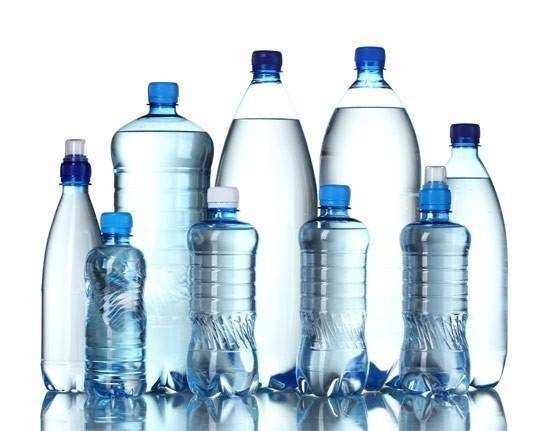
A plastic bottle is one of the most common containers around today, and we usually don’t even think we could harm ourselves by pouring drinking water into them over and over again.
We would like to warn you against that — and here’s why.


A plastic bottle is one of the most common containers around today, and we usually don’t even think we could harm ourselves by pouring drinking water into them over and over again.
We would like to warn you against that — and here’s why.
While buying bottled drinking water you might have thought several times about the quality of water and always wanted to go with the best available brands, but have you ever thought about the quality of the plastic container that stores your life-saving drink? Researchers say that plastic water bottles contain some harmful chemicals which may enter your body via water and put your health at considerable risk. The chances of getting sick become higher with repetitive usage of plastic bottles. Here are some valid reasons for not reusing your plastic water bottles.
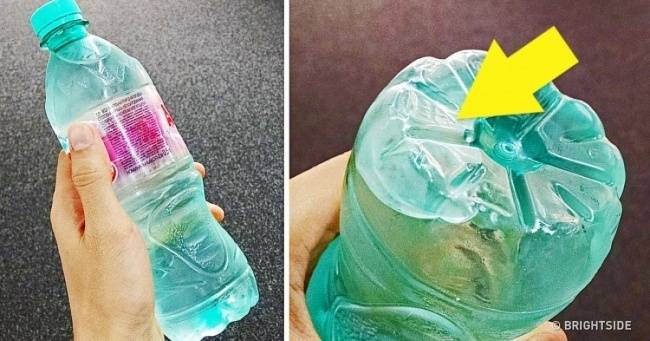
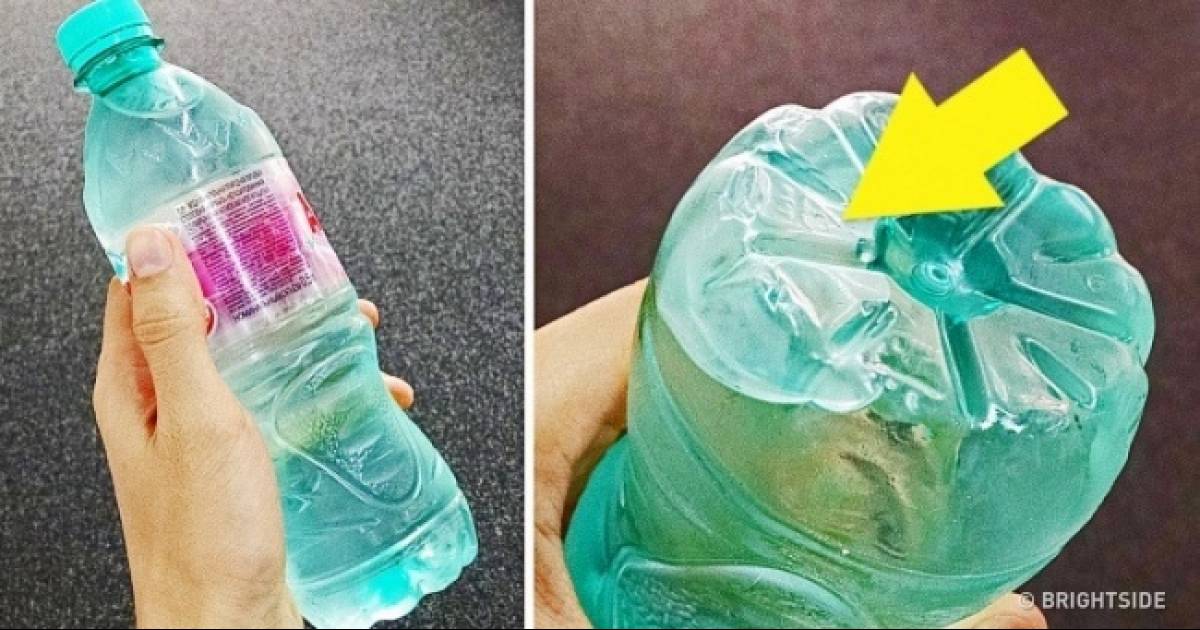
According to scientists the ridges and tiny cracks in plastic bottles are a breeding ground for bacteria and can harbour dangerous germs, such as the norovirus.
With most of us rinsing rather than washing properly, they continue to multiply.
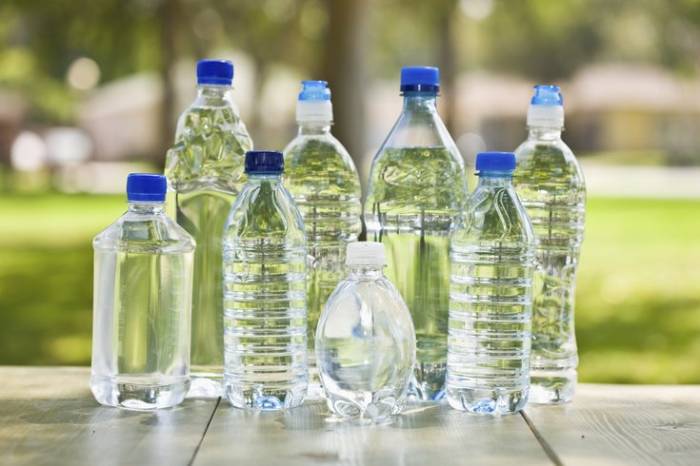
One study, published in the Canadian Journal of Public Health, took 76 samples of water bottles used by school students. Nearly two-thirds of the samples had bacterial levels that exceeded that of drinking water guidelines, which may have been the result of “the effect of bacterial regrowth in bottles that have remained at room temperature for an extended period.
Another study, carried out by KLTV news, examined water bottles which had been reused for just a WEEK and took samples from the neck.
Richard Wallace, M.D., of the University of Texas Health Center, told KLTV: “All of those grew lots and lots of bacteria that could make you very sick almost like having food poisoning,
“That can cause nausea, vomiting, diarrhea. Basically the worst vomiting you have ever had in your life.”
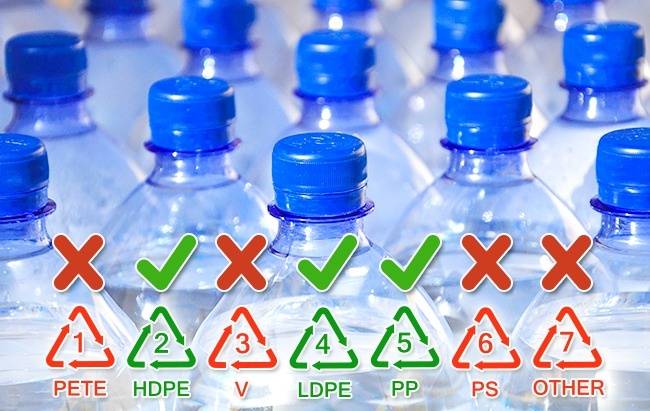
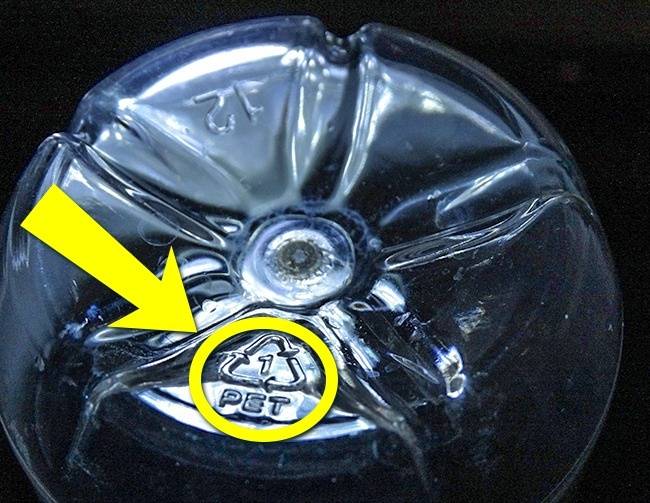
It is crucial to know what type of plastic your bottle is made of, as some types are not at all fit for reuse. You should be familiar with their types if you want to reuse plastic water bottles. All types of plastics are given a code number matching with their recycling ability. The code is usually present at or near the bottom of the bottle, inside a triangle of chasing arrows. Some common types are:
PETE plastics (#1): Disposable plastics are made from this type. PETE plastic bottles are not for the purpose of being reused. These are made to be used once and then disposed of.
HDPE (#2), LDPE (#4) and Polypropylene (#5): Bottles made from these types of plastics are meant to be reused.
PVC (#3) and Styrene (#6): Although not safe, these are used to make some types of drinking bottles. These are the bottles that you should avoid reusing.
#7 Plastics: These are made by mixing different plastics and contain A-BPA, a chemical that is known to cause disruption in the endocrinal activity of the body. Some carcinogenic effects are also being associated with it, and its nature as an etiological factor in breast cancer, uterine cancer, and some other fatal diseases is under investigation.
If the code is #7, then it is a red flag! “NO” with a big capital N-O. You should not even be drinking water out of these plastic bottles to begin with, forget about reusing them
You aren’t supposed to reuse the plastic bottles that water and soda come in. These bottles, which typically have a plastic identification code of 1, are usually made from a plastic called polyethylene terephthalate, PET, or PETE. PET can be difficult to clean and is somewhat porous. Bacteria can easily grow on the surface of PET containers, especially after it is covered with film from our lips and backwash. While PET is rather durable, it can begin to degrade, particularly after being exposed to heat, sunlight, or prolonged use.
Plastic water bottles always have a bacterial contamination risk if they are not washed regularly. Researchers have identified that reusing these bottles without washing makes them a safe haven for bacterial overgrowth. Once these bacteria enter your body they may cause several illnesses like diarrhea and stomach pain.
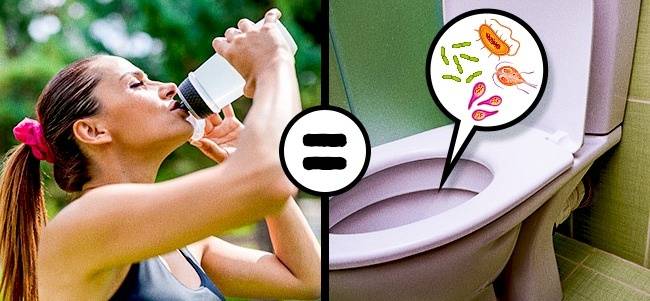
Even with washing the bottles thoroughly, we may still get food poisoning or even hepatitis A. Research showed that most bacteria live on bottle necks that you can’t wash well enough. Twist caps and sliding caps teem with germs that you swallow along with water. To be on the safe side, use a straw.
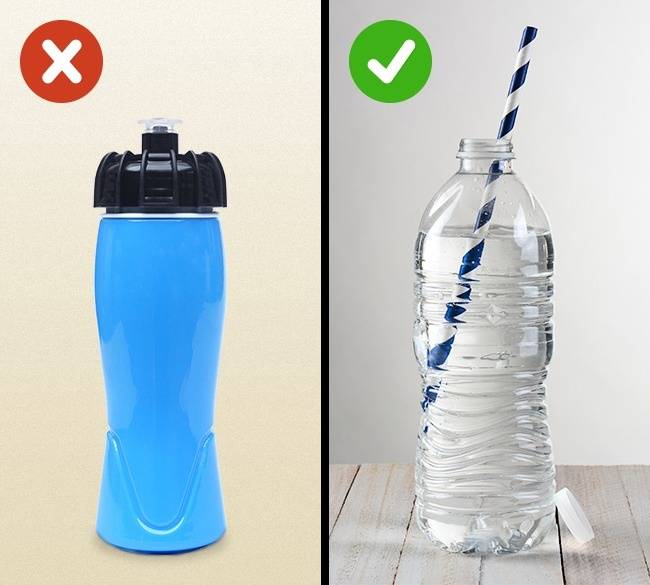
The same studies found that repeated re-use of such bottles—which get dinged up through normal wear and tear and while being washed—increases the chance that chemicals will leak out of the tiny cracks and crevices that develop over time. According to the Environment California Research & Policy Center, which reviewed 130 studies on the topic, BPA has been linked to breast and uterine cancer, an increased risk of miscarriage, and decreased testosterone levels.
BPA can also wreak havoc on children’s developing systems. (Parents beware: Most baby bottles and sippy cups are made with plastics containing BPA.) Most experts agree that the amount of BPA that could leach into food and drinks through normal handling is probably very small, but there are concerns about the cumulative effect of small doses.
OK, so we don’t want to send millions of plastic bottles to landfill, the act of individually washing each bottle uses natural resources and puts soap and detergent into water supplies.
According to studies at the University of Columbia, this can be just as damaging to the environment.
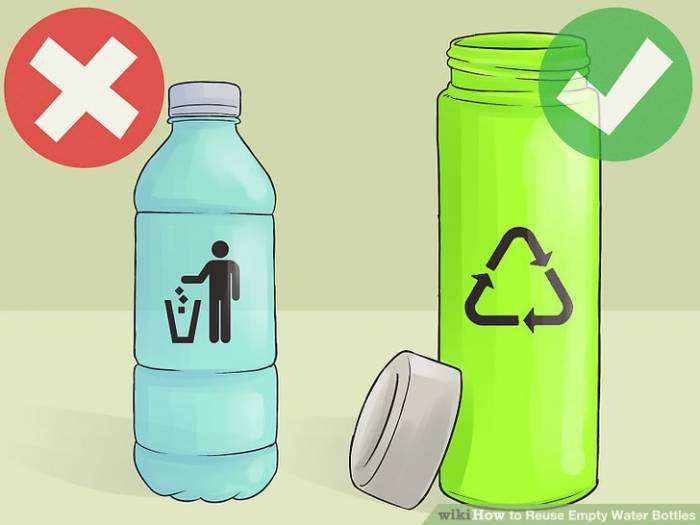
Having said that, drinking enough water is vital to your health and you shouldn;t worry about reusing the bottle a few times.
If in doubt, a glass or a dishwasher-safe, refillable container seems to be the way forward.
During the past decade, there was an uproar that went gone viral. It was being echoed by everywhere…magazines, social media, newsletters, and even medical forums, had been discussing the issue for quite some time. The supporters of this uproar claimed “reuse of plastic bottles leaches a chemical known as DEHA into the water, and DEHA is a carcinogenic agent.”
However, the American Cancer Society and the Cancer Research Organization, UK negated this whole proposal as wrong and baseless. Further research has proven that DEHA is not used in the making of plastic water bottles, and WHO declared that it is not even a carcinogen.
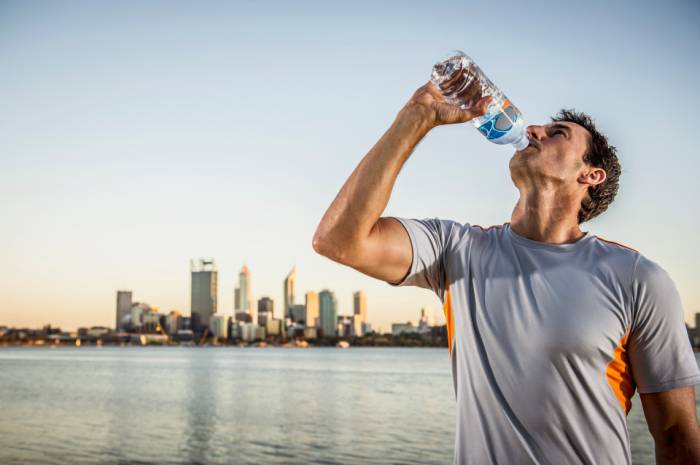
Do not reuse commercial soda or water bottles. They are designed for one time use and should not be refilled. As I mentioned, our lips leave a film on the bottle that bacteria can thrive in, and the narrow neck makes the bottle difficult to clean. If the water or soda in the container has a plastic taste or smell, then the plastic has begun to degrade, and the container should be recycled. Ultraviolet light from the sun, excessive heat, and pressure can speed up the degradation process.
If you use Lexan or polycarbonate bottles (#7) while hiking, do not fill them with hot liquids. Clean with a mild detergent in warm water. Do not use hot water, harsh detergents, or bleach on a polycarbonate container. If you want to carry hot liquids like soup, tea, or coffee, get a double-walled stainless steel thermos or travel mug.
If you are someone who likes to have a reusable water bottle that you can refill, choose a stainless steel container. An aluminum bottle is okay if it has an interior enamel liner. You can also get a stainless steel travel mug with a stainless steel interior. A porcelain or glass mug is also a great way to drink water throughout your day.
Polycarbonate baby bottles are probably okay with cool liquids, but if you are giving your baby warm formula then look for bisphenol A-free bottles, which are available at most retailers.
Do not use plastic containers in a microwave oven or conventional oven unless the container specifically indicates it is suitable for this purpose.
Do not defrost meat on the plastic container that comes from the grocery. Remove the frozen meat from the container and place on a microwave safe container before defrosting.
Once a kitchenware plastic container becomes cracked, cloudy, or scratched, recycle it and get a new container.
Once a plastic container has been used to store detergents, chemicals, or non-food items, it should not be used to store food.
Take-away food containers are designed for one time use and should be recycled after use and not reused for storing food.
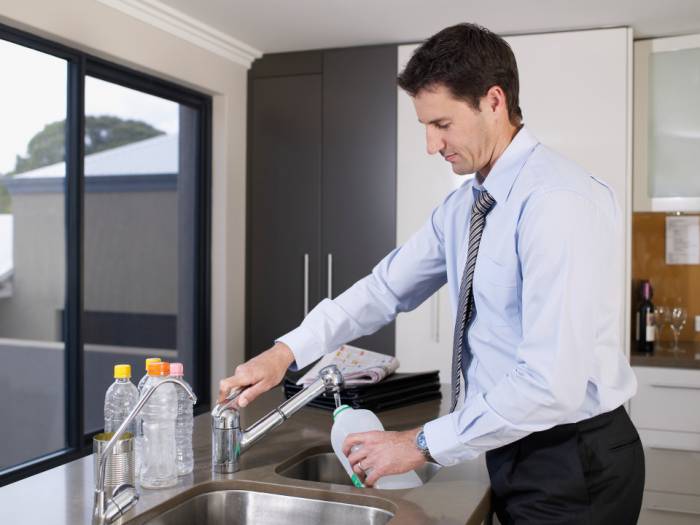
Remember, the best way to avoid harmful chemicals from plastics is to minimize your usage of plastic. Slowly replace your plastic storage containers and reusable water bottles with stainless steel, glass, or ceramic containers. Avoid aluminum unless it has an interior, enamel coating to prevent aluminum from leaching into your food or water.
Safer choices include bottles crafted from safer HDPE (plastic #2), low-density polyethylene (LDPE, AKA plastic #4) or polypropylene (PP, or plastic #5). Aluminum bottles, such as those made by SIGG and sold in many natural food and natural product markets, and stainless steel water bottles are also safe choices and can be reused repeatedly and eventually recycled.
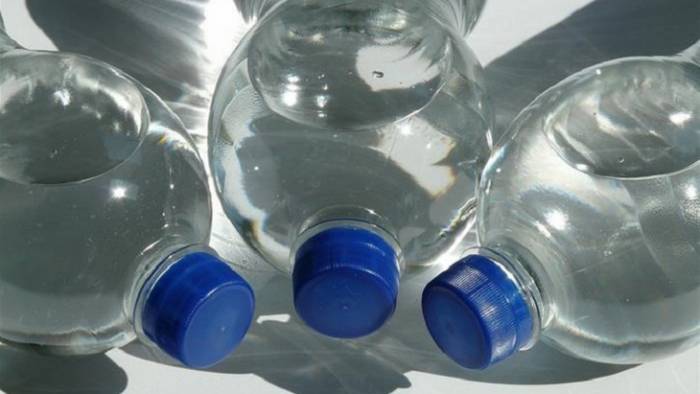
Because of their convenience and durability, plastic water bottles are highly popular and are reused again and again. Much care and consideration should be taken when choosing to reuse plastic water bottles, as they can easily get contaminated by bacteria growth. Some plastics, such as #7 plastics, should never be used in any form of food container or bottle as they are a health risk! The safest alternative to reusing plastic bottles is to use stainless steel bottles. These are not only durable, but also have no threat of leaching chemicals into the water and can easily be reused for as long as you wish!