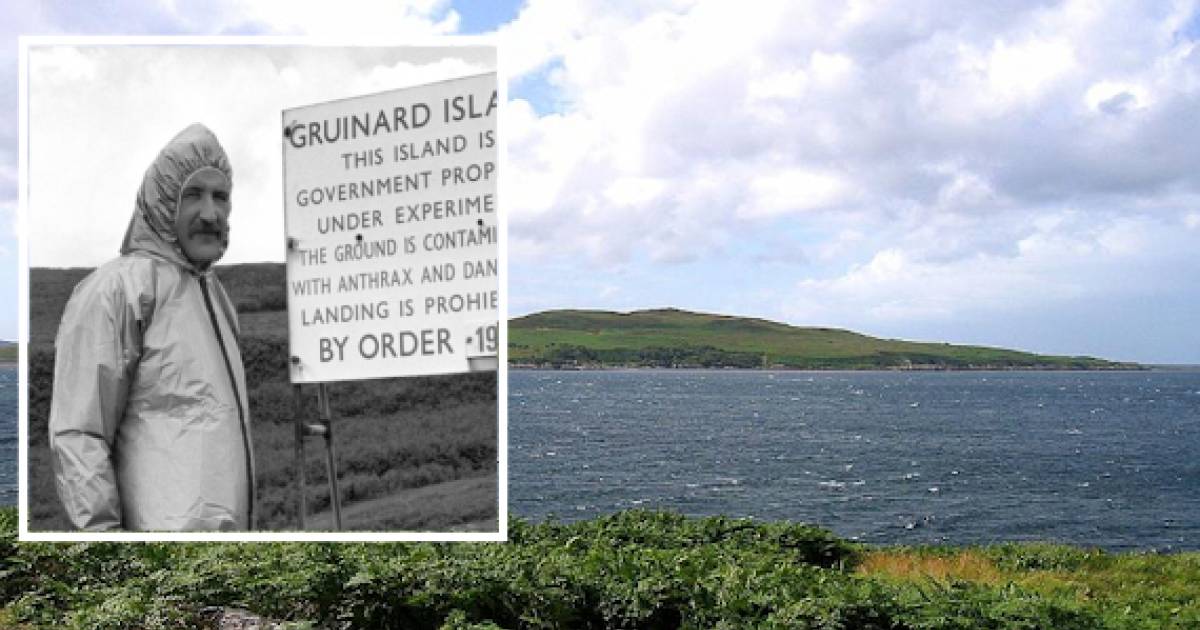
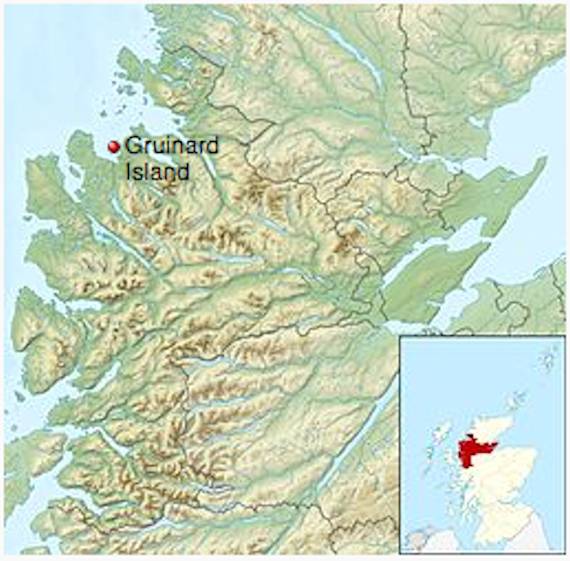
The oceans are dotted with thousands of uninhabited and remote islands. Some just have not been explored because of the terrain, while others remain closed off due to something a little more frightening. One of these is Gruinard Island, a small landmass located about 0.6 miles off the northwest coast of Scotland, and its story is chilling…
This Island Was Quarantined For 75 Years... And People Who Set Foot On It Were As Good As Dead
By
Editorial Staff in
Facts
On 2nd July 2016
advertisement
#1 Beautiful Gruinard Island in Scotland
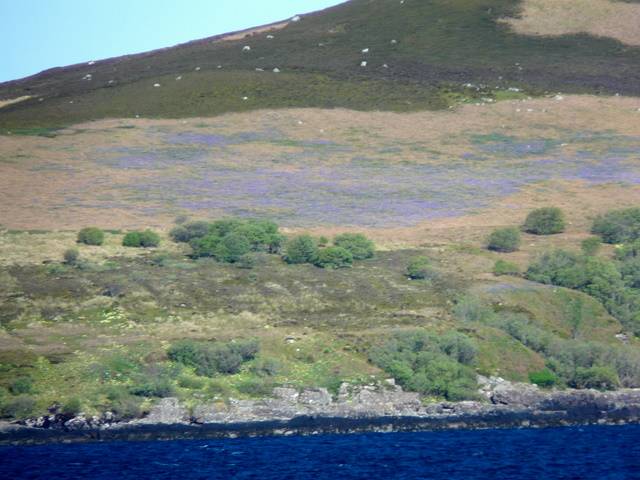
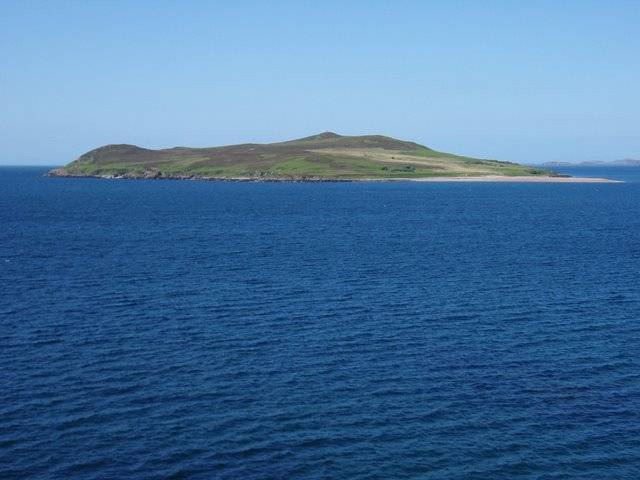
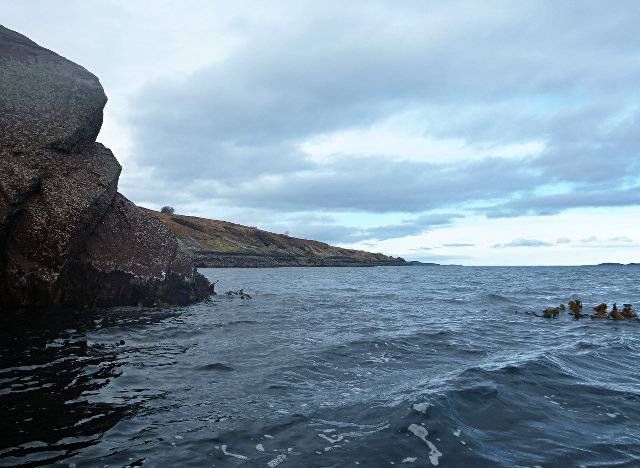
From afar, the island of Gruinard, just off the coast of Scotland, looks majestic and serene. But its rolling peaceful green hills tell a very different story. One that is a part of history that mankind would rather forget about.
#2 Fear Of Chemical Warfare
When WWII hit, and the world was worried about bombs, and even chemical warfare, the British government became a part of what they believed would be a solution to combat any chemicals that might be of threat. They developed something called Anthrax. The required elaborate testing of their new weapon, and settled on Gruinard Island for their testing grounds. In 1942 they requisitioned the sleepy little island from its owners and began their experiments.
advertisement
#3 Anthrax Is Invented
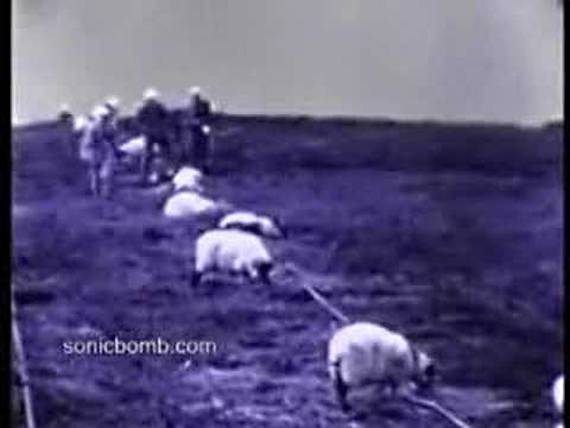
To begin the experiments, the scientists involved, along with the British military, went to the island and set of spores of the chemical in various locations. They then let loose over 50 sheep. Within a matter of four weeks, every single sheep was sick.
#4 Vollum 14578 Kills Sheep On Contact
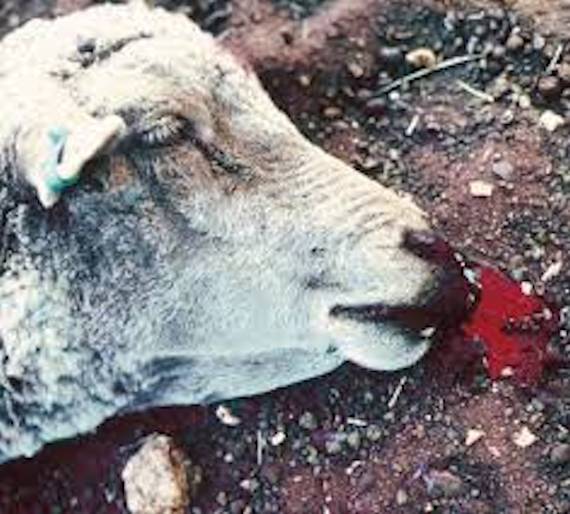
They decided that the chemical needed some tweaking, so they went back into the lab and began working on a stronger strain of the deadly weapon. Shortly they returned to the island and set off more spores filled with the highly infectious anthrax strain Vollum 14578. They once again used sheep as the test subject. They placed 80 of the animals on the island and watched from nearby boats as the sheep dropped dead almost instantly.
advertisement
#5 The Anthrax Is Deadly Enough
After several attempts at testing the stronger version of anthrax, the scientists concluded that a large release of anthrax in a German city would wipe out the population and make it uninhabitable for decades after. They began to manufacture and stockpile the chemical for use in weapons in case they needed it for later use.
advertisement
#6 Government Property
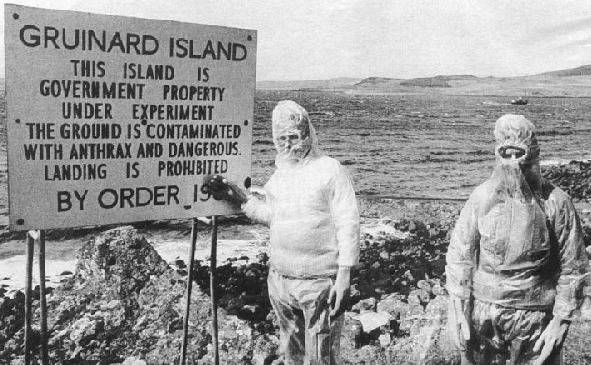
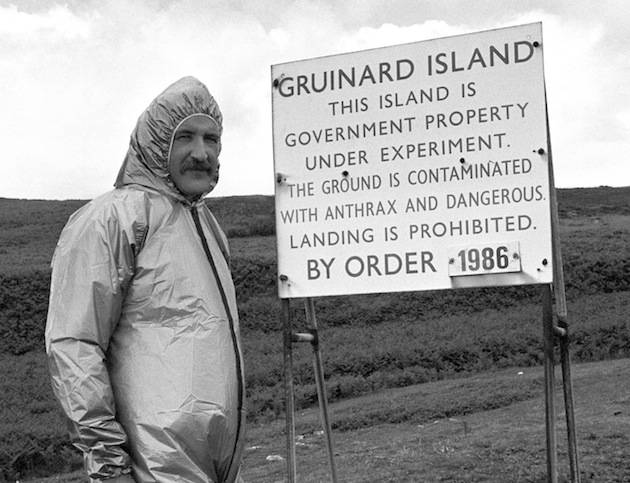
With enough Anthrax in supply, the government began using the island as a testing ground for the chemical for another eight years, even after the war had ended. Signs were placed on the island warning of its dangers, and a permanent Coast Guard was placed on patrol in the waters surrounding the island. Scientists also began finding fish and other wildlife contaminated with the chemical as far up to 1977.
advertisement
#7 The Problem Was Too Expensive To Correct
After the war ended in 1945, the original owners requested that Gruinard Island be returned to the family since they basically had it stolen from them. They nor anyone else had any idea what was being done on the island once the British government had taken control of it. But the government admitted that the terrain was so contaminated that it couldn't be released until it was cleaned up and declared safe "for habitation by man and beast."
advertisement
#9 Dangerous And Costly Cleanup Scheme
The government concluded that a massive decontamination was deemed too expensive and dangerous, so the island was quarantined and closed to the public for the next several decades. In 1981 a team of experts decided that the government had been dragging its feet on the project, and decided to see for themselves whether or not the island was safe. they embarked on Operation Dark Harvest: stealing 300 pounds of soil samples from the island and threatening to leave them at strategic government facilities until the island was restored. The blackmail scheme worked.
advertisement
#10 Sold Back To Original Owners
Gruinard Island was finally declared safe and free of anthrax in 1990, after an extensive cleanup project that cost the British government billions of dollars. 48 years after the initial quarantine the island was sold back to the original owners heirs for the exact sale price of £500 that had been paid for the island.
Though the family has begun raising sheep, as well as other animals on the island, not everyone is convinced that the biological danger on the beautiful island is over. Archaeologist Dr. Brian Moffat warns that anthrax is a highly resilient bacterium, stating: "I would not go walking on Guinard." He says that the danger could be hidden in frozen fossils or even lurking underground just waiting to spread.