This Poor Man Has Been Trapped In This Machine Since 1952
By
Michael Avery in
Heartbreaking
On 23rd November 2017
Technology has advanced rapidly since the early 20th century. Healthcare, in particular, has seen many amazing discoveries. One of the best inventions to come out of those early technological advances is the iron lung. This machine allowed people with respiratory diseases to breathe like normal again.
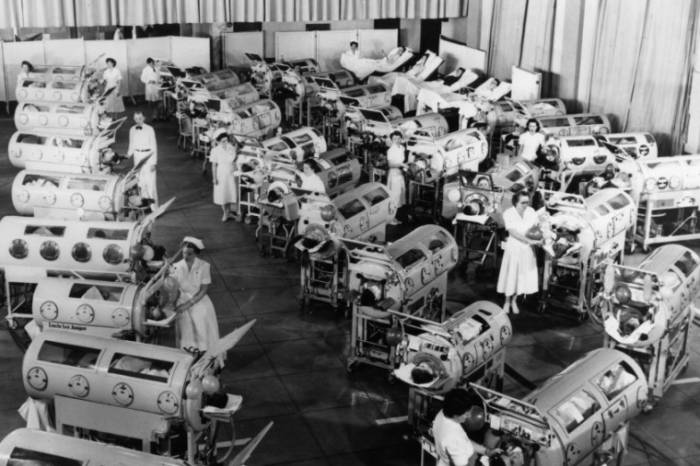
Those who suffered from polio benefitted greatly from the iron lung. In 1955 a vaccine was developed for the disease which nearly eradicated it but before that, the disease was basically a death sentence with several outbreaks of the deadly disease in the 1940s and early 1950s.
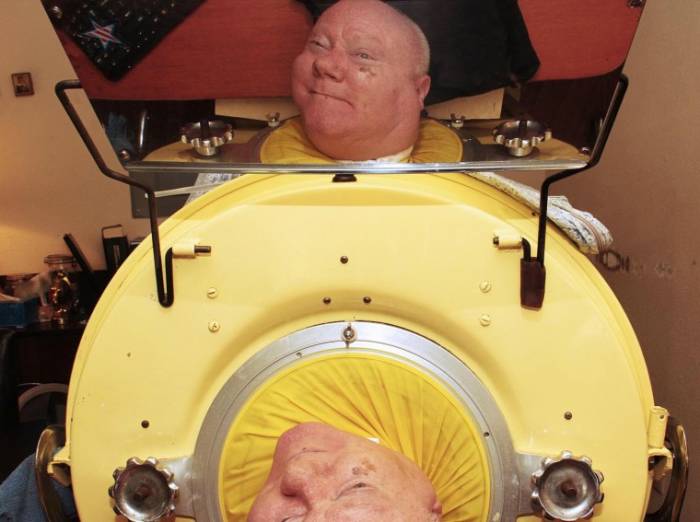
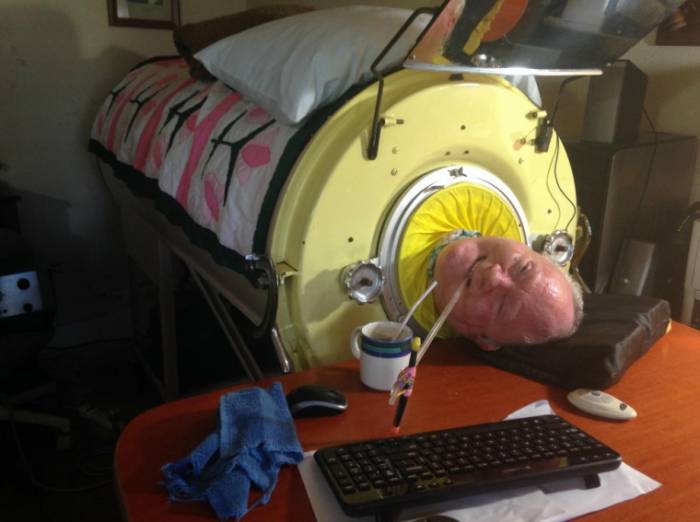
Children, in particular, were very susceptible to polio. Most of the people who required the use of an iron lung were young children. Most of those children were able to stop using the machines as they entered adulthood. Sadly, 70-year-old Paul Alexander from Dallas was not so lucky. He has been forced to use the device since 1952.
Paul was only 5 when he contracted the once deadly disease and it managed to leave him with permanent damage to his respiratory system.
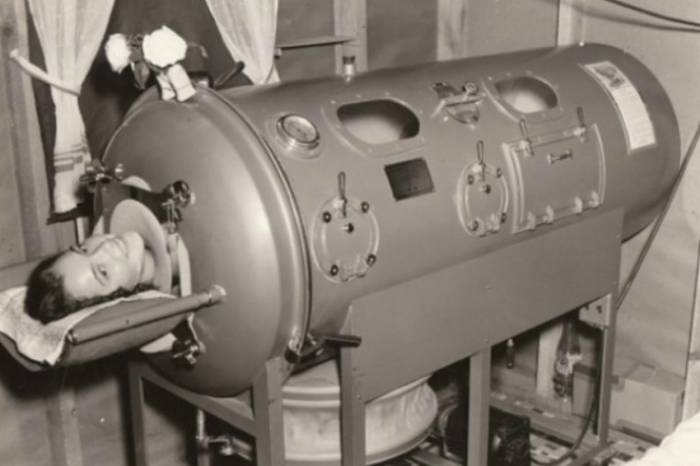
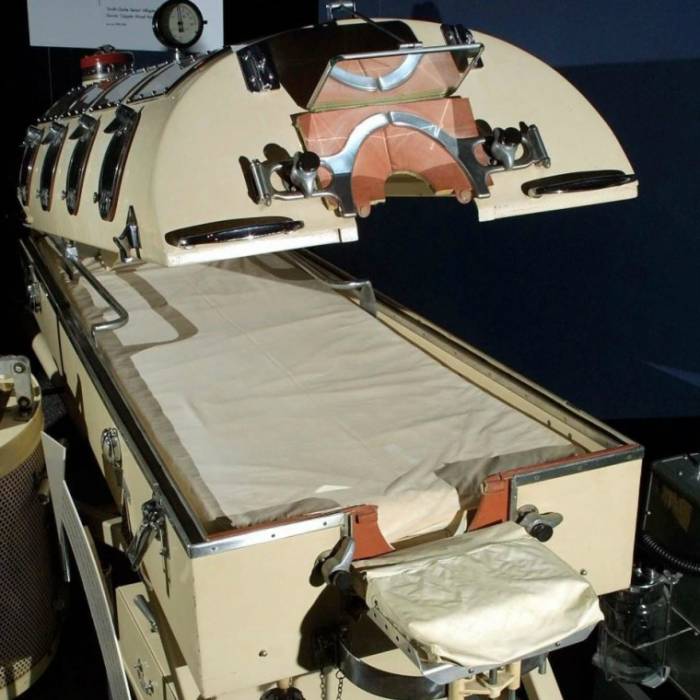
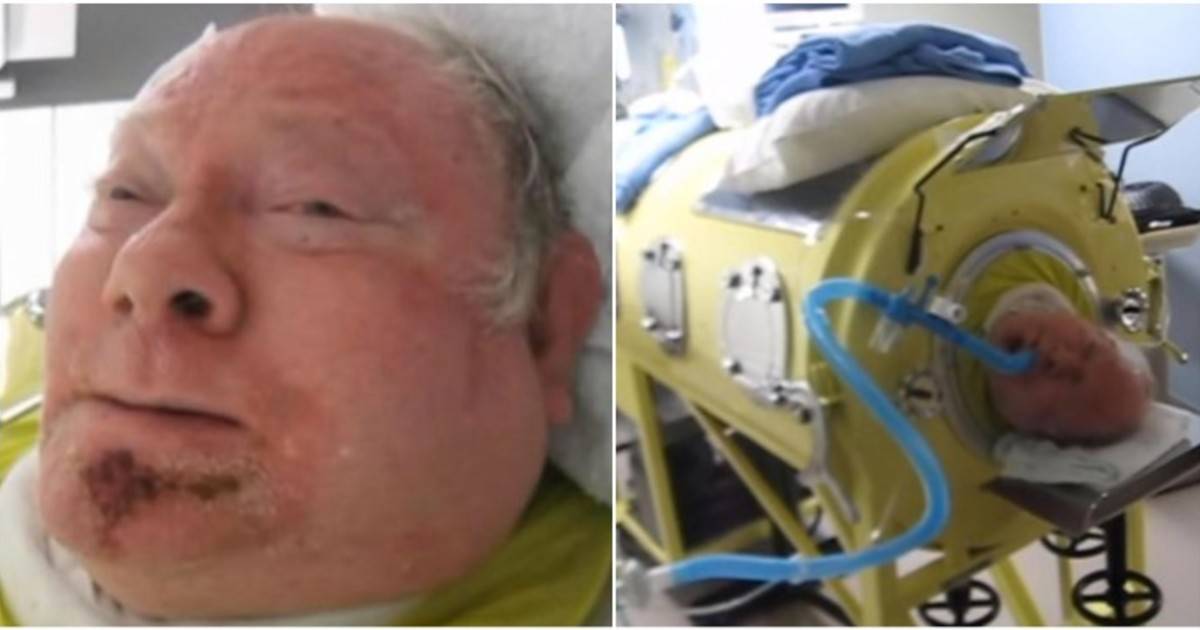
Iron lungs work by laying a patient down inside of it. The device is tightly sealed around the patient's neck which creates a strong vacuum that fills their lungs with oxygen mechanically. Iron lungs were not intended to be used long term.
It's for that reason that Paul's lifelong use of the machine hasn't been without issues. The machines are no longer made and haven't been since the 60s. In 2015 he had no choice but to beg for help online when his machine stopped functioning properly.
Only 10 people in the whole world still use iron lungs so it's very difficult to find replacement parts. This lack of parts drives up the cost of maintaining the life-saving machines.
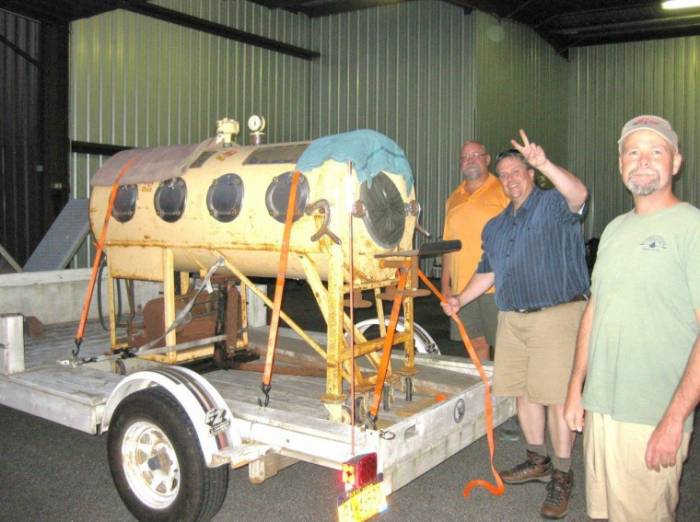
Luckily for Paul, his plea was answered by a man named Brady Richards who is a mechanic by trade. He offered to help repair Pauls iron lung.
While being interviewed by Gizmodo, Paul said: “I looked for years to find someone who knew how to work on iron lungs. Brady Richards, it’s a miracle that I found him.”
Iron lungs are so old that Brady's staff had no clue what it was when he brought the machine into his shop to fix it. Brady said: "When we first brought the tube into the shop, one of my younger employees asked me what I was doing with these smoker grills."
Sadly, Paul's lungs were not the only thing that polio ravaged in his body. As a result of the disease, he ended up becoming paralyzed. He cannot move his body from his neck down.
In spite of this, Paul has never let the disease hold him back. He's achieved several of his dreams in life even becoming a trial lawyer at one point. He used to go to trails with the help of a wheelchair until his health deteriorated to the point that he couldn't anymore. He is now writing a book detailing his life story. Not one to let a disability get in his way, Paul is using his mouth to hold then pen he writes with.
Below, you can see the video of Paul's plea for help from 2015;
Paul revealed in an interview: “When I transferred to the University of Texas, they were horrified to think that I was going to bring my iron lung down, but I did, and I put it in the dorm, and I lived in the dorm with my iron lung. I had a thousand friends before it was over with, who all wanted to find out what’s that guy downstairs with a head sticking out of a machine doing here?”
These days Paul spends the majority of his time inside of the archaic device. Even though there are many modern alternatives around that make the machine obsolete, people who have been paralyzed by polio claim that they are not nearly as effective when it comes to treating them.
You can see Brady repairing Paul's iron lung below:
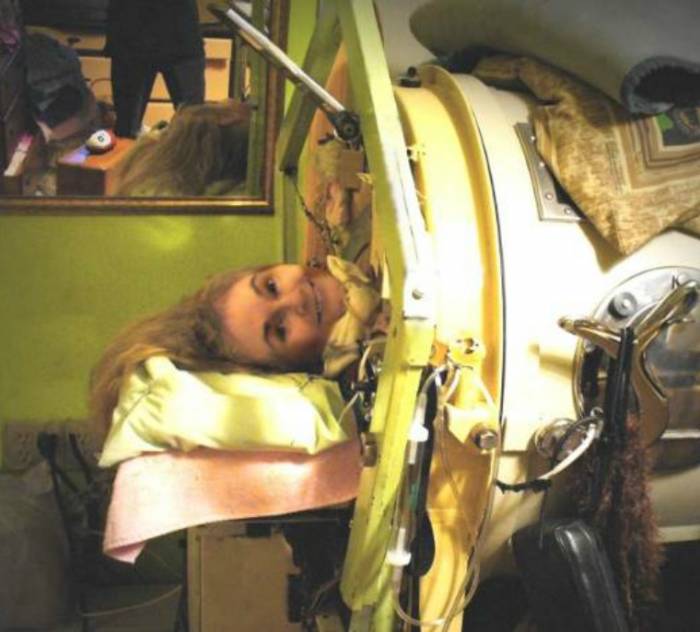
Martha Ann Lillard is another person who has spent the majority of her life using the device. She's been using her machine for over 60 years. She said: “I can’t use other types of ventilators because of inflammation that comes with Polio. I could be more rested if I stayed in the lung full time. But I choose to be up as much as possible. Some people have said I’d rather die than leave my iron lung, and it makes it sound like I’m not trying to be modern, and it’s not like that at all. It feels wonderful, actually, if you’re not breathing well. When I was first put into it, it was such a relief. It makes all the difference when you’re not breathing.”
Below you can see a picture of Lillard in her 20's using the machine:
The United States hasn't seen a serious polio outbreak since 1952. We really hope that these final few iron lung users are able to receive all the help they need in keeping their life-saving machines up and running.