

Your body makes rapid shifts when it goes without food for 72 hours, and a physician has laid out what to expect.
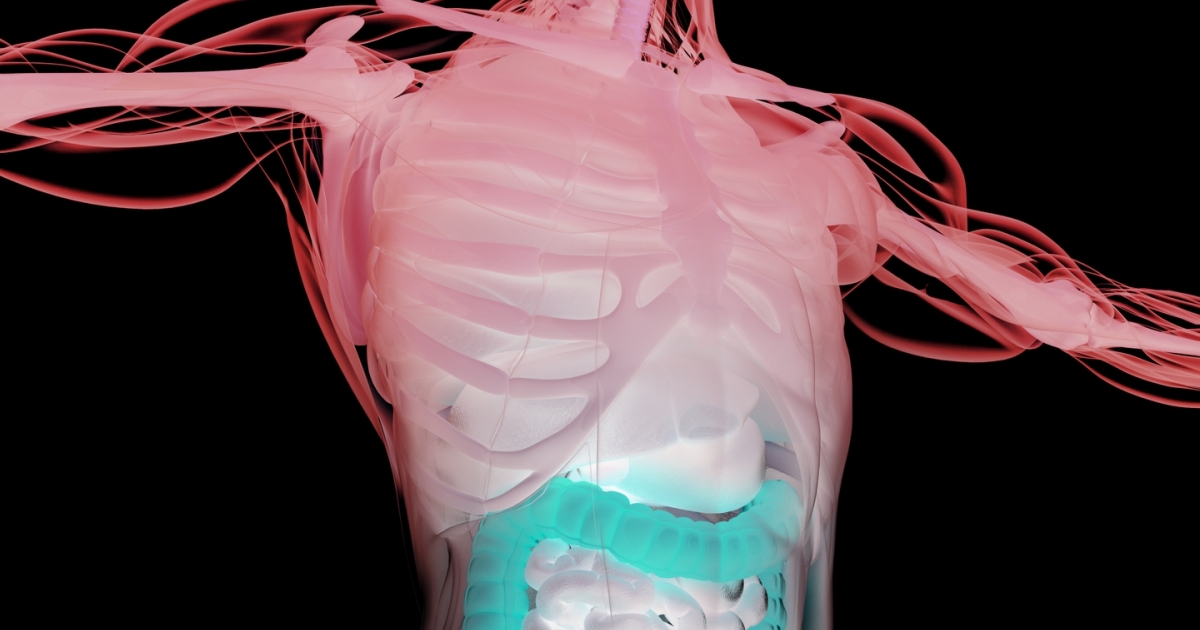
Doctor Explains What Happens To Your Body When You Stop Eating For Three Days
By
maks in
Health and Fitness
On 31st October 2025
advertisement
A physician has broken down, step by step, what the human body goes through when it goes without food for three full days.
UCLA Health reports that America’s obesity problem continues to grow. Nearly half of the population — around 40 percent — now meets the clinical definition of obesity, and a separate study found that deaths from obesity-related cancers tripled between 1999 and 2020.
Diet plays a major role in both weight and overall health. The typical “American diet” often leans on processed meats, sugary drinks, candy, fried foods, and high-fat items, which together push blood sugar and insulin levels in the wrong direction.
Those patterns add up over time. That is why many experts look at strategies that reduce constant snacking and long eating windows.
Against that backdrop, one doctor points to an old practice with new interest: fasting. He argues that planned fasting can help the body reset certain pathways and may support metabolic health when used thoughtfully.

Fasting could help turn it all around, according to the doc
Getty
advertisement
Why insulin matters
"We've been programmed to nourish our body to heal," Dr. Eric Berg says at the start of his video, before outlining how fasting could support the body’s defenses against viruses and other chronic conditions.
"There's one single problem behind all chronic disease, including cancer, and that is insulin resistance," he explains, adding that this can develop when people eat too often and keep insulin elevated through the day.
He also notes that there is a practical way to begin changing course. Intermittent fasting, he says, can lower insulin between meals and allow key repair processes to switch on.
Benefits of intermittent fasting
"If you were to eat right now, your insulin will go up, and because insulin is going to go up, that higher insulin is going to prevent a lot of good things that are going to happen," the doctor continues, stressing that the gap between meals is when the body does much of its cleanup work.
As a simple example, he suggests an 18-hour fast with a six-hour eating window, such as eating from 12:00 p.m. to 6:00 p.m. and then avoiding food until the next day at noon.
He says many people start to notice changes with this schedule. Energy can feel steadier, cravings can ease, and sleep can improve as evening snacking winds down.
advertisement
"You're going to lose weight in your midsection. You are going to feel better mentally," Dr. Berg says. "Your mood will come up, and your inflammation will start going down as well."
He adds that the early wins often build momentum. Seeing the midsection shrink a bit can make it easier to stick with the plan.

An immediate benefit is weight loss
Getty
advertisement
Intermittent vs. prolonged fasting
He explains that during intermittent fasting, the body may not fully tap into stored sugar in the liver. That deeper shift is more likely with prolonged fasting.
In practice, that can mean going 24 to 48 hours without food. The benefits seen with shorter fasts may intensify during this window, though the approach is more demanding and should be planned with care.
advertisement
Glycogen, ketones, and what happens to water and muscle
During a two-day fast, several changes unfold. The liver uses much of its stored glycogen first, since it is the most accessible fuel source.
"It's like a sponge with water. You're holding a lot of fluid," the doctor continues, noting that early weight loss often reflects fluid shifts rather than fat loss.
"You'll lose the water first and then it plateaus," he adds. "That doesn't mean it's not working. It just means that you dumped a lot of water with that stored sugar."
He emphasizes this point to manage expectations. The scale may drop fast at first and then level off, even while deeper metabolic changes continue.
advertisement
Next, the body ramps up ketone production. Ketones can supply a large share of fuel — he cites 87 percent — especially for the brain and muscles during fasting.
Dr. Berg also says human growth hormone rises by the second day. He describes this as helpful for fat burning and potentially supportive of preserving lean mass when fasting is done correctly.
He adds that many people report clearer thinking during this phase, which he links to a steady flow of ketones feeding neurons.

He explained the benefit in a three-day fast comes down to autophagy
Getty
advertisement
Fasting beyond two days, he says, allows the body to recycle worn-out components and repurpose them into fresh material. He calls this autophagy — a cleanup process that is less active when you are eating throughout the day.
He also says that this cellular cleanup speeds up around the 72-hour mark, when food has been absent for three straight days.
"Autophagy starts cleaning up intracellular pathogens," he continues. "I'm talking about viruses," such as the Epstein–Barr virus and the herpes virus.
advertisement
Because many of these viruses do not have curative medications, Dr. Berg argues that extended fasting is a tool the body can use to lower their impact. He frames it as a natural method that works alongside the immune system.
advertisement
Immune system shifts after three days
Finally, he says that going 72 hours without food can stimulate the immune system. He describes this as important for defenses against cancer and autoimmune conditions.
"Some stem cell therapy is like $50,000, but guess what? You can get stem cell therapy, for free, by just not eating."
He suggests thinking of fasting as a targeted break for the digestive system that frees resources for repair and immune surveillance.
advertisement
Risks and who should avoid fasting
Even with documented benefits, fasting is not right for everyone. The Mayo Clinic advises against intermittent fasting for people who are pregnant, individuals with a history of eating disorders, people at high risk of bone loss or falls, and people with diabetes unless a clinician is closely involved.
Research also links fasting to possible side effects like constipation, fatigue, dizziness, and menstrual changes. These effects can make daily routines harder, especially during longer fasts.
Long-term outcomes are still being studied. Anyone considering fasting — particularly multi-day fasts — should talk with a healthcare professional first and build a plan that fits their medical history and medications.