Feline tooth resorption, also commonly called FORLs (feline odontoclastic resorptive lesions), is a very common oral disease, affecting from 30 to 40 percent of adult kitties.
Tooth Resorption - A Painfully Common Dental Disease In Cats
By
Editorial Staff in
Nature
On 11th February 2016
advertisement
Feline tooth resorption is a common and painful condition in domestic cats.
Studies have shown well over 50% of adult cats develop tooth resorption.
When a kitty has oral disease, it generally has one of four causes:
Periodontal (gum) disease
Oral cancer (especially squamous cell carcinoma)
Feline stomatitis (an autoimmune disorder that causes painful inflammation of the mouth, throat or pharynx)
Tooth resorption
advertisement
Tooth resorption is also referred to as cervical line lesions, resorptive lesions, feline odontoclastic resorptive lesions (FORLs), and (inaccurately) cavities.
Of the four major feline oral diseases, tooth resorption is the most common
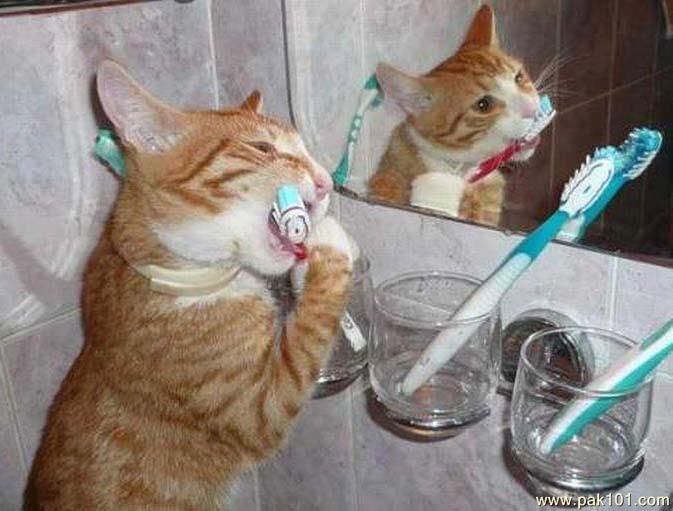
Tooth resorption is the gradual destruction of a tooth or teeth caused by cells called odontoclasts.
Tooth resorption usually starts on the outside of a tooth at the gum line. The condition is most common in premolars in the lower jaw, but can occur in any tooth.
advertisement
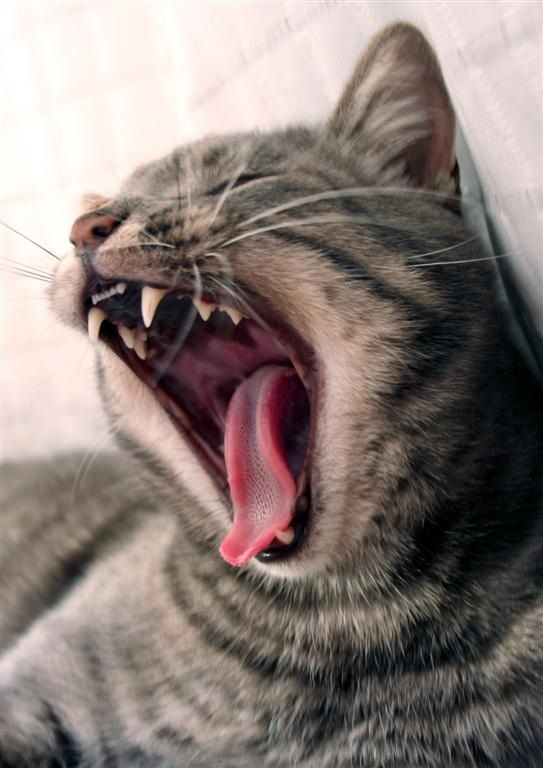
If the resorption is obvious, it often looks as though gum tissue is growing over or into the tooth.
It can also appear there is a hole in the tooth, which is why the condition is sometimes referred to as a cavity. In fact, cavities are extremely rare in companion animals, especially cats.
advertisement
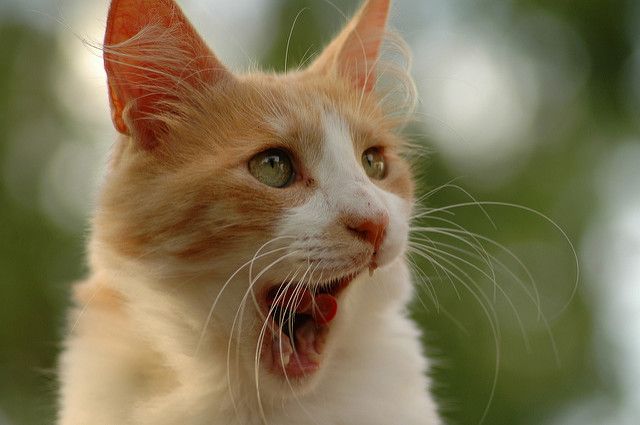
Less visible resorptions can be found using magnification devices and lighting once the cat is anesthetized and immobile.
But tooth resorption under the gum line must be diagnosed via dental x-rays.
advertisement
Tooth resorption is a progressive disease which typically first erodes the cementum, or surface layer of the root, and the dentin, which is the hard tissue just below the enamel of the tooth.
It then moves into the center of the tooth and the pulp, which is comprised of living connective tissue and cells.
The resorption process continues into the fluid-filled dentinal tubules, tiny channels that spread outward through the dentin to the cementum. Finally, the enamel is resorbed, which can cause the tooth to fracture and/or remodel into a lump on the gum line.
Resorbed cementum and dentin is replaced with hard, bone-like tissue.
advertisement
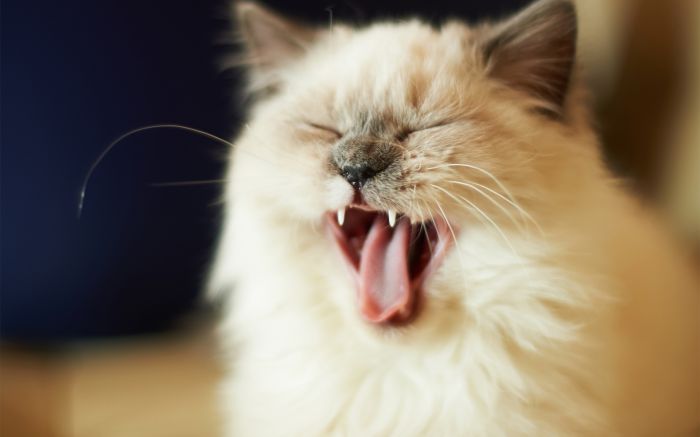
As you might guess, feline tooth resorption is a painful condition.
However, many cats show no obvious signs of pain unless and until a lesion is actually touched.
advertisement
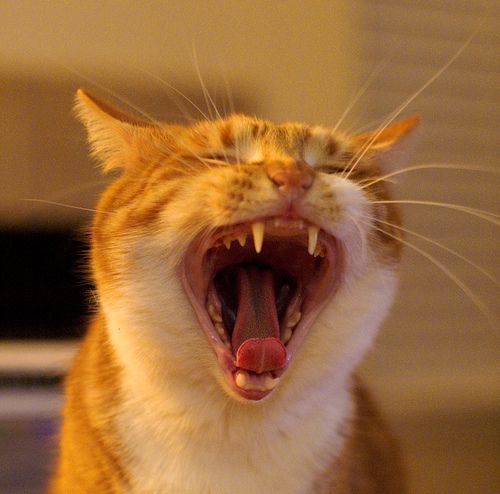
Sometimes an affected cat will drool, have bleeding from the mouth, or difficulty eating.
Occasionally there can also be vomiting of unchewed food, behavior changes and bad breath.
But it is most often up to an observant pet owner or a veterinarian to diagnose tooth resorption in a kitty.
advertisement
Behavioral changes may accompany the condition as well; cats may become aggressive or may avoid others.
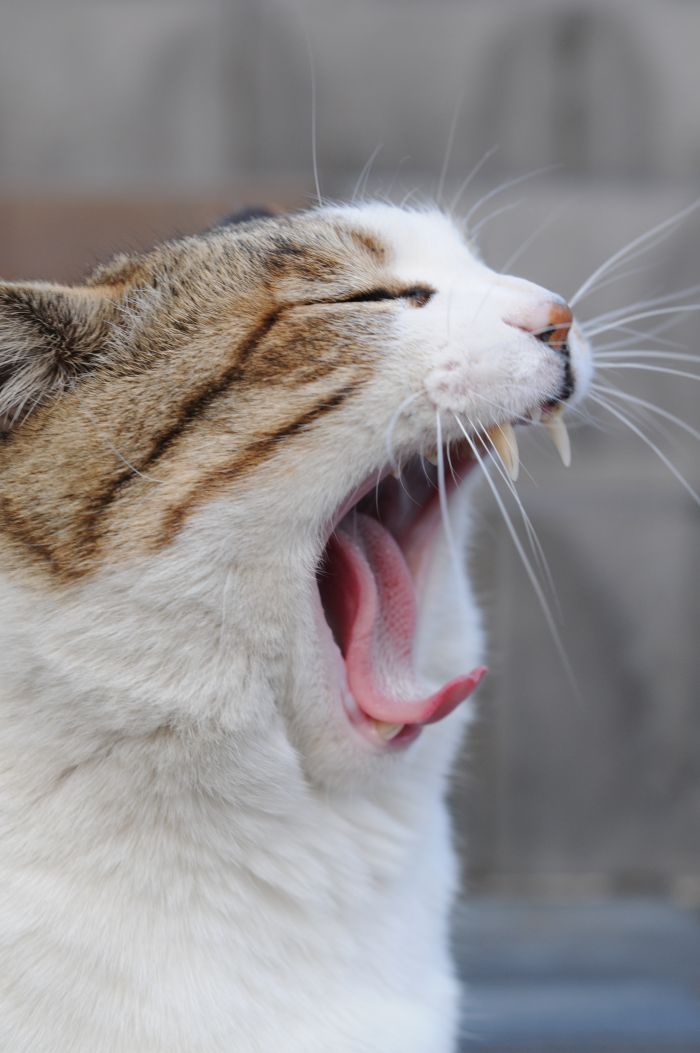
While feline odontoclastic tooth resorption can occur in any tooth, it is most often seen in the back teeth.

advertisement
The cause of these resorptive lesions is unknown.
One theory is that the inflammation caused by plaque may stimulate cells called 'odontoclasts,' which eat away at the enamel of the tooth. Other possible causes include autoimmune disorders, changes in pH in the mouth, viral diseases, or a problem with calcium metabolism.
advertisement
Classification of Tooth Resorption in Cats
Stage I: Loss of enamel only, extending less than 0.5 mm into the tooth.
Stage II: Lesion extends into the dentin.
Stage III: Lesion extends into the pulp canal, but good tooth structure remains.
Stage IV: Lesion extends into the pulp canal and there is extensive loss of tooth structure.
Stage V: Crown of tooth is missing, but roots are present.
How is tooth resorption treated?
Depending upon the stage of resorption, the entire tooth with the roots may be extracted, or only a portion of the tooth is removed.
advertisement
It is recommended that cats who have a history of tooth resorption should have a prophylaxis (professional dental cleaning) every six months.
Good home dental care is important for cats with tooth resorption. Follow the veterinarian's instructions carefully.