Top 10 Most Beautiful Natural World Heritage Sites in the US
By
Editorial Staff in
Nature
On 15th March 2016
Since 1978 the United Nations Educational, Scientific, and Cultural Organisation – UNESCO has been designating important sites worldwide, places that are of outstanding universal value – cultural or natural value – to humanity. UNESCO created the World Heritage List to protect our past.
The amazing sites on this list range from archaeological gems built by ancestral cultures to beautiful landscapes created by nature.
We’ve put together a list of some of the stunning sites found throughout the country.
Everglades National Park
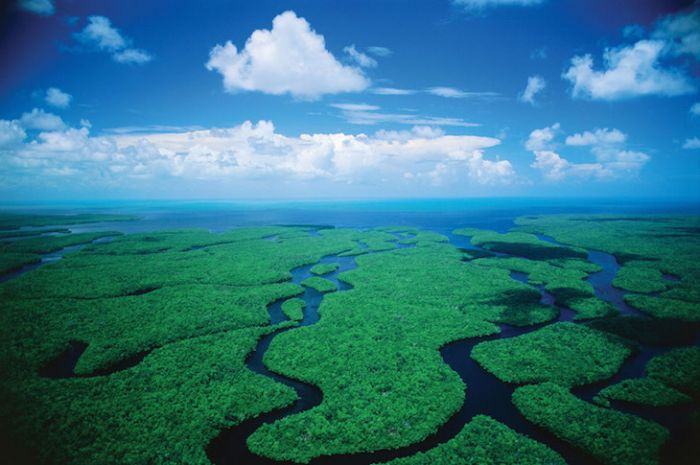
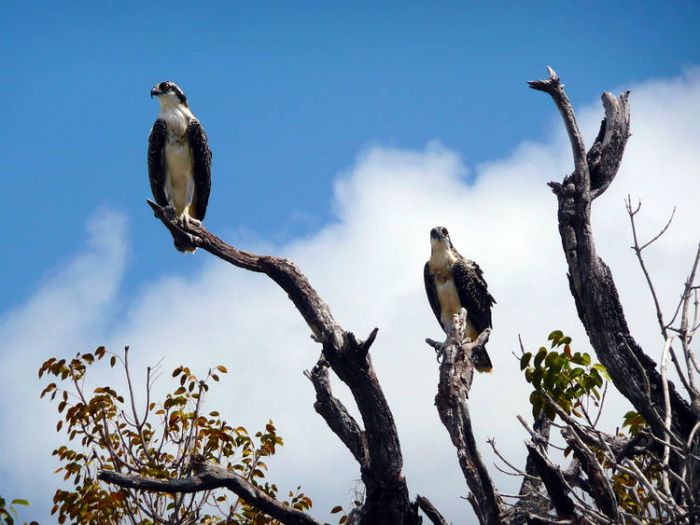
Located on the southern tip of the Florida Peninsula, Everglades National Park is the largest tropical wilderness in the United States. It has been called ‘a river of grass flowing imperceptibly from the hinterland into the sea’. The park supports a high diversity of flora and fauna including 800 species of vertebrates (land and water), 400 bird species, nearly 280 species of fish and many reptiles, insects and amphibians.
Everglades National Park is the largest designated sub-tropical wilderness reserve on the North American continent
Its juncture at the interface of temperate and sub-tropical America, fresh and brackish water, shallow bays and deeper coastal waters creates a complex of habitats supporting a high diversity of flora and fauna. It contains the largest mangrove ecosystem in the Western Hemisphere, the largest continuous stand of sawgrass prairie and the most significant breeding ground for wading birds in North America.
Grand Canyon National Park
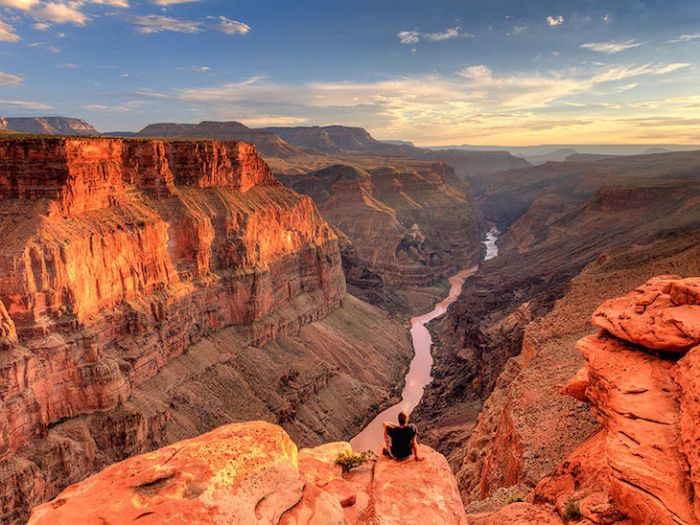
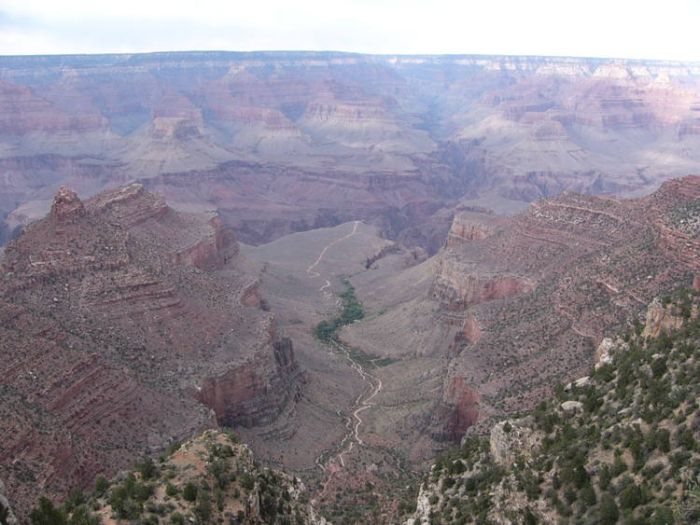
Grand Canyon is without a doubt the most spectacular gorge in the world. The Colorado River carves its way through the rock at a 1.5 km depth. The width of the gorge varies between 200m and 30 km and its horizontal strata span the geological history of the past 2000 million years. There are more than 2600 prehistoric ruins and many fossils have been found including early plants, early reptiles and mammals.
The Grand Canyon is among the earth’s greatest on-going geological spectacles
Its vastness is stunning, and the evidence it reveals about the earth’s history is invaluable. The 1.5-kilometer (0.9 mile) deep gorge ranges in width from 500 m to 30 km (0.3 mile to 18.6 miles). It twists and turns 445 km (276.5 miles) and was formed during 6 million years of geologic activity and erosion by the Colorado River on the upraised earth’s crust. The buttes, spires, mesas and temples in the canyon are in fact mountains looked down upon from the rims. Horizontal strata exposed in the canyon retrace geological history over 2 billion years and represent the four major geologic eras.
Great Smoky Mountains National Park
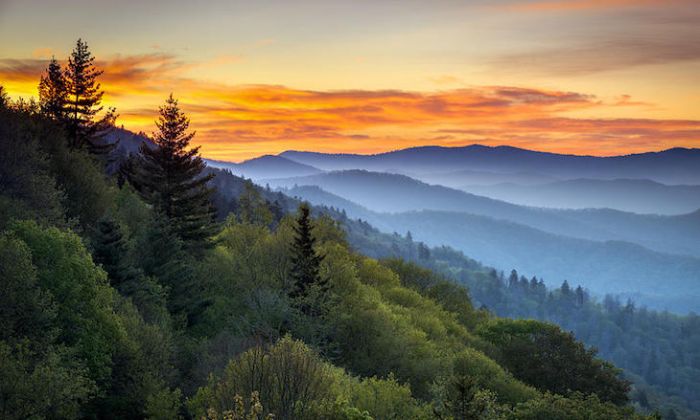
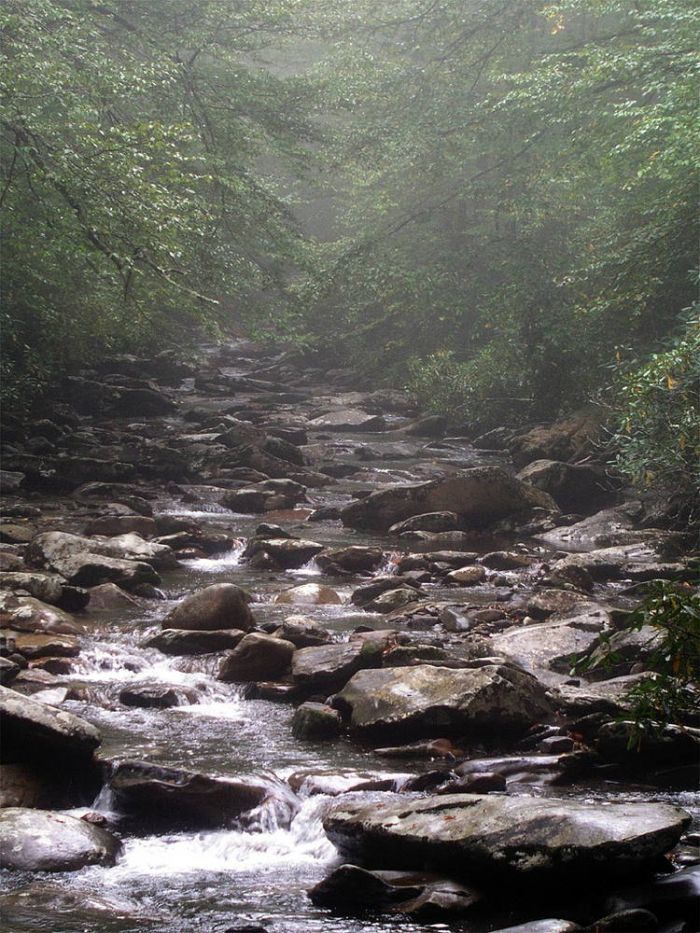
The mountains were named after the natural phenomenon, when fog covers the area especially in mornings or after rainfall. Laying over 2000 square kilometres this awe inspiring forest is the most important natural area of Eastern US. It is home to many endangered species and 130 tree species which equals to the total number of Europe’s trees. There relatively untouched park has 16 high peaks reaching over 1800 meters.
The Great Smoky Mountains National Park is a major North American refuge of temperate zone flora and fauna that survived the Pleistocene glaciations
The park includes the largest remnant of the diverse Arcto-Tertiary geoflora era left in the world, and provides an indication of the appearance of late Pleistocene flora. It is large enough to allow the continuing biological evolution of this natural system, and its biological diversity exceeds that of other temperate-zone protected areas of comparable size. The park is of exceptional natural beauty with undisturbed, virgin forest including the largest block of virgin red spruce remaining on earth.
Yosemite National Park
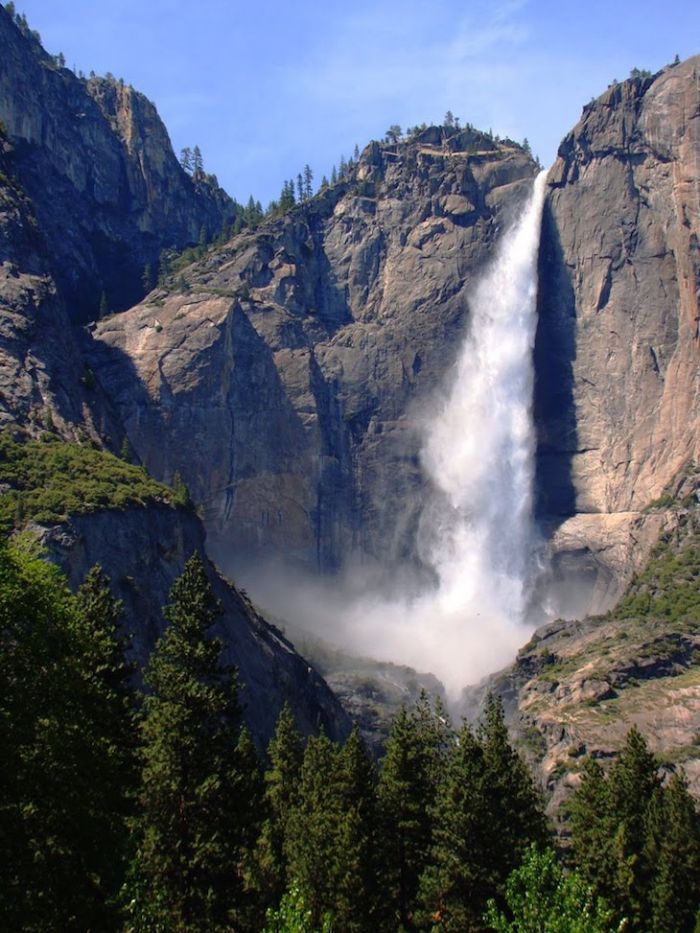
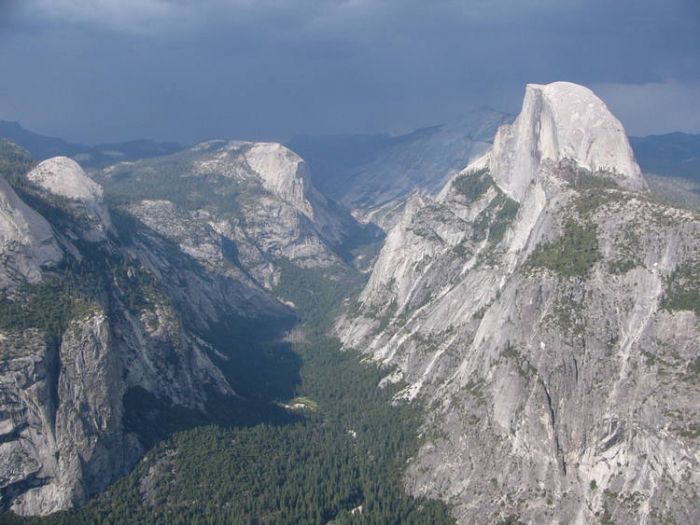
The scenic beauty of Yosemite National Park is truly outstanding including the fascinating El Capitan rock formation, hanging valleys, moraines, lakes and waterfalls. The elevation ranges between 600 meters and 4000 meters giving home to a great variety of flora and fauna. Besides the natural beauty, the park is noted for its cultural importance due to its archeological features.
Yosemite National Park vividly illustrates the effects of glacial erosion of granitic bedrock
Repeated glaciations over millions of years have resulted in a concentration of distinctive landscape features, including soaring cliffs, domes, and free-falling waterfalls. There is exceptional glaciated topography, including the spectacular Yosemite Valley, a 914-meter (1/2 mile) deep, glacier-carved cleft with massive sheer granite walls. These geologic features provide a scenic backdrop for mountain meadows and giant sequoia groves, resulting in a diverse landscape of exceptional natural and scenic beauty.
Yellowstone National Park
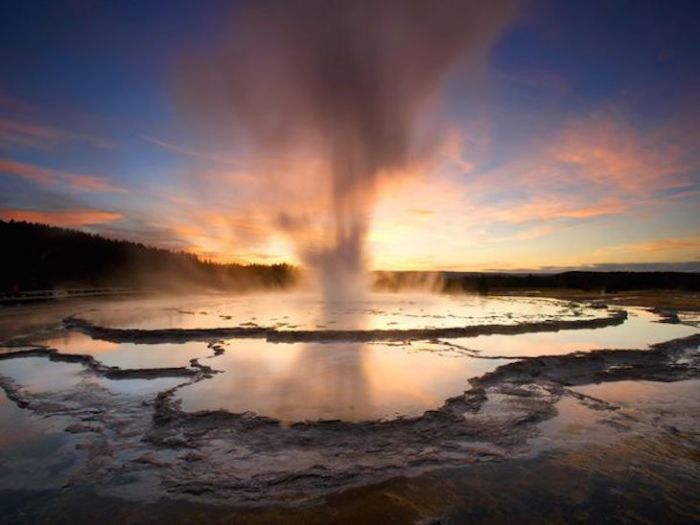
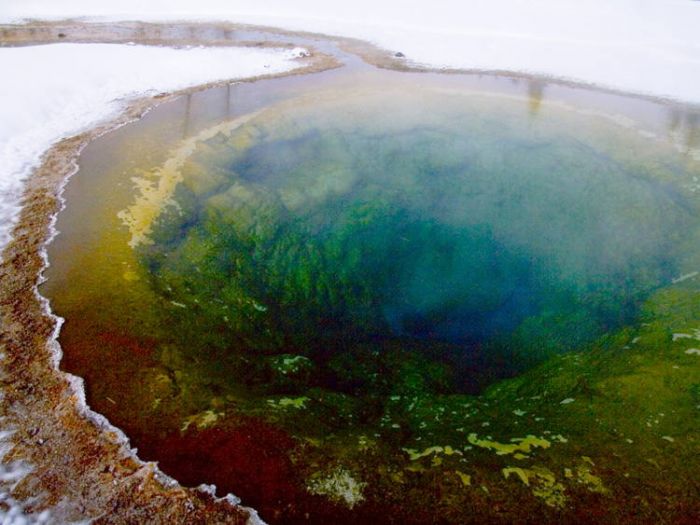
Stretching over 9000 square kilometres, Yellowstone was established in 1872 as America’s first national park. The average elevation of 2000 meters with mountains rising to 4000 meters. The great elevations difference produces a range of plant communities. The park holds half of the geothermal features of the world such as fumaroles, geysers, lava formations, hot springs, lakes, canyons and waterfalls. Rare species like grizzly bear, elk and native fish can also be found here.
Yellowstone National Park is a protected area showcasing significant geological phenomena and processes
It is also a unique manifestation of geothermal forces, natural beauty, and wild ecosystems where rare and endangered species thrive. As the site of one of the few remaining intact large ecosystems in the northern temperate zone of earth, Yellowstone’s ecological communities provide unparalleled opportunities for conservation, study, and enjoyment of large-scale wildland ecosystem processes.
Mammoth Cave National Park
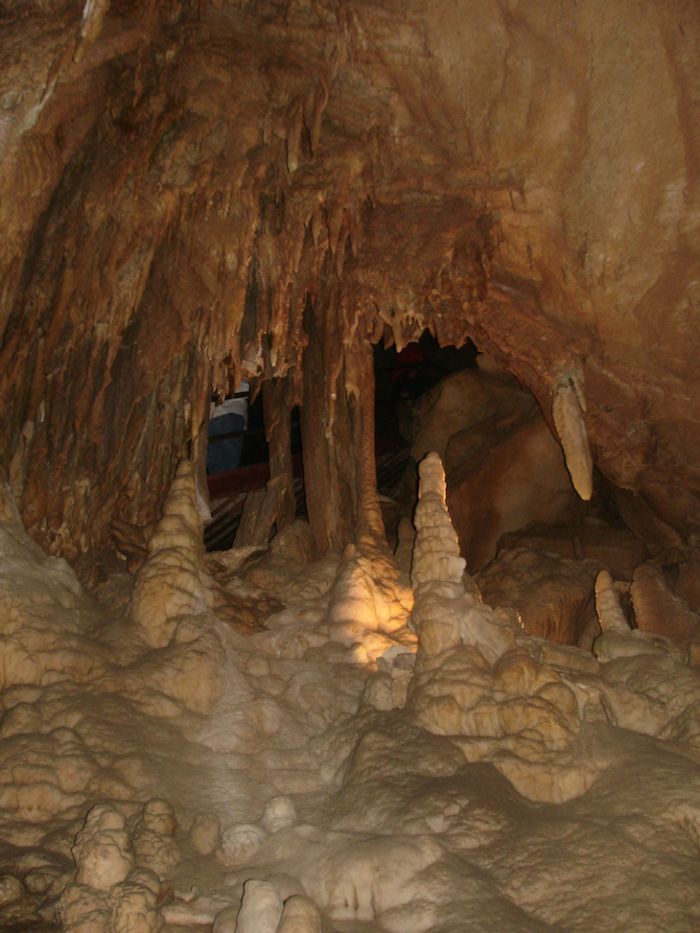
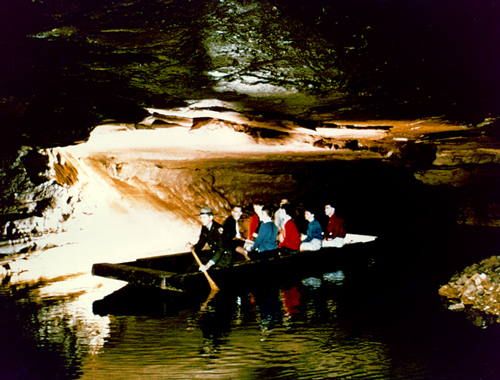
As the world’s longest known cave system with its vast chambers and complex labyrinths have surely earned its name – Mammoth. Located in Kentucky State it is the most diverse cave ecosystem in the world with more than 400 miles explored. The cave system is is home to over 200 indigenous species and over 40 species that have adapted to the dark world such as cave fish that do not grow eyes.
Mammoth Cave is the most extensive cave system in the world
With over 285 miles (456 km) of surveyed cave passageways within the property (and at least another 80 miles [128 km] outside the property). The park illustrates a number of stages of the Earth's evolutionary history and contains ongoing geological processes and unique wildlife. It is renowned for its size and vast network of extremely large horizontal passages and vertical shafts. Nearly every type of cave formation is known within the site, the product of karst topography. The flora and fauna of Mammoth Cave is the richest cave-dwelling wildlife known, with more than 130 species within the cave system.
Olympic National Park
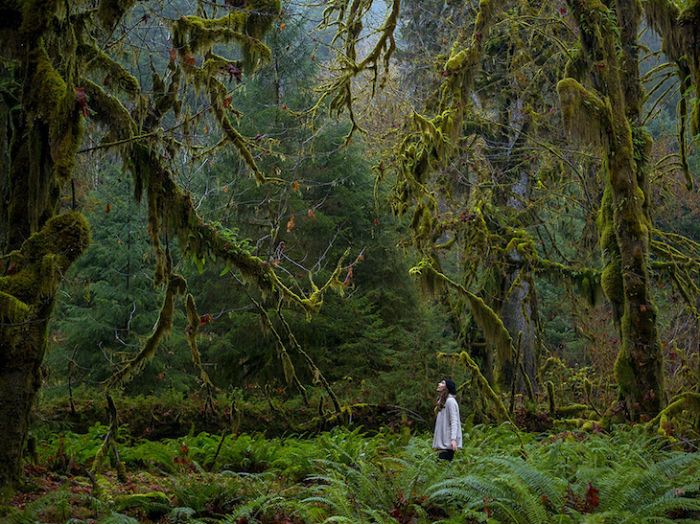
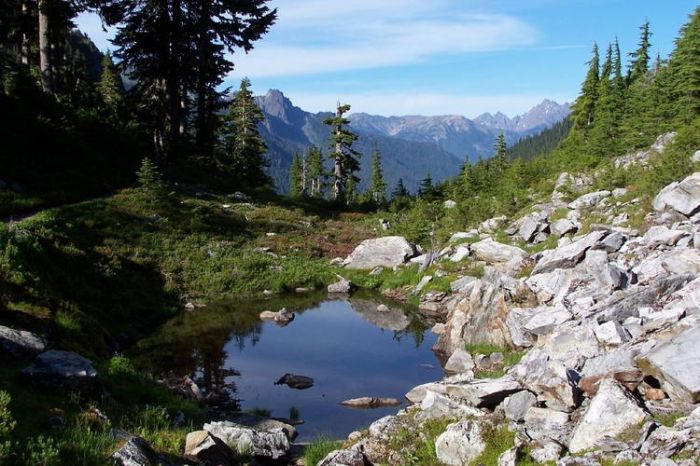
Located in the state of Washington, in the Olympic Peninsula, Olympic National Park is renowned for its diverse ecosystems. The area boasts in glacier-clad peaks, alpine areas and extensive temperate rainforests dominated by conifers. It also provides habitat for many species like the Roosevelt elk, black bear, black-tailed deer, cougars and mountain goats. The latter was accidentally introduced to the park in the 1920s and now, oddly they are the main danger to the integrity of the site.
Located in the north-west of Washington State, Olympic National Park is renowned for the diversity of its ecosystems
Glacier-clad peaks interspersed with extensive alpine meadows are surrounded by an extensive old growth forest, among which is the best example of intact and protected temperate rainforest in the Pacific Northwest. Eleven major river systems drain the Olympic mountains, offering some of the best habitat for anadromous fish species in the country. The park also includes 100 km of wilderness coastline, the longest undeveloped coast in the contiguous United States, and is rich in native and endemic animal and plant species, including critical populations of the endangered northern spotted owl, marbled murrelet and bull trout.
Carlsbad Caverns National Park
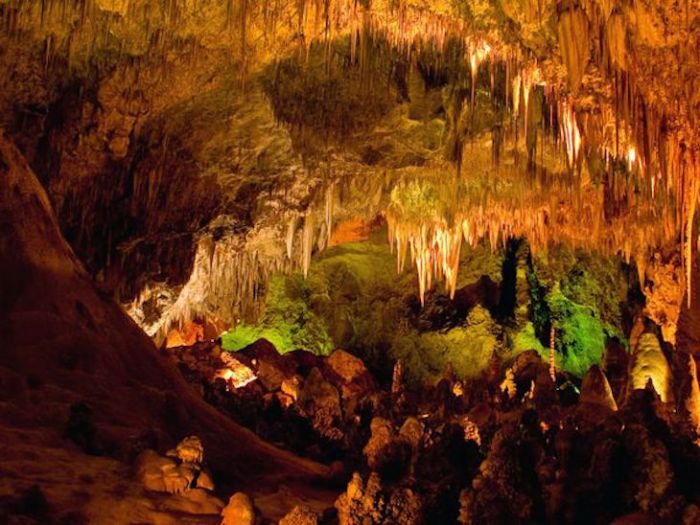
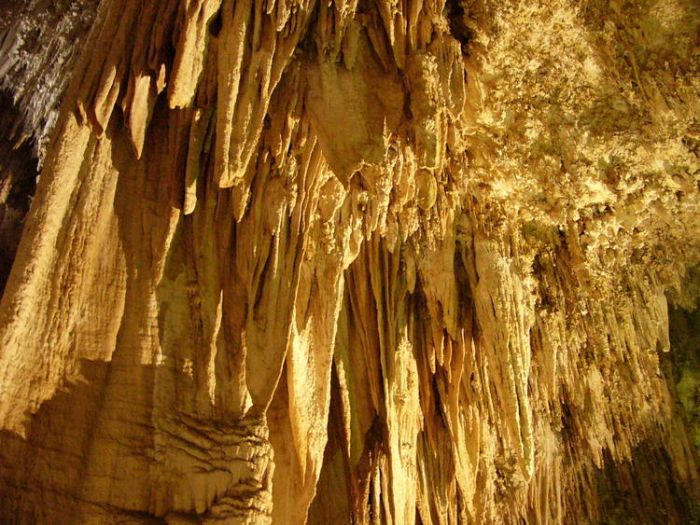
Carlsbad Caverns National Park is located in New Mexico in the Guadalupe Mountains. The park’s most famous geologic features are the 120 limestone caves that were dissolved by very aggressive sulphuric acid. It is a unique process since other caves in the world are carved out by running water and streams. The caves are home to migratory bat species, fungi and bacteria that are of particular scientific and medical interest.
The more than 100 limestone caves within Carlsbad Caverns National Park are outstanding and notable world-wide
Because of their size, mode of origin, and the abundance, diversity and beauty of the speleothems (decorative rock formations) within. On-going geologic processes continue to form rare and unique speleothems, particularly in Lechuguilla Cave. Carlsbad Caverns and Lechuguilla Cave are well known for their great natural beauty, exceptional geologic features, and unique reef and rock formations. The Permian-aged Capitan Reef complex (in which Carlsbad Caverns, Lechuguilla and other caves formed) is one of the best preserved and most accessible complexes available for scientific study in the world.
Glacier National Park
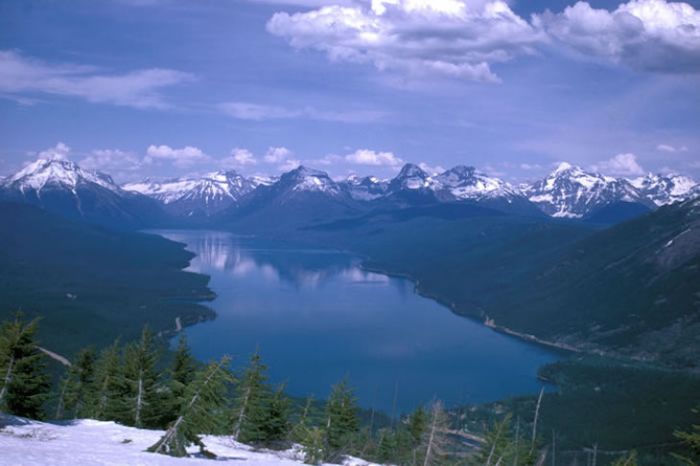
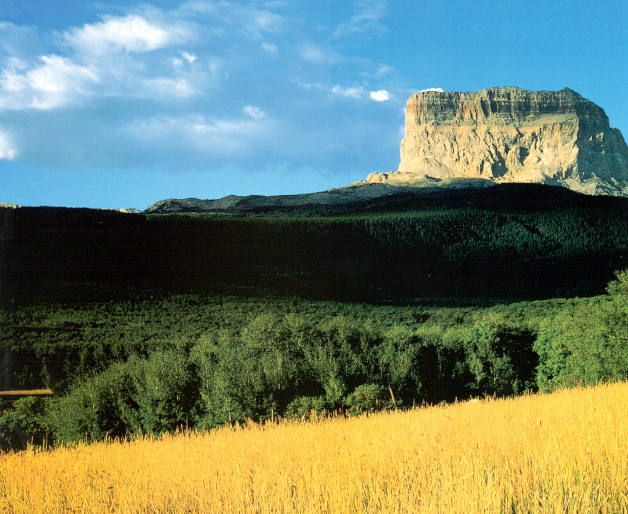
Located in Montana, Glacier National Park was joined with Waterton Lakes Park in Alberta, Canada in 1932 forming the world’s first International Peace Park ever since. The two neighbouring parks are exceptional example of cooperation to protect their shared ecosystem. The park’s pristine forests, alpine meadows, rugged mountains, spectacular lakes and over 700 miles of trails attract adventurous visitors all year around. It is also home to a large variety of birds, reptiles and predators such as grey wolves, grizzly, cougars, lynx, fox coyotes and wolverines.
Waterton-Glacier International Peace Park
This Place has a distinctive climate, physiographic setting, mountain-prairie interface, and tri-ocean hydrographical divide. It is an area of significant scenic values with abundant and diverse flora and fauna.
Redwood National Park
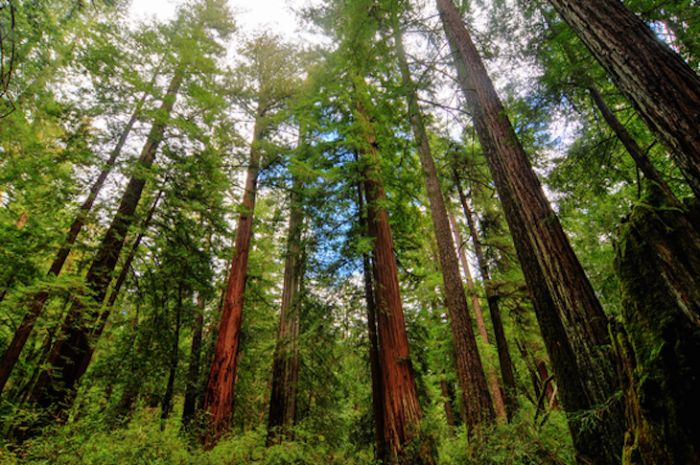
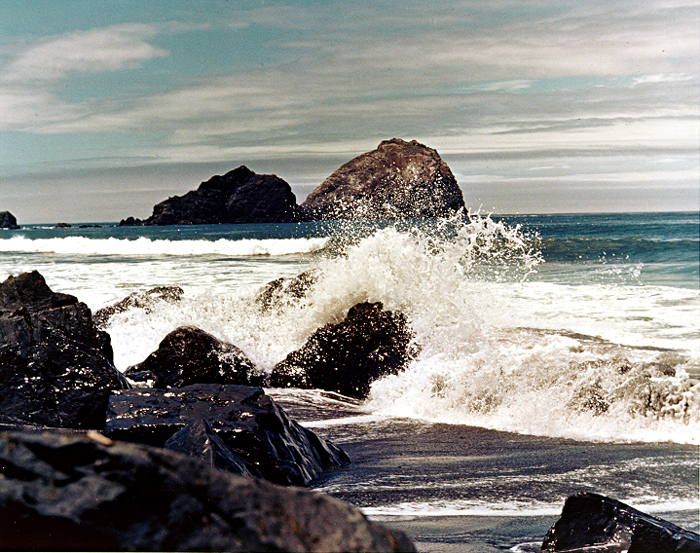
Redwood National Park, located in Oregon was established specifically to protect the tallest and most impressive trees in the world, the redwood trees. This coastal mountain region provides ideal climate for these trees, that are descendants of the giant evergreen from the times of the dinosaurs. They take 400 years to mature and some of them are over 2000 years old. The national park is equally important for marine life as well, it is home to sea lions and the endangered California brown pelican.
The park’s primary feature is the coastal redwood forest,
A surviving remnant of the group of trees that has existed for 160 million years and was once found throughout many of the moist temperate regions of the world, but is now confined to the wet regions of the west coast of North America. The park contains some of the tallest and oldest known trees in the world. Rich intertidal, marine and freshwater stream flora and fauna are also present in the two distinctive physiographic environments of coastline and coastal mountains that include the old growth forest and stream communities.