“Tortitude" - The Unique Personality Of Tortoiseshell Cats: Fact Or Fiction?
By
Editorial Staff in
Nature
On 13th January 2016
Also called Torties for short, Tortoiseshell cats combine two colours other than white, either closely mixed or in larger patches.
Tortoiseshell markings appear in many different breeds, as well as in non-purebred domestic cats. This pattern is especially preferred in the Japanese Bobtail breed, and exists in the Cornish Rex group
Tortoiseshell describes a cat coat colouring found almost exclusively in females
Male Tortoiseshells appear only rarely, and those that do are commonly sterile
What is a tortoiseshell cat?
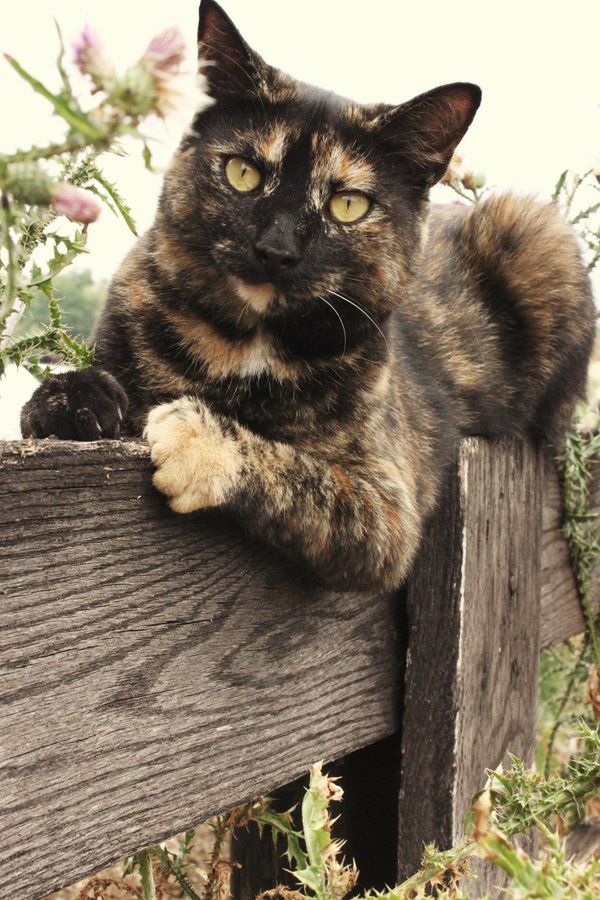
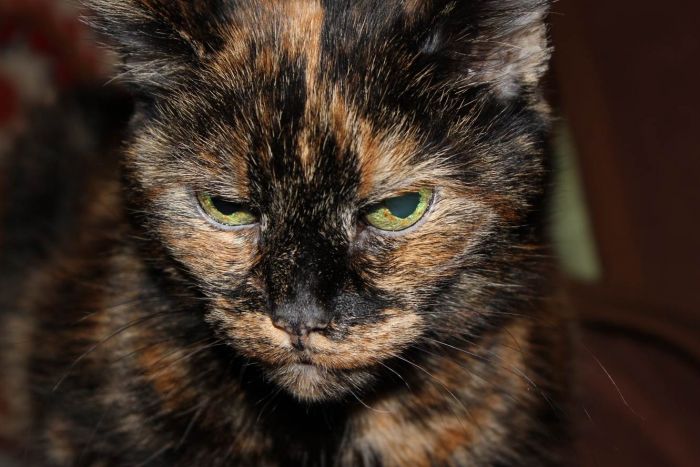
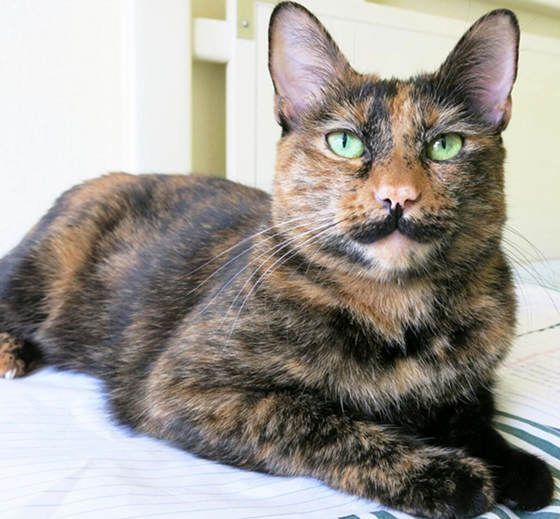
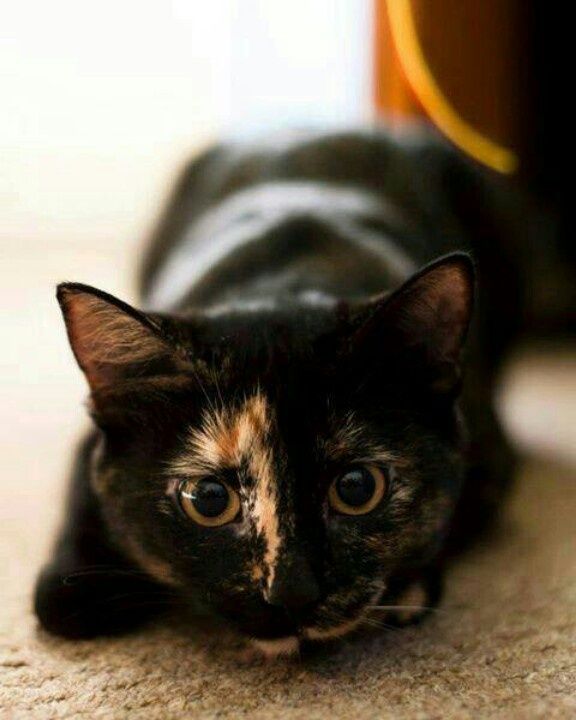
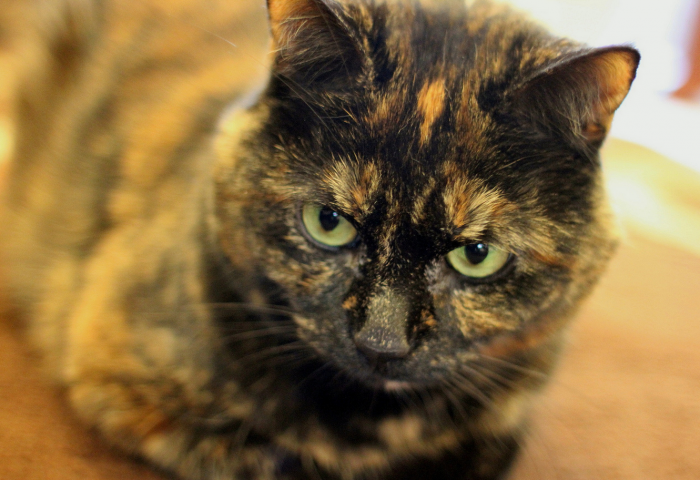
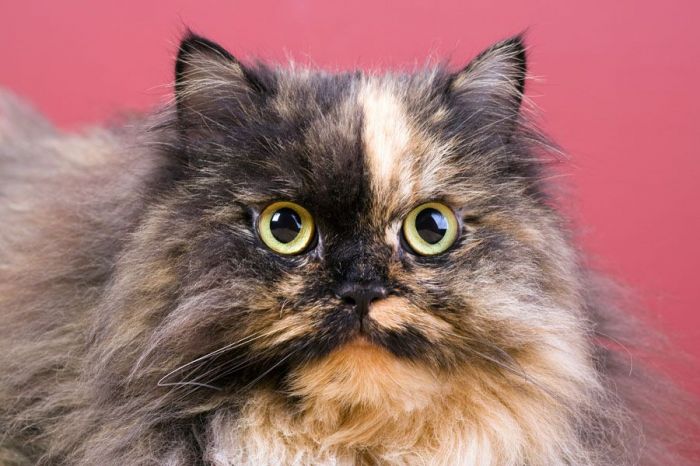
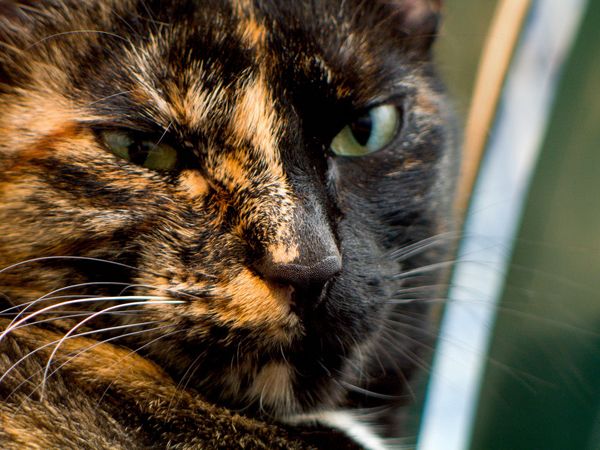
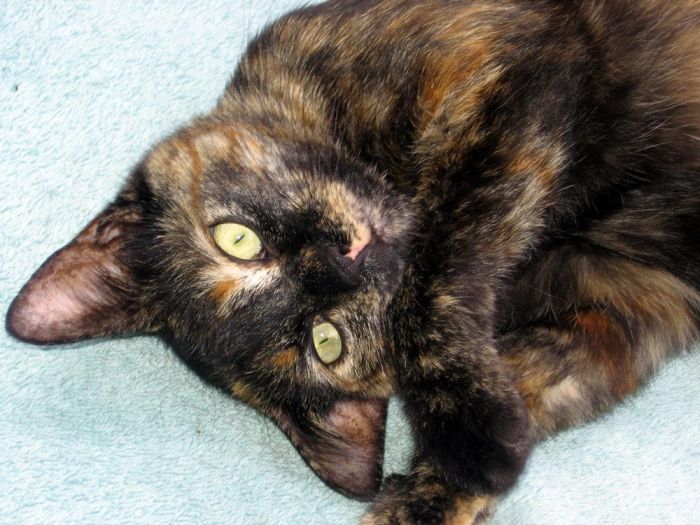
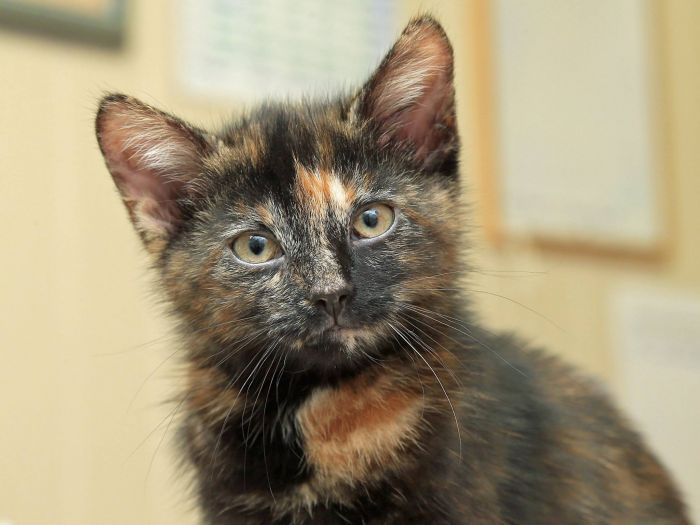
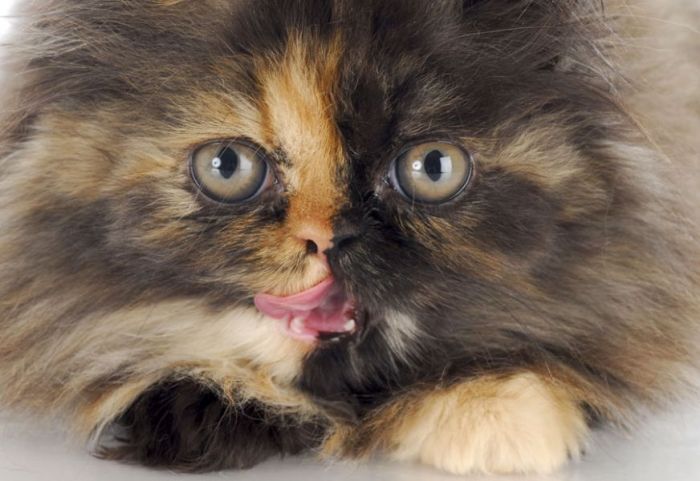
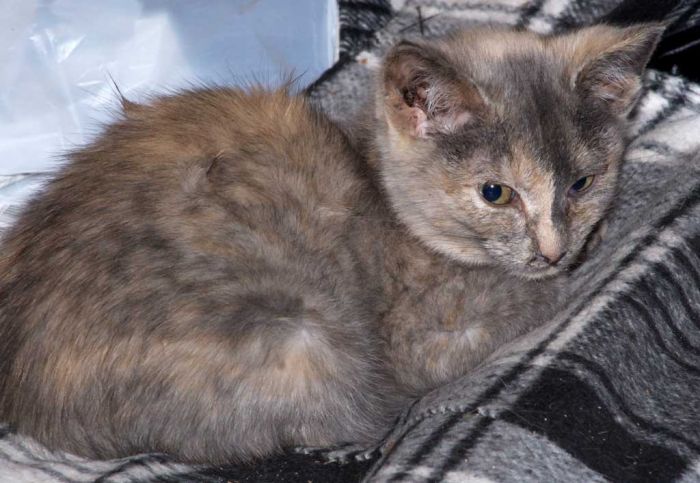
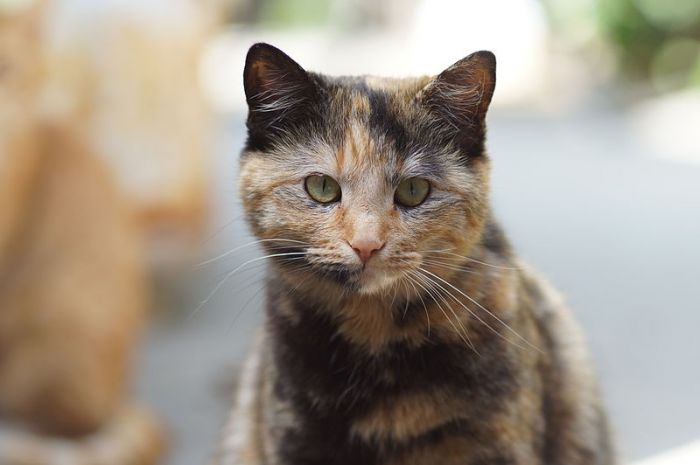
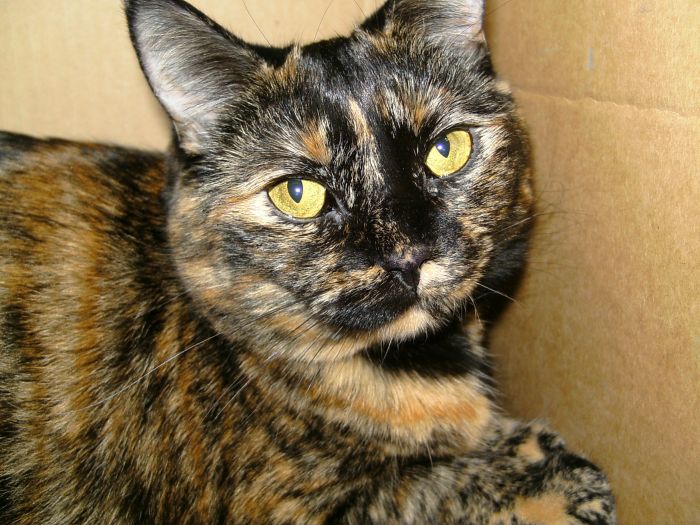
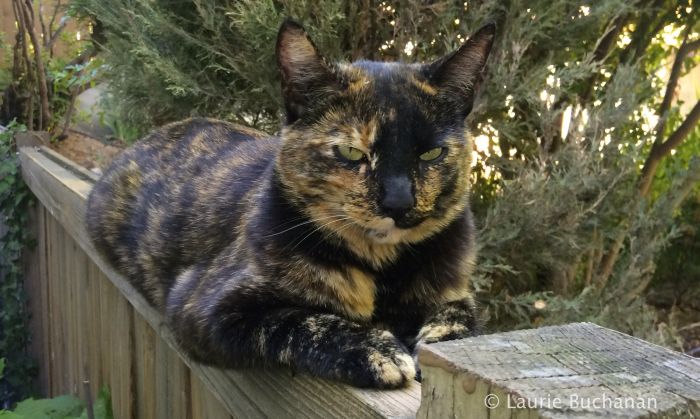
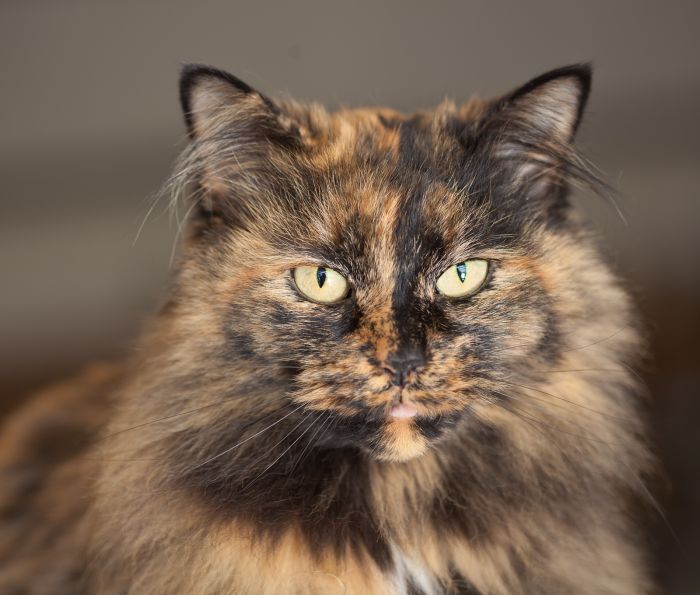
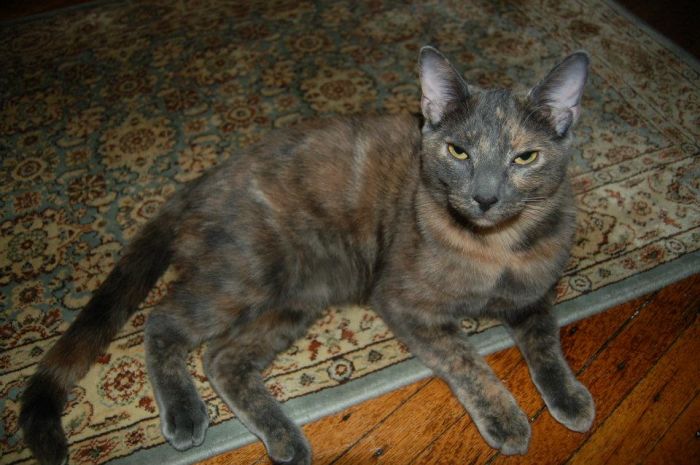
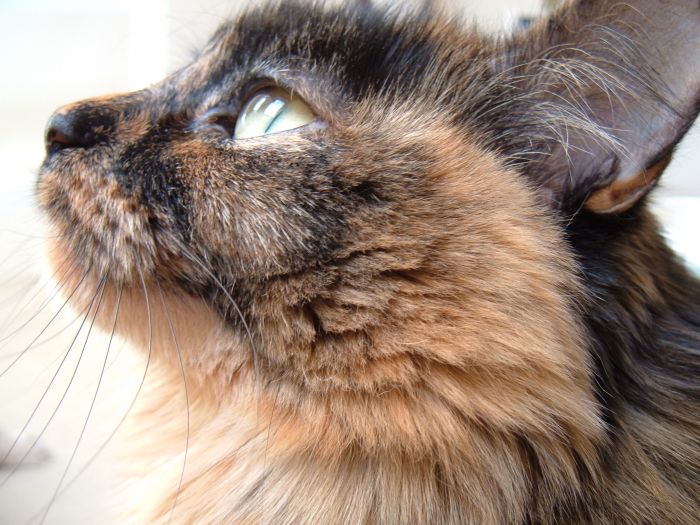
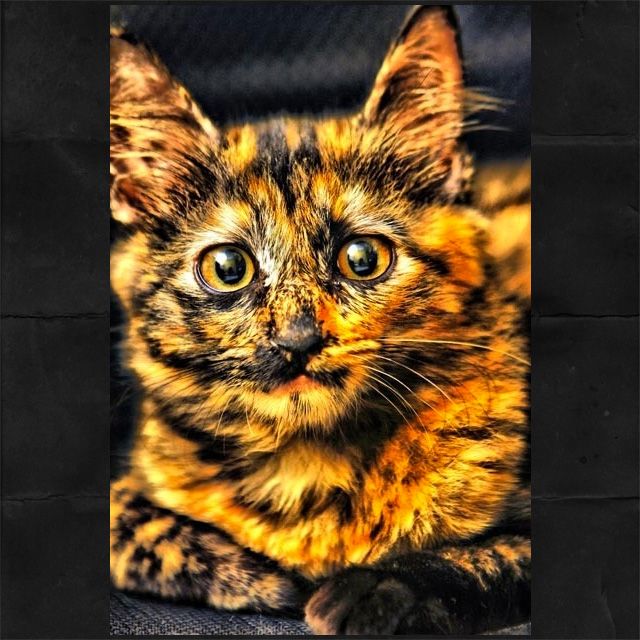
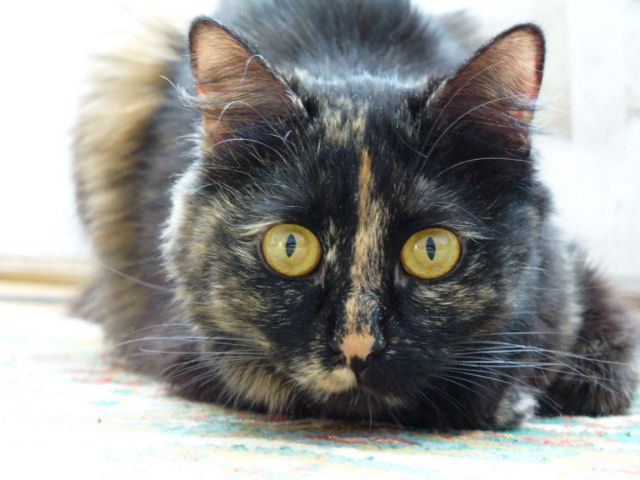
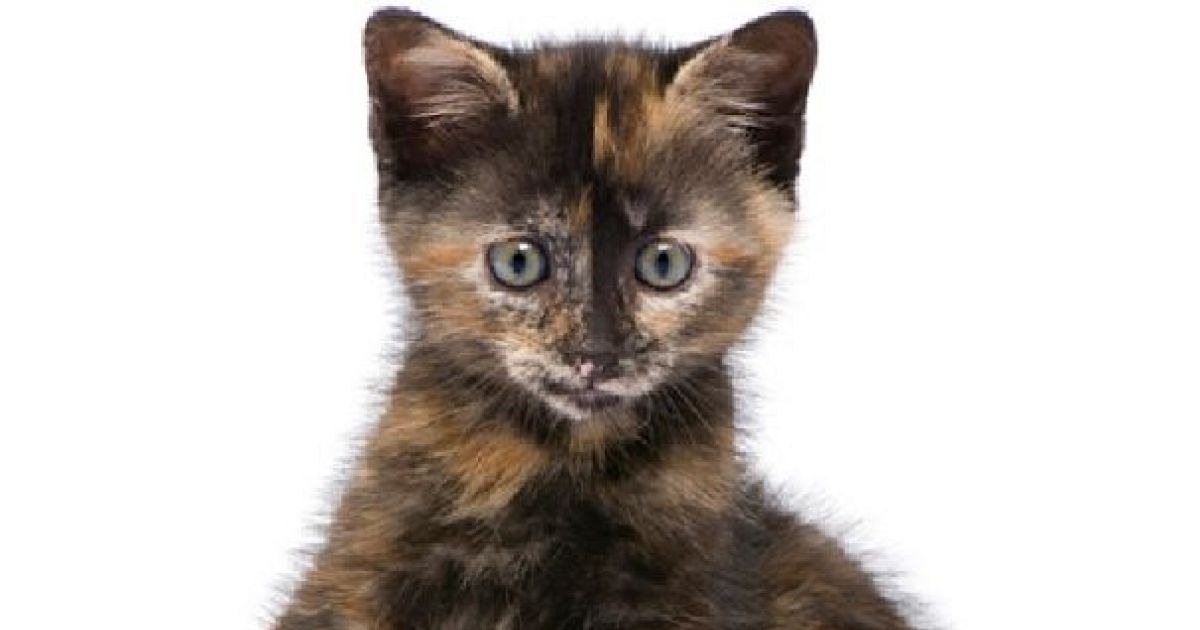
Contrary to what some people think, tortoiseshell cats are not a breed. They are named for their distinctive coloring a combination of patches of black, brown, amber, red, cinnamon and chocolate. The size of the patches can range from a speckled pattern to large splotches of color. Tortoiseshell cats have have very few or no white markings, as opposed to calicos, who are tri-colored cats with larger areas of white fur. Sometimes, the colors are more muted. These torties are known as dilute torties. Very dark torties with a lot of black in their fur are often affectionately called "chocolate torties." Occasionally, the typical tortoiseshell colors are also seen in a tabby (striped) pattern; these cats are referred to as "torbies." Tortoiseshell markings appear in many different breeds.
.
The Tortoiseshell Cat is referred to as a Tri-Color cat, though in reality this is not quite true. The defining feature of the classic tortoiseshell coat pattern is its color combination. This combination looks like black, red, and cream colored hairs. Although it appears to be three colors, in reality it consists of black areas and orange tabby areas. Since the orange tabby areas are two-toned, it creates the appearance of a three-toned cat.
The unique genetics of tortoiseshell cats
In addition to their unique personalities, torties also have unique genetics. The vast majority of tortoiseshell cats are female, because two X chromosomes are required to produce black, gold and orange coloring. Male cats only have one X and one Y chromosome, so technically it's genetically almost impossible for a male to inherit the tortoiseshell coloring. A male tortoiseshell has an extra X chromosome, making it an XXY. According to a study by the College of Veterinary Medicine at the University of Missouri, only 1 in 3000 tortoiseshell cats is male.
Torties also come in two types of color patterns
"brindled" (woven) and "patched"(solid patches of red or black, (or dilutes of these colors). To make it even more complex, these patches may also be of the tabby nature, resulting in what is often called "Torbies."
The "Tortitude" Factor
Tortoiseshell cats share a unique personality most often described as "tortitude." Torties are almost always very active and playful, with sassy, spunky, in-your-face attitudes. They also often fancy themselves as alpha cats, which can sometimes create problems Calicoes also exhibit definite tortitude in their personalities. I can't help but think that this personality trait has its origin in genetics, as opposed to environment.
So are torties really different, or are all cat people just convinced their cats are special?
According to Jackson Galaxy, cat behaviorist and star of Animal Planet's My Cat From Hell: "I hate generalizing about cat coats or breeds, or anything like that, in terms of assigning a personality to a cat," he told me. "That being said, cats like torties, calicos, and orange tabbies tend to have a much more distinct personality, in my opinion. But I try as hard as I can not to prejudge on the basis of past tortitude experience."
.
Galaxy says he has not found tortoiseshell cats to be feistier than average, but he does believe they tend to be "more sensitive to the stimulus around them."
Tortoiseshell Cat History
The factual history of the tortoiseshell coat pattern is not a glamorous one. The tortoiseshell pattern simply arose due to a combination of genetic traits, which is discussed below. However, there is some folklore the Khmers of Southeast Asia offer one interesting explanation. According to their folklore, the first tortoiseshell arose from the menstrual blood of a young goddess born of a lotus flower during a magical ritual.
The Celts considered it a good omen if a male tortoiseshell stayed in their home.
The English believed that warts could be healed if rubbed by the tail of a male tortoiseshell's tail during May.
Japanese fishermen believed that male tortoiseshells protected the vessel from ghosts and storms.
Some others believed that having a tortoiseshell in one's dream gives that person luck in love.
The experts weigh in on tortitude
"I often tell clients that torties are the redheads of the cat world," says feline veterinarian Dr. Fern Crist, who practices at Just Cats Clinic in Reston, VA. "They are beautiful, but short-tempered and quick to wrath. Of course they are not all like that, any more than every redhead is but I always approach a tortie with a tad more circumspection than any other coat color." While Crist takes a cautious approach to her tortie patients, she adds "I've always thought that the price you pay in tortitude, you get back tenfold in love."
.
"There is no evidence that there is a link between color gene and personality," says Dr. Elizabeth Colleran, a former president of the American Association of Feline Practitioners and owner of two cat hospitals, Chico Hospital for Cats in Chico, CA and the Cat Hospital of Portland in Portland, OR. "It is true though, that almost all tortoiseshell cats are females, and some people perceive females as being more headstrong than male cats. However, the real determination of personality is naturally a combination of genetics and environment."
.
Jackson Galaxy has worked with his share of tortoiseshell cats in his decades of helping cats with behavioral challenges. "In my experience, tortitude is a very real thing," says Jackson. "And now that there is a a study correlating coat pattern with behavior, our characterizations have been validated. Of course, anyone who knows me, knows I try not to talk about cats in generalities." Jackson feels that torties and calicos are more energetically sensitive. "I think that's part of the reason why their personalities are always on full display," he says. "I've always said that cats are energetic sponges. Torties, however, just seem to soak up more, which is why they've got so much to say."
Tortoiseshell cats are special
Those of us who love torties embrace their unique personalities. It is important to remember that every cat, regardless of coat color, is an individual. Not every tortie will exhibit the traits attributed to these beautifully colored cats, but the majority seem to live up to their reputation.
As far as I’m concerned, tortitude is real.
And while torties may, at times, seem like they have split personalities, going from purring away in your lap to suddenly racing around the house like a crazy kitten, those of us who love them wouldn't want them any other way.