Get a Good Night's Sleep
It's time to work on your sleep schedule. Not getting enough sleep is really effecting your memory so do try to get in bed at the same time every day and get up at the same time every morning. We know this is not easy to achieve, but you will see results in a very short time which is very stimulating. Get a good night's sleep even on weekends and holidays it is important! Even a a mid-day nap will dramatically boost and restore your brainpower.

The Power of Mental Exercise
Mental stimulation keeps the brain healthy and increases the strength of memory. With age, our memory changes, but keeping our brains active really improves it. This is why people who have various interests and love challenging mental tasks tend to have an excellent memory. So, how to practice mental exercise? Try puzzles, crosswords or other brain games and widen your cultural and social interests. As you can see, mental exercise can be even funner and easier than physical exercise.

Drink Green Tea and Coffee
Yes, caffeine has a positive effect on memory. Researchers at Johns Hopkins University have found that caffeine enhances certain memories at least up to 24 hours after it is consumed. Green Tea, besides caffeine, contains polyphenols which are very powerful antioxidants that protect against free radicals that can damage brain cells. 1 or 2 glasses of wine is also beneficial for your memory, especially red wine which contains resveratrol a flavonoid that boosts blood flow in the brain and reduces the risk of Alzheimer's disease.

Eat a Brain-boosting Diet
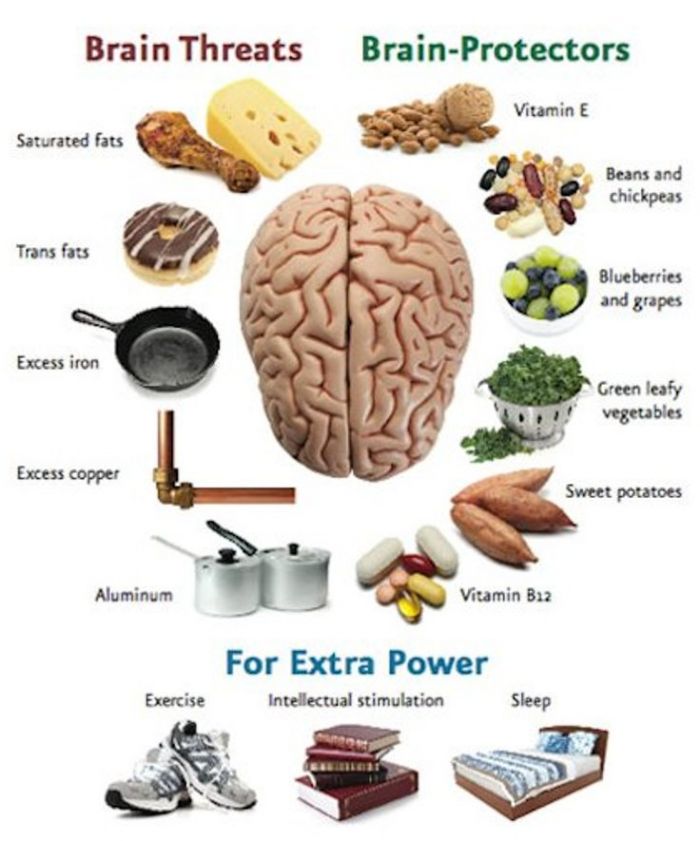
A healthy diet might be as good for your brain as it is for your heart. Eat fruits, vegetables and whole grains. Choose low-fat protein sources, such as fish, lean meat and skinless poultry. What you drink counts, too. Not enough water or too much alcohol can lead to confusion and memory loss.
Include physical activity in your daily routine
Physical activity increases blood flow to your whole body, including your brain. This might help keep your memory sharp. For most healthy adults, the Department of Health and Human Services recommends at least 150 minutes a week of moderate aerobic activity (think brisk walking) or 75 minutes a week of vigorous aerobic activity (such as jogging) preferably spread throughout the week. If you don't have time for a full workout, squeeze in a few 10-minute walks throughout the day.

Meditate and Focus on Yourself
Meditation is another mental exercise that is so important and beneficial for boosting our brains that must be mentioned as one of the best ways for improving our memory. Now, you must be thinking how you don't have enough time for all these exercises throughout the day, but we are not talking about spending 30 minutes in a candle lit room meditating a 5 minutes focus on your self would do the work. This is especially helpful right before some important event or meeting. Just make sure you get a couple of minutes to be alone, sit or lay down and take a deep breath, let it out, and continue to breathe deeply and slowly.

Manage chronic conditions
Follow your doctor's treatment recommendations for any chronic conditions, such as depression or kidney or thyroid problems. The better you take care of yourself, the better your memory is likely to be. In addition, review your medications with your doctor regularly. Various medications can impact memory.

Laugh often
Laughter causes multiple parts of your brain to light up, and the portions responsible for your memory are among them.
Laughing becomes even more beneficial when others are involved. Some studies suggest that socializing with friends, close relatives, and even pets can slow your overall rate of memory decline as you age.

Get organized
You're more likely to forget things if your home is cluttered and your notes are in disarray. Jot down tasks, appointments and other events in a special notebook, calendar or electronic planner. You might even repeat each entry out loud as you jot it down to help cement it in your memory. Keep to-do lists current and check off items you've completed. Set aside a certain place for your wallet, keys and other essentials.
Limit distractions and don't try to do too many things at once. If you focus on the information that you're trying to remember, you'll be more likely to recall it later. It might also help to connect what you're trying to remember to a favorite song or another familiar concept.

Nurture Healthy Relationships
Although relationships are a kind of a brain exercise, we had to talk about their importance separately. It is thought that healthy relationship are the ultimate brain booster as they stimulate our brains. Many researches have shown that having meaningful friendships and a strong support system are vital not only to emotional health, but also to brain health. This means we should socialize more volunteer, join a club, make it a point to see friends more often, or at least call them more frequently. Even getting a pet can help in building a healthy, loving relationship.

Take Enough Vitamin B
If you want to sharpen your senses and boost your memory you should definitely start taking enough Vitamin B, especially B6 which is essential for the manufacture of neurotransmitters, B12 which is good for brain enhancement and B12 which directly effects the health of the brain cells. Not to mention that B vitamins are needed to help the body form acetylcholine, a key brain chemical needed for memory.

Reduce stress.
Chronic stress does in fact physically damage the brain, it can make remembering much more difficult. After prolonged stress, the brain will start to become affected and deteriorate. Stress may never be completely eliminated from one's life, but it definitely can be controlled. Even temporary stresses can make it more difficult to effectively focus on concepts and observe things. Chronic stress can also cause long-term damage to the hippocampus, which is where memories are stored.
Try to relax, regularly practice yoga or other stretching exercises, and see a doctor if you have severe chronic stress as soon as possible.
Meditate for at least 15 minutes a day. This will help you slow down your breathing and relax, and it can improve your focus.
Reduce your caffeine intake. Caffeine can make you feel more anxious and stressed.
Give yourself a massage or get one from a friend. This will help your body loosen up.
Reduce stress by spending more time being social with your friends. Being a more social creature and talking to people more will also improve your memory.
Anxiety and depression can also make it difficult to concentrate and remember information. If you are struggling with clinical anxiety or depression disorders, you should work with your doctor to figure out a way to treat these conditions.

Eat well and eat right.
There are a lot of herbal supplements on the market that claim to improve memory, but none have yet been shown to be effective in clinical tests. A healthy diet, however, contributes to a healthy brain, and foods containing antioxidants -- broccoli, blueberries, spinach, and berries, for example -- and Omega-3 fatty acids appear to promote healthy brain functioning.
Feed your brain with such supplements as Thiamine, Niacin and Vitamin B-6.
Some of the suggested foods for your brain are green tea, curry, celery, broccoli, cauliflower, walnuts, crab, chickpeas, red meat, blueberries, and healthy fats (including organic butter, olive oil, coconut oil, nuts, avocado, and salmon or other fatty fish). Each of these foods contains antioxidants that may protect your brain and encourage the production of new brain cells.
Increase the amount omega-3 fatty acid you consume but decrease omega-6 fats. Omega-3 fats are usually found in salmon and similar animal sources, while omega-3 fats are typically found in processed vegetable oils.
You should also avoid sugars and grain carbohydrates since these foods can negatively affect your brain. Saturated fats and high-calorie foods are similarly believed to hinder your memory, especially in the long term.
Red wine may improve your memory when consumed in moderation. If you consume more than one glass a day as a woman or two glasses as a man, the alcohol can begin to impair your memory. In small amounts, though, the resveratrol flavonoid in wine can increase blood and oxygen flow to the brain. Grape juice, cranberry juice, fresh berries, and peanuts are said to provide a similar effect.
Grazing, or eating 5 or 6 small meals throughout the day instead of 3 large meals, also seems to improve mental functioning (including memory) by limiting dips in blood sugar, which may negatively affect the brain. Make sure it's healthy stuff.

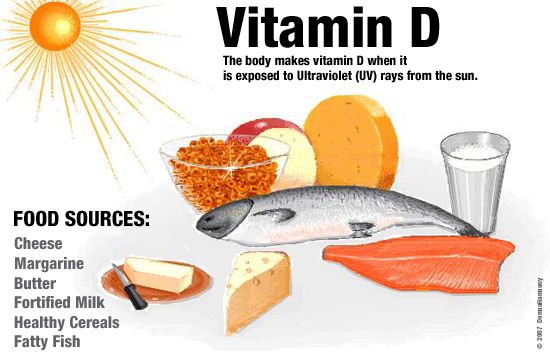
Try increasing your vitamin D intake.
Studies suggest that low vitamin D may be associated with decreased cognitive performance. When vitamin D receptors in your brain are activated, the nerve growth in your brain increases. Some of the metabolic pathways for vitamin D are located in areas of the brain responsible for forming new memories.
While too much sunlight can cause skin damage, a moderate amount can provide all the vitamin D needed by the average adult.
Vitamin D3 supplements are other alternative methods of getting adequate vitamin D.