

The true story of Anneliese Michel remains more disturbing than the horror films it later inspired
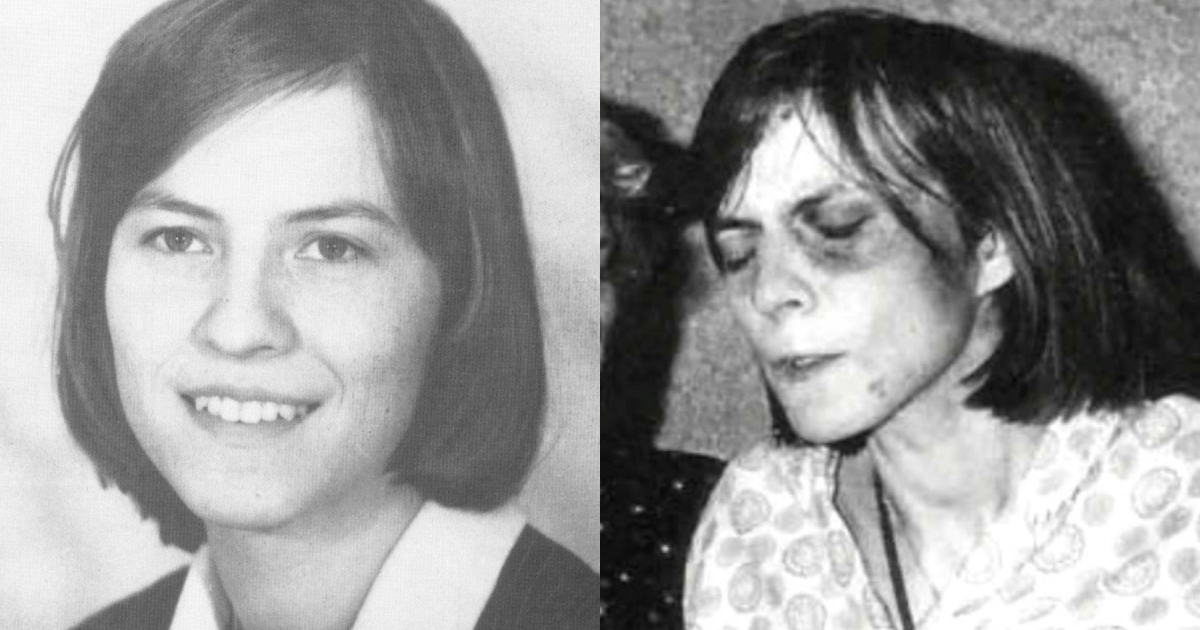
Why The Real Story Of The 'Possessed' Girl Behind A Famous Hollywood Exorcism Movie Is Far Darker Than The Film
By
maks in
Movies & TV
On 4th March 2026
advertisement
Horror movies often promote themselves by claiming they are based on real events. However, in the case of Anneliese Michel, the real story behind the film inspiration is far more disturbing than the movie that came from it.
In many situations, real-life events carry a level of tragedy that films struggle to capture. That is certainly the case with the story of Anneliese Michel, a young woman from Germany who grew up in a deeply religious Catholic household.
Her tragic experiences later inspired the film The Exorcism of Emily Rose. The movie explores the struggles she faced and the controversial events that unfolded during the final years of her life.
The 2005 movie became a commercial success at the box office. The story follows a defense lawyer, played by Laura Linney, who represents a parish priest portrayed by Tom Wilkinson.
The priest faces charges of negligent homicide after performing an exorcism on a 19-year-old student named Emily Rose. The trial becomes the center of the film’s narrative.
Despite the film’s dark tone, the real-life events surrounding Michel were even more troubling. She was raised under intense religious expectations and was subjected to a total of 67 exorcisms during her life. Along with her three sisters, she lived in a strict and isolated environment. The girls had no close friends, and much of their daily routine involved prayer and religious practices.
advertisement
When Anneliese reached the age of 16, her life began to change in ways that alarmed the people around her. She started falling into strange trances and began wetting the bed.
She also experienced unexplained blackouts. These episodes left doctors confused because they struggled to identify a clear cause.
Family members and those close to her found the trances unsettling. However, these early symptoms turned out to be only the beginning of the difficulties she would face.

At the time, Anneliese’s condition stumped doctors
Anneliese Michel/Facebook
The strange symptoms continued for some time. It was not until 1970 that doctors discovered a clear medical issue affecting her health.
Michel was hospitalized with tuberculosis, a bacterial infection that spreads through small droplets released when an infected person coughs or sneezes.
While she began recovering from the illness, Michel reported that the voices she heard in her head were becoming stronger and more frequent. The reason behind these experiences remained unclear to both her family and medical professionals.
advertisement
By 1973, Michel started suffering from epileptic seizures. These episodes were accompanied by intense hallucinations, and she described seeing frightening images she referred to as 'devil faces'.
Over time, Michel became convinced that she was possessed by the devil. Witnesses also described unusual and disturbing behavior. Some claimed she licked urine from the floor and removed her clothing during episodes.
Because of these events, members of the clergy eventually concluded that exorcism rituals were necessary. In total, 67 exorcisms were carried out on the young woman.
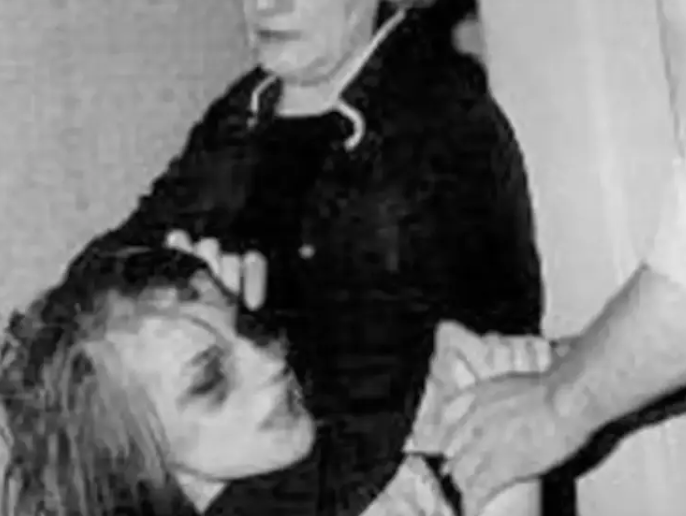
Anneliese died in 1976 July
Anneliese Michel/Facebook
advertisement
The first of these rituals began in September 1975. During that initial session, the exorcism reportedly suggested that at least six demons were present inside Michel’s body.
During the ceremonies she was restrained for long periods of time. Despite these efforts, her condition did not improve.
Michel eventually stopped eating and her physical health rapidly declined. Her body began to shut down, and she developed bruises and sores across much of her body.
advertisement
In July 1976, Anneliese Michel died from severe malnutrition and dehydration. After her death, legal action followed.
Her parents and the priests involved in the exorcisms were found guilty of negligent homicide. However, the court issued suspended prison sentences rather than sending them to jail.
Today, many experts believe Michel’s tragic case was the result of untreated mental illness and medical conditions that were never properly addressed.