

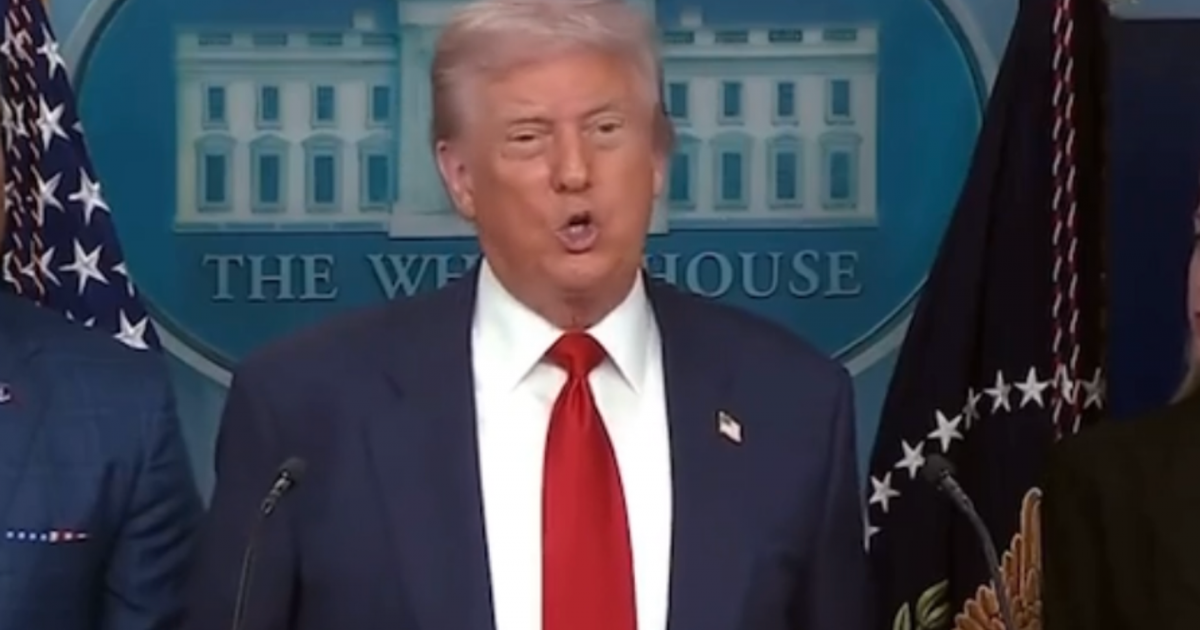
Trump has authorized the National Guard to patrol the streets of Washington, D.C., for the next month
advertisement
Donald Trump’s latest announcement about policing in the U.S. has been labeled “evil” by critics, with some now calling for his impeachment.
The president revealed a sweeping plan aimed at what he claims is spiraling crime in Washington, D.C., speaking on Monday (August 11) after meeting with officials to discuss making the capital “safer and more beautiful.”
Trump made it clear there would be no “Mr Nice Guy” approach. His plan involves aggressive measures to clear the streets, including an immediate order for homeless residents to “move out IMMEDIATELY.”
"Before the tents, squalor, filth, and Crime, it was the most beautiful Capital in the World. It will soon be that again," he wrote on Truth Social. The statement quickly raised concerns that he might bring in the National Guard for a forceful crackdown, similar to what happened recently in Los Angeles during immigration raid protests.
Those fears were confirmed when Trump declared a “public safety emergency” in Washington. He described the city as a “sanctuary for illegal alien criminals” plagued by “lawlessness” and claimed it has become “one of the most dangerous cities in the world,” even comparing homicide rates to cities like Bogotá and Mexico City.
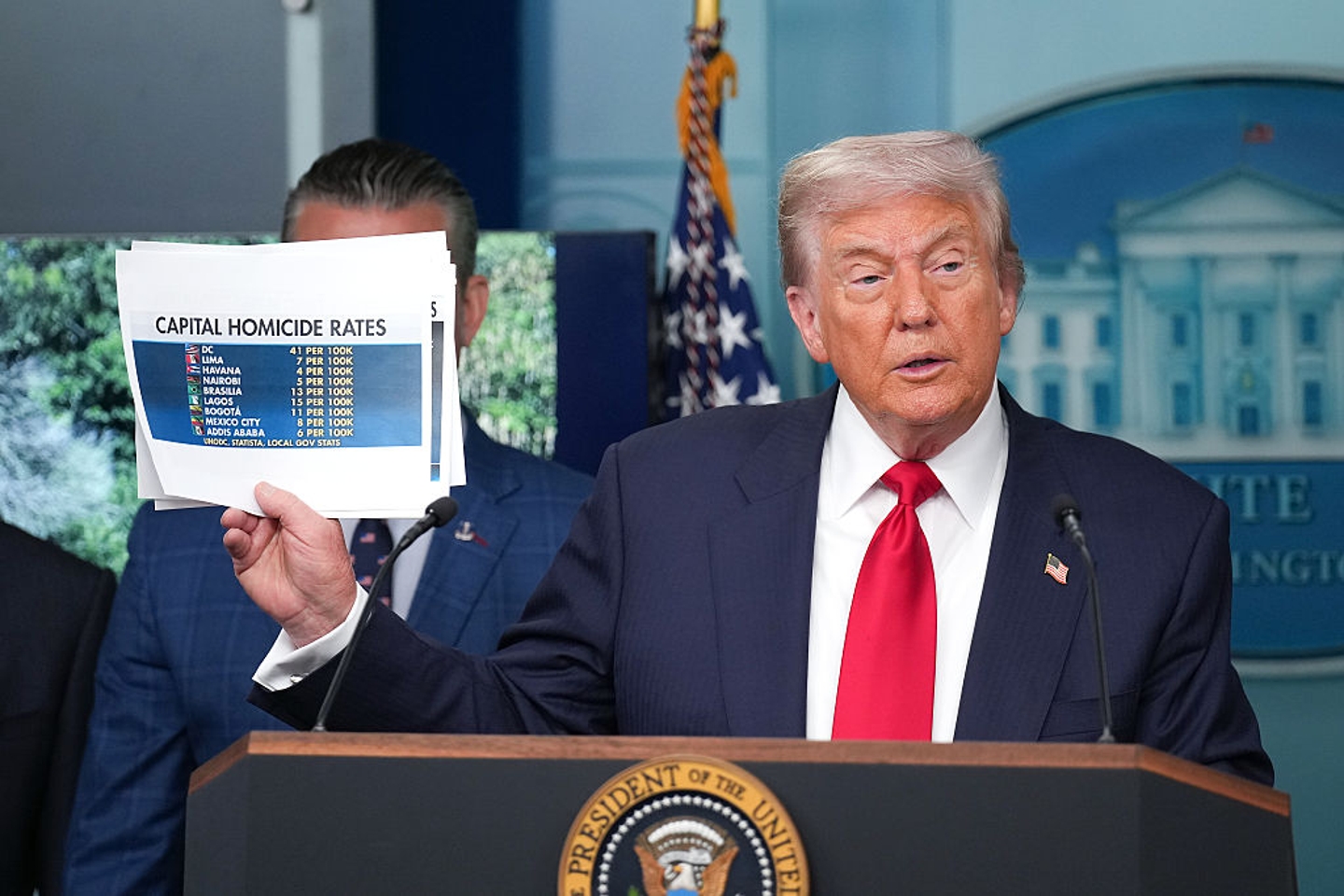
Trump citied out of control homicide rates in the capital
Andrew Harnik/Getty Images
advertisement
'Unsettling and unprecedented'
Despite his claims, official data shows violent crime in D.C. is at a 30-year low. Still, the 79-year-old invoked section 740 of the District of Columbia Home Rule Act, announcing a federal takeover of the Metropolitan Police Department.
What drew even sharper criticism was his suggestion that officers could now “do whatever the hell they want” when facing hostility in the city.
During a press conference, Trump said: "That's the only language they [alleged criminals] understand. They like to spit in the face of the police. You spit, and we hit, and they can hit real hard."
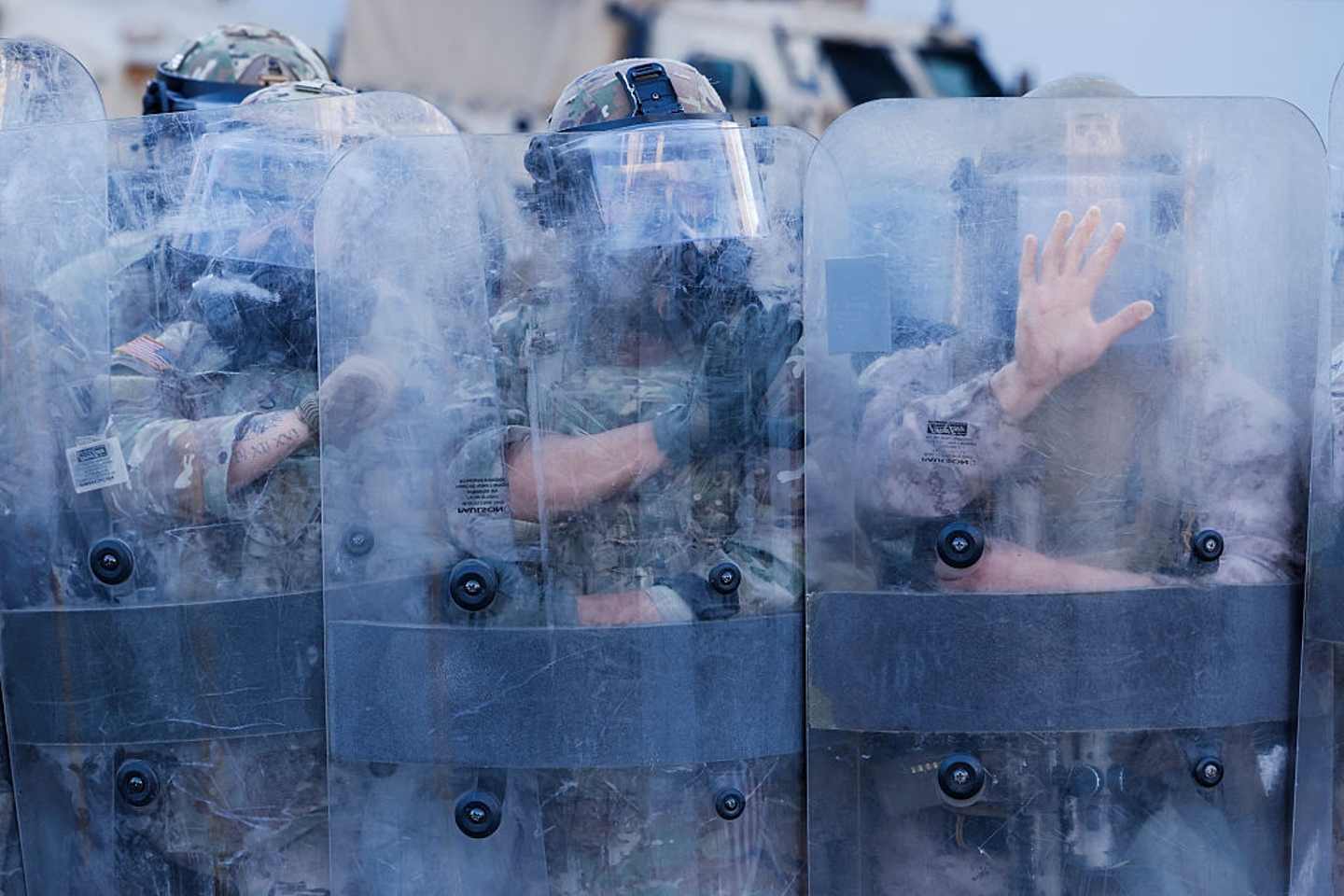
The National Guard was deployed in Los Angeles last month
Carlin Stiehl / Los Angeles Times via Getty Images
"It's a disgusting thing, I've watched that for years - police are told, 'don't do anything' and people are spitting in their face and they're not allowed to do anything, but now they are allowed to do whatever the hell they want."
Washington, D.C., Mayor Muriel Bowser reacted to the move on Monday, saying: "While this action today is unsettling and unprecedented, I can't say that, given some of the rhetoric of the past, that we're totally surprised."
advertisement
'Not a slippery slope, a road map'
On Reddit, local residents voiced alarm over the announcement, calling it a dangerous shift. One user wrote: "The Trump police state is upon us."
"Wow, what an evil b***ard. F*** you, Trump voters," a second person added.
"What a failure, impeachment immediately," another comment read.
advertisement
Others expressed worry that this approach edges the U.S. closer to police state–style violence against its own citizens.
"Trump is normalizing the idea that police are so routinely the victims of physical abuse that they need extra special permission to break some skulls."
"At NO POINT have police been told, 'you have to let citizens spit on you.' It's simply not a thing that has ever happened. To use it as justification to crank up state violence is a taking."
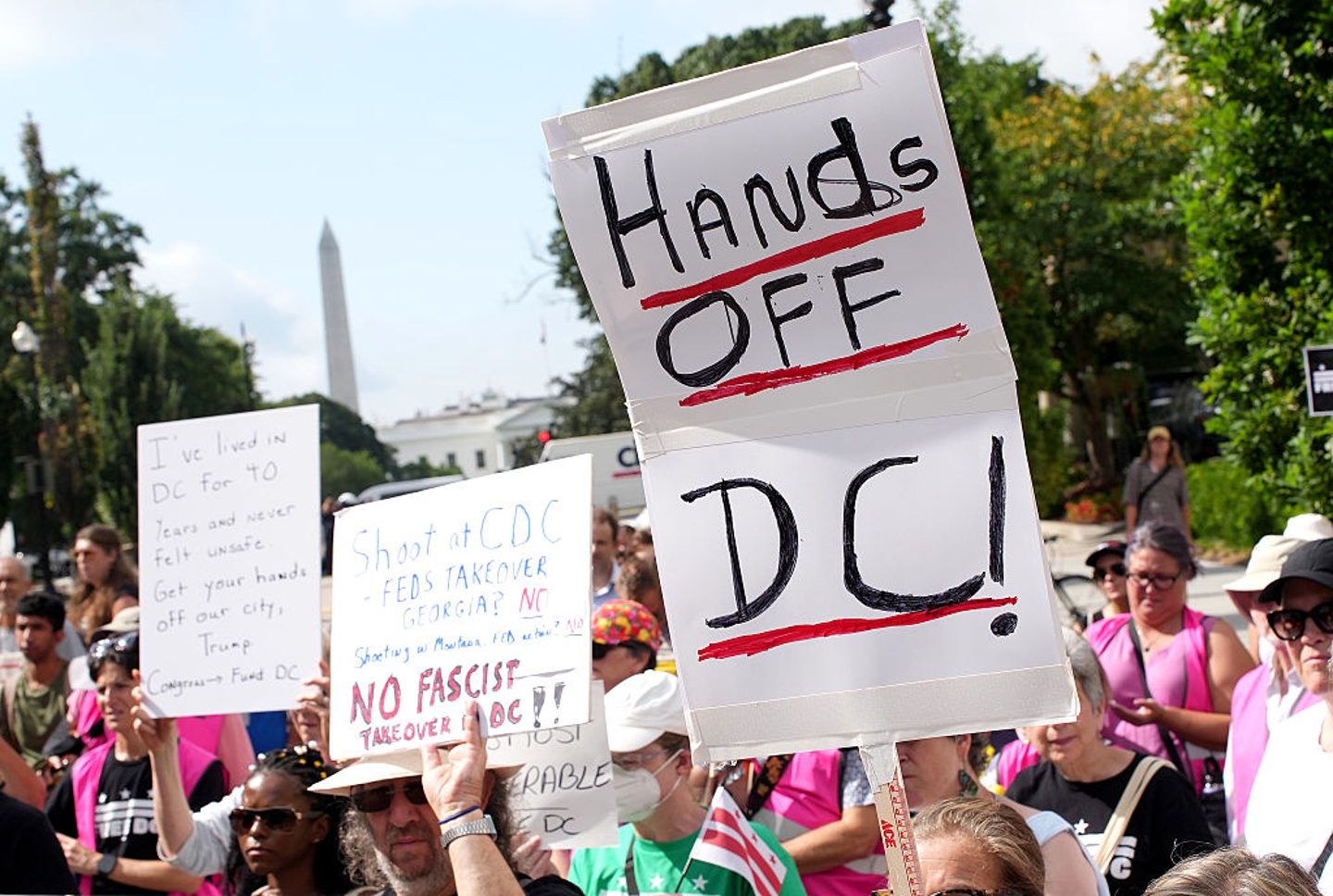
Dozens are protesting the plan already
Kevin Dietsch/Getty Images
advertisement
"It's not a slippery slope. It's a road map," they continued. Despite the backlash, Trump insisted his decision was necessary, calling it “historic action” meant to “rescue” Washington from “crime, bloodshed, bedlam and squalor and worse.” He added: "This is liberation day in DC and we're going to take our capital back."
The order will remain in place for 30 days, with 800 National Guard troops deployed throughout the city.
advertisement
Did Trump break the law by using the National Guard to suppress LA protests?
This latest move comes as a federal court in San Francisco hears arguments over whether Trump acted illegally in June by deploying the National Guard to California during immigration protests.
In June, 5,000 National Guard members were sent to Los Angeles, with 300 still stationed there today. It was the first time in six decades that a president had taken such action without the consent of a state governor.
advertisement
Judge Charles Breyer noted the court must determine “whether the military was used to enforce domestic law, and if so, whether there continues to be a threat that it could be done again.”
In a legal filing, the State of California argued: “it simply is not the law that Defendants may deploy standing armies to the streets of California while California is powerless to do anything about that clear violation of the most fundamental principles of our Nation’s founding.”
The Trump administration, however, contends that the National Guard’s deployment is fully supported by existing statutes.