

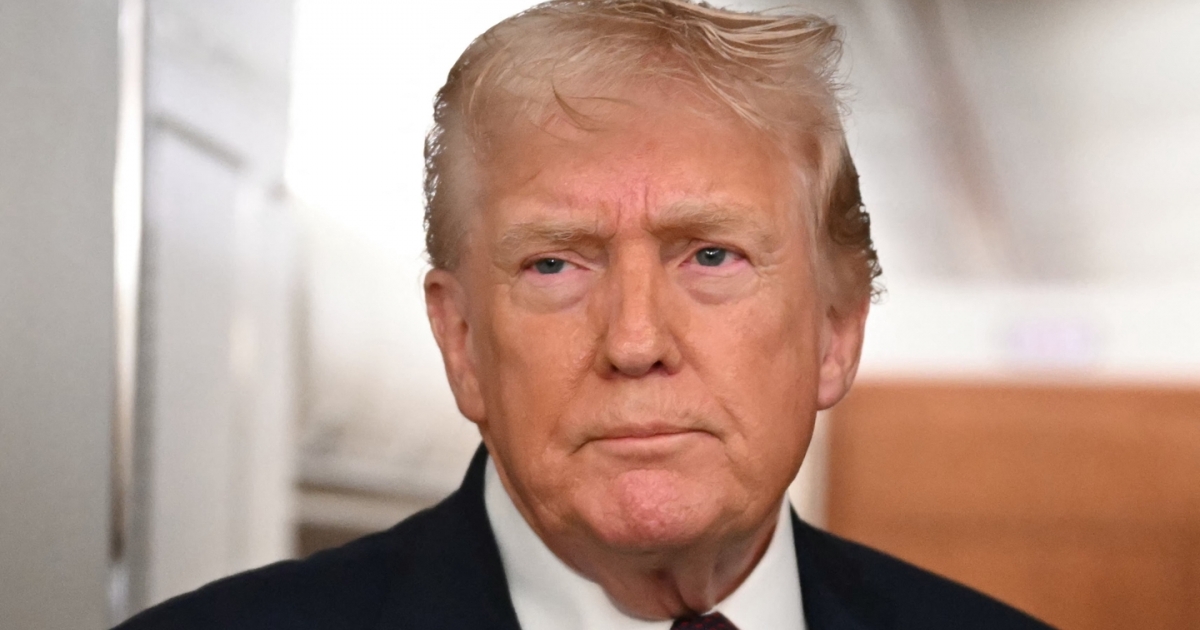
Trump made the blunt claim on Monday while warning that a loss could leave the country facing massive financial consequences
advertisement
Donald Trump openly shared his concerns on Monday, admitting that the United States would be “screwed” if he loses the upcoming Supreme Court decision tied to his tariff policy.
The court has been asked to rule on whether the president has the authority to impose sweeping global tariffs, specifically those introduced last year as part of Trump’s broader trade strategy.
"The actual numbers that we would have to pay back if, for any reason, the Supreme Court were to rule against the United States of America on Tariffs, would be many Hundreds of Billions of Dollars, and that doesn't include the amount of 'payback' that Countries and Companies would require for the Investments they are making on building Plants, Factories, and Equipment, for the purpose of being able to avoid the payment of Tariffs," Trump wrote while laying out the potential financial consequences in a long post shared on Truth Social.
"When these Investments are added we are talking about trillions of dollars! It would be a complete mess, and almost impossible for our Country to pay."
Since beginning his second term in the White House, Trump moved forward with wide-ranging tariffs under the International Emergency Economic Powers Act.
The 1977 law allows presidents to take economic action during declared national emergencies, which Trump invoked by pointing to ongoing US trade deficits.
Using that authority, he targeted more than $150 billion in imports from countries including China, India, Canada, and members of the European Union.
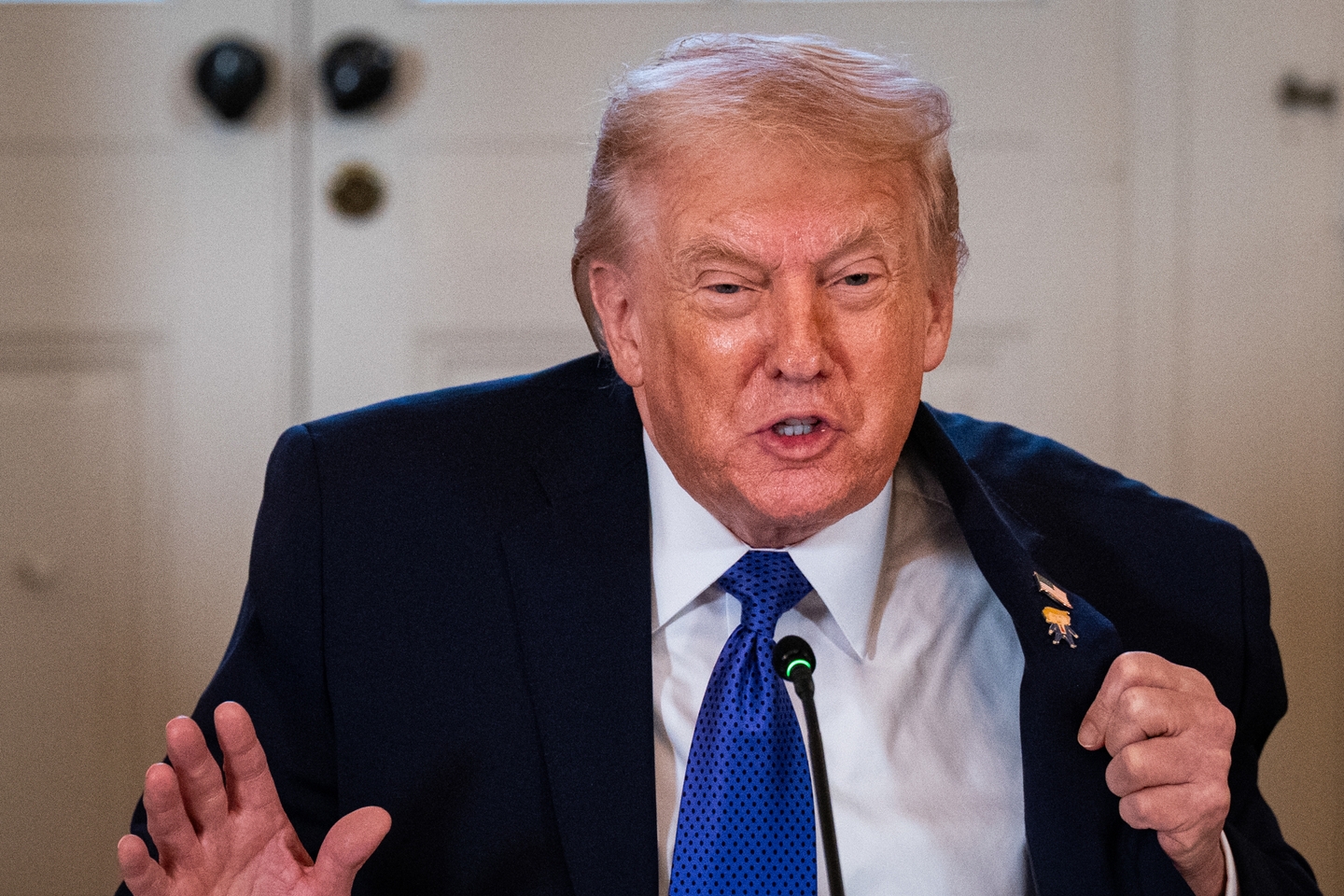
Trump shared his fears that it could cost the US a lot should the Supreme Court rule against him
Al Drago/Bloomberg via Getty Images
advertisement
The tariffs were framed by the administration as a “reciprocal” approach meant to push trading partners toward fairer deals.
Trump also argued the measures would encourage companies to move manufacturing back to the United States instead of relying on foreign production.
However, the size of the tariffs and the political logic behind them sparked strong backlash, especially as even smaller nations were hit.
Consumers and businesses in the US also felt the impact through higher import costs, supply chain disruptions, and added pressure on relationships with long-standing allies.
Another major point of criticism centered on Trump’s decision to bypass Congress when putting such a significant trade policy in place.
That move angered lawmakers across party lines and triggered a wave of legal challenges against the administration.
More than 1,000 lawsuits were filed, including cases brought by some of the largest importers operating in the country.
In May 2025, the U.S. Court of International Trade ruled the tariffs unlawful, a decision later upheld by the Federal Circuit in August.
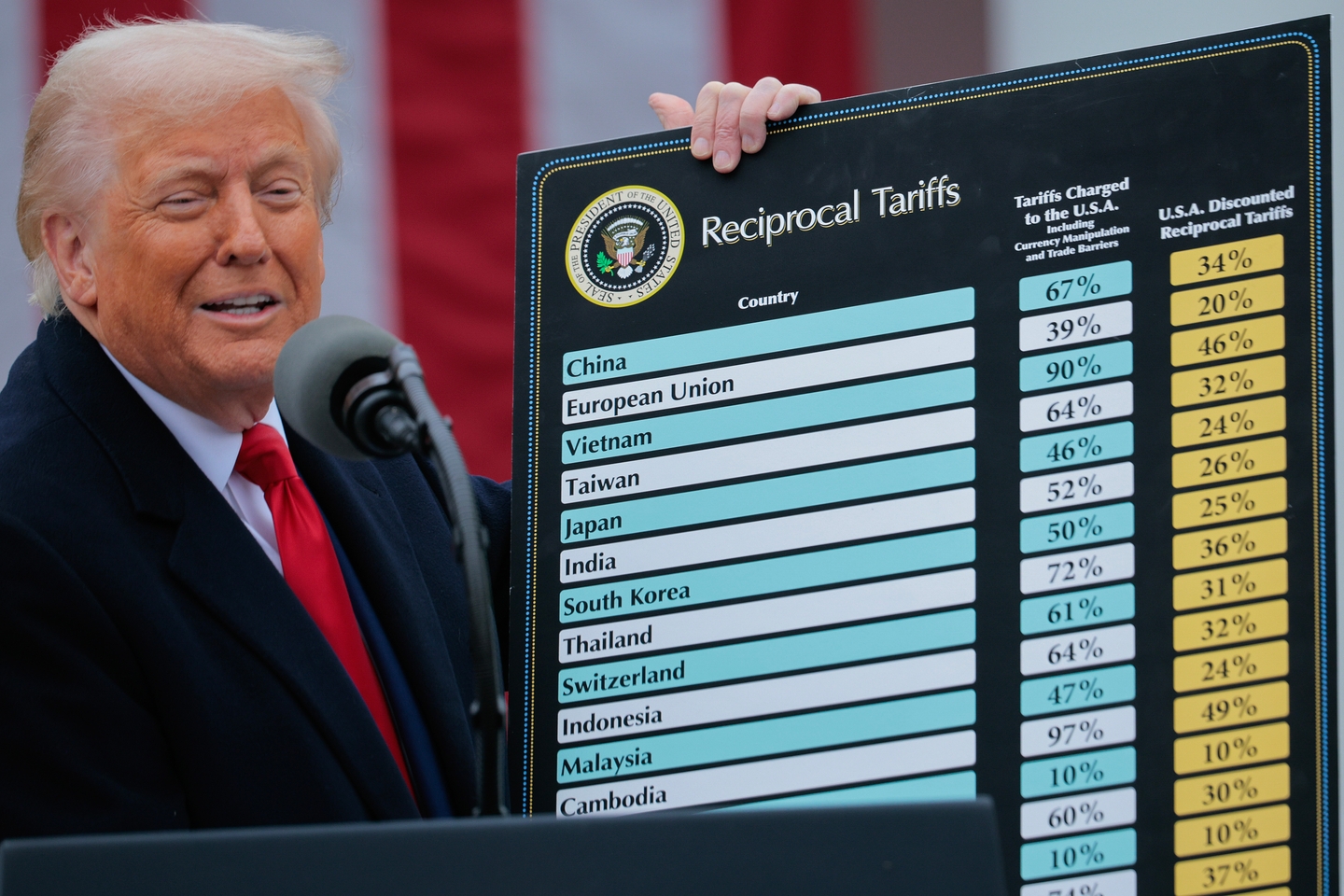
Trump unveiled the global tariffs last April
Chip Somodevilla/Getty Images
advertisement
The dispute was then taken to the Supreme Court, which was expected to issue a ruling on Friday.
No decision was delivered on that day, leaving the issue unresolved for now.
"Anybody who says that it can be quickly and easily done would be making a false, inaccurate, or totally misunderstood answer to this very large and complex question," Trump said as he continued to comment on the uncertainty surrounding the case.
"It may not be possible but, if it were, it would be Dollars that would be so large that it would take many years to figure out what number we are talking about and even, who, when, and where, to pay."
advertisement
"Remember, when America shines brightly, the World shines brightly. In other words, if the Supreme Court rules against the United States of America on this National Security bonanza, WE'RE SCREWED!"