

Investigators believe the babies may have been thrown into a sewage tank known locally as ‘the pit’
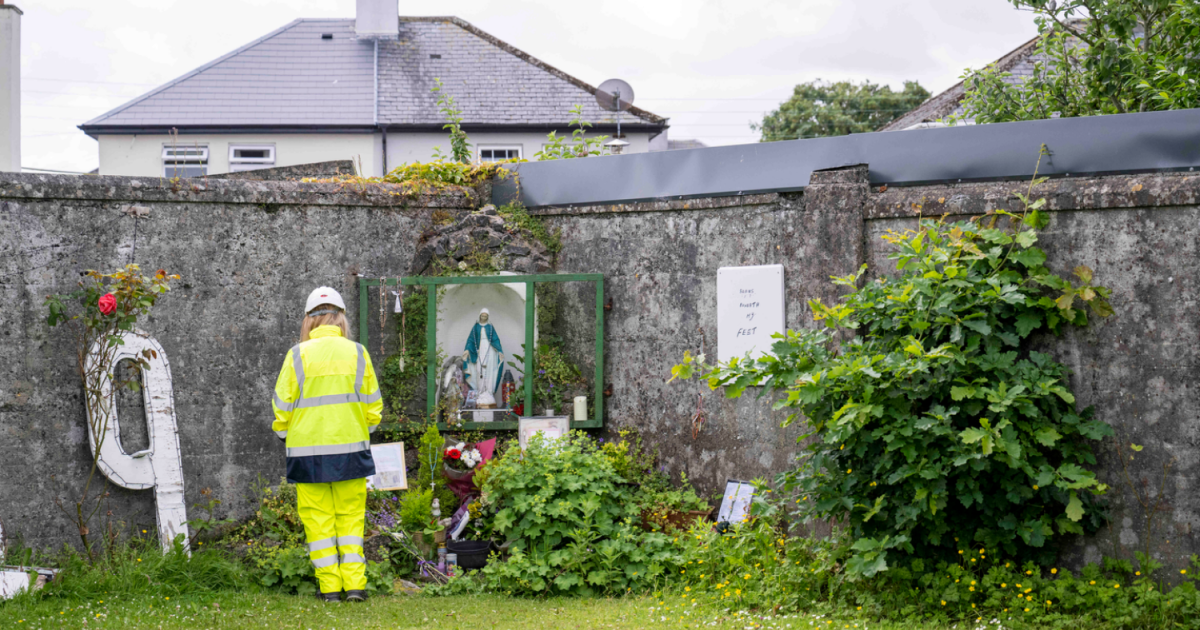
Forensic Experts Search For Remains Of Nearly 800 Babies At Site Of Former Irish Institution
By
Khadija Pervez in
News
On 17th June 2025
advertisement
A forensic team is currently at work excavating a site in Ireland, hoping to recover the remains of nearly 800 babies and young children believed to have died decades ago.
This long-awaited dig is unfolding at the grounds of what was once a 'mother and baby home' located in Tuam, County Galway. The institution shut down more than sixty years ago, but its dark legacy has continued to haunt many in the country.
Local historian Catherine Corless, whose determined research brought this story to light, uncovered that as many as 798 children had died at the facility. These deaths occurred between 1925 and the home's closure in 1961, a period when unmarried mothers faced deep stigma and harsh treatment.
According to Corless, many of those children were not given proper burials. Instead, they may have been discarded into what was once a sewage tank, now grimly referred to as 'the pit'.
Out of the 798 children who are believed to have died at the institution, only two were buried with dignity in a nearby cemetery. The rest were never given gravestones or coffins, and are thought to be buried together in an unmarked mass grave on the property.
Her shocking discovery back in 2014 sent ripples through Ireland and beyond. It exposed a troubling chapter in the country's past, where the Catholic Church’s teachings excluded so-called 'illegitimate' children from baptism and Christian burial, reinforcing societal shame.
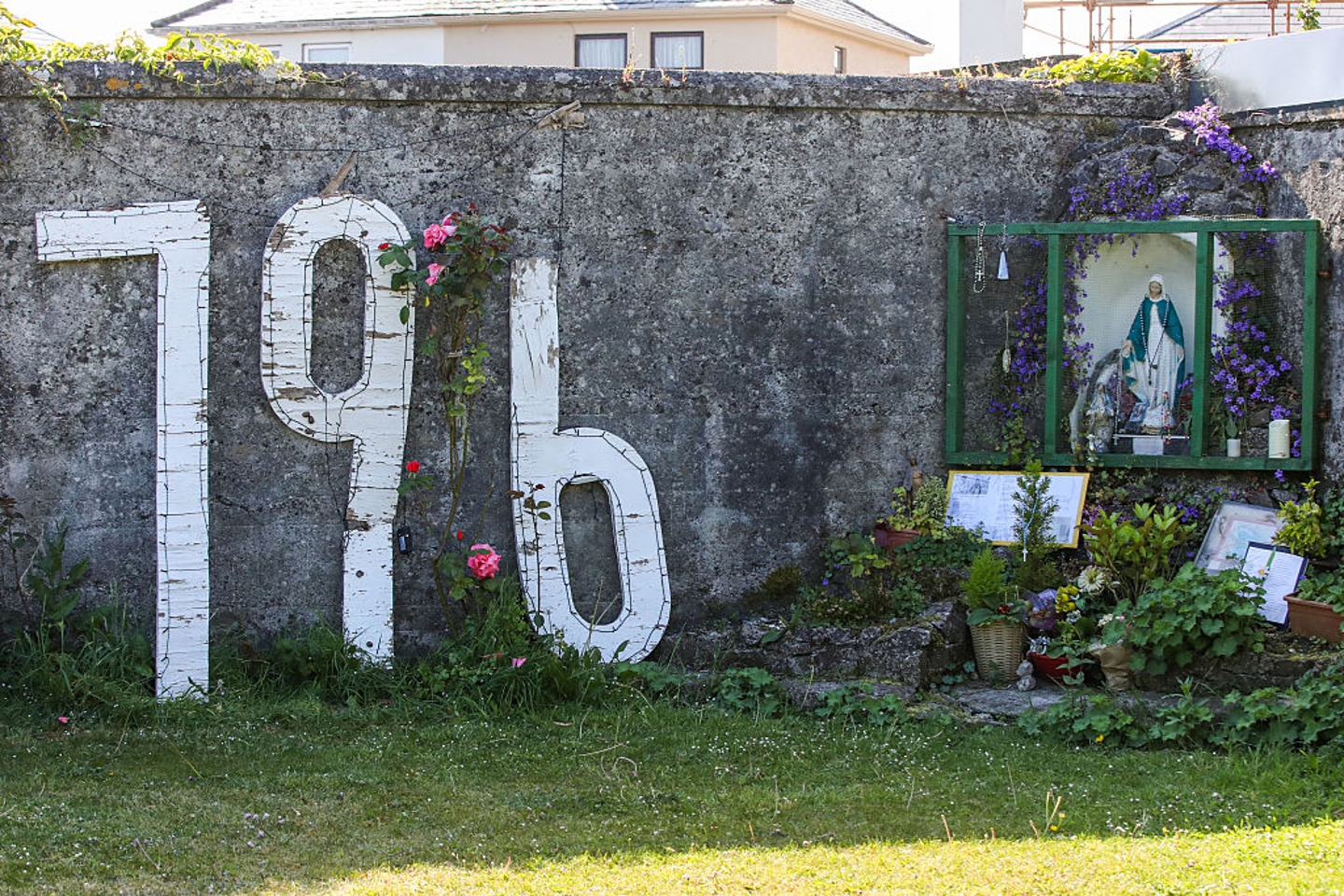
A memorial for the 796 stands on the site that will now be excavated
PAUL FAITH/AFP via Getty Images
advertisement
There had been signs of something sinister decades earlier. Back in 1975, two boys—just 12 years old at the time stumbled upon a septic tank. It was reportedly packed with human remains. But those bones were dismissed back then as leftovers from the Irish Famine of the 1840s.
"I'm feeling very relieved." Corless shared in an interview with Sky News before the start of the excavation, which experts estimate could take up to two years to finish.
"It's been a long, long journey. Not knowing what's going to happen, if it's just going to fall apart or if it's really going to happen."
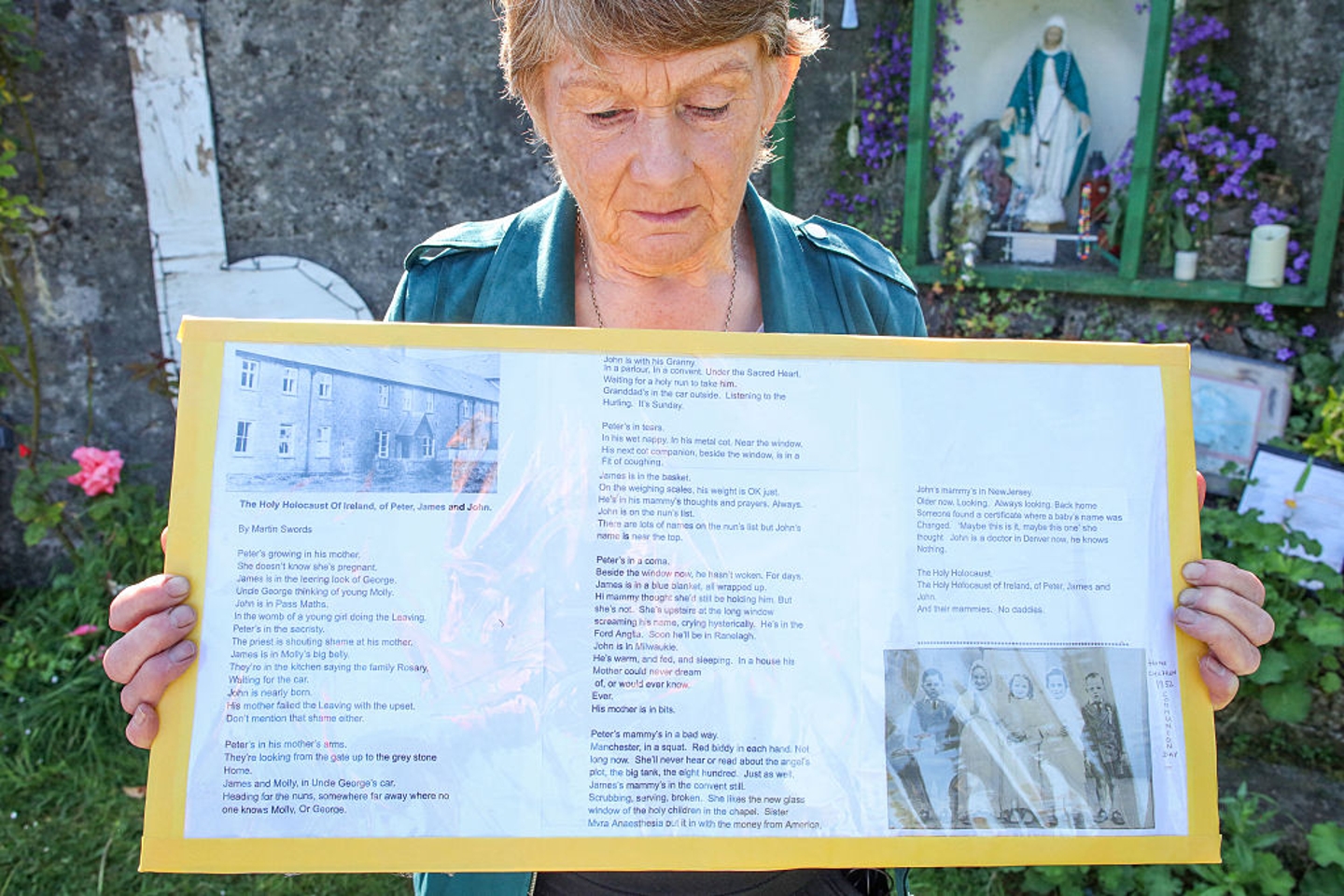
Catherine Corless has been campaigning for the dig since her research a decade ago
PAUL FAITH/AFP via Getty Images
St Mary’s, the institution at the center of this investigation, was run by Catholic nuns. It operated during a time when having a child outside marriage was seen as deeply shameful. These homes were meant to take in women in that situation, but often subjected them to harsh conditions.
Over the years, Ireland had at least ten such institutions. In total, around 35,000 unmarried women passed through them. Many mothers were permanently separated from their children, while others had their babies placed for adoption against their will.
Death records from the Tuam facility list illnesses such as measles, tuberculosis, and severe malnutrition as causes. These diseases were widespread back then. But a 2021 inquiry revealed that these homes had extremely high infant death rates. Across 18 homes, more than 9,000 children died—an alarming and deeply tragic figure.
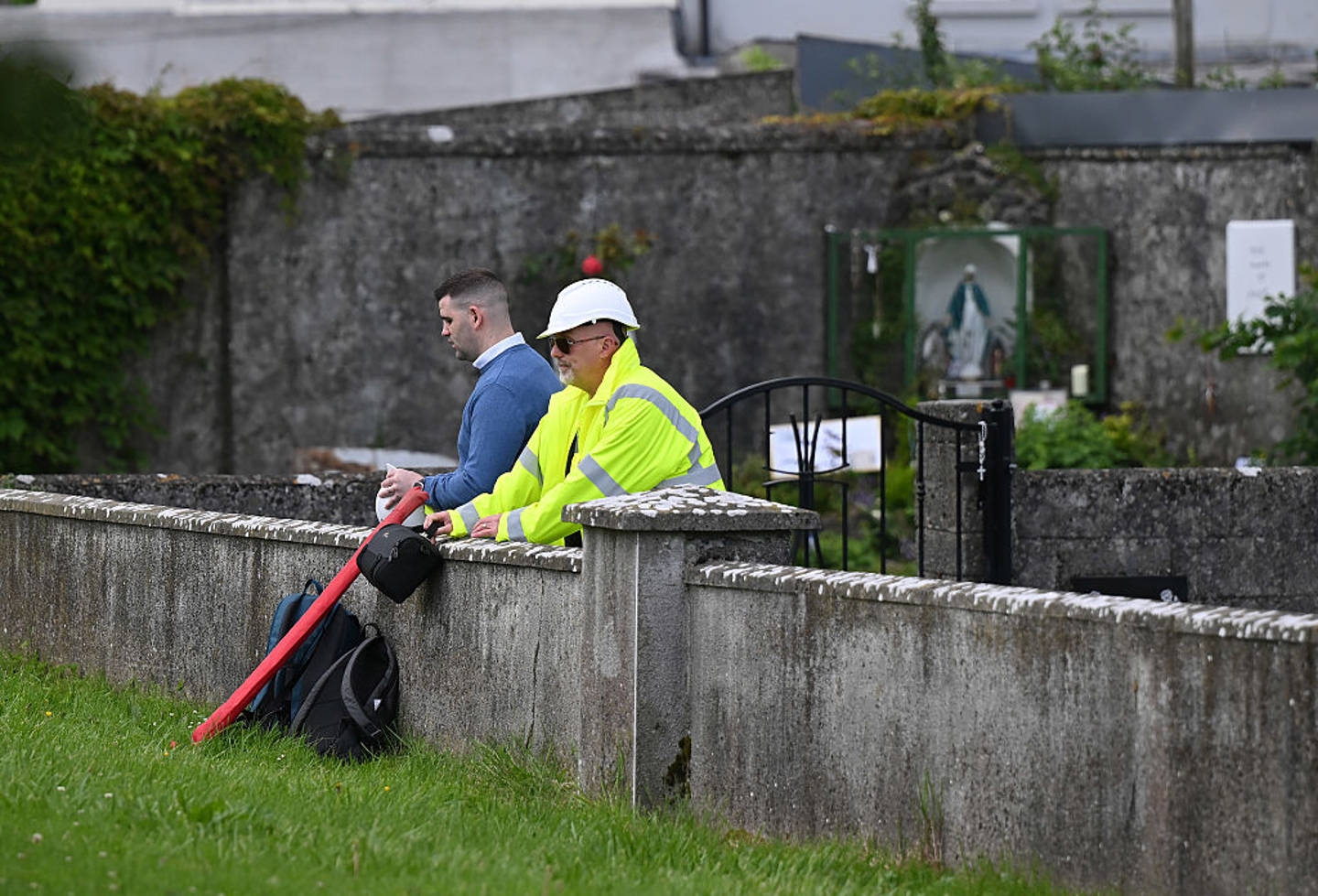
Workers have already started the work to dig up the grounds
Charles McQuillan/Getty Images
advertisement
The inquiry eventually led to an official apology from the Irish government. Then-Taoiseach Micheal Martin acknowledged that the nation had a broken attitude toward sexuality and human intimacy at the time. He said that young mothers and their children suffered greatly because of it.
The Sisters of Bon Secours, the religious order of nuns who operated the Tuam home, also issued a formal apology. They expressed their deep regret, acknowledged the harm done, and offered financial compensation to those affected.
They also admitted that many children were buried at the site in ways that were completely disrespectful and simply not acceptable by any standard.
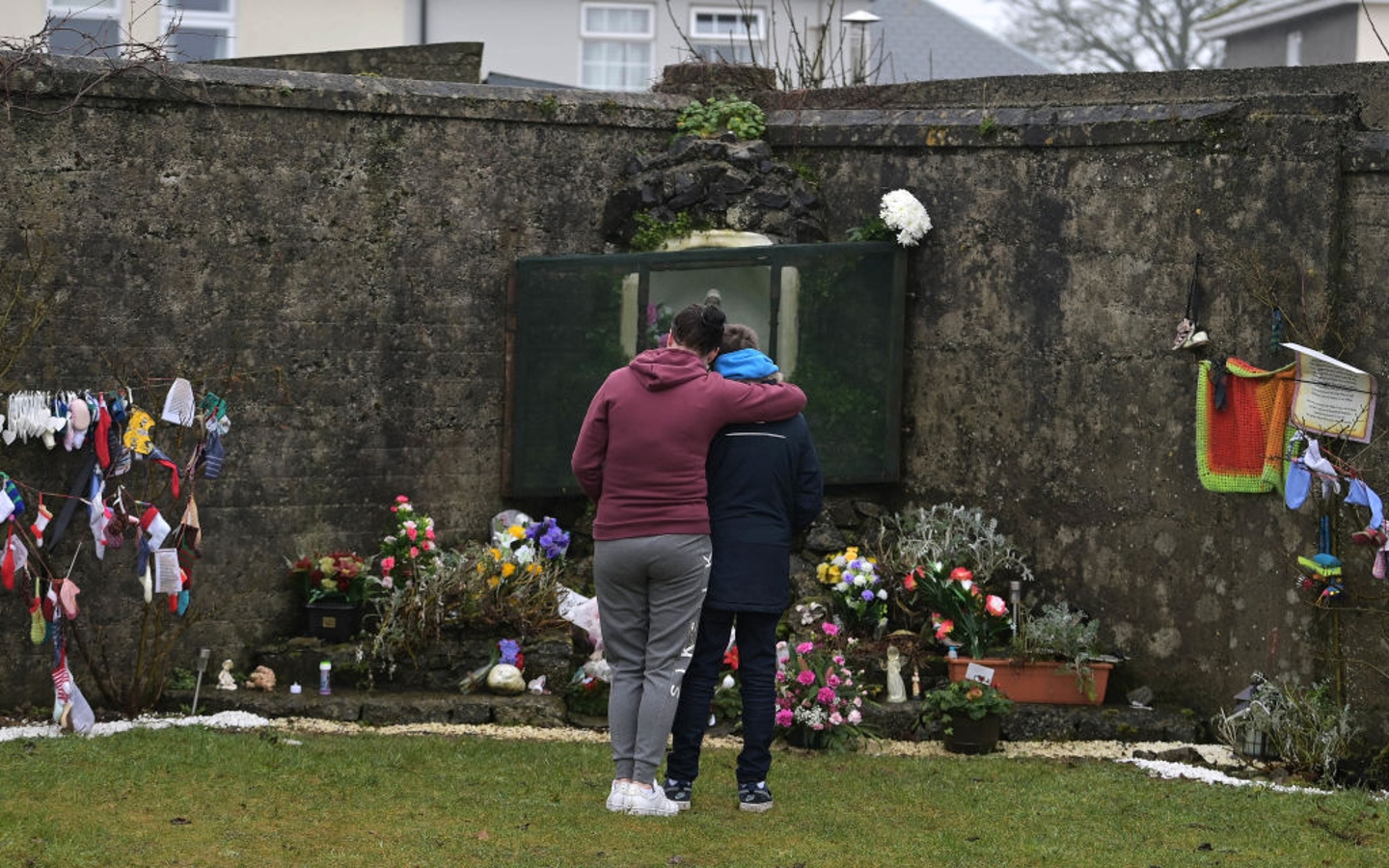
The local community has been rocked by the findings
Charles McQuillan/Getty Images
advertisement
Corless stated: "The church preached to look after the vulnerable, the old and the orphaned, but they never included illegitimate children for some reason or another in their own psyche."
"I never, ever understand how they could do that to little babies, little toddlers. Beautiful little vulnerable children."
With the excavation now underway, the focus is on trying to identify the remains using DNA testing. The ultimate goal is to give every one of those children the respectful burial they were denied so long ago.