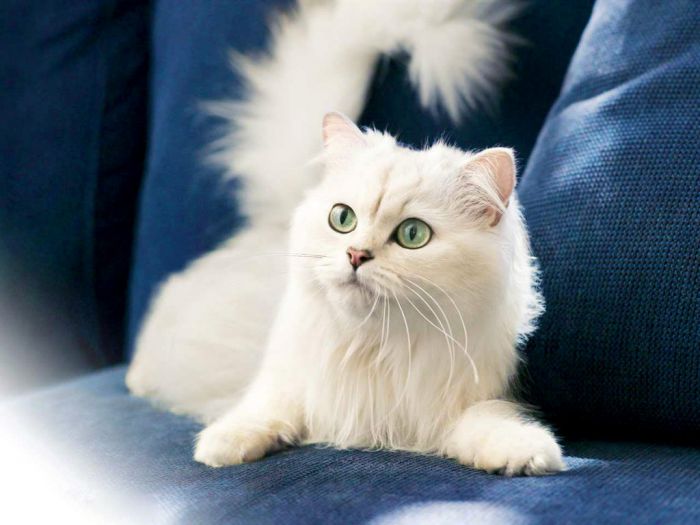
Turkish Angoras are one of the ancient, natural breeds of cat, having originated in central Turkey, in the Ankara region (historically known as Angora).
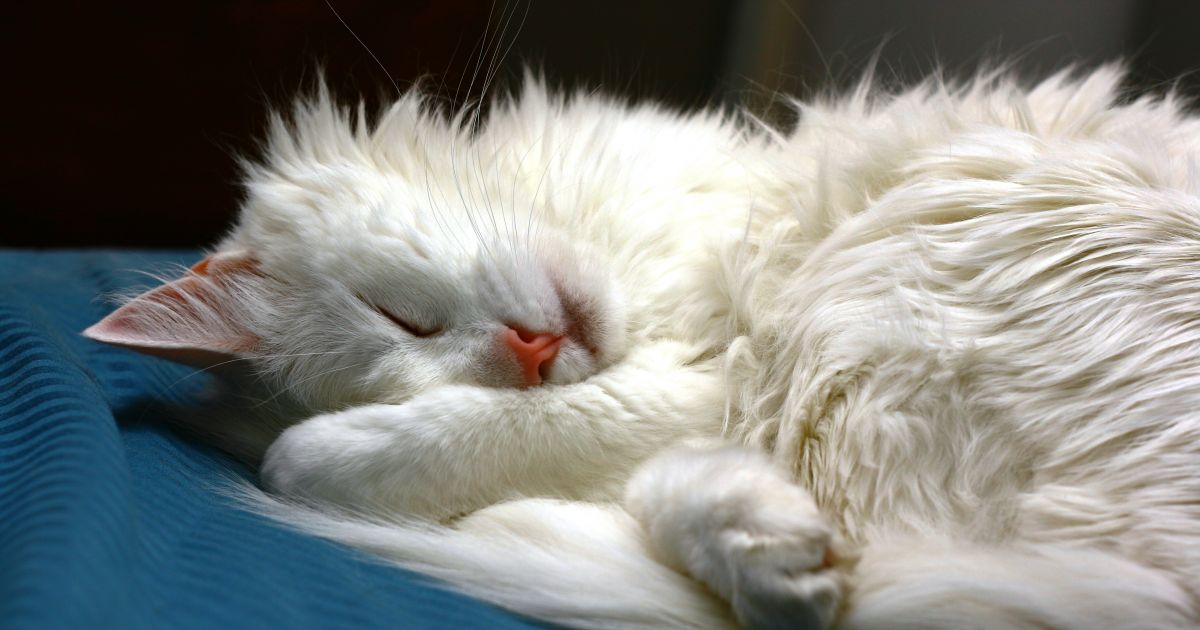
Turkish Angora Cats: One Of The True Icons Of The Cat World
By
Editorial Staff in
Nature
On 23rd January 2016
advertisement
The Turkish Angora cat is an ancient, naturally occurring breed, originally from the Angora or Ankara region of Turkey. They are classic, elegant and wonderful companions.
In the 16th century Turkish Sultans presented these beautiful cats to French and English nobility as diplomatic gifts of friendship
The gifts were greatly appreciated as Turkish Angoras were most likely the first long-haired cats ever seen in Europe.
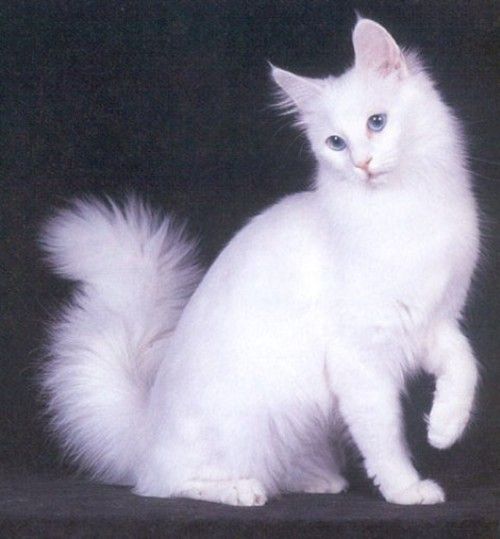
Angoras became wildly popular among the European elite
and were symbols of status, particularly in France and Germany, until Persian cats arrived with an even fuller coat and more exotic appearance.
advertisement
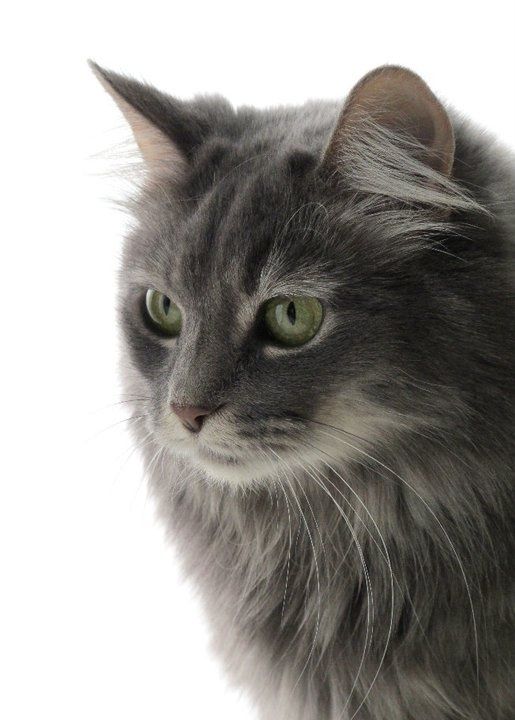
Although the name "Angora" is sometimes used to describe any long-haired cat
the true Turkish Angora is quite a different cat from the Persian, both in body style, head structure and personality.
The head is angular with no snub to the nose, the structure is slim, agile and long-limbed, and the personality is alert, busy and very cat-like.
Lean, lithe and athletic, the Turkish Angora will happily take to your lap, but would like a little activity first, and definately enjoys the outdoors.
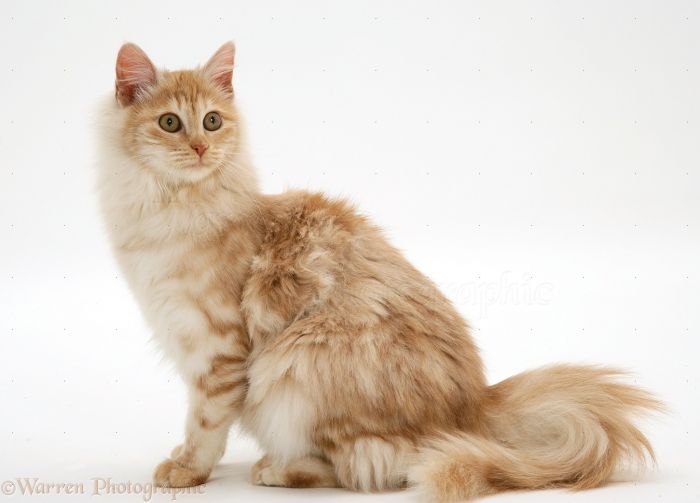
In addition to being more active and a little less cuddly than the Persian
the Angora cat requires much less grooming. The coat is silky and straight and has no undercoat so only moderate but regular attention is required, and the time required still needs to be considered.
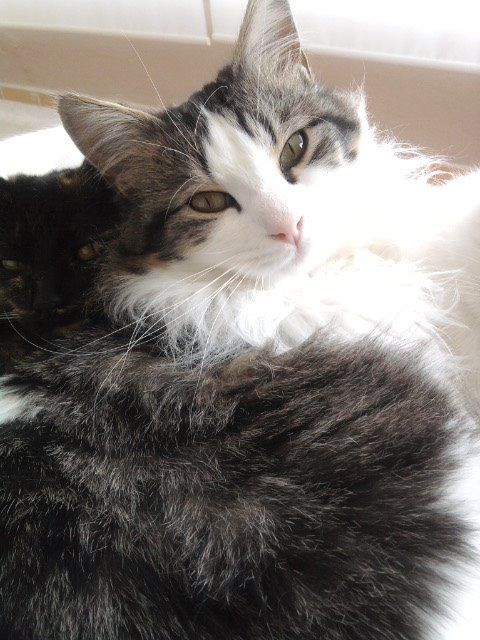
Sometimes a little shy, always gentle and eternally gorgeous, the Turkish Angora is one of the true icons of the cat world.
advertisement
The Turkish Angora is a naturally occurring breed from the "old country"
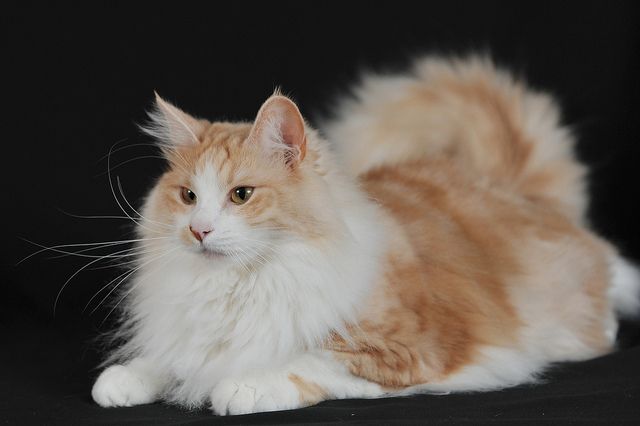
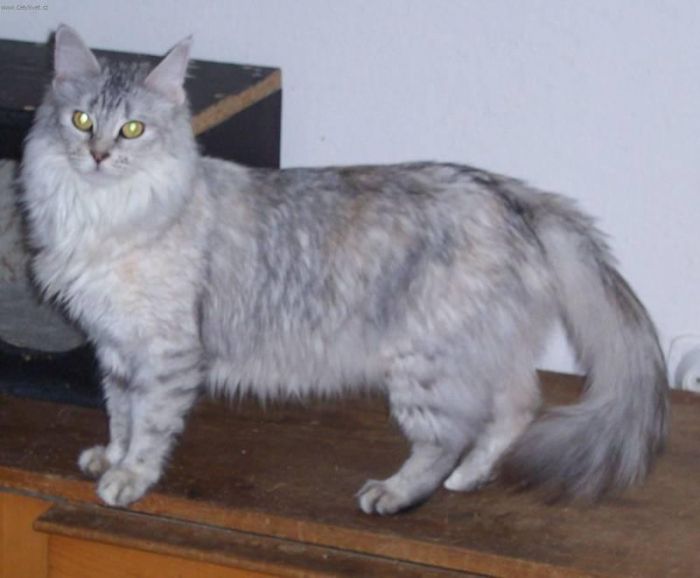
with traces of its line going back several millennia. Medium in size with a long, svelte, well-balanced body, it is the very picture of grace. Long is the adjective that best typifies this cat breed. The Angora has a long body, long, slim legs, long tail, long coat, large ears and wide eyes. It is a dainty cat, with fine bones, a slim chest, and a super soft coat that belies its hardiness.
advertisement
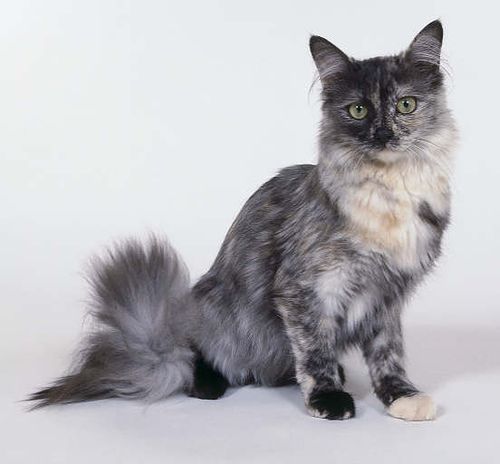
It is renowned most for its gorgeous, long, silky coat which seems to shimmer when it moves.
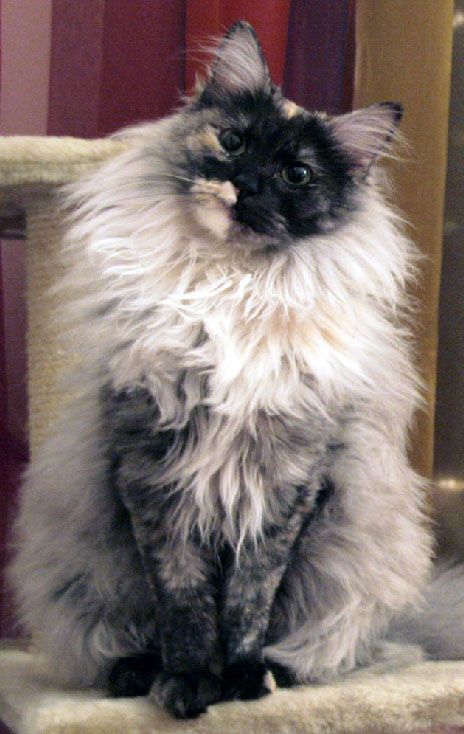
The coat is single layered only, which makes the Angora a breeze to groom. The length of the coat is dictated by season. The hair thins out in the warm months, when the Angora takes on more of a shorthair appearance, and in the cold months the coat grows in thicker and longer, the britches and mane fluff up fully, and the tail becomes more posh. But, because it has only one coat, there is no need for worrying about matting, as happens with longhaired double coated cats.
advertisement
Turkish Angora fanciers are as attached to their cats as their cats are to them.
Angoras seem to invoke strong responses in their humans with their symmetry, intelligence, and devotion to their humans. Angoras bond with their families completely; an Angora is not happy unless he is right in the middle of whatever you're doing. They enjoy a good conversation and can keep up their end of the discussion with the best of them. Angoras are good-natured, but determined. Once an Angora gets an idea into his head, you might as well just give in and spare yourself the lengthy argument.
advertisement
Angoras have a great need to play and enjoy playing a good-natured joke on their favorite humans every now and then.
They can be mischievous and action-packed when they're in the mood. Angoras love practicing their pounce on scraps of paper or unsuspecting human toes, whatever catches their fancy. When in movement, which is most of the time, Angoras seem to flow with the grace of dancers. Highly intelligent, Angoras are problem solvers that like to be in control of their surroundings; they will only tolerate being held for a few minutes before jumping down to bat at sunbeams and chase feathers. They'll stay in the room, though, so you can watch their antics admiringly.
advertisement
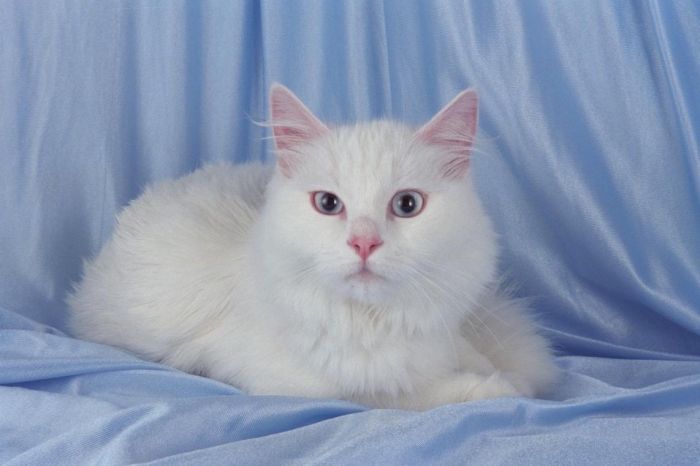
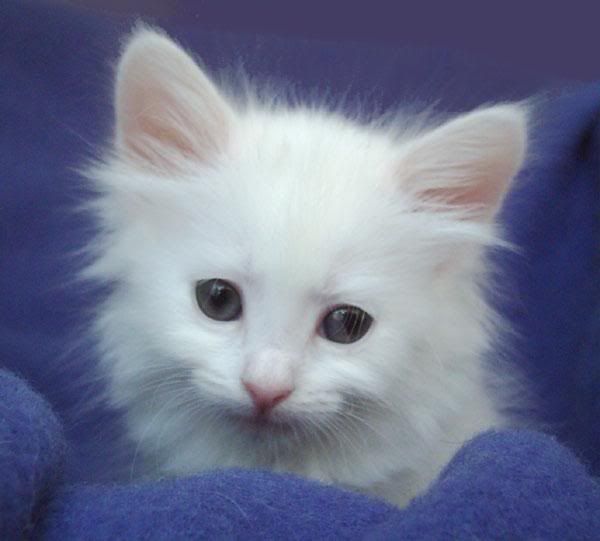
While pure white Turkish Angoras have been the norm for many years
Angoras in other colors are becoming increasingly popular. As is true of any breed, the pure white, blue-eyed Angora can be born partially or totally deaf. This is not a defect of the Angora breed itself, but rather a defect in the dominant W gene that produces white coat color and blue eyes in felines. This gene has been linked to a form of degenerative, hereditary deafness that affects the organ of Corti in the cochlea of the ear. Odd-eyed Angoras will generally be deaf in only one ear, on the blue-eyed side. While hearing-impaired Angoras must be kept out of harm's way, they otherwise enjoy life just as much as their hearing siblings and adapt to their hearing loss remarkably well.
advertisement
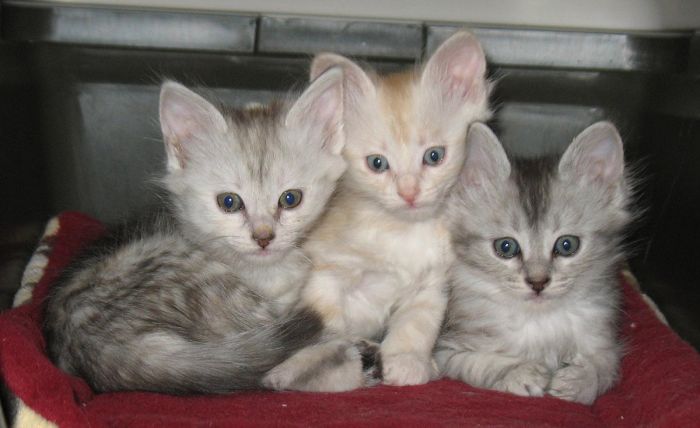
Turkish Angora kittens are busy and active, but tend to be thoughtful and gentle too.
They are, however, so curious and playful they may put themselves in dangerous situations until they learn their limitations.
Kitten-proofing is definitely recommended for anyone considering adopting or purchasing any kitten.
High furniture should be off limits, caution should be taken when holding these little youngsters, particularly when carrying them across hard wood or tile floors, and spaces under counters and doors should be blocked off, as they have a very strong urge to explore.
In Appearance, the Turkish Angora kitten looks a bit different from an adult.
They tend to be rounder and fluffier when in their first weeks, and then go through a bit of a gangly, teen-age stage at around five months, before becoming the ravishing creatures they were destined to be at about one year old.
advertisement
Beautiful and elegant on the surface
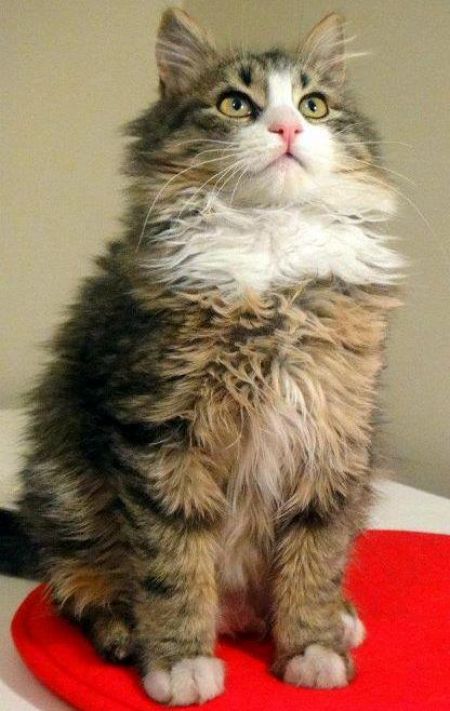
the Turkish Angora can surprise an unsuspecting owner with his athleticism and intelligence. No bookcase is too high for him to reach the top, and no closed door is safe from being opened by his questing paws. While he certainly can have lovely manners, the Turkey, as he is sometimes nicknamed, has an active, boisterous side to his nature, with a cleverness that makes him endlessly entertaining. He likes to play and will do whatever is necessary to get and keep your attention, even if it means getting into a little trouble.
advertisement
The Angora keeps his kittenlike playfulness well into old age.
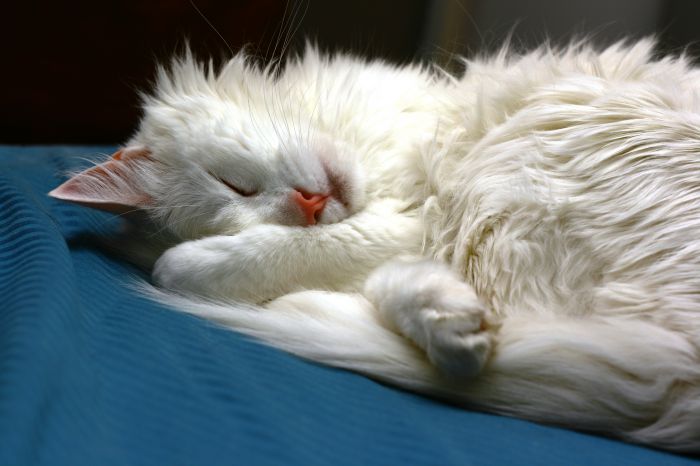
He is friendly toward guests but loves his own people best. This is a sociable breed who is best suited to a home where he will have another cat or a dog to keep him company if people aren't home during the day. When you are home, the Angora may drape himself across your shoulders or settle comfortably into your lap. At night you're likely to find him next to you with his head resting on your pillow.
To live happily with a Turkey
you should have a sense of humor that matches his own, as well as a good store of patience. Once he gets an idea into his head, it can be difficult to change his mind about how he should behave, but he is so charming that you probably won't care. If you will, it's best to consider another breed. This is an affectionate, gentle cat who is devoted to his family, but his precocious intelligence, resourcefulness, desire for interaction and play, and short attention span may make him a challenge to live with.
advertisement
Turkish Angoras are generally healthy
but solid white cats with one or two blue eyes are prone to deafness in one or both ears. Other problems that have been seen in the breed are ataxia and hypertrophic cardiomyopathy.
Ataxia is a fatal neuromuscular disorder that affects very young kittens at 2 to 4 weeks of age. Careful screening has greatly reduced the incidence of the disease.
Hypertrophic cardiomyopathy is a form of heart disease that causes the heart muscle to enlarge. It is found in pedigreed and non-pedigreed cats. Turkish Angoras are one of the breeds that may be affected by this disease.