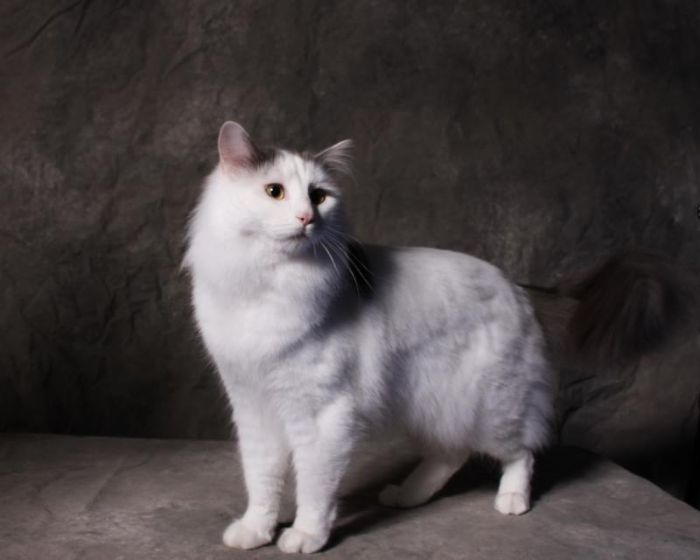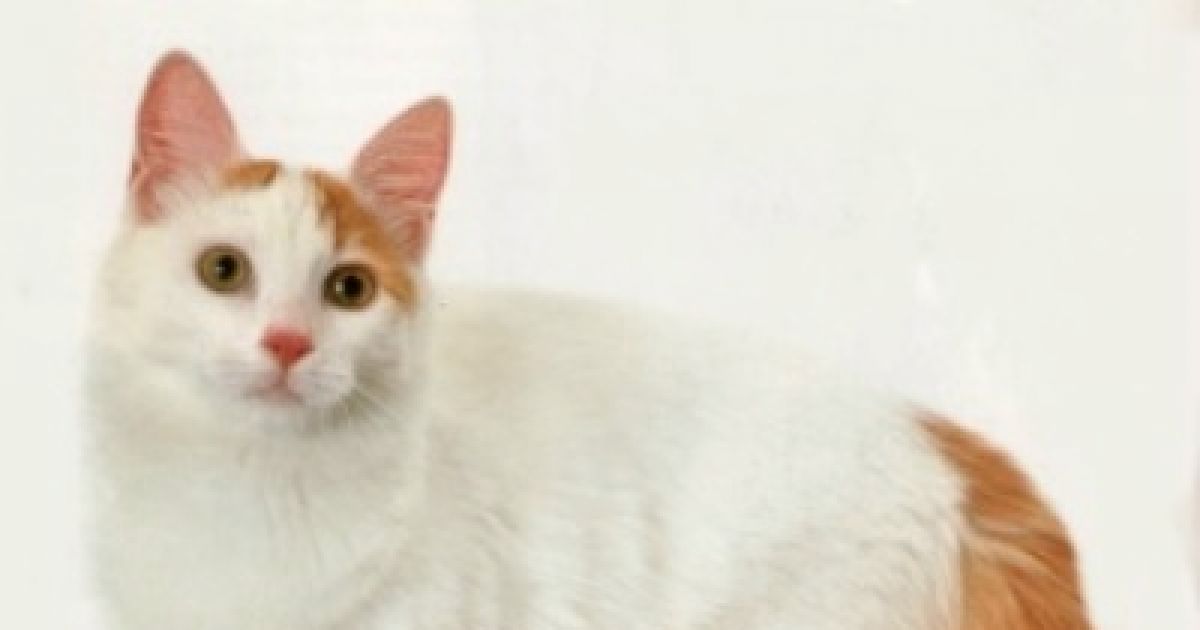
Known as the swimming cat for his propensity to play in bodies of water—or at least to enjoy splashing his paws in it. The Turkish Van is an ancient breed thought to have originated in the Lake Van area of Turkey
advertisement
The Turkish Van is a natural breed
and has probably existed in his homeland for centuries. Legend has it that he swam ashore from Noah's ark, which tradition says landed on Mount Ararat in Turkey, not far from Lake Van
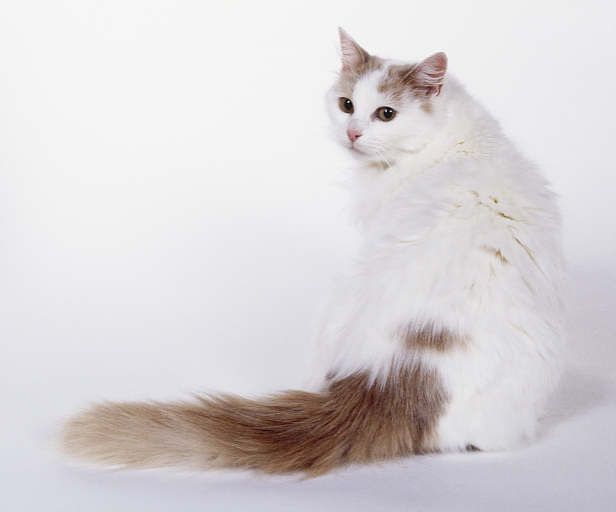
The Turkish Van has a very long, colorful and romantic history.
This beautiful cat breed is depicted in the middle ages, from insignia on Roman shields to their likeness found even earlier stamped on Hittite coins. Ancient spiritual stories take them back further still, residing on Noah's Ark and marked by Allah with the auburn coloring on their heads.
advertisement
Despite its recognition and popularity today
the Van Cat is a very ancient breed. It is named for Lake Van located in the country of Turkey. So named because it was in this region where they were more recently discovered. In 1955 two British photographers, Sonia Halliday and Laura Lushington, acquired two kittens while visiting the region and returned with them to Britain. Cat fanciers began to take notice and in 1969 the Turkish Van Cats became fully recognized in Britain where it is known as the Turkish Cat.
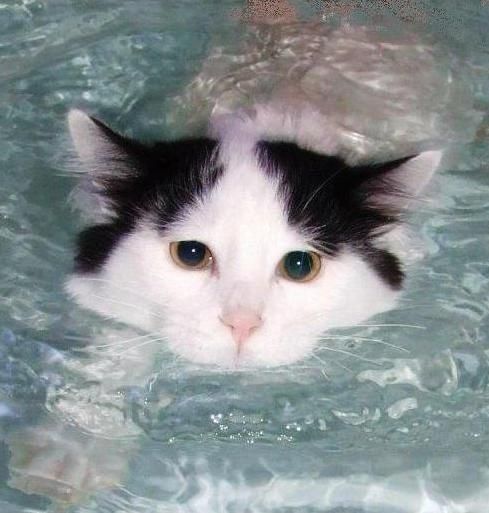
In his homeland, the beautiful, semilonghaired Turkish Van is considered a regional treasure, for good reason.
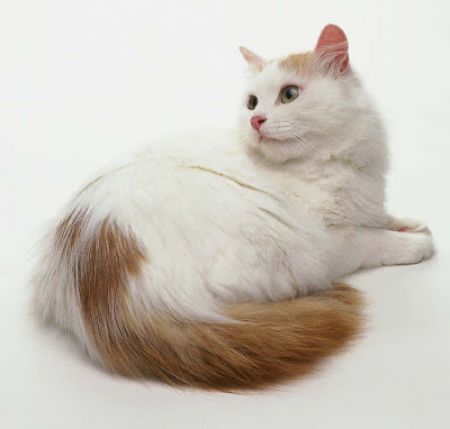
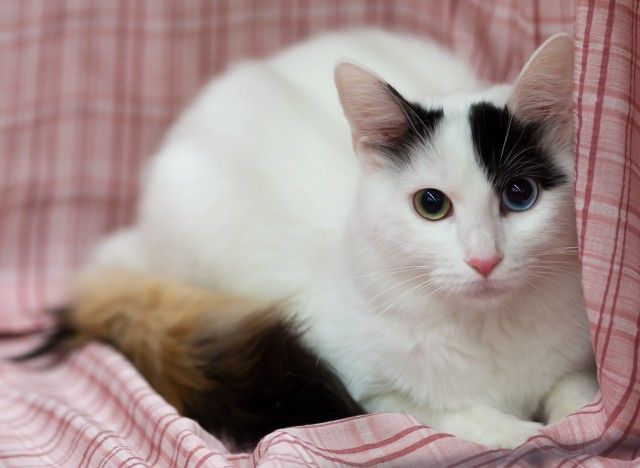
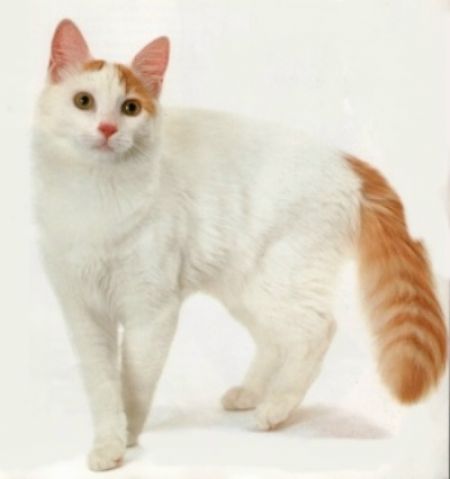
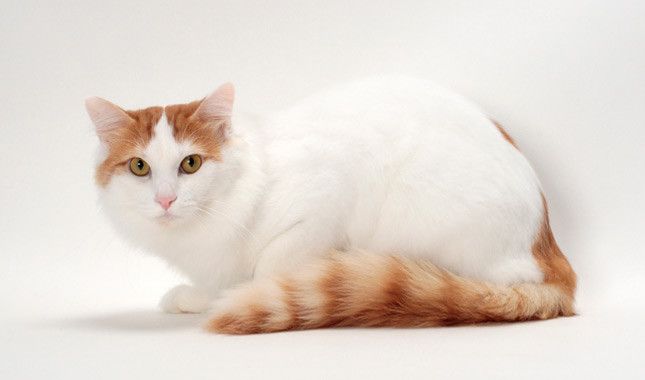
He stands out for his distinctive "van" coloration--white with color on the tail and head--blue, gold or odd eyes, his proclivity for water, and his large, heavily built body. The Van is sometimes confused with his cousin the Turkish Angora, but the two are very different in size, coat and other characteristics. The Van is a large cat, with females weighing seven to 12 pounds, males 10 to 20 pounds. The breed doesn't reach full maturity until three to five years of age, but it lives for 13 or more years.
advertisement
How did the Van come by his spots of color?
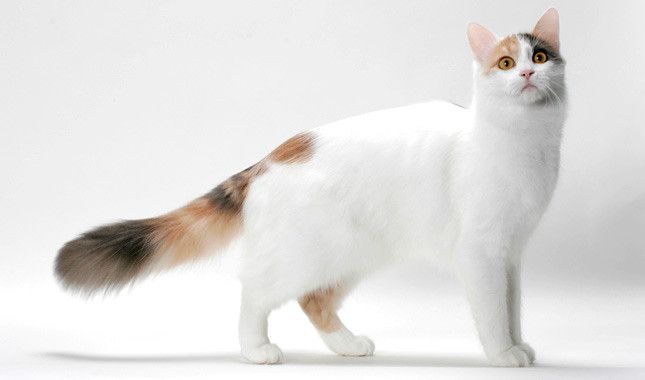
Both Jewish and Islamic tradition say that the cats were the recipients of a divine touch that imparted color to their formerly white coat. On the ark, a door slammed on the cat's tail, turning it red, and God reached out and touched the cat on the head, leaving a spot where his hand rested. In the Islamic version, Allah touched the cat on the back, and the spot that is sometimes seen on a Turkish Van's back is known as the thumbprint of Allah.
advertisement
Put away breakables if you have a Turkish Van in the house.
This is an active, energetic cat who likes to jump to the highest point in the room. When he's not jumping, he's running, playing in water, retrieving his toys or attacking them with gusto, perhaps even washing them in the toilet or bathroom sink, where he has turned on the water faucet. On the rare occasions that he is sitting still, the Turkish Van is inclined to be loving and affectionate, frequently following his favorite person around the house. He enjoys being petted but isn't necessarily fond of being held or cuddled. Small children need to understand this if they are going to be good friends with the Van. He gets along with other pets, including dogs, after making sure they know he is the one in charge. This is a mischievous and clever cat who is entertaining to live with, despite being more than a handful.
advertisement
The Turkish Van is a large, muscular, well-built cat with a moderately long body and tail.
It has strong, broad shoulders and a short neck; the jock of the cat world. The body of a Van should neither be stocky, or thin. It should call to mind the body build of an athlete, and indeed, it is one of the largest cats, growing to a mature weight of up to 18 pounds for a male, eight pounds for a female.
advertisement
The Van is classified as a semi-long hair, but it has two lengths of hair, determined by season.
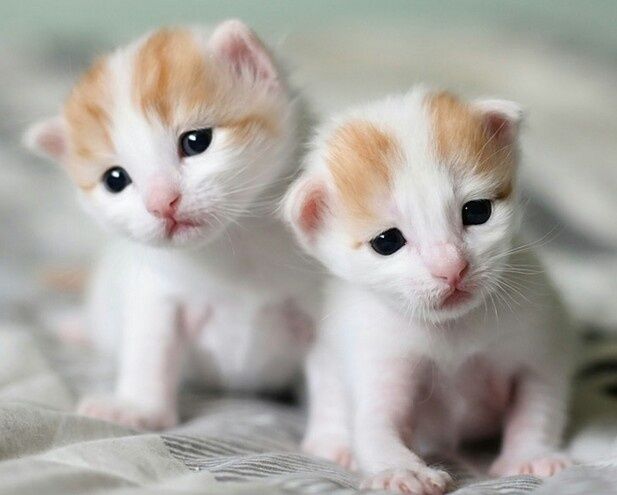
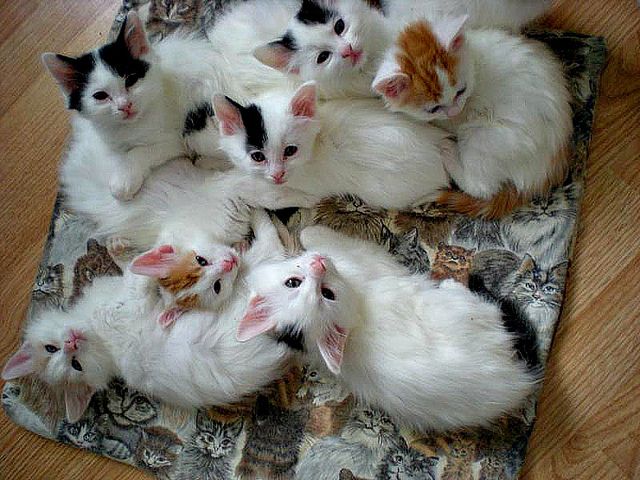
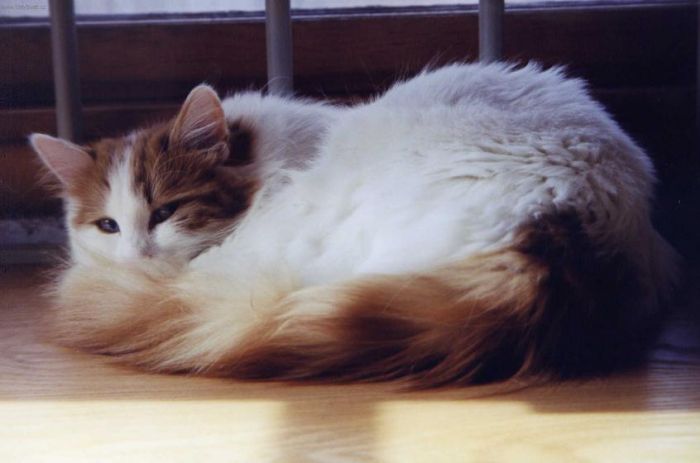
In the winter, the hair is thick and long, with a full ruff at the chest and even full tufts of fur between its toes. In the summer, the hair sheds to leave a short light coat. Both coat lengths are typified as being as soft as cashmere, down to the root. There is no evident undercoat on the Van, only one coat. The coat begins short at birth and grows in gradually over a period of three to five years, so that the kittens will be shorthair in appearance, with thin tails, but as they mature, the fur on the chest will fill out, and the tail will thicken into a full brush tail. The tail does not shed hair or change according to the season, but remains long and full. The ears remain feathered with fur, so that even with its summer coat, the Van looks soft and fluffy.
advertisement
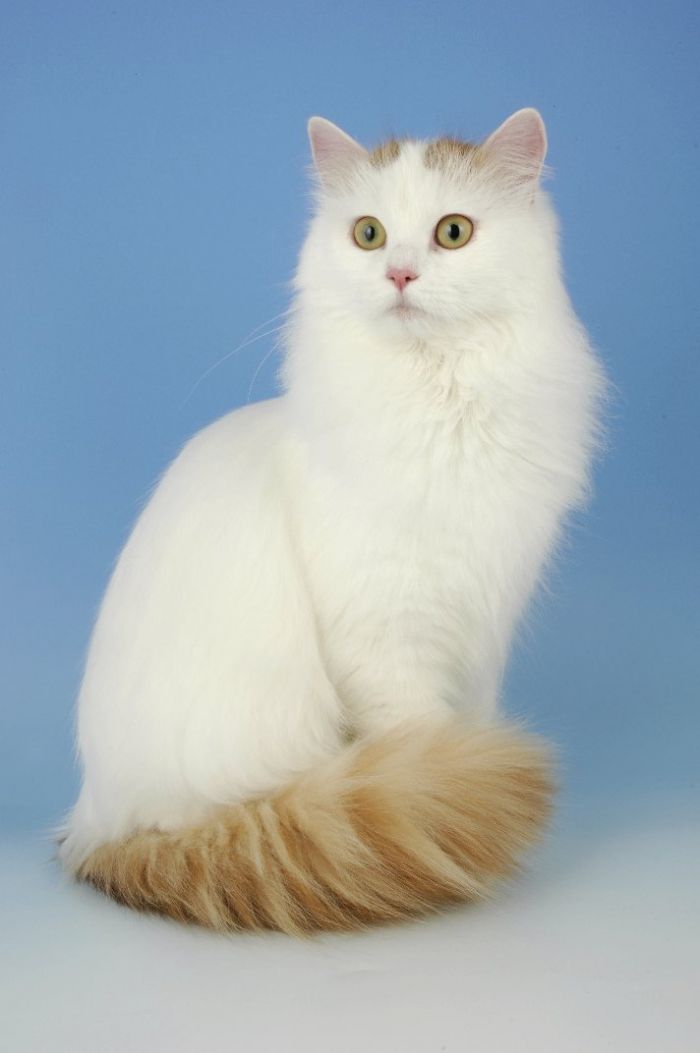
The Turkish Van's coat and coloring are the highlight of this cat.
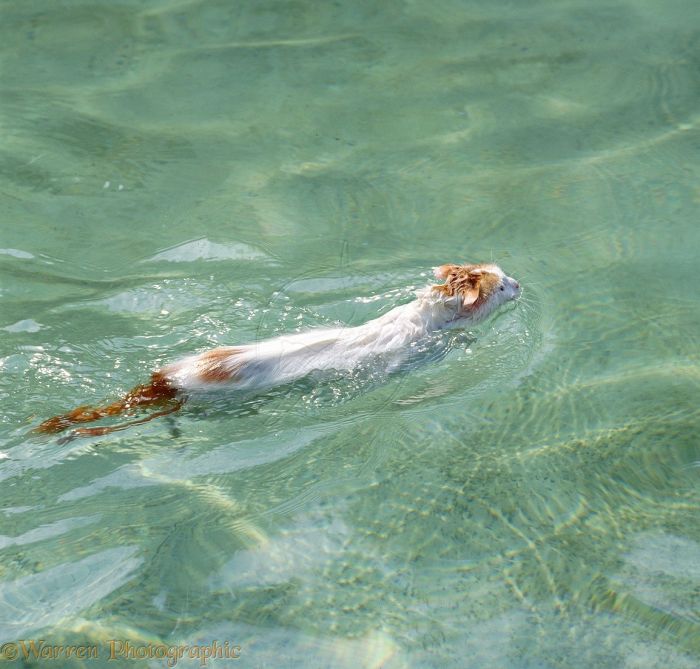
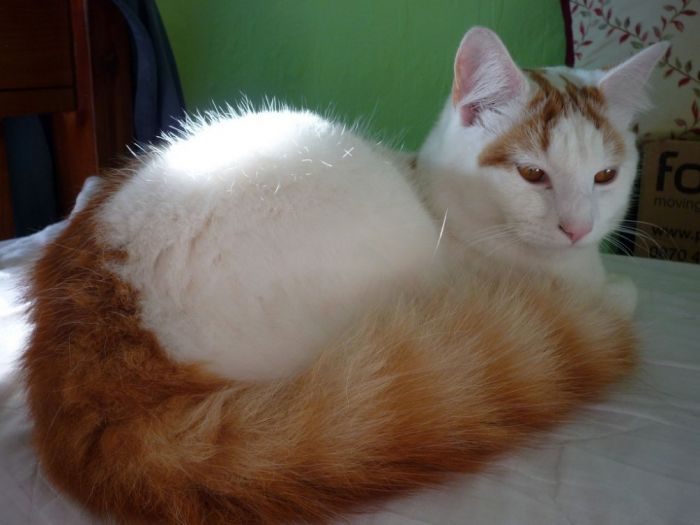
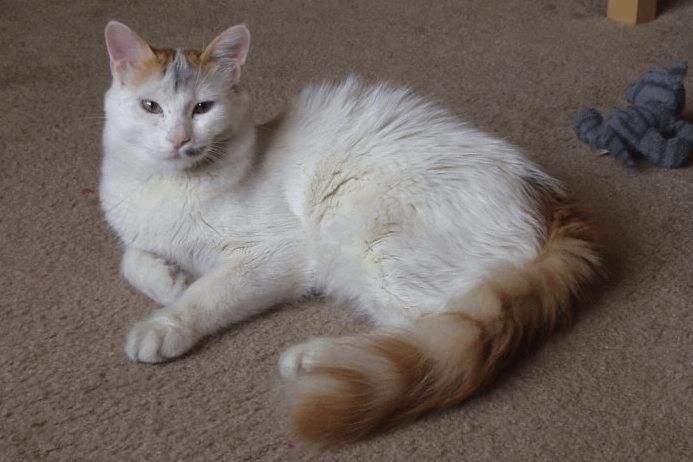
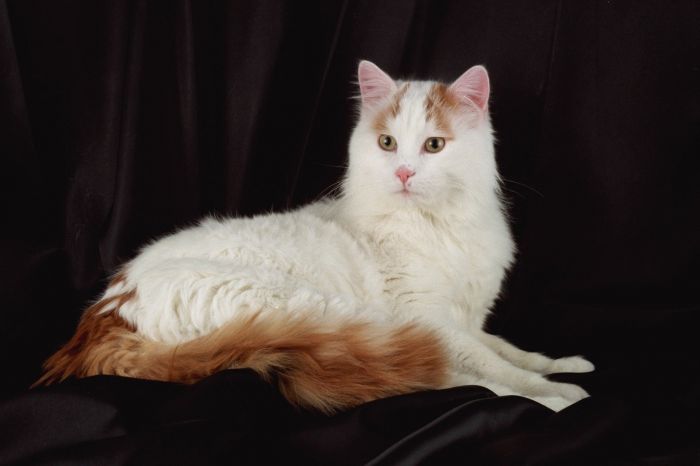
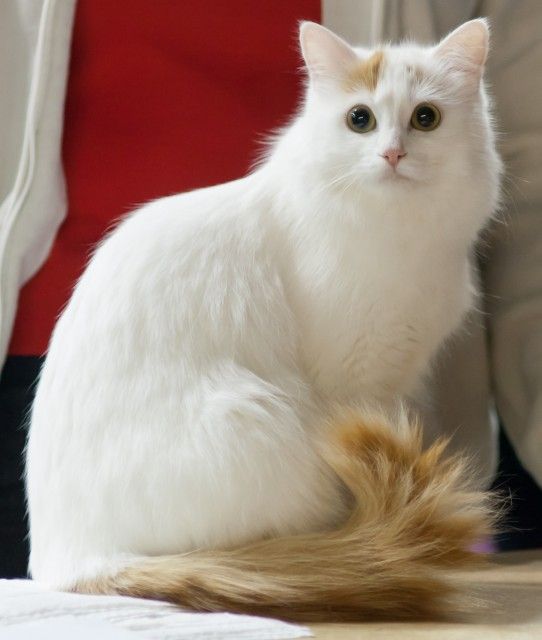
The classic coloring is white all over, with dark coloring on the tail and on the top of the head, and less frequently, on the back between the shoulder blades. This color pattern is referred to as a "Van" pattern. The Van's coat is naturally water resistant as a result of its silky texture, and presumably because it is only one coat. The Van loves water, and can immerse itself, swimming happily for long periods of time, and come out relatively dry. It does not have to deal with the usual cat inconveniences of having its hair pasted to its body, or of having to spend an hour fluffing its fur out to dry with its paws and tongue. Another benefit of its soft fur is resistance to matting. Very little grooming is required.
advertisement
Some say this is the cat to select if you can’t decide if you want to adopt a cat or a dog.
That's because Turkish Vans thoroughly enjoy games of fetch and are champion swimmers. They learn obedience commands and tricks easily.
This breed is smart, curious, agile, strong and extremely healthy. However, you need to be diligent in cat-proofing your house. This breed likes to flush toilets or drop objects in toilets, so owners need to keep bathroom doors shut.
Be aware that this breed can use its quickness and guile to swipe food from your plate.
advertisement
While you might be drawn to the Van for his fascination with water, you'll fall in love with the breed for his other qualities.
'Vans are energetic, agile, and intelligent. They are extremely healthy and, get along with people swimmingly,' notes one Van owner. You may need a few months of working out to keep up with them, however; Vans are famous for their 'action-packed' temperament. They are talkative, demanding of attention, and show great gusto at dinnertime. Breeders also say that Vans are known for their attachment to their human companions, and sometimes that makes transferring a Van from one household to another difficult. They tend to pick out one or two people in the household, usually the ones that deal with them initially, and bond with them forever.
advertisement
The Turkish Van is often confused with the Turkish Angora
but put them side by side and it's easy to see that they're entirely different breeds. The Angora is smaller and more delicate than the Van and does not have the classic 'Van pattern', a term borrowed from the Turkish Van that is used to describe any cat that has a mainly white body and colored head and tail markings. The color should not take up more than 20 percent of the entire body. The Van pattern is governed by the dominant white spotting factor piebald gene, which gives them patches of white along with spots of color. This gene is hard to control and therefore makes breeding Turkish Vans with the proper color pattern difficult.
Some Vans have a color patch between the shoulder blades called the 'Mark of Allah'. Just as the M on the tabby's forehead is said to be a gift from the Virgin Mary, this 'thumbprint of God' is considered good luck in Moslem countries.
This is a naturally occurring breed that has evolved to suit the environment it has lived in for thousands of years.
It is strong, vigorous, and healthy. There are no genetic problems known with this breed.
One exception that must be noted is the all white Van, with no color at all, which is prone to deafness, or at least hearing disorders. This is a common defect with many all-white animals. There is, in fact, a specific name for the all white Van: the Turkish Vankedisi. It has not been accepted as a Turkish Van, but has had some limited acceptance as a breed of its own class, most notably from the Governing Council of the Cat Fancy in Britain. In Britain, most Turkish Vankedisi crossings are with a Turkish Van so as to minimize any hearing disorders associated with the all white coloring.
advertisement
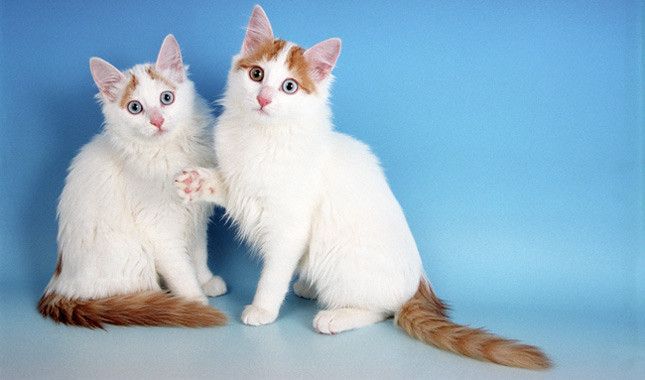
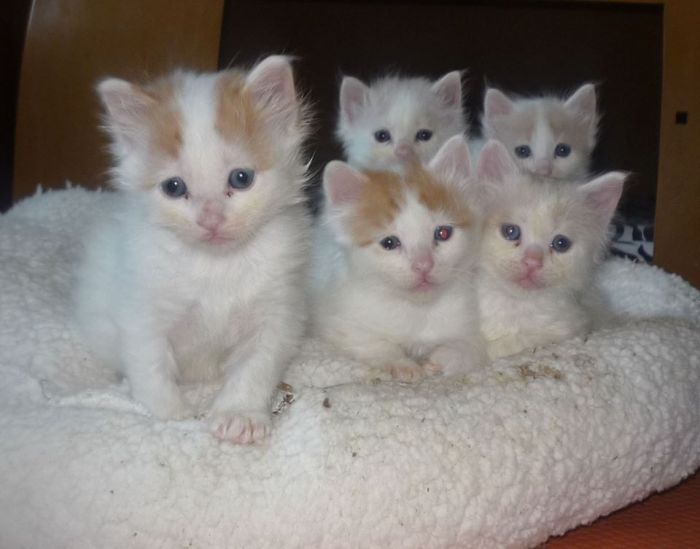
The Van typically has very large ears when it is a kitten, growing into its ears over time.
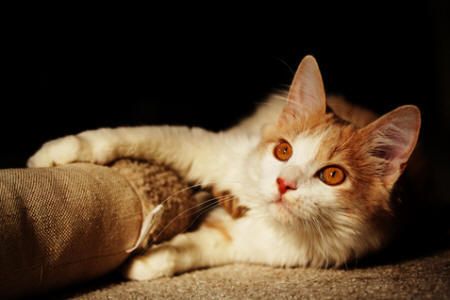
The nose is straight and Asiatic, considered long for a semi-longhair, and with its high cheek bones, and startlingly bright eyes, it gives off quite an exotic appearance. It is common to find Turkish Vans with odd eye colors. That is, one blue and one amber eye. This striking, naturally occurring feature is not only acceptable but is expected in the Van cat's home country. Outside of Turkey, the Van breed shows up more often with matching eyes, either blue, or amber, by design. This western preference for matching eyes in the Van cat is a source of amusement to the people of the Lake Van region of Turkey.
Like a lion, the Van loves to survey its "pride" from on high, secure in its home and the people it has bonded with.
And like a lion, the Van is known for being brave, and for being an excellent hunter. It can be very protective, growling when it hears unusual sounds from outside. The Van cat builds a strong, close bond with one or two people, remaining devoted for a lifetime; it does not do well to change owners.
advertisement
It loves to go swimming, so you'll frequently find the cat in the swimming pool or lake (if you have them nearby).
The fascination with water extends to all water, so care is necessary when it comes to the bathroom. Keeping the toilet closed is important for your cat's safety. Otherwise, allowing your Van to play with the faucets, or with bowls of water, will be an ideal recreation. The cat is also very vocal and loves to be the center of attention, especially during dinner.
It is believed the Van came to Europe between 1095 and 1272 A.D.
Originally brought by soldiers returning from the Crusades, it was transported throughout the Eastern continents by invaders, traders, and explorers. Over the years, the Van cats have been called by a variety of names, including Eastern Cat, Turkish, Ringtail Cat, and Russian Longhair.
advertisement
The Van began to be imported into America in the 1970s.
Beginning in 1983, two Florida breeders, Barbara and Jack Reark, worked hard to popularize this breed, and in 1985, The International Cat Association granted the Turkish Van championship status. In 1988, the Cat Fanciers Association (CFA) accepted the breed for registration in the miscellaneous class. The CFA later bestowed provisional status to the Van in 1993, and Championship status in 1994. In that first year, four Turkish Vans attained the grand title
It is still possible to import a Turkish Van from its homeland, but imports are rare. The Van cat has long been considered a national treasure, and is relatively rare in population.
advertisement
It’s a good idea to keep a Turkish Van as an indoor-only cat
to protect him from diseases spread by other cats, attacks by dogs or coyotes, and the other dangers that face cats who go outdoors, such as being hit by a car. Turkish Vans who go outdoors also run the risk of being stolen by someone who would like to have such a beautiful cat without paying for it.