

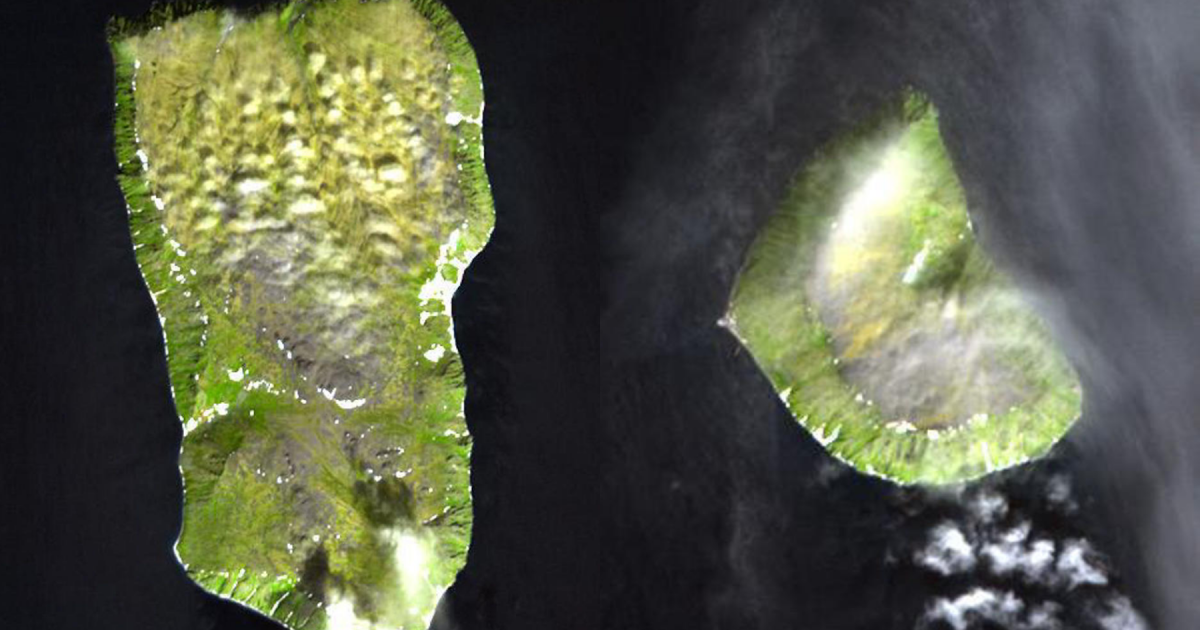
The Big and Little Diomede are located in the Bering Strait.
Two Islands Are Only Three Miles Apart But Are Separated By Nearly An Entire Day In Time Zones
By
Harsh Rana in
News
On 27th June 2024
advertisement
Two islands might only be separated by a short stretch of water, but they have dramatically different time zones.
You might not be able to use an Hour-Reversal Charm in real life, but if you want to get one step closer to channeling your inner Harry or Hermione, a trip to the remote islands of Big and Little Diomede will do.
That is, until Elon Musk or someone else comes up with a time travel alternative.
The Big and Little Diomede are situated at the top of the world in the Bering Strait, which divides the Russian province of Siberia from Alaska in the United States.
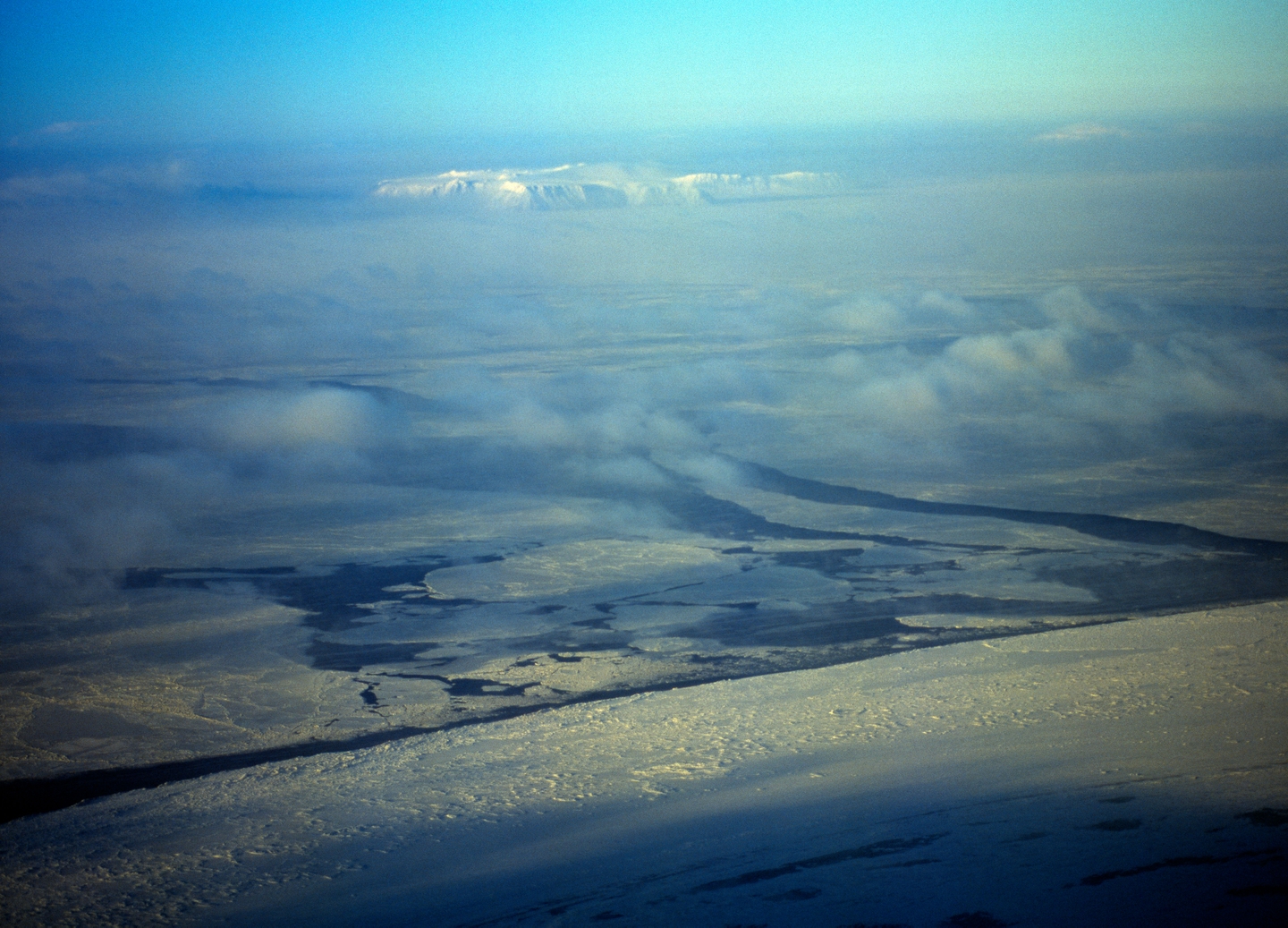
A wintry aerial shot of both Big and Little Diomede
P.A. Lawrence, LLC./Alamy Stock Photo
The gap between the two islands is only three miles (4.8km), which would take you around 20 minutes to walk if you could walk on water.
advertisement
However, the islands are worlds apart in terms of their time differences.
The Big and Little Diomede are separated not just by a stretch of sea but also by the International Date Line.
This results in a significant time zone difference of 21 hours, or sometimes 20 hours at certain points of the year.
This means that if you travel between them, you'll skip forward or back by a whole day despite the journey being very short.
advertisement
It's quite fascinating how such a short distance can result in such a huge leap in time.
The International Date Line is an abstract line that runs a jagged path through the Pacific Ocean, deciding where one day ends and another begins.
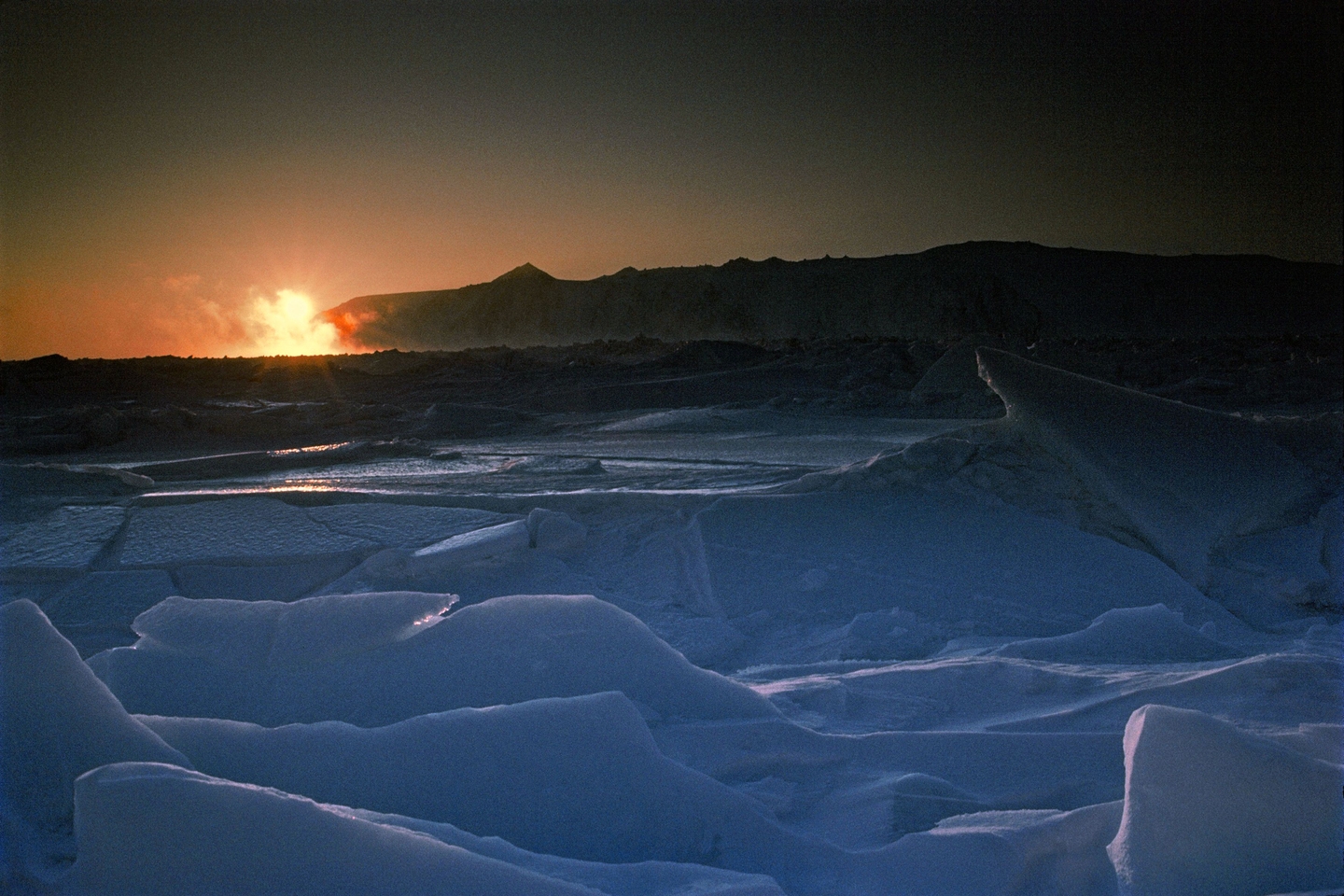
If you could walk across the sea it would take around 20 minutes to walk between the islands
Jean-Erick PASQUIER/Gamma-Rapho via Getty Images
During the winter months of the Northern Hemisphere, it could almost be possible to walk between the two islands since the sea freezes over.
advertisement
At other times of the year, it could even be possible to swim or row from one calendar day into another, either forwards or backwards.
This could make for an interesting and unique adventure if it weren't for the legal complications.
advertisement
Would you have jetlag when you arrive? OK, that’s a bit of a silly suggestion.
To be fair, it would be silly to attempt to traverse the gap anyway, given that it is illegal to travel between the two islands because you’d be crossing from sovereign territory of the US into sovereign territory of Russia.
advertisement
That’s famously never been a border you’d want to cross, without the correct permissions at least.
What’s more, if you crossed from the USA to Russia, you’d find very little reason to be on Big Diomede, as nobody lives there.
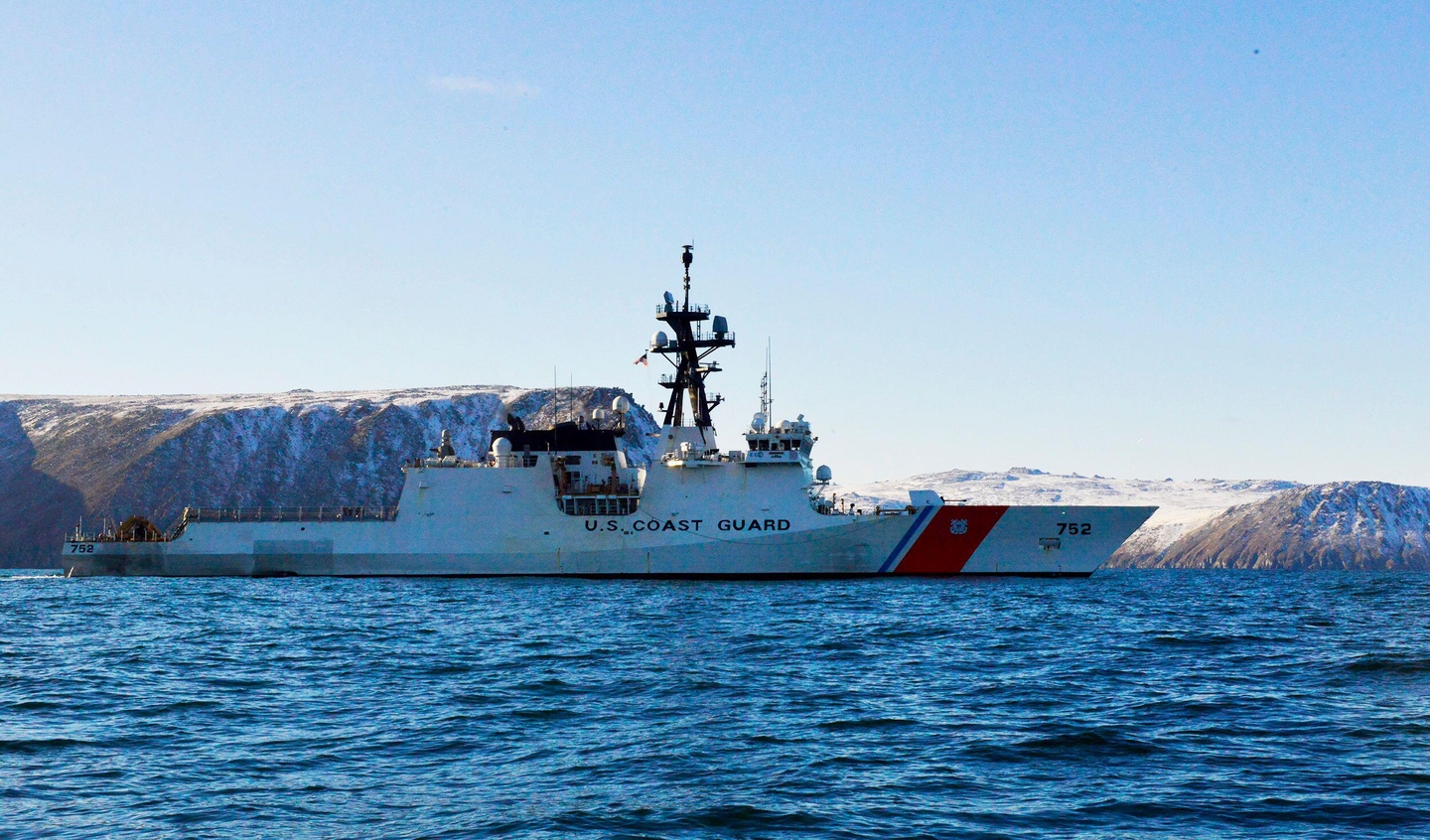
Remember, this is a US/Russia border
APFootage/Alamy Stock Photo
There are people who make their home on Little Diomede, with the latest data suggesting that about 110 people live there.
advertisement
The islands are named after the Greek Saint Diomede, who lived around the third and fourth centuries.
The name was given after they were discovered by the Danish-Russian navigator Vitus Bering, who gives his name to the Bering Strait, on August 16, 1728.
advertisement
That’s the day in the Russian Orthodox Christian calendar that celebrates – you’ve guessed it – Saint Diomede.
Most people will never be able to make the journey between the two islands, but in August 1987, American swimmer Lynne Cox did make the journey through the icy waters.
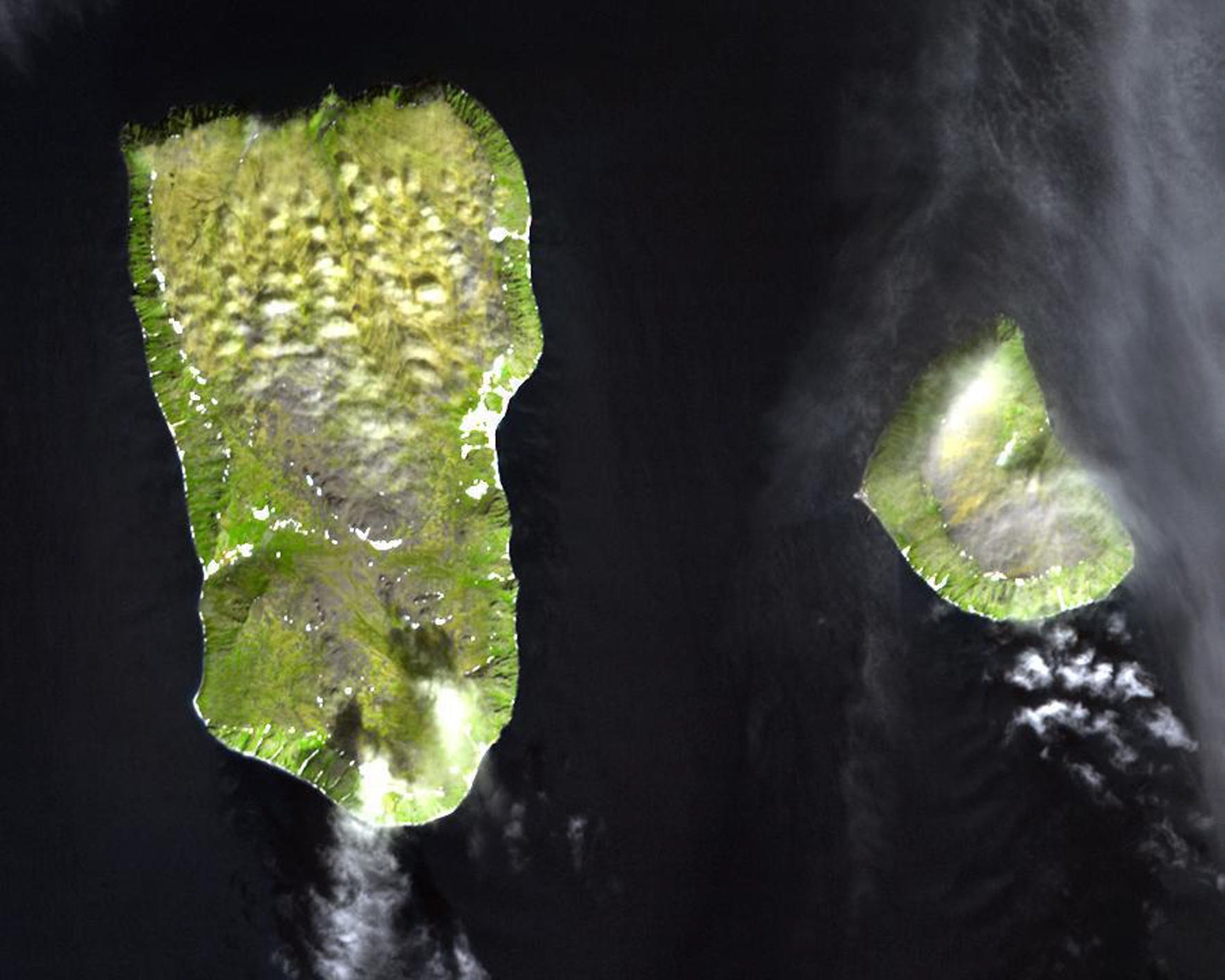
The Diomede Islands seen from space
NASA Jet Propulsion Laboratory
Despite the distance only being 2.7 miles, it must have taken some serious endurance and bravery to achieve that feat.
advertisement
Perhaps it’s better just to know that this anomaly exists, rather than immersing yourself in icy water and experiencing it for yourself.
After all, knowing about these fascinating quirks of geography is almost as exciting as experiencing them firsthand, and a lot less chilly.