

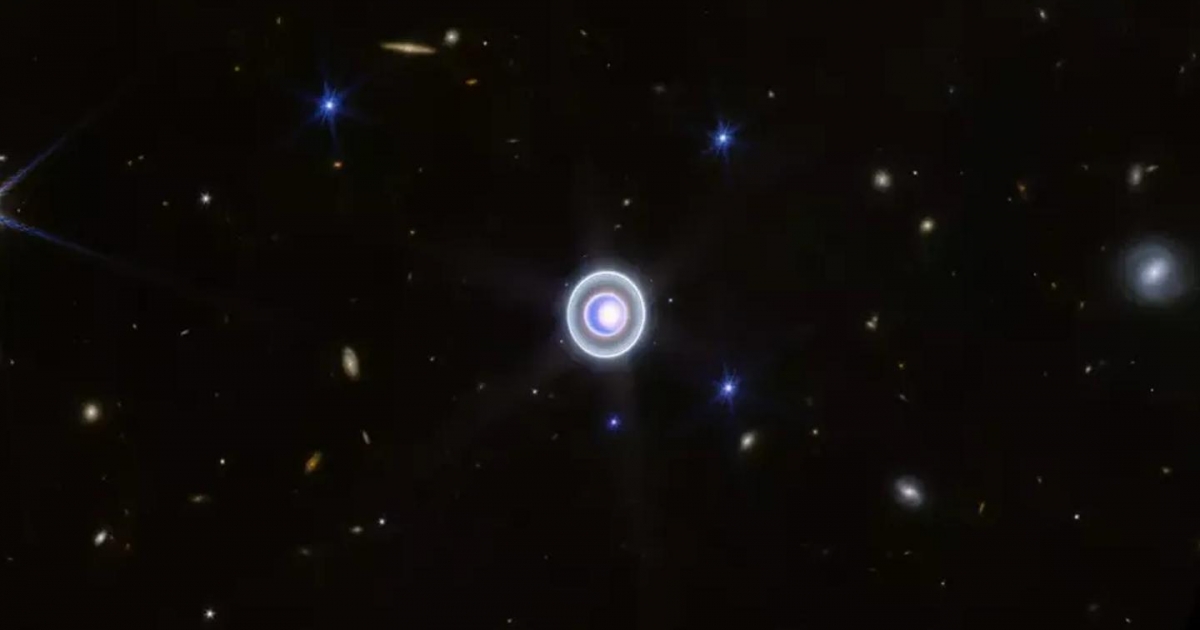
The planet has a surprising naming history that many people have never heard about
advertisement
People are only now discovering that Uranus once carried a completely different name before the one we know today became standard across the scientific world.
The planet, spotted in 1781, is well known for its icy rings and the name that often gets a laugh. Yet its early identity was much less humorous and far more formal.
Back in 2023, NASA released detailed new images of the distant world, and they quickly captured the attention of space fans everywhere.
Before those striking images, Uranus had long fascinated astronomers, and that interest only grew as more people learned about its odd history.
The planet reaches moments when it appears brighter and easier to spot, which often prompts renewed curiosity about how it was first discovered and named.
It may come as a surprise, but Uranus was once called something entirely different, and that earlier name did not sit well with many experts.
advertisement
It is difficult to imagine the bright blue ice giant going by any name other than Uranus, yet that was not the original plan.
The name first assigned to it was considered too controversial among astronomers at the time, and it never gained lasting approval.
German-British composer and scientist William Herschel discovered the planet on March 13, 1781, using his impressive 40-foot Newtonian reflector telescope.
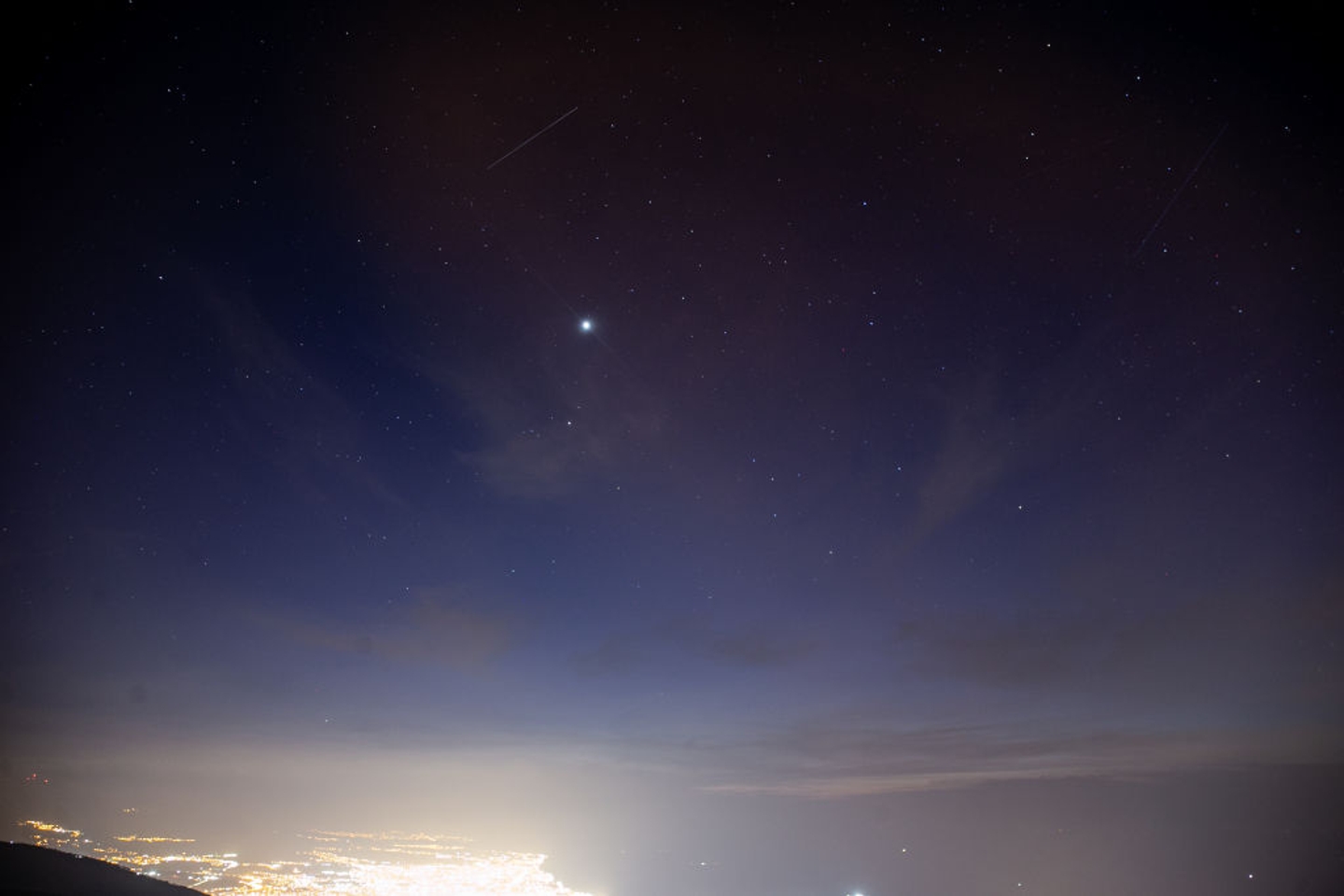
You might spot Uranus in the night sky
Anadolu/Getty Images
His telescope was one of the most advanced instruments in the world then, with no rival for its size and power.
The project, completed in 1789, was funded with grants totaling £4,000 (around $5,230 USD) from King George III.
In today’s money, that amount would be worth roughly £533,524, or about $698,000 USD, showing just how significant the investment truly was.
advertisement
With that level of support in mind, Herschel hoped to honor the king who helped make the discovery possible.
Because of that, he initially chose a name that paid tribute directly to the monarch.
NASA notes that Herschel first referred to the planet as “the Georgium Sidus,” which is Latin for George’s Star.
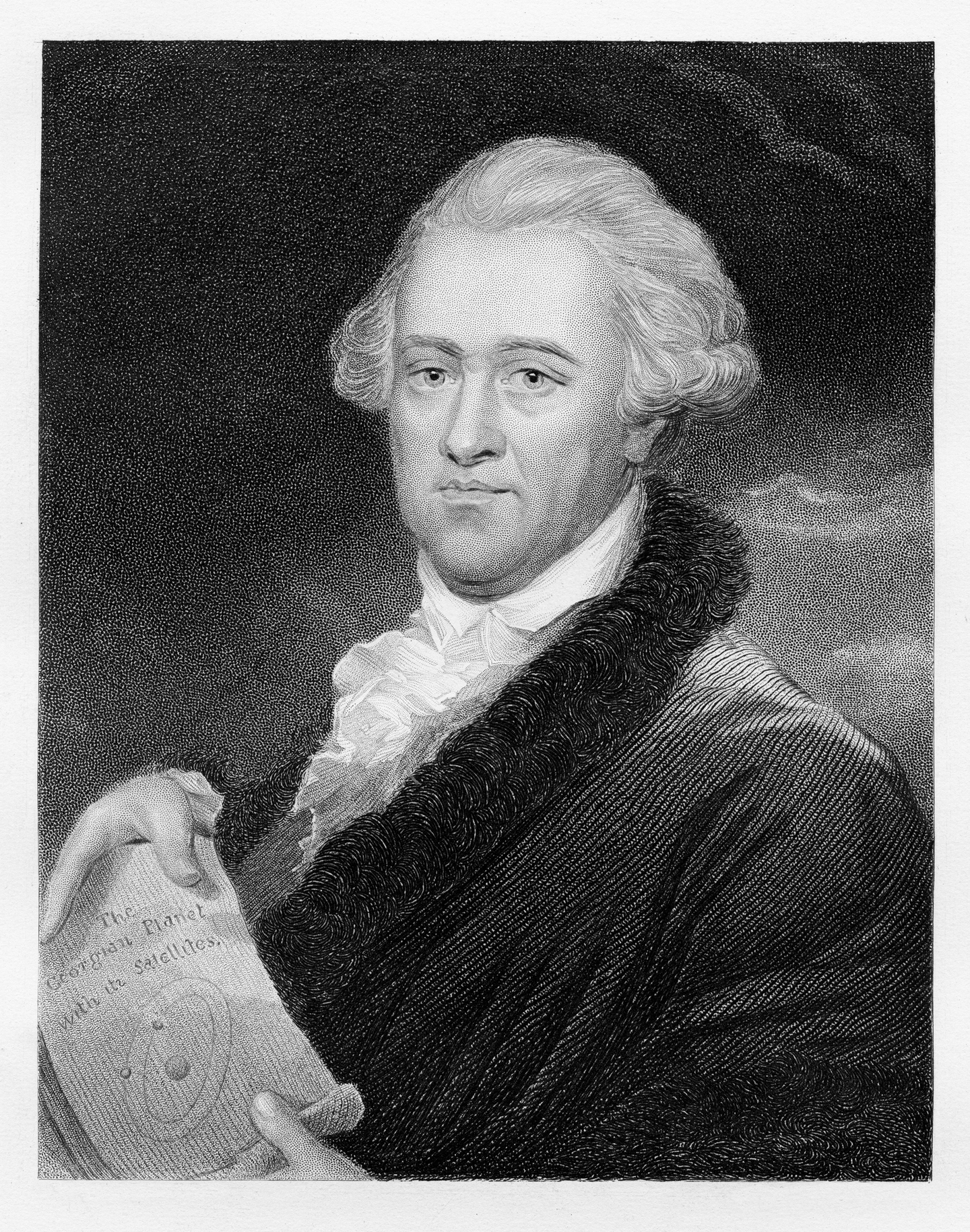
This right here is the man who discovered Uranus, William Herschel
Thepalmer/Getty Images
advertisement
At first, the name did not seem problematic, but it quickly stirred debate across the scientific community.
Calling the planet George caused confusion and clashed with the long-standing tradition of naming major celestial bodies after figures from Greek or Roman mythology. On top of that, the name referenced a star even though the object was clearly a planet.
Because of those issues, the scientific world had little interest in adopting the name for the long term.
advertisement
George was eventually abandoned, and astronomers began searching for a replacement that matched existing naming conventions.
According to NASA, German astronomer Johann Elert Bode suggested renaming it Uranus.
"Uranus is the ancient Greek deity of the Heavens, the earliest supreme god," NASA said, adding that Uranus only became widely accepted by 1850.
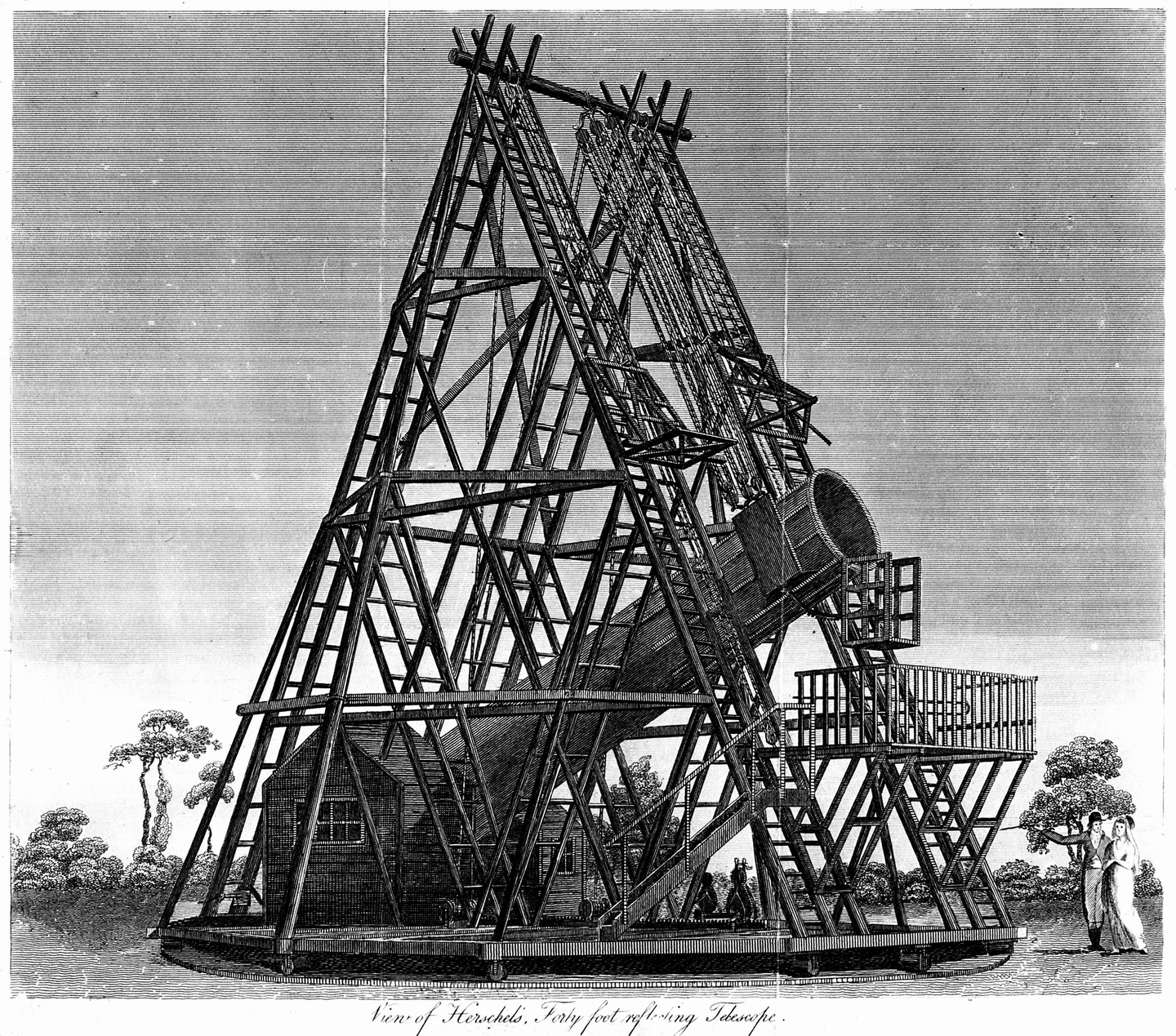
Hershel's $700,000,000 telescope
Photos.com/Getty Images
advertisement
Royal Museums Greenwich notes that Uranus' Roman counterpart, Caelus, was said to be the father of Saturn, who in turn was the father of Jupiter, making the name fit neatly into the mythological family tree shared by the other planets.
NASA adds that modern discoveries are usually cataloged with numbers or named after the observatories that locate them, but any official name must be approved by the International Astronomical Union (IAU), the organization responsible for assigning names to planets, stars, and other celestial objects.
It’s a fascinating bit of history for a planet many of us thought we already knew.