

Some famous faces have expressed their desire to be frozen after they die, but how exactly does cryopreservation work? Practising cryonics means to deep freeze the bodies and organs of people who have recently died in the hopes they can be revived in future.
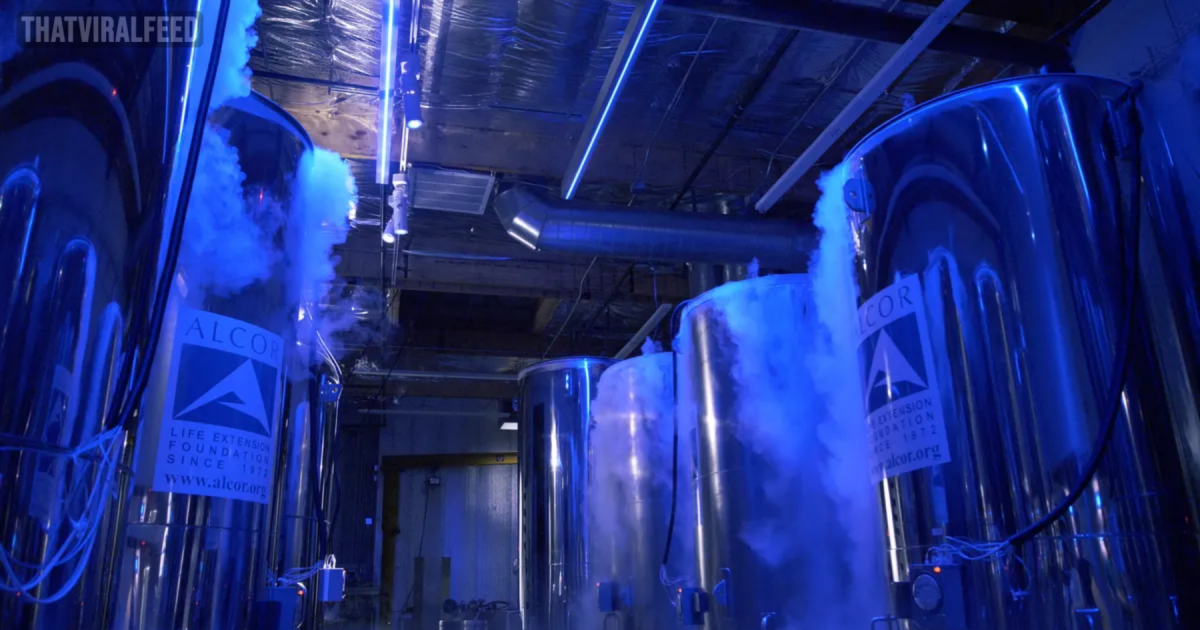
US Lab That Freezes Famous Dead People At -196c In Hopes They'll Wake Up In Future
By
maks in
Science and Technology
On 13th February 2024
advertisement
The practice of cryonics involves the deep freezing of both the bodies and organs of individuals who have recently passed away, with the hope that they might be brought back to life in the future.
It's believed that this gradual cryogenic freezing method essentially pauses death, aiming to preserve a deceased body for many years ahead.
Therefore, should scientific progress reach a stage where it's possible to resurrect the dead, then those celebrities who have chosen to undergo this preservation process would have the opportunity to experience life once more.
Figures such as DJ Steve Aoki, Seth MacFarlane, and Paris Hilton have all previously voiced their interest in being cryopreserved.
advertisement
On the other hand, notable individuals like the famed American baseball player Ted Williams, his son Jon Henry Williams, and computer scientist Peter Eckersley have taken the definitive step of undergoing the cryopreservation process.
Alcor stands as one of the leading cryonics organizations globally, with its President Emeritus, Dr. Max More, being a participant since 1986.
In a 2022 documentary interview conducted by the BBC, he stated that the Arizona-based firm is typically informed when a member is nearing the end of their life.
The British-born specialist mentioned that upon learning a member is unwell, Alcor dispatches a 'standby team'.
This team is responsible for remaining at the sick member's side until they pass away.
advertisement
"It could range from a few hours to several days; we've even remained on standby for up to three weeks," he detailed during a 2014 BBC interview.
Following the immediate death of the member, Alcor's team will intervene quickly, employing a 'heart-lung resuscitator'.
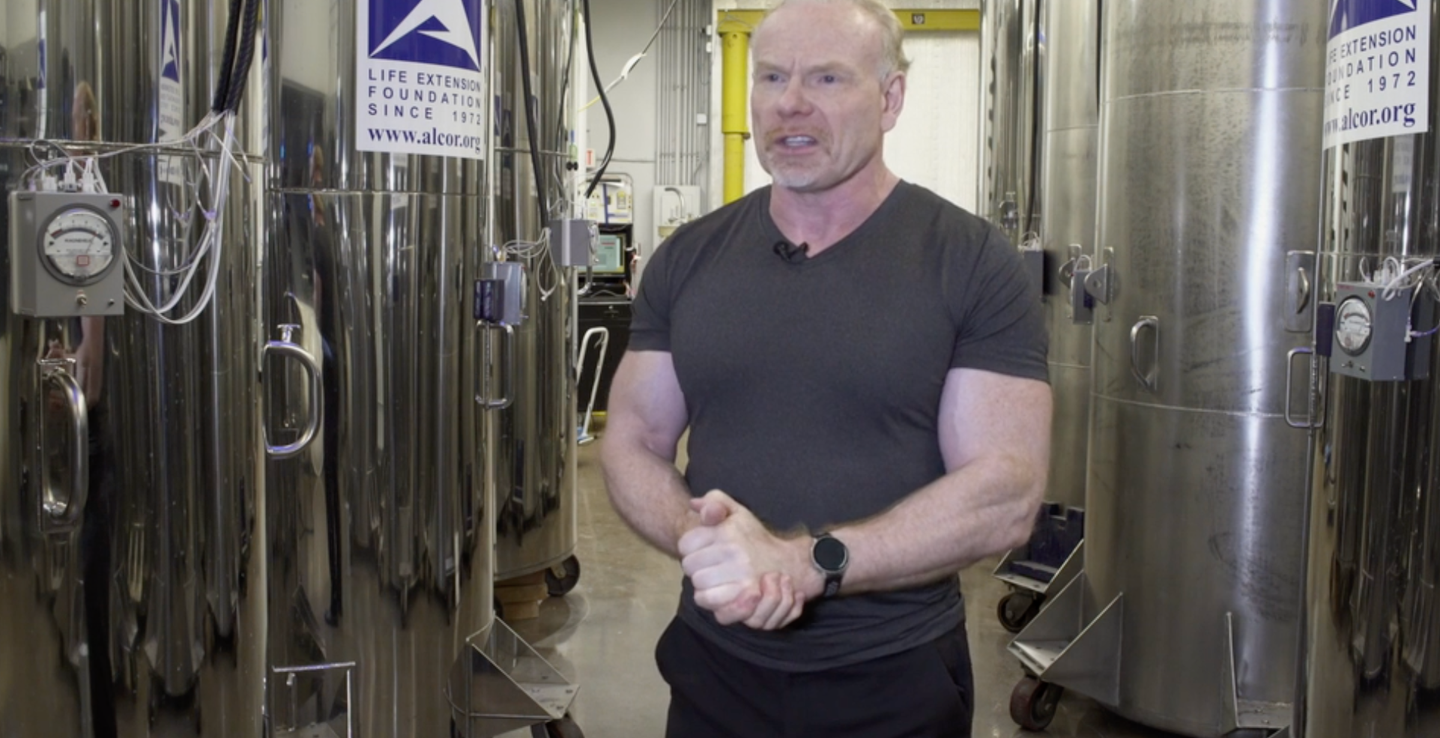
Dr More believes humans will one day beat death.
Credit: BBC
This device is used to restart the circulation of blood throughout the deceased's body and to sustain the function of their organs.
advertisement
Subsequently, the team will administer a variety of drugs aimed at preventing the cells from further decay.
"This stage is very similar to organ donation," Dr. More elaborated.
"Our goal is to maintain the tissues in a viable state for as long as we can until we're ready to proceed to the subsequent phase of the process."
advertisement
After receiving medication, the deceased is transported to the headquarters of the Arizona-based organization, where further measures are taken to minimize freezing damage.
A surgeon will then replace the patient's blood with a 'medical grade antifreeze'.
"As the temperature drops below freezing, rather than forming ice crystals, the solution we use merely thickens," the president described.
advertisement
Once the body has been infused with the antifreeze solution, the official start of the cryonic process can commence.
Initially, the deceased is wrapped in a sleeping bag for protection and then placed head down in a storage container.
Secured within the aluminum pod, the temperature of the body is gradually reduced by approximately one degree Celsius each hour.
advertisement
After a fortnight of continuous cooling, the body reaches a remarkable resting temperature of -196C.
At this juncture, the body will remain in waiting for future medical breakthroughs that might enable its revival.
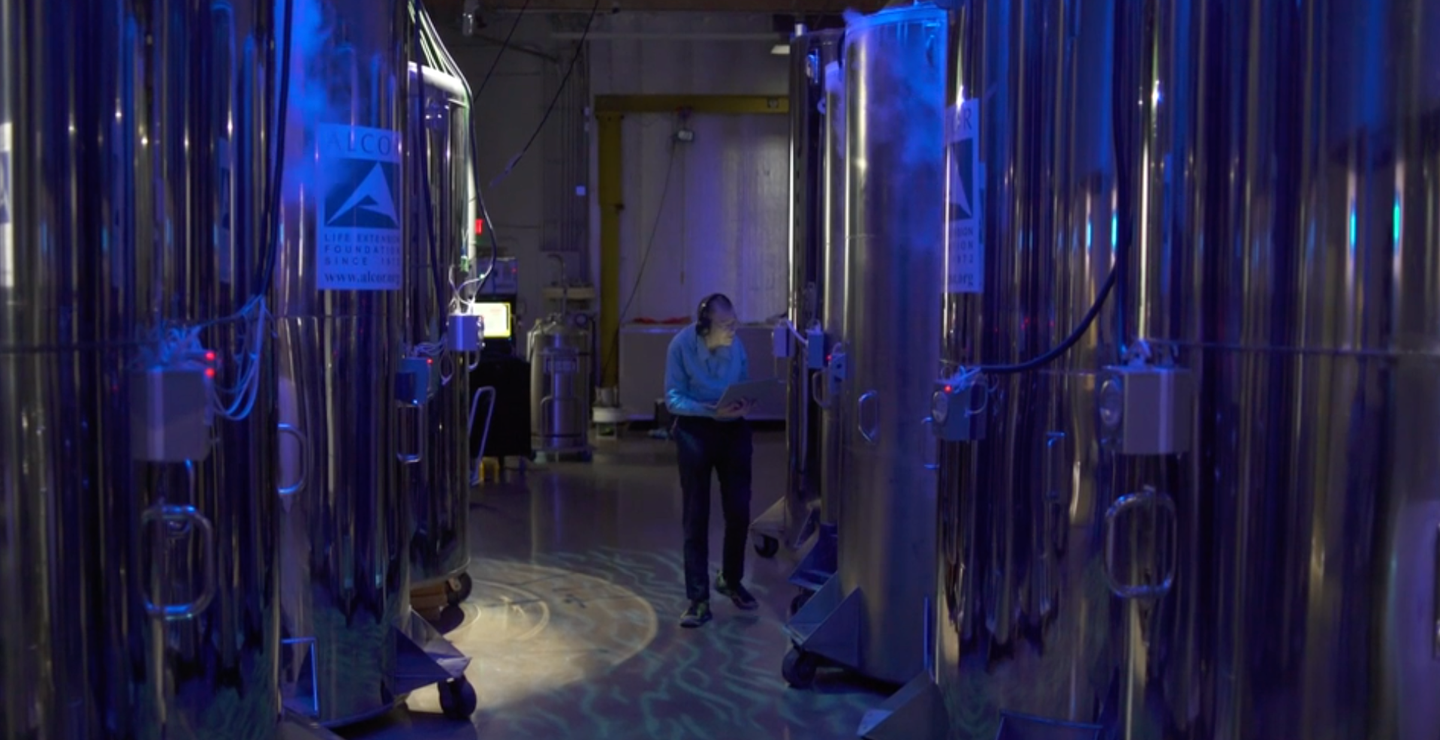
Human remains are wrapped in blankets and placed inside aluminium tubes.
Credit: BBC
Dr. More has asserted that maintaining the temperature of the aluminum pods requires 'no energy' and that liquid nitrogen is added to the cylinders weekly to maintain the low temperatures.
advertisement
As of 2022, it was reported that approximately 500 individuals had undergone cryopreservation worldwide, with the majority being in the United States, China, and Russia.
Naturally, this pioneering science is accompanied by a substantial financial commitment, with full body preservation costing $200,000 (£158,000) and brain-only preservation at $80,000 (£63,000).
advertisement
Yet, if such sums seem daunting, Dr. More has revealed that nearly 90 percent of Alcor members finance the procedure through life insurance.
While the procedure appears to be quite extraordinary, there's no definitive proof that resurrection will be feasible in the future.
advertisement
Nevertheless, this is a risk that Dr. More and the clients of Alcor are prepared to take.
Discussing potential medical advancements, the futurist expressed: "I believe it's essentially a wager on the progression of technology."
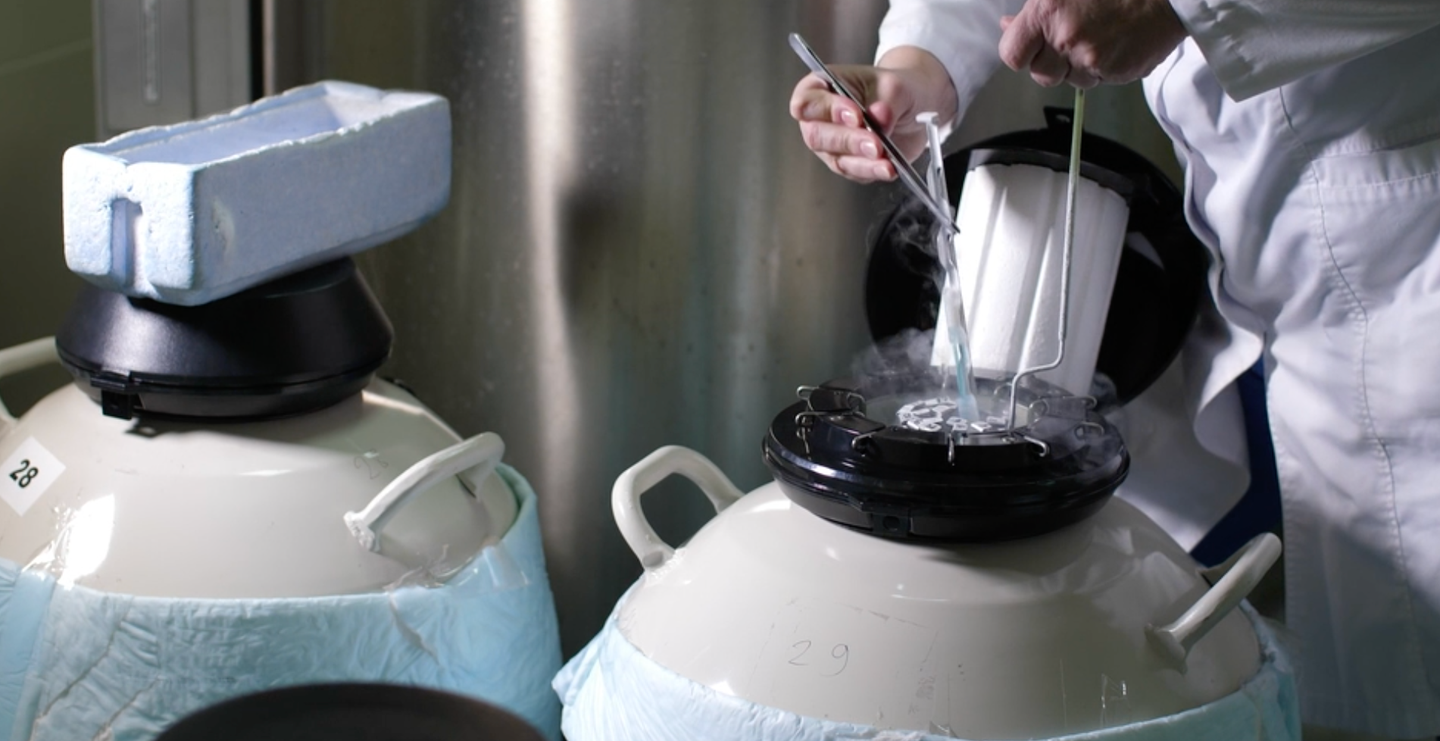
Bodies, brains, sperm and eggs can all be frozen.
Credit: BBC
"We're even investing in research related to nano-medicine, which will undoubtedly play a crucial role in reviving individuals."
He further mentioned that the company is beginning to 'cultivate organs in the laboratory' for those who 'are unable to find a suitable organ match', suggesting his belief that humanity will one day conquer death.
Let's watch and see how this unfolds, shall we?