

Researchers are looking closer at how vape flavors and devices may affect the body

Warning Issued Over Vape Flavor Choice After Study Finds Some May Carry Higher Risks
By
maks in
Health and Fitness
On 13th June 2026
advertisement
A fresh warning over flavored vapes has put more attention on what people are actually choosing when they pick up an e-cigarette.
For years, vaping was treated as a less harmful option for smokers who wanted to move away from tobacco. Many people still use it that way, especially when they are trying to quit cigarettes for good.
But that is not the full picture anymore. Vapes have also become popular with people who were not smokers to begin with, including many younger users, which is why studies into their long-term effects are being watched so closely.
One of the harder parts of studying vaping is that e-cigarettes have not been around for as long as cigarettes. That means researchers are still trying to understand what years of regular use may do inside the body.
A study published in Frontiers in Oncology found that regular vapers showed altered activity in 3,124 genes across the genome when compared with people who did not vape or smoke.
That kind of finding does not mean every person who vapes will develop a disease. Still, gene activity can give scientists early clues about how cells are responding, and some changes can be tied to pathways linked with cancer, heart disease, and lung disease.
advertisement
The key question for the team was not only whether vaping was linked with those changes, but which parts of vaping seemed to be driving them.
Professor Ahmad Besaratinia, the study’s senior author, said: "One major question still remains: what is driving these changes? Is it the act of vaping itself - or is it the intensity and duration of vaping, the characteristics of the products used, or some combination of these?"
The answer appeared to point strongly toward the products themselves. Researchers found that flavor and device type explained about two-thirds of the changes in gene activity among vapers, making those details a major part of the warning.
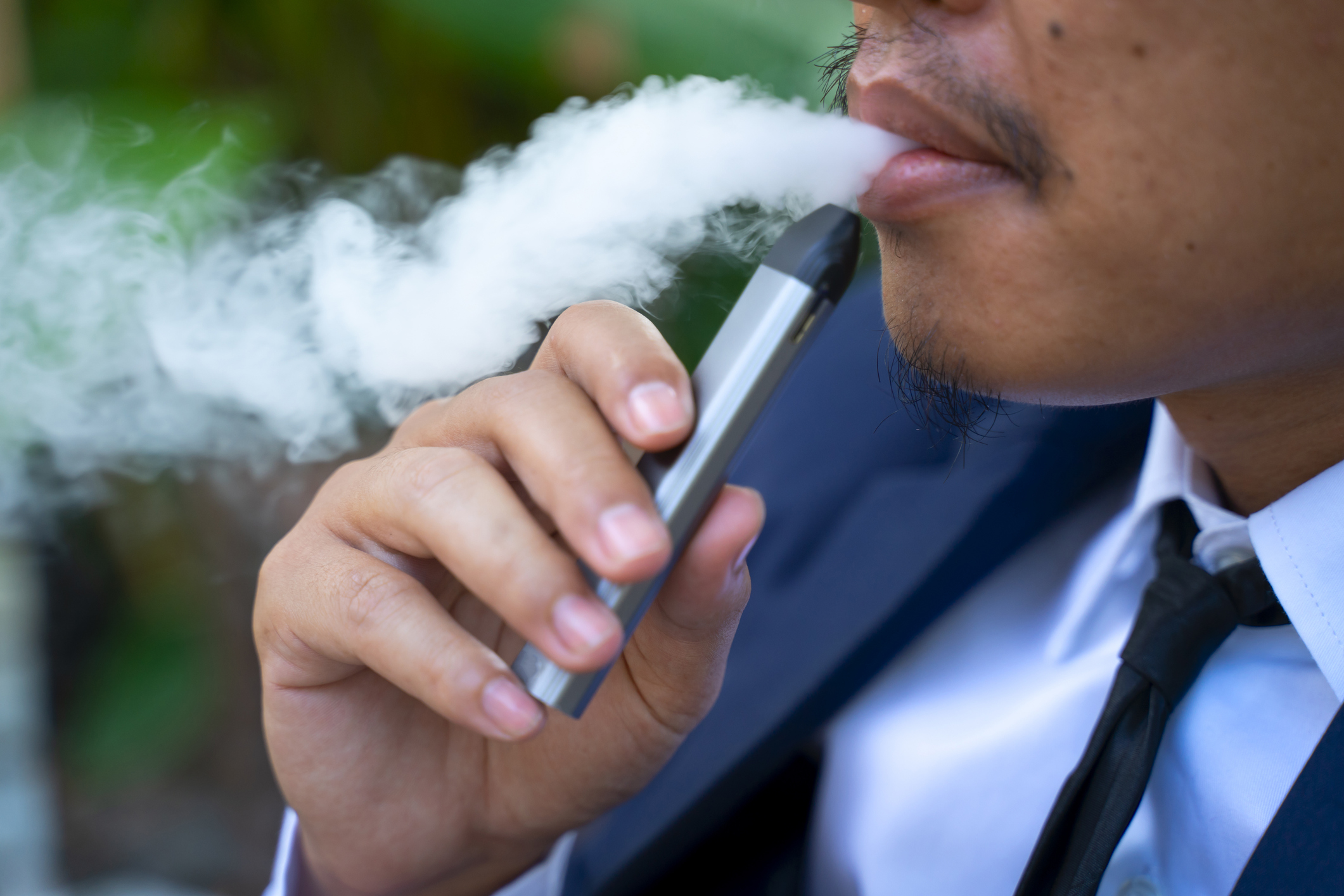
It remains unclear at this time the long-term impact vaping can have
Getty Stock Photo
Because of those findings, Professor Besaratinia has urged regulators to take a closer look at the possible health risks linked with specific flavors, rather than treating all vape products as if they carry the same concern.
Fruit flavors stood out most in the results. Options such as mango and watermelon were linked to changes in 31 percent of affected genes, which placed them far above several other flavor groups measured in the research.
The comparison was sharp. Sweet flavors were linked to 2.9 percent of affected genes, while mint or menthol flavors were linked to 0.9 percent, showing a wide gap between the flavor categories included in the study.

The study has provided fresh insight into the damage vaping can cause
Getty Stock Photo
advertisement
Why flavor is not just a taste detail
Flavor can sound like the harmless part of vaping, but each flavor can involve a different chemical mix. That matters because two people may both be vaping nicotine while still being exposed to different compounds depending on the liquid and device they use.
The Keck School of Medicine of USC said researchers collected cheek cell samples and used RNA sequencing to study activity across thousands of genes at once. That method helped the team compare vapers, smokers, and non-users while also looking at how product details changed the results.
This is why the warning is not only about mango or watermelon by name. Fruit flavors were a major concern in the findings, but the larger issue is that the chemical makeup of e-cigarette products may play a bigger role than many users assume.
advertisement
"These product differences explained more of the variation in gene regulation than how much or how often people vaped," Besaratinia added.
The professor and his team are now building on the first findings by studying the chemicals used in vaping liquid. That next step may help them work out which compounds are most closely linked with the gene changes.
That detail is important because the study looked beyond how often people vape. It also focused on what they vape with and what flavor they choose, which may explain why different users show different biological patterns.
advertisement
What the findings can and cannot prove
The study points to measurable changes in oral cells, but it does not prove that one specific flavor directly causes cancer, heart disease, or lung disease. The findings are better understood as an early biological warning sign that needs more study.
That distinction matters because personal cases and lab-based research do different jobs. For example, Kayley Boda’s warning after years of vaping shows why some users are speaking out about serious health fears, while this study looks at patterns across groups of vapers, smokers, and non-users.
The mouth is also one of the first parts of the body exposed to vapor, flavor chemicals, and nicotine. That makes oral cell samples a useful place for researchers to look when they want to understand what vaping may be doing at a molecular level.
advertisement
"Once we identify these chemicals, policymakers could instruct manufacturers to either eliminate these chemicals or reduce their level in e-cigarette products to minimise potential harm," Professor Besaratinia added.
In the initial study, the team collected oral cell samples from 35 vapers, 24 smokers, and 24 non-users. The group size was small, but it allowed researchers to compare regular e-cigarette users with people who smoked and people who used neither.
For now, the main takeaway is careful rather than absolute: the findings suggest that vape flavor and device type may matter, and researchers want to identify the chemicals behind those changes before stronger conclusions can be made.