

A sting from a Irukandji Jellyfish can lead to hours of excruciating pain
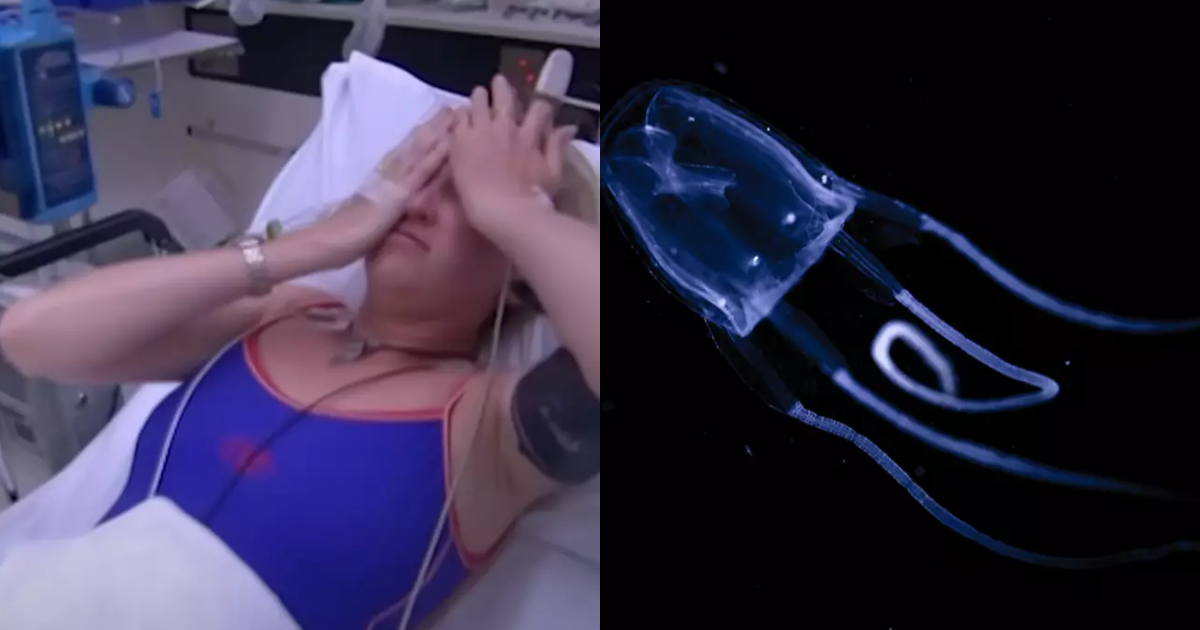
Victims Describe Stings From Mysterious 'Doom Jellyfish' Which Causes Pain So Intense People Ask To Die
By
Haider Ali in
News
On 24th July 2024
advertisement
Swimmers in Australia should be equally cautious of a deadly species of jellyfish, even though sharks are usually the top fear when it comes to the waterways.
The Irukandji jellyfish, also called the "Doom Jellyfish," is a tiny jellyfish with a potentially fatal sting.
To make matters worse, it can be challenging to identify.
In Australia, the poisonous animal is found mostly in the northern waterways of the nation.
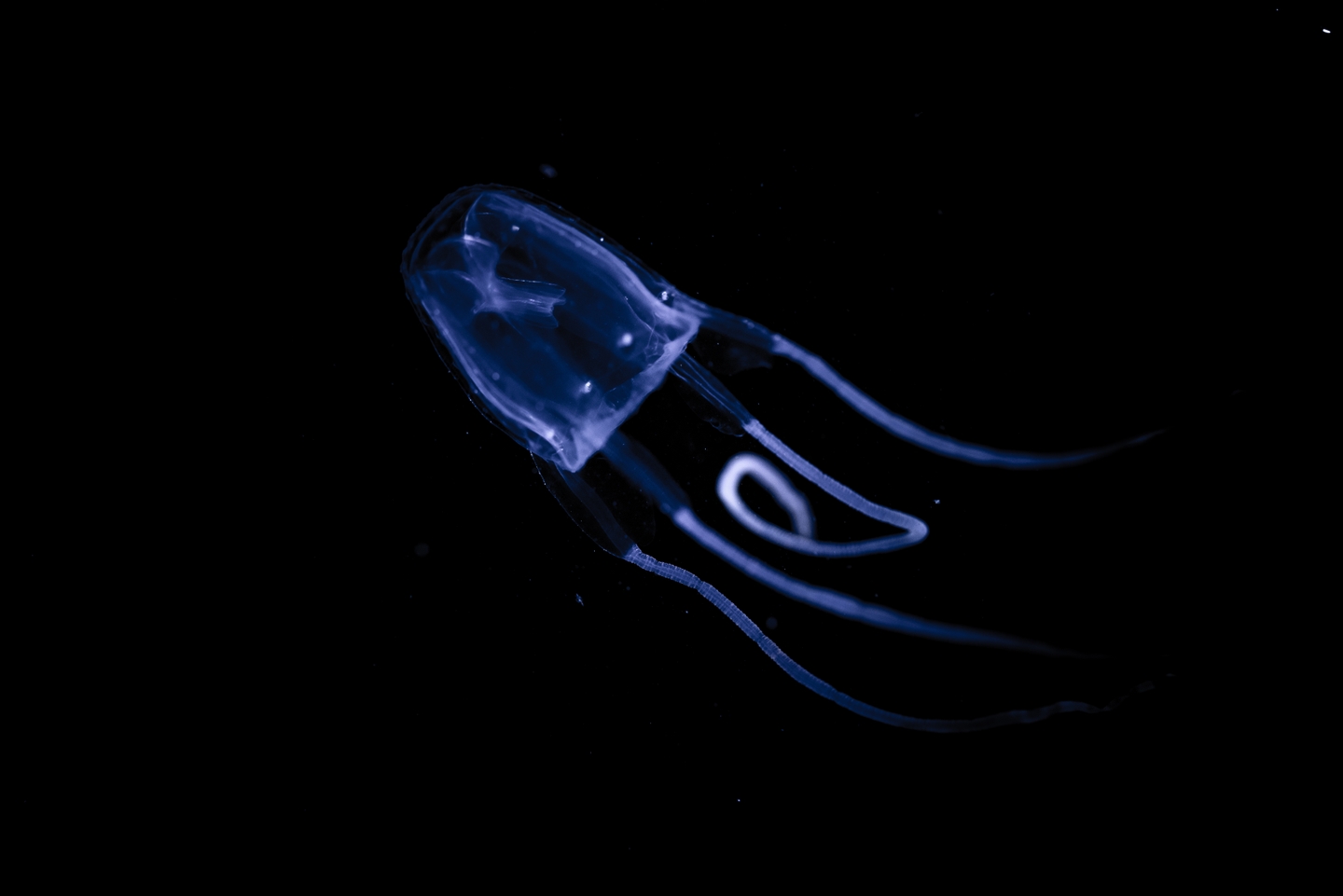
Irukandji jellyfish are no bigger than a fingernail.
Getty Images
The jellyfish's bell has a size range of 5 to 25 mm, and its long, thin tentacles can reach lengths of several centimeters to one meter.
advertisement
These tentacles are what they shoot into their prey, creating Irukandji syndrome with their sting.
Those who have the illness have reported experiencing agonizing pain for hours following a sting.
Additional symptoms include heart problems that could be fatal, cramping in the muscles, nausea, and elevated blood pressure.
According to jellyfish scientist Lisa Gershman, it's also supposed to leave you with a 'sense of despair' that ends up so awful that patients have urged their doctors to kill them.
advertisement
Venom ecologist Dr. Teresa Carrette recounted her personal experience of getting stung by a Doom Jellyfish on the Endless Thread podcast: "By the time we got to the hospital I was on my hands and knees trying to get myself to a hospital bed."
She continued: "They do administer about the same amount of painkillers you'd give someone in a near-fatal car crash. I had about five times the amount of morphine for my bodyweight."
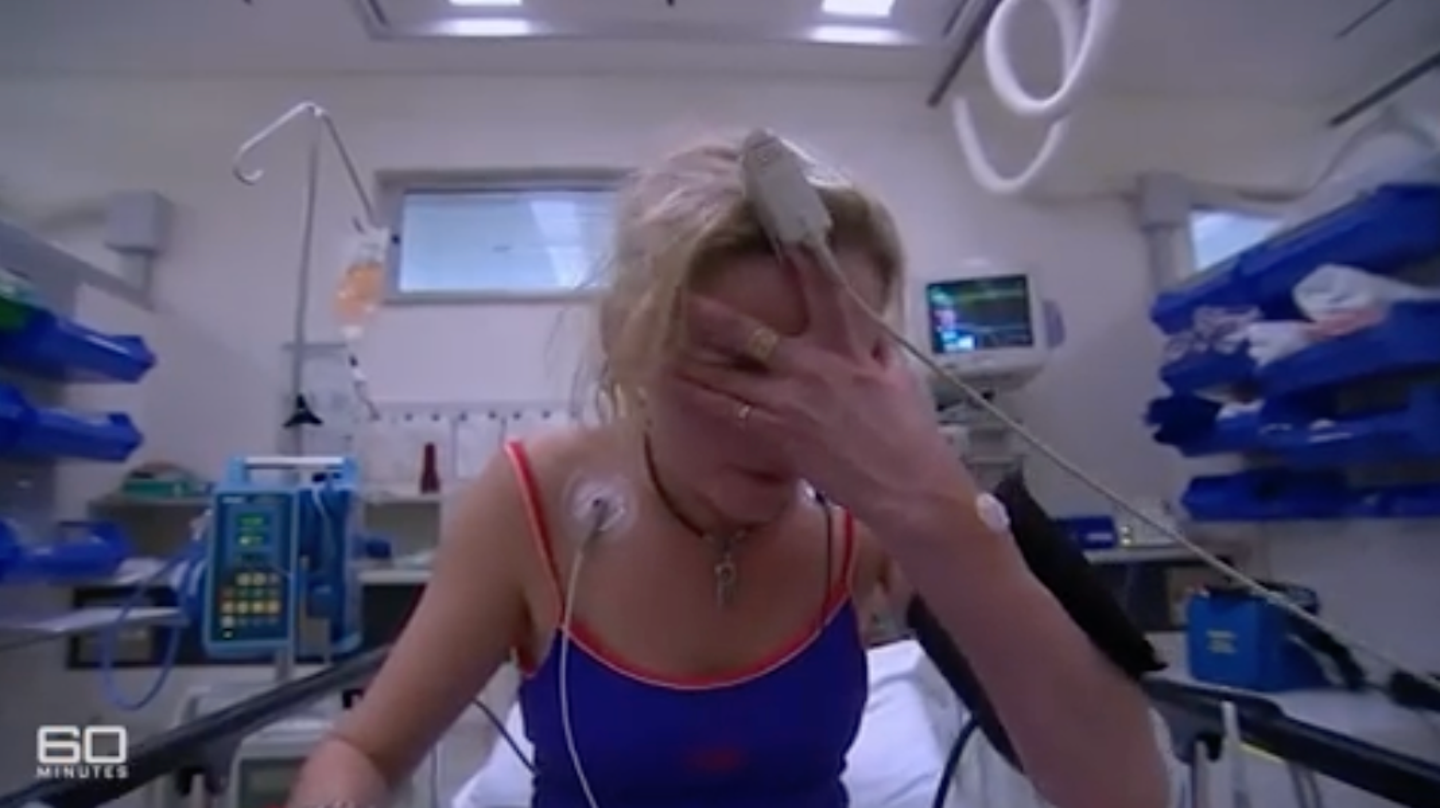
Dr. Teresa Carrette is one person to have survived a Doom Jellyfish sting.
60 Minutes Australia
A 2004 episode of 60 Minutes Australia featured footage of the fallout from Teresa and Jamie Seymour's stings.
advertisement
Fortunately, the ordeal did not kill any of them.
More recently, when Willitts got stung, he believed he was going to die.
advertisement
advertisement
"I didn’t think I was going to get to the hospital in time. I was terrified," he said. "‘At one point lying on the floor, shaking and fighting to breathe, I thought 'this is it, I’m going to cark it.'"
Thankfully, this was not the case, and Will recovered fully after receiving multiple intravenous courses of treatment, including an injection of magnesium to counteract the effects of the jellyfish venom on his body.
advertisement
People have been advised to exercise extreme caution because the Irukandji jellyfish is so small that it has been known to squeeze through stinger-resistant barriers meant to protect beachgoers.
Seeking medical assistance right away is essential if you've been stung by a Doom Jellyfish. Irukandji syndrome symptoms can appear 5 to 45 minutes (usually 20 to 30 minutes) after a sting, according to FINIA.