

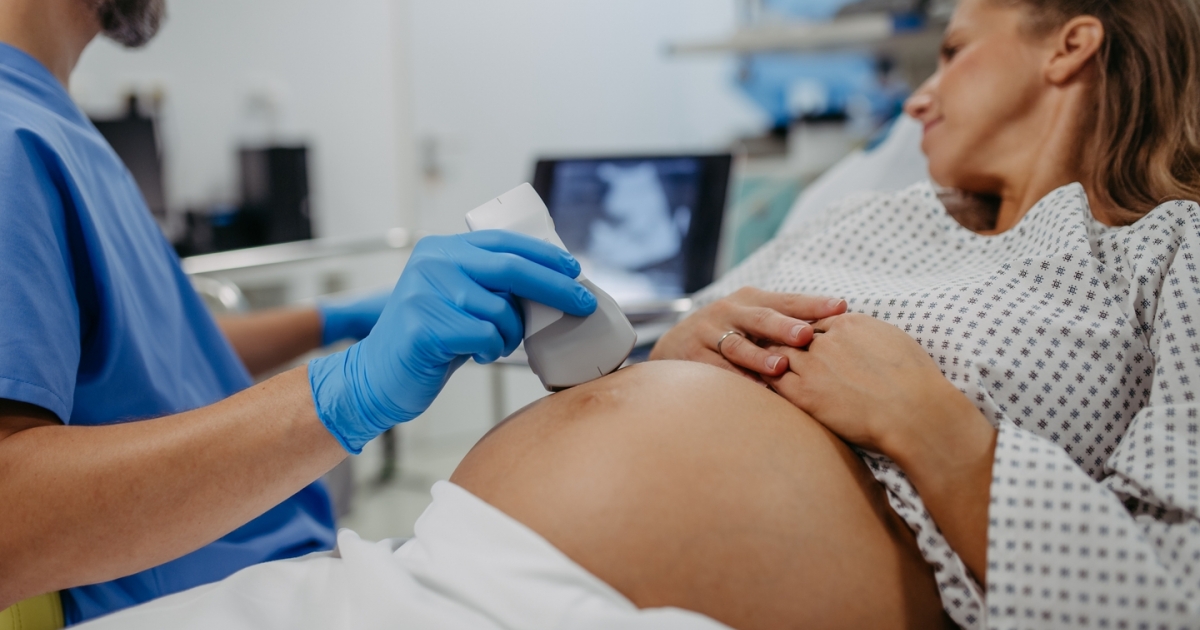
The Pussycat Dolls may have been onto something when they said they don’t need a man...
advertisement
An unexpected birth at a UK zoo has sparked discussions about whether women could one day carry children without male involvement.
Keepers at Exotic Zoo in Shropshire, England, were shocked when one of their female reptiles produced babies, even though she had never been kept with a male partner.
The animal, a casque-headed iguana, delivered eight healthy hatchlings. According to Sky News, each of them is a genetic clone of their mother, making the discovery even more fascinating for researchers and visitors alike.
Scott Adams, the director of the zoo, spoke about the unusual case and said: "It's been a cool experience for us. This is like nature doing it for itself."
"This is one of the rarest events in the animal kingdom. When we confirmed the eggs were fertile without any contact with a male, our jaws hit the floor. These babies are essentially mini-mom clones, and seeing them thrive is incredible."
"For us, it's a powerful reminder that life finds a way in the most unexpected circumstances."
advertisement
Adams described the event as a natural form of 'self-conservation' within the species.
This phenomenon is scientifically known as parthenogenesis, often referred to as a 'virgin birth'. While it’s uncommon, it has been documented in other creatures such as certain sharks, crocodiles, and even stick insects, according to LiveScience.
Following the breakthrough in Telford, experts have started to consider whether something similar could ever occur in humans, raising a mix of curiosity and debate within the scientific community.
Dr. Louise Gentle, a zoology lecturer at Nottingham Trent University, explained that in theory it is 'technically possible'.
"There have been some studies in laboratories that have produced parthenogenic embryos in mammals, but these have involved genetic modification," she told the Mail Online.
She further explained: "To get parthenogenesis in humans, you would need to have individuals with the same chance mutations (there would have to be many mutations) breeding together."
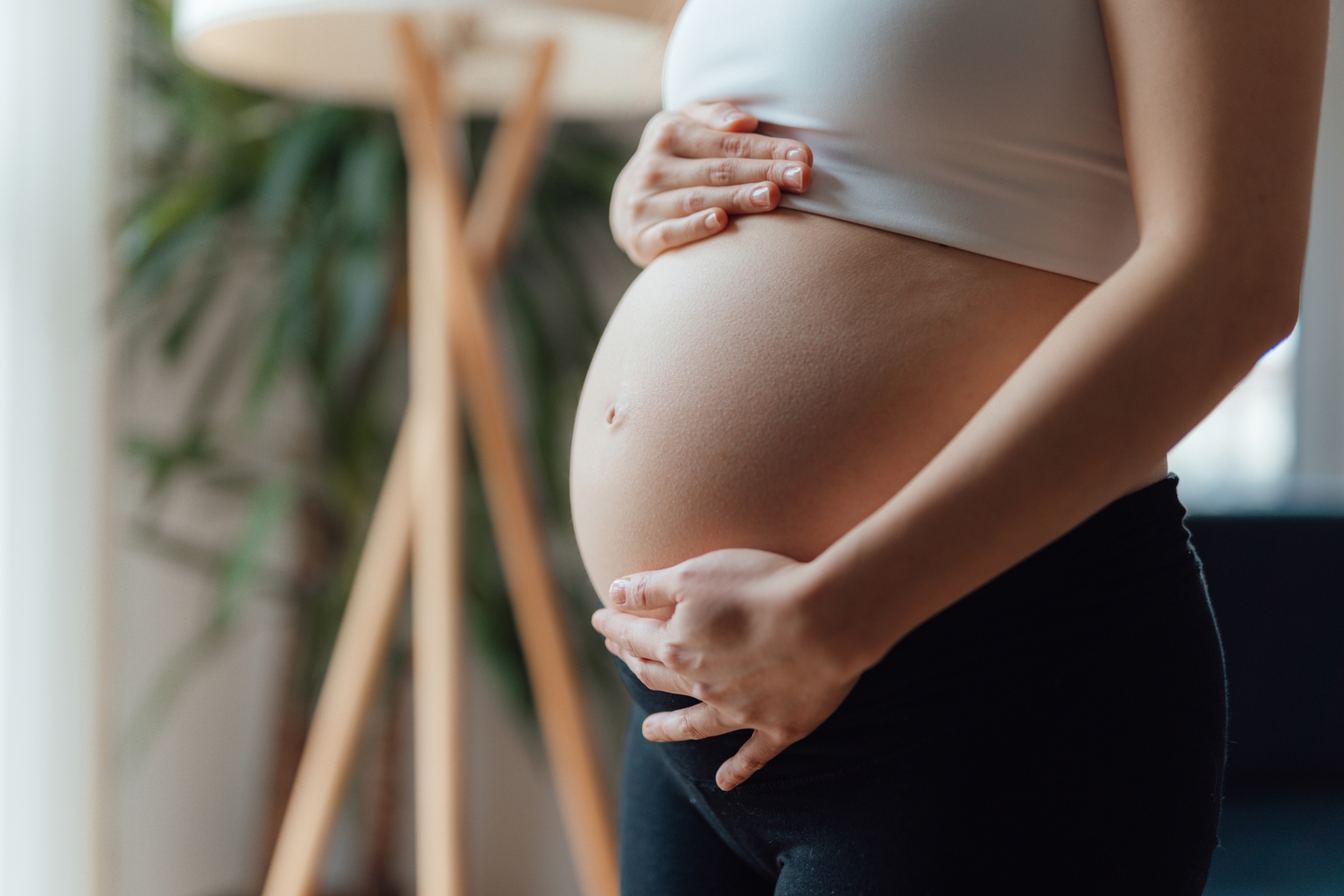
There's a possibly that virgin births may be possible in women
Getty Stock Image
advertisement
"It's an extremely long shot, with a tiny probability, but it is technically possible."
Adding to the discussion, Tiago Campos Pereira, a professor of genetics at the University of São Paulo in Brazil, also shared his perspective.
Pereira explained that humans have strong biological barriers that normally prevent parthenogenesis. However, he noted that genetic changes could, in rare cases, alter those barriers through natural mutations.
advertisement
He elaborated further: "Therefore, in theory, all those barriers might be overcome by a set of specific mutations in the genes responsible for those barriers."
"If a woman happened to have all those specific mutations by chance, perhaps she could have a virgin birth."