

It is predicted that virtual children will replace real children by 2050. The virtual children could be like real things and can be felt through the headset but can be switched off by a button. It will be available to parents for a small monthly fee.
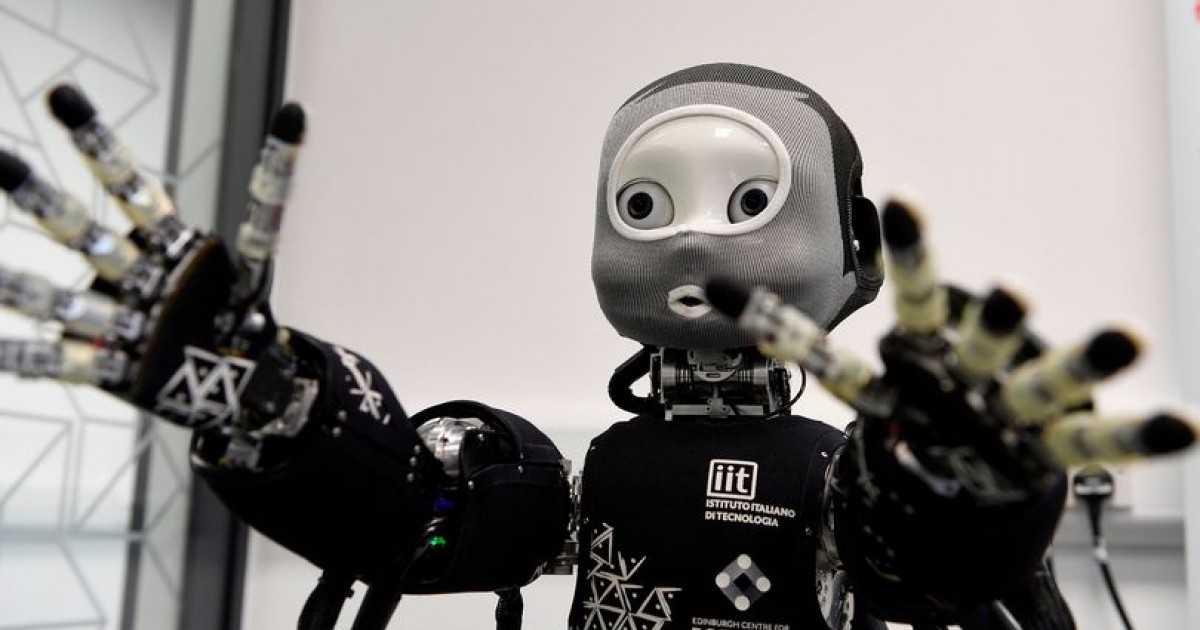
‘Virtual Children’ To Replace Real Kids By 2050 And ‘Help With Overpopulation’
By
Haider Ali in
Science and Technology
On 3rd October 2022
advertisement
According to an AI expert, the number of virtual children born in the metaverse may increase over the next 50 years.
According to author Catriona Campbell, parents will want to look after virtual children in order to feel as though they are actually there with a CGI kid.

Getty Images
According to Campbell, these virtual kids will help the world deal with "overpopulation" because they would be exactly like real children but could be switched off at the touch of a button.
In a book published this year, Campbell predicts the birth of a "Tamagotchi generation" that parents would be able to purchase for a "small monthly fee."
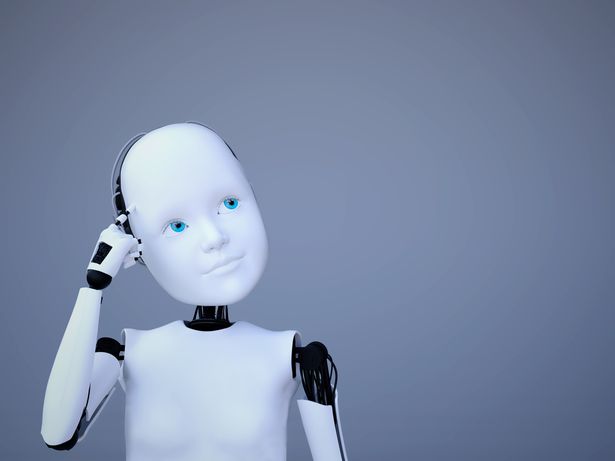
Getty Images
advertisement
In the book, she says: "Virtual children may seem like a giant leap from where we are now, but within 50 years technology will have advanced to such an extent that babies which exist in the metaverse are indistinct from those in the real world."
She adds: "We're already well on our way to creating the Tamagotchi generation which, for all intents and purposes, will be 'real' to their parents.”
"On the basis that consumer demand is there, which I think it will be, AI children will become widely available for a relatively small monthly fee."
Data do not support the assumption that there will be a dangerous overpopulation of the planet. Even while the world's population is projected to keep growing over the coming century, it will eventually flatten and slow down.
advertisement
Western nations with dropping birthrates and aging populations, like Britain, are already experiencing this.
As a result, there will be a lot of open positions in the UK by 2025 as the population starts to fall.
advertisement
In post-industrial societies, population growth tends to slow down as more women join the workforce and contraception becomes more widely accessible.
According to one estimate, the whole human population could fit in a space the size of Los Angeles, though it would certainly not be very pleasant.
Simply put, it's unlikely that virtual children will ever completely replace real ones.