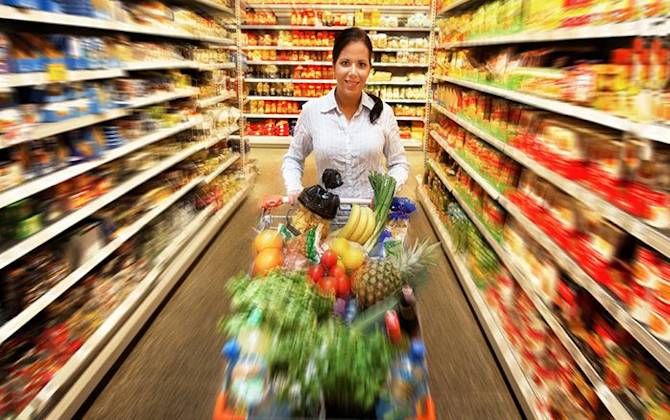
Everything in the supermarket is designed strategically to get the most money out of you. They’ve thought of everything from the heavenly smells wafting out of the bakery to the “incredible” deals at the ends of aisles, to the placement of brands on the shelves that need a little push.
Ways Supermarkets Trick You Into Spending More Money
By
Editorial Staff in
Facts
On 11th August 2016
advertisement
#1 Your Shopping List Is No Good
Supermarket companies spend a lot of money each year in marketing strategies trying to figure out how to get shoppers to buy more items. Using behavioral, social and economic psychology, they discover amazing ways to entice extra purchases, and you may never even know about it. The brightly colored packages and fun displays, are all designed to have you buying even more than you planned, and it works!
#2 Missing Dollar Signs
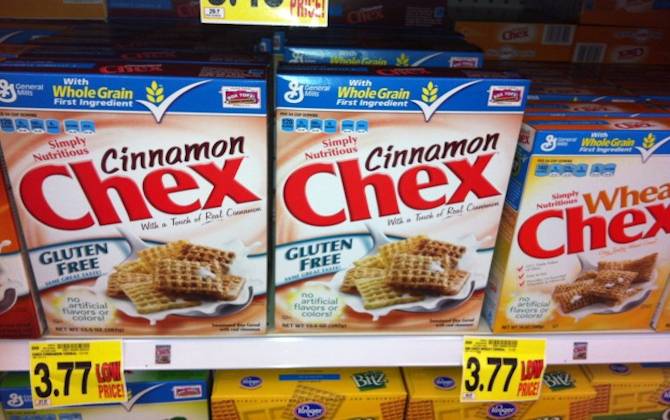
Have you noticed lately that the price markers on the shelves now say "3.99" instead of "$3.99"? The dollar signs are missing, and that is done intentionally. Researchers have found that people think something is leas expensive when there is no dollar sign present because they don't associate it with money. It works in the same way as the use of "$0.99" instead of "$1.00". Our logical brains get tricked into thinking it's cheaper even though it's just one cent less.
advertisement
#3 Fruit & Vegetables
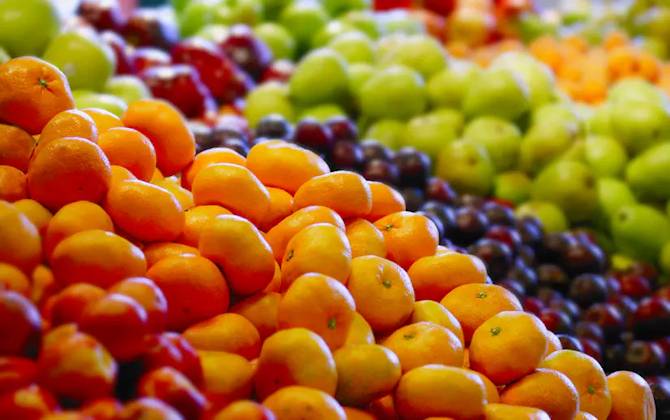
People are attracted to things that are shiny and well displayed. Vegetables are often sprayed with a water mist throughout the day to make them look fresher. They are often displayed in crates to make them look like they have just arrived from the farm. The store makes big money on produce and it doesn't last long on the shelves so it must be sold as fast as possible. That is why it is normally in the front of the store and always stacked neatly to make it look more enticing than it is.
#4 Store Layout
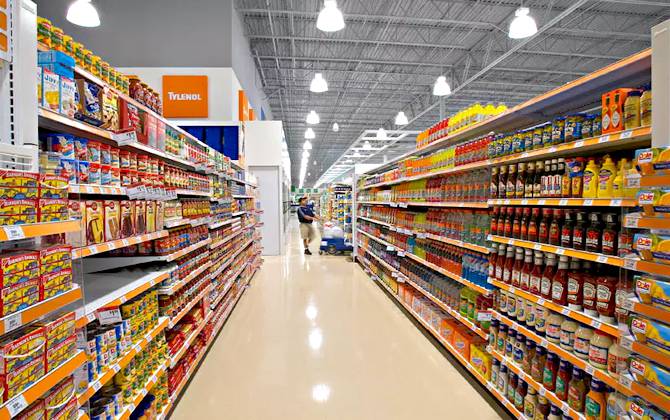
The entire store is laid out perfectly to get the most out of unsuspecting shoppers. From the minute you walk in the door, the path is already planned for you. You are forced to walk all over the store to find the items you need, and that's how they want it. For example, shoppers subconsciously feel the need to go up and down the aisles because it feels like the easiest way to navigate the store. People rarely skip aisles even if they don't need something from that aisle. Also, shoppers are known to push the cart with their left hand, and grab stuff with their right hand, and to move in a counter-clockwise direction. This means they place everything they want to sell to you the most on the right-hand side of the aisle.
advertisement
#5 Huge Shopping Carts
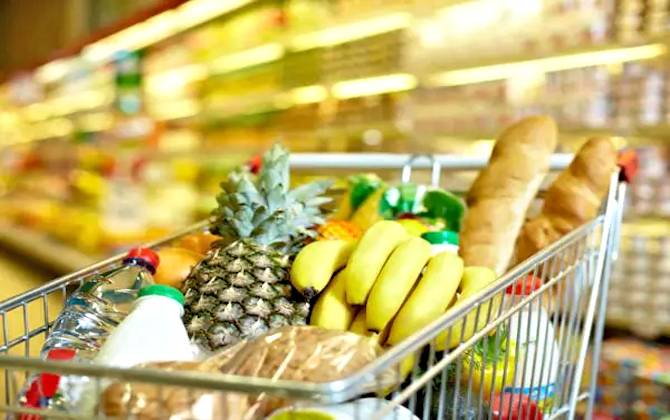
Does it seem like grocery carts are getting bigger? They are. The shopping cart has grown three times its original size since being introduced in 1938. Stores know that you often use the size of the cart as a meter for how much to buy. How often have you thought, the cart is full time to go! Instead of falling for this marketing strategy, use a smaller basket that you have to carry and only pick up what you went in for.
advertisement
#6 Product Placement
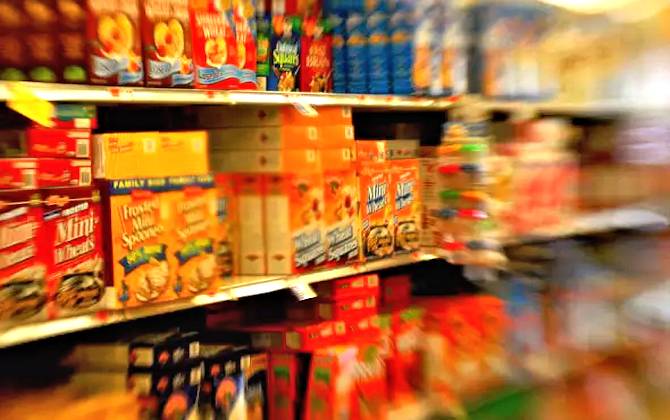
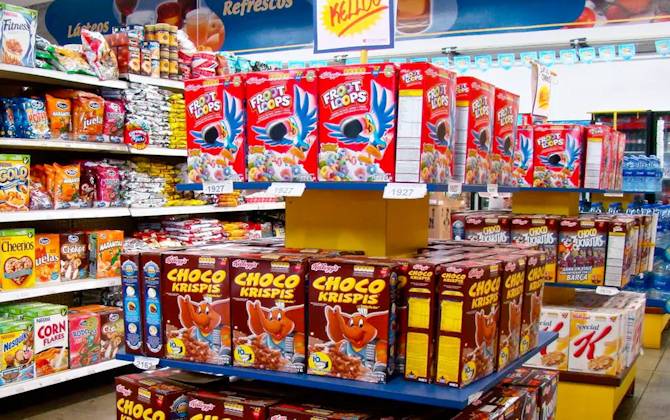
Expensive items are positioned at eye level (1.6m above the ground), whereas items that are meant to appeal to children are positioned at their eye level. The cheapest items or store brands are positioned at the bottom of shelves, as you're least likely to look there first. There's one exception to this: the breakfast cereal aisle puts the sugary cereals at eye level for children, so they can bug you until you buy it for them! Large grocery chains are asking product manufacturers to pay them a fee to place their items at eye level, which is why you see the same brands in the same basic locations no matter where you shop.
advertisement
#7 Long Checkout Lines
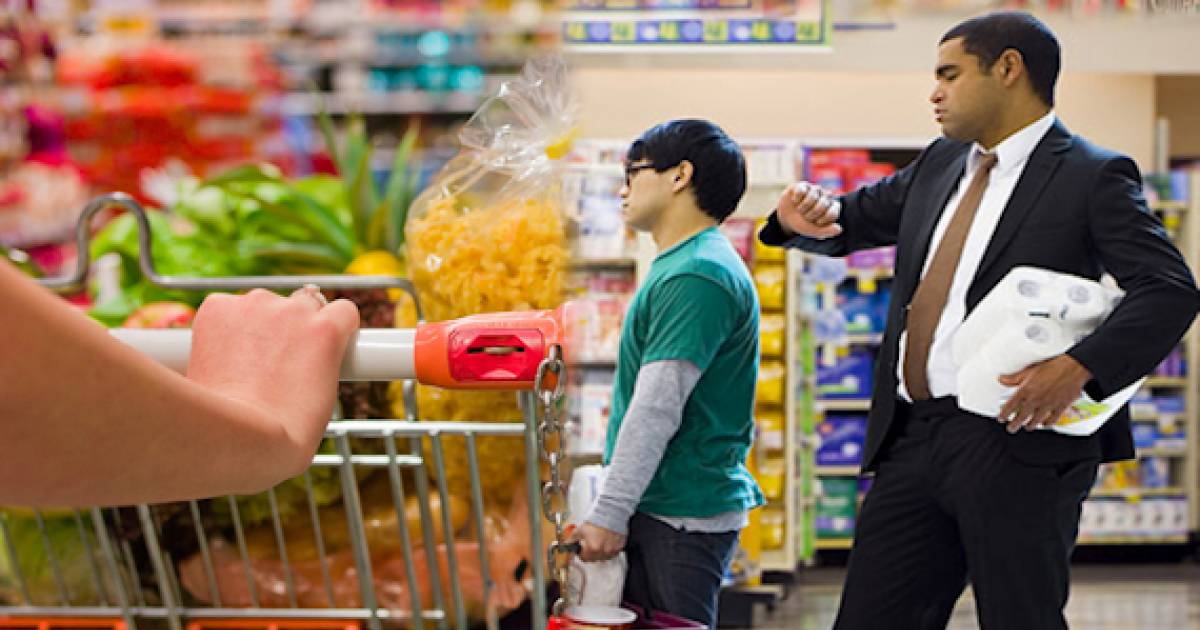
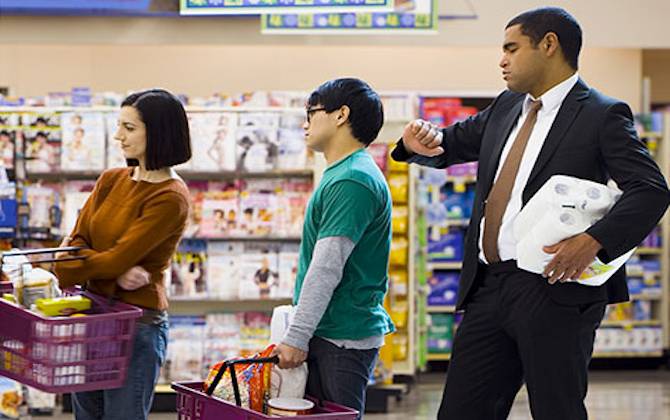
Does there always seem to be a line at the checker at your grocery store? It isn't poor scheduling but by design. Supermarkets know that the longer you hang out near the overpriced candy, gum, drinks, and magazines, the more likely you are to buy something you didn't know you wanted. All the items that line the checkout aisles are the ones with high markup and are the items that are the most profitable for the stores. Resist the urge.
advertisement
#8 Deals That Aren’t Deals
It's hard not to notice the big, loud displays on the end of each aisle. You probably assume these items are on sale or new or otherwise amazing to score such prime real estate. But end cap items are actually often priced up because of their attention-grabbing position. Some researchers have found that just by placing a regularly priced item on the end of an aisle the sales practically doubled. Those big red and yellow signs don't mean you're getting a hot deal, so watch the pricing when you see these displays.
advertisement
#9 Dairy Products Always At the Rear
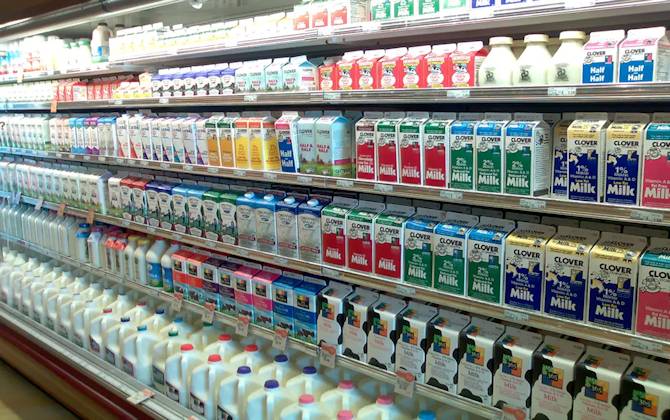
Milk is the number one item most looked for and purchased in the grocery store. The stores have figured out that if you stop by for a jug of milk, you're more likely to purchase something else as well, that's why they put the dairy department all the way in the back of the store. You have to walk through the entire shop to get to the dairy items, encouraging you to pick up more things on the way, like potato chips, cookies, or cereal.
advertisement
#10 The Store Entrance Way
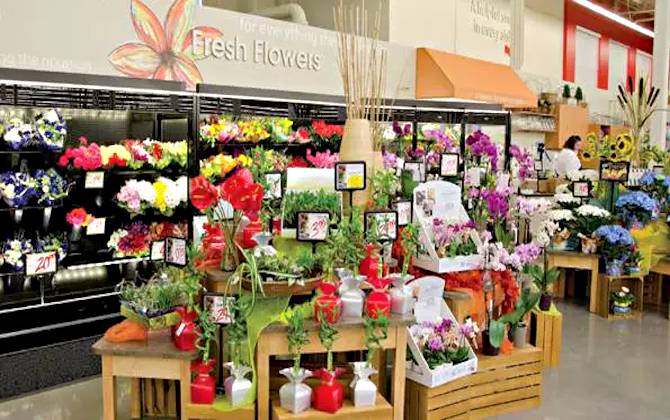
From the moment you step inside a supermarket, you're always hit by bright, bold displays and products in the entrance way. Flowers are also positioned at the supermarket's entrance, usually in a more open display than food. This reminds the shopper of being in a small local market and makes them feel less overwhelmed by the size of the shop which, in turn, encourages them to spend longer there. A lot of stores also place the bakery near the entrance, which means as soon as you enter through the doors you are either hit with the beauty of fresh flowers or the aroma of cookies and bread being baked.
advertisement
#11 Time Well Spent
Supermarkets have everything figured out down to the smallest details. They even try to make you feel as though you are walking faster than you actually are by using smaller floor tiles in the more expensive aisles to make your cart click faster. This trick makes you think you're travelling faster, so you subconsciously slow down and spend more time in the expensive aisle. Another good trick to watch for on your next visit is the rubber mats being used in certain aisles, usually in the produce section. These are placed so that your cart is harder to push and you are forced to stop or slow down and look at what is being displayed.
advertisement
#12 Free Samples
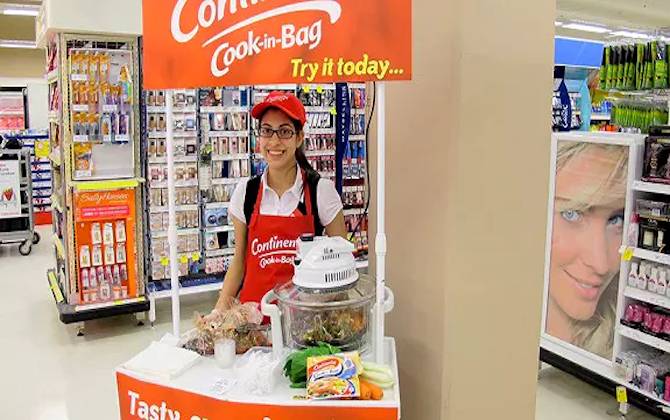
There is no such thing as a free sample. Most people feel uncomfortable taking something without giving something in return, and the grocery stores know this. When the nice little lady hands you samples of yogurt, energy drinks, protein bars or veggie chips, you may be inclined to make an additional purchase to even things out, or purchase the item being promoted. It's a psychological ploy that major food companies like Kraft or General Mills figured out a long time ago. Give somebody something to try for themselves and they are 75% more likely to purchase it. Pay attention to this impulse and only buy the item if it really thrilled you.