

Sweating profusely can be inconvenient at the best of times, but when you're sweating from your feet in the hot, hot weather, it gets a whole lot more stressful. Because nobody wants stinky feet to go along with their perfectly manicured toes, do they?
Ways To Avoid Getting Sweaty And Stinky Feet
By
Editorial Staff in
Health and Fitness
On 13th July 2017
advertisement
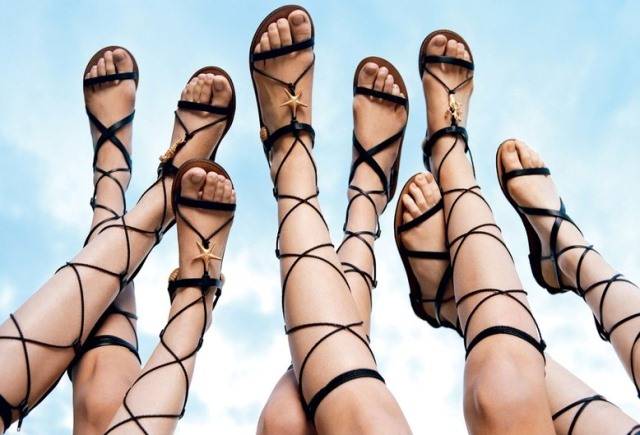
#1 Sweaty feet can become a big trouble during summer, especially if you like to wear high heels sandals. But don’t fret, here are a few tricks.
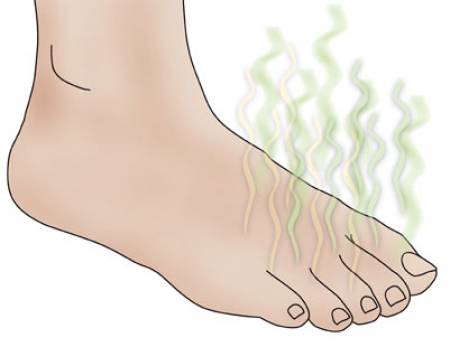
Summer’s soaring temperatures make you sweat more everywhere, including your feet. But this extra perspiration may be turning your feet into a stink bomb.

#2
The bacteria that live on your skin and in your shoes eat your sweat, producing an acid byproduct that reeks, according to a Japanese study. It’s a natural process, but luckily you can reduce the bacteria by creating a drier habitat for your feet, says Rondrick Williamson, DPM, a podiatrist in Atlanta, Georgia.
Podiatrist Dina Gohil, who's teamed up with Canespro Fungal Nail Treatment Set, explains, there's actually good reason for your feet to sweat. "The highest concentration of sweat glands can be found in our feet," she says. "The natural purpose of sweat glands is to provide moisture to the skin that evaporates to help cool us down. It is our body’s way of regulating our body temperature."
advertisement
#3
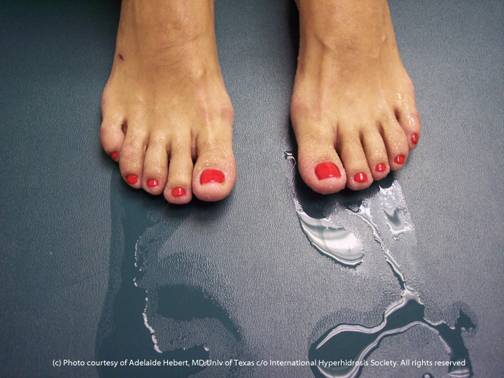
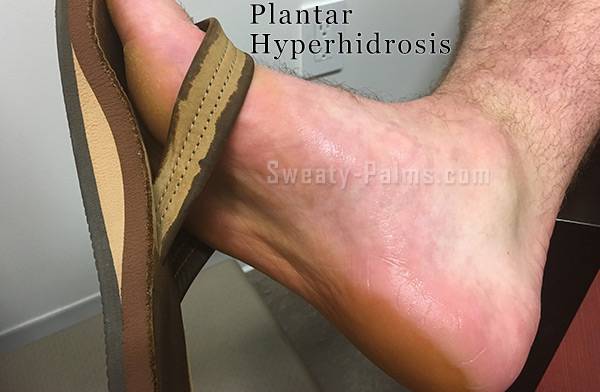
Sweaty feet can lead to or exacerbate problems such as athlete’s foot, plantar warts, or other skin conditions. If the sweating is associated with another medical condition, it is known as secondary hyperhidrosis.
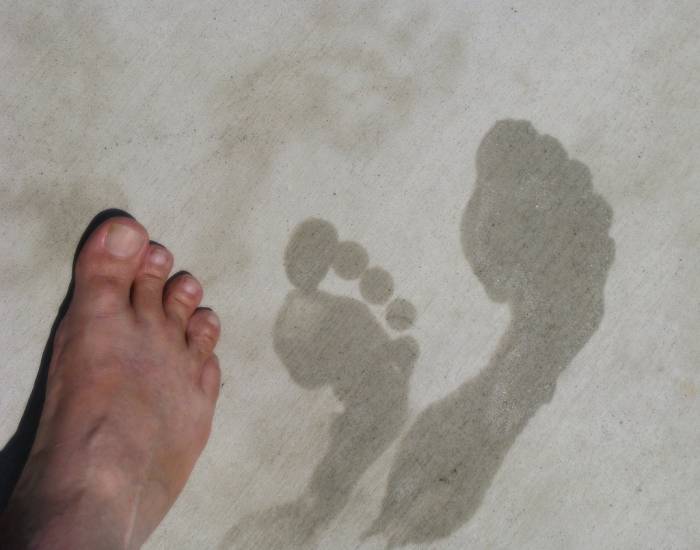
There are over 250,000 sweat glands in each foot. Each foot normally produces a half pint of moisture per day. It’s important to keep in mind that our feet are sweating all the time, and bacteria are naturally present on our skin.
For most people the sweat evaporates quickly, but for others the sweat is trapped within the glands, which allows bacteria to grow. This can be a problem if a person has more than the normal amount of sweat glands in their feet and is prone to excessive sweating.
Keep reading for some easy things you can do to eliminate bacteria so you can walk odor-free.
Wash Your Feet Daily
Keep your feet scrupulously clean. Use warm, soapy water and wash your feet every day, says Langer. Scrub gently with a soft brush, even between your toes, and be sure to dry your feet thoroughly. While getting ready, wash your feet with cold water and put them in socks before you slip on those sexy sandals.
advertisement
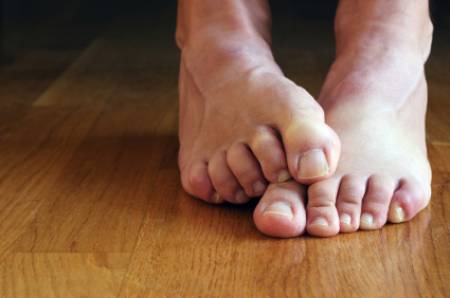
Change Your Socks—Often
Always wear clean, dry socks. Change them when they get sweaty—as frequently as necessary—even a few times a day, says Glenn Copeland, D.P.M.
advertisement
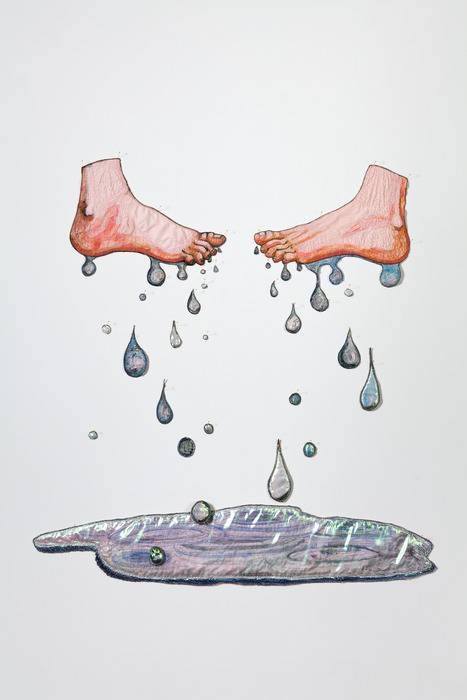
Use foot deodorant
If you’re still not feeling safe, add a bit of foot minty deodorant for confidence or corn starch powder.
This doesn't sound that glamorous, but it can make a difference in the same way it does to your pits. If you don't have any foot deodorant casually lying around, however, (who does?) you could try using "surgical spirit on a cotton wool after your daily wash on a dry foot and in between the toes" expert says.
advertisement
Soak In Saltwater
Salt pulls moisture out of your skin, reducing the amount of bacteria that can survive there, says Al D’Angelantonio, III, DPM, podiatrist and assistant professor of surgery at the Perelman School of Medicine at the University of Pennsylvania.
In a tub or large bowl of warm water, dissolve 1/2 to 1 c kosher salt. Soak your feet for 20 minutes. Do this every day for two weeks.
advertisement
Invite Your Feet to Tea
The acid in the tea closes your pores, reducing the amount you’ll sweat, says Williamson. It also acts as a natural antibiotic, killing the bacteria on your feet.
Add two black tea bags to 1 pint of water and boil for 15 minutes. Add 2 quarts of cool water, and then pour the solution into a tub or large bowl.
Soak your feet for 30 minutes. Do this once a day for a week.
advertisement
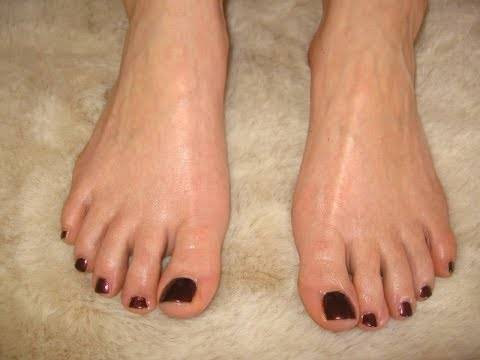
Keep your toenails short and clean and remove any hard skin with a foot file.
Hard skin can become soggy when damp, which provides an ideal home for bacteria. Dab between your toes with cotton wool dipped in surgical spirit after a shower or bath – surgical spirit helps dry out the skin between the toes really well – in addition to drying them with a towel
advertisement
Avoid wearing plastic shoes:
Flip-flops look disgusting after prolonged usage for a reason. The plastic causes feet to sweat. If you have sweaty feet and are choosing a sandal, choose a sandal with a leather top.
advertisement
Invest in leather shoes
Granted, they're more pricy, but your feet will thank you for it by remaining cool and dry. An expert explains leather is a "breathable and flexible material" which will be far better for your feet than "patent or plastic shoes, will not allow for much aeration and will trap the sweat within the shoe, maintaining a warmer environment for the feet."
advertisement
Pick the Right Socks
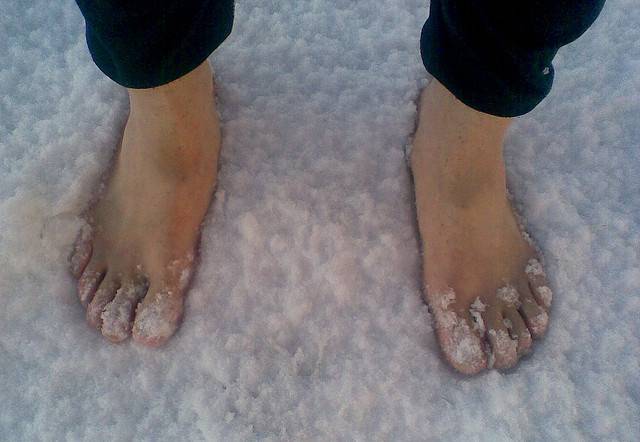
Materials like nylon can trap moisture around your feet. Cotton, however, lets your feet breathe, explains Williamson. And if you tend to sweat more than the average guy, bring an extra pair of socks with you and change halfway through the day, expert says.
Alternate shoes:
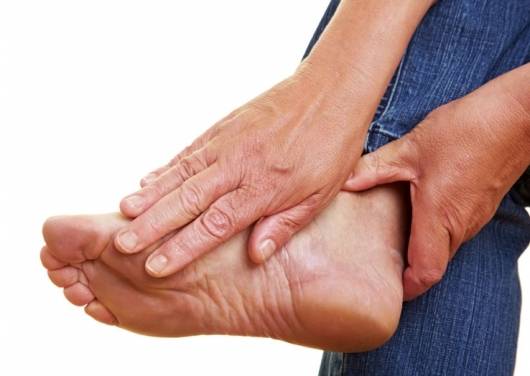
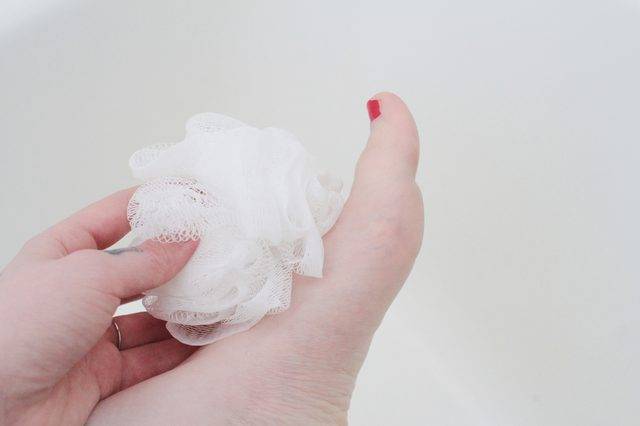
Don’t wear the same shoes multiple days in a row; give the shoes a chance to dry out completely to prevent bacteria and fungus from growing. Alternate shoes at the gym from day to day and don’t keep your shoes in your gym bag. Let your shoes air out and dry.
advertisement
Use Sage
Europeans sometimes sprinkle the fragrant herb sage into their shoes to control odor, Expert says. Perhaps a dash of dry, crumbled sage leaves will do the trick.
Sun Your Shoes
Exposing the insides of the shoes to sunlight can kill some of the fungus and bacteria that cause foul odors, expert says.
advertisement
Watch What You Eat
As bizarre as it may sound, says Levine, when you eat spicy or pungent foods (such as onions, peppers, garlic, or scallions), the essence of these odors can be excreted through the sweat glands in your feet. So, yes, your feet can end up smelling like your lunch.
Stay hydrated
This one's nice and simple. "Drinking plenty of water is another great way to reduce the likelihood of sweaty feet. When your body is hydrated thoroughly, it is easier for the body to regulate body temperatures therefore less likely to sweat as much," explains the podiatrist.

advertisement
Do Your Feet Work Harder Than You Do?
Sometimes feet perspire a lot because they simply work harder than they should, says Neal Kramer, DPM. A structural defect (such as flat feet) or a job that keeps you hopping all day could be the underlying culprit. Either would increase the activity of your foot muscles. And the harder your feet work, the more they perspire in an attempt to cool themselves. “If you correct the underlying problem with an arch support or some other orthotic shoe insert,” says Kramer, “you can actually cut down on the amount of sweat produced. If the muscles don’t have to work as hard, they just don’t give off as much heat.”
Now go and enjoy a sweaty-foot-free summer.