We are continually exposed to organisms that are inhaled, swallowed or inhabit our skin and mucous membranes. Whether or not these organisms lead to disease is decided by the integrity of our body’s defense mechanisms, or immune system. When our immune system is working properly, we don’t even notice it. But when we have an under- or over-active immune system, we are at a greater risk of developing infections and other health conditions.
advertisement
#1
What Is the Immune System?
The immune system is an interactive network of organs, cells and proteins that protect the body from viruses and bacteria or any foreign substances. The immune system works to neutralize and remove pathogens like bacteria, viruses, parasites or fungi that enter the body, recognize and neutralize harmful substances from the environment, and fight against the body’s own cells that have changes due to an illness.

According to the Centers for Disease Control, influenza viruses continue to wreak misery in 41 states. Got your flu shot? Good, do it again next year.
However, keep in mind that other viruses cause respiratory illness: parainfluenza viruses, adenoviruses, coronaviruses, rhinoviruses….not to mention bacteria such as Streptococcus.
Despite the fact that your world teams with infectious microorganisms, most of the time, you’re reasonable healthy, right? Thank your immune system, which defends you from disease-causing microbes. Now, step beyond gratitude to optimize the function of that system.
#2 Get enough Sleep.
Whatever amount of sleep you need to feel refreshed in the morning, whether that’s 6 hours or 10—make sure you get it! Insufficient sleep depresses the immune system, opening the door to colds, upper-respiratory infections, and other nagging ills. Also consider your caffeine intake, and don’t let it keep you from getting a good night’s sleep.

Sleep deprivation and stress overload increase the hormone cortisol, prolonged elevation of which suppresses immune function.
advertisement
#3 Drink Plenty Of Water
One of the benefits of drinking water is that adequate hydration has a huge impact on your immune system. Water helps all of your body's systems function at optimum levels. Drinking plenty of water flushes toxins and ensures that your cells get all of the oxygen they need to function as they were meant to. Here's how drinking water affects your immune system.
Even overnight, during what amounts to an 8-hour fast, your immune reserves are being drained. Hydration becomes even more important when you’re sick. Fluids not only transport nutrients to the illness site, but also take toxins away for disposal. Green, rooibos, or herbal tea is another immune-friendly vehicle for consuming water.

1 Water Oxygenates Your Blood and Flushes Toxins.
2 Water Helps in the Production of Lymph.
3 Water Keeps Your Eyes and Mouth Clean.
4 Water Helps You Digest Your Food.
5 Water Prevents and Treats Common Chronic Ailments.
#4 Ginger
Ginger has been found in the scientific research to help balance the immune system to restore it to proper functioning. Ginger has also been found to enhance the protective functions of the immune system. You should seek the advice of a medical professional before you try to treat any medical condition with ginger.
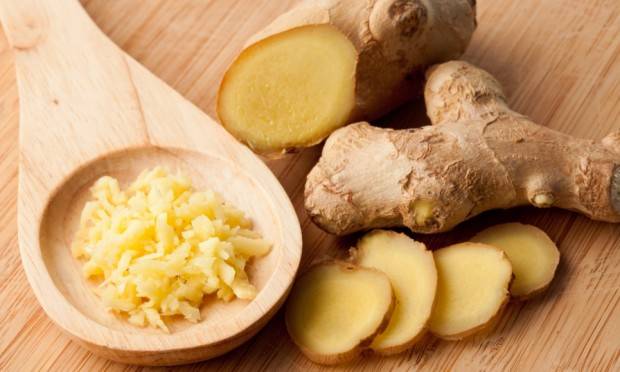
Ginger plays a good role to boost the Immune system. some of its important roles are:
1. An Anti-Inflammatory for Asthma.
2. Ginger has also been found to be an antioxidant.
3. Ginger has been found to activate T-cells,T-cells are an important part of the immune system. They are a group of white blood cells capable of destroying cells infected by virus as well as tumor cells. Therefore, ginger supports the body’s natural defense against disease.
4. Ginger has been shown in the scientific research to protect against the harmful effects of xenobiotics in rats, Xenobiotics are foreign substances to the body that are neither a part of the normal diet nor are they produced by the body.
advertisement
#5 Vitamin D
The majority of adults and children in the U.S. are deficient in the sunshine vitamin, putting them at greater risk for all infections. A number of recent medical trials have demonstrated that individuals with the lowest levels of vitamin D had the highest rates of serious illness and infections.
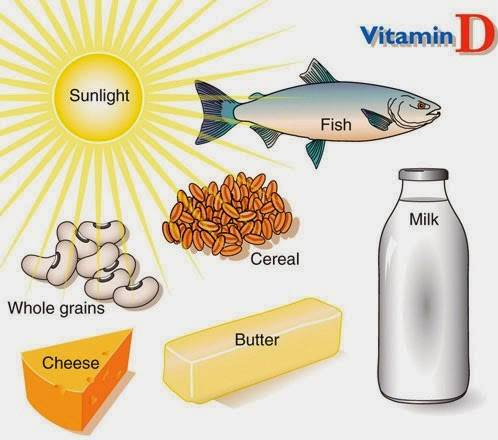
You can get Vitamin D naturally by daily exposing your arms and face for 20 minutes in the sun, but most people need more than this. Good dietary sources include good old fashioned cod liver oil,grassfed beef liver, egg yolks from pasture-raised chickens, and fatty fish like salmon.
You can also buy liquid Vitamin D supplements which are very effective and easy to take.
advertisement
#6 Drink less alcohol.
When your body senses a foreign bacteria or pathogen, it mobilizes immune cells called macrophages out of the bloodstream and into the part of your body that is being invaded that essentially "eat" the bad bacteria. Alcohol inhibits the macrophages’ ability to do this, and it also reduces your body's ability to produce inflammatory compounds that stun invading bad bacteria before the macrophages can break them down.

The immune system works to protect your body in the long term is to identify and develop immunity to a particular pathogen. While researchers don’t entirely know why, alcohol reduces the number of T cells in your body, which are responsible for this protection, along with B cells. This leads to a reduced response toward infections. Alcohol also impairs the function and sometimes growth of B cells, the cells responsible for making antibodies against toxic substances like bacteria.
advertisement
#7 Pomegranates:
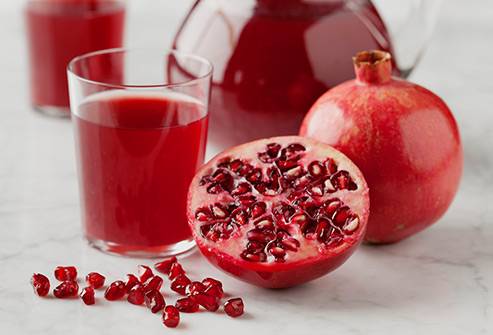
This fun-to-eat fruit is packed with powerful antioxidants and vitamin C to help boost your immune system. Plus, it helps to prevent the oxidation of LDL cholesterol, supports nitric oxide production, and may reverse atherosclerosis (hardening of the arteries). Pomegranates are also high in fiber, which can help support healthy cholesterol and blood sugar levels and they also help to slow the progression of prostate cancer.
advertisement
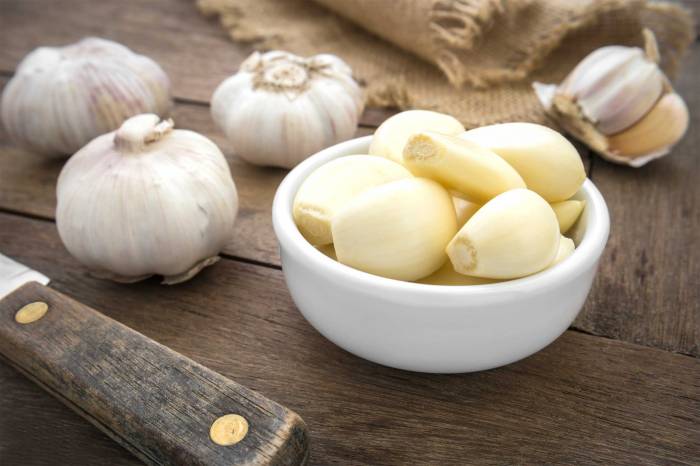
#8 Garlic
This pungent member of the onion family contains several compounds—including allicin—that have antiviral, antifungal, and antibacterial properties. Together, they boost your immune system throughout the cold and flu season. Plus, garlic is an excellent natural blood thinner, helps to lower cholesterol and high blood pressure, and may protect the blood vessels from developing atherosclerosis.
advertisement
#9 Yogurt
Yogurt that hasn't been pasteurized contains Lactobacillus acidophilus-a healthy bacteria that makes milk become yogurt. It also fights off fungus-related infections, which is one of the reasons why yogurt is good for you. It works by helping to prevent the overgrowth of fungus that shouldn't be able to grow in your body.
If you aren't a big fan of yogurt, you can take Lactobacillus acidophilus in supplement form. Take 20 milligrams twice daily.

advertisement
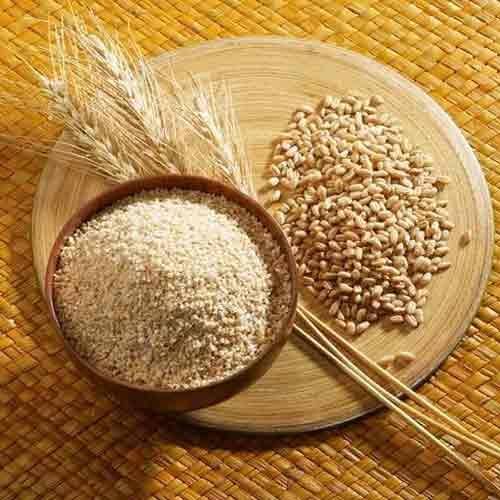
#10 Oats and Barley
These grains contain beta-glucan, a type of fiber with antimicrobial and antioxidant capabilities more potent than echinacea, reports a Norwegian study. When animals eat this compound, they're less likely to contract influenza, herpes, even anthrax; in humans, it boosts immunity, speeds wound healing, and may help antibiotics work better.
Your optimal dose: At least one in your three daily servings of whole grains.
advertisement
#11 Shellfish
Shellfish isn’t what jumps to mind for many who are trying to boost their immune system, but some types of shellfish are packed with zinc.
Zinc doesn’t get as much attention as many other vitamins and minerals, but our bodies need it so that our immune cells can function as intended.
Varieties of shellfish that are high in zinc include:
*crab
*clams
*lobster
*mussels

Keep in mind that you don’t want to have more than the daily recommended amount of zinc in your diet. For adult men, it’s 11 milligrams (mg), and for women, it’s 8 mg. Too much zinc can actually inhibit immune system function.
advertisement
#12 Green Tea
Both green and black teas are packed with flavonoids, a type of antioxidant. Where green tea really excels is in its levels of epigallocatechin gallate, or EGCG, another powerful antioxidant. EGCG has been shown to enhance immune function. The fermentation process black tea goes through destroys a lot of the EGCG. Green tea, on the other hand, is steamed and not fermented, so the EGCG is preserved.

Green tea is also a good source of the amino acid L-theanine. L-theanine may aid in the production of germ-fighting compounds in your T-cells.
#13 Almonds
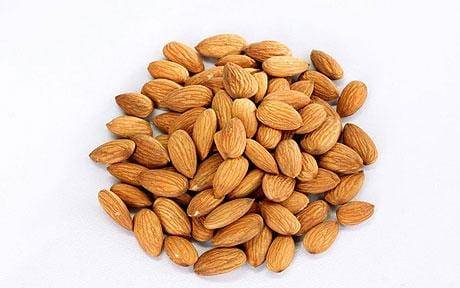
A new study has revealed that naturally occurring chemicals found in the skin of the nut boost the immune system's response to such infections.
Researchers found almond skins improved the ability of the white blood cells to detect viruses while also increasing the body's ability to prevent viruses from replicating and so spreading inside the body.
They discovered that even after the almonds had been digested in the gut, there was still an increase in the immune system's defence against viruses.