

A woman says a weight-loss jab left her with a black tongue and a gallbladder surgery.
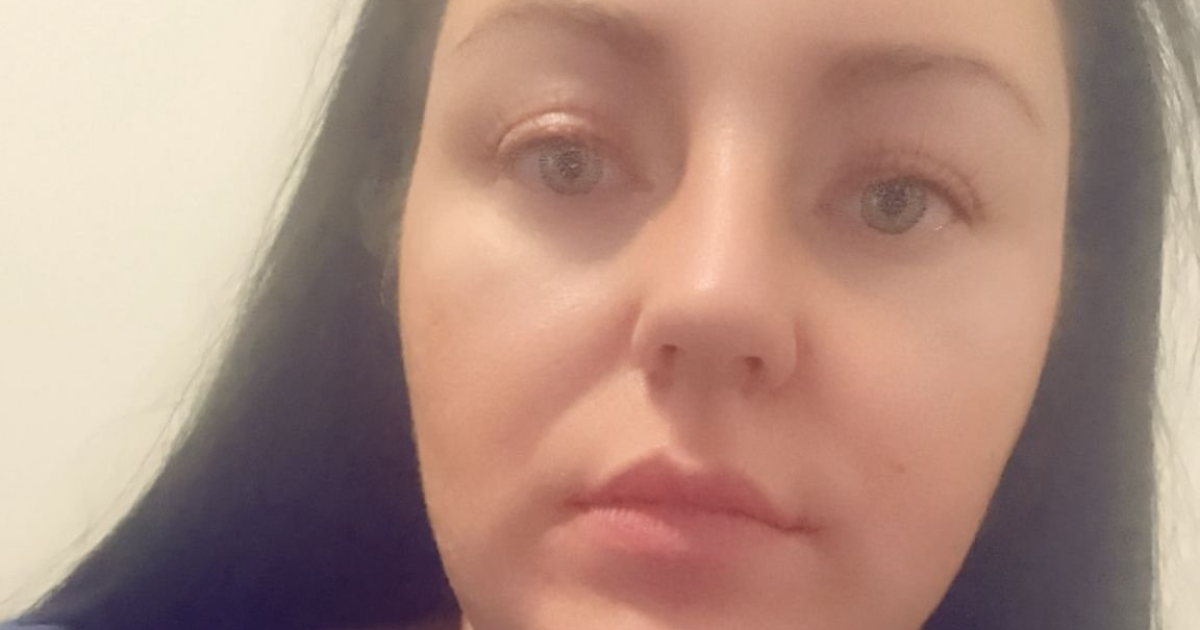
Woman Shares Bizarre Side Effects From Weight-Loss Drug After Her Tongue Turned Black
By
maks in
Health and Fitness
On 15th April 2026
advertisement
A woman says weight-loss injections left her with a jet-black tongue and later led to her gallbladder being removed. What started as an effort to slim down before her wedding ended with a medical scare she says she never expected.
Sarah-Jayne Crawford, 32, began taking Wegovy in August 2024 after her weight reached 19 stone 9 pounds, or 275 pounds. She hoped the medication would help her lose weight after struggling for years to make progress through other methods.
The mom of one wanted to drop some weight before her wedding in November 2025. She paid $269 through an online pharmacy for a month's supply of the injections at a 0.25mg dose.
But after 12 weeks on the medication, and another $474 spent as her dose increased to 1mg, things began to change in a worrying way. Sarah said she started dealing with sharp pain high in her stomach, repeated vomiting, and then woke up one morning in December to find that her tongue had turned jet black.
The strange change did not come on its own. She also said she could no longer handle spicy foods, had severe pain in her mouth, and was dealing with foul sulphur burps that smelled like eggs.
Worried that something was seriously wrong, she went to the emergency room. CT and MRI scans showed multiple gallstones blocking her bile duct, along with diverticulitis, which is inflammation in bulging pouches in the wall of the large intestine, and she stopped taking the injections completely.
advertisement
In February 2025, she had a cholecystectomy to remove her gallbladder after doctors found the stones. The procedure marked the most serious point in a chain of symptoms that had started while she was using the drug.
Now, after coming off the injections and getting through surgery, Sarah says she is still confused by the black tongue symptom. She has chosen to speak publicly because she wants other people to know that the side effects can be more serious and more unusual than they might expect.
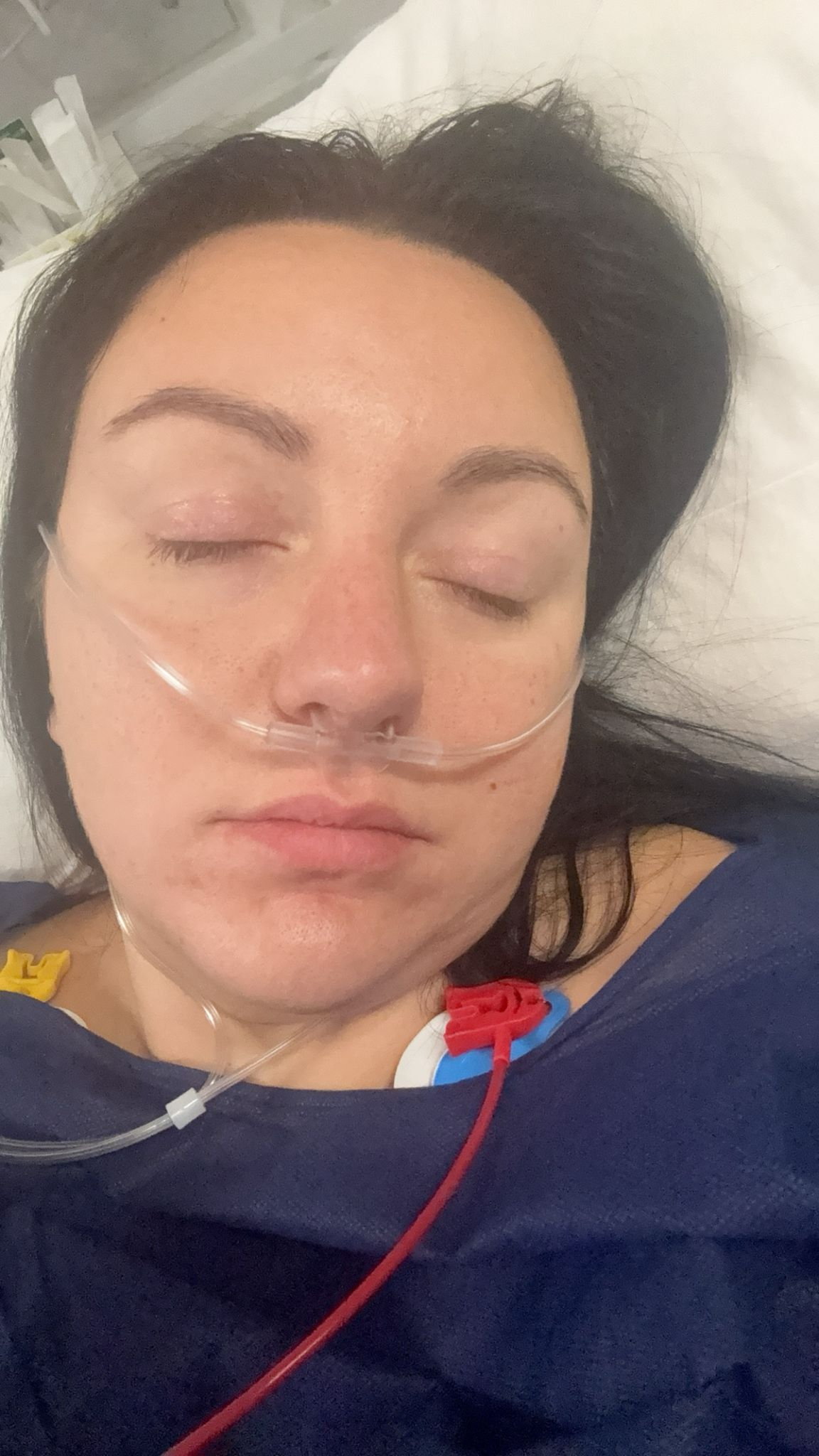
Sarah-Jayne Crawford ended up in hospital after falling unwell while taking Wegovy
SWNS
Sarah, who works as a personal secretary for the NHS and lives in Antrim, Northern Ireland, said: "Wegovy was my last resort. I know a lot of people who are on the jabs and it worked like a dream for them."
"I had been battling my weight for what felt like forever and I was dying to slim before my wedding, but dieting, exercising and starving myself never worked. Before, I had heard stories about the dangers and my friend even joked about gallstones."
"But when the pain left me unable to leave my bed I knew something was up. The black tongue seemed like a cherry on top and a warning of what was to come."
advertisement
"Never did I think this would happen to me."
Sarah said weight had been a struggle for most of her life. After her partner proposed in September 2022, she felt stronger pressure to change her size before the wedding and started looking harder at options that might finally work for her.
Because, in her words, more traditional methods had never worked, she paid $269 through an online pharmacy for a two-month supply of Wegovy at a 0.25mg dose. For her, it seemed like a practical next step after years of frustration.
advertisement
Why she decided to try Wegovy
Sarah's reason for taking the drug was tied closely to a personal deadline. With her wedding set for November 2025, she wanted something that might finally help after dieting, exercise, and even periods of starving herself had not brought lasting results.
She also said she had heard mixed things before starting. Some people around her had success on the injections, while other stories were more cautionary, which meant she went into it with hope but not without concern.
That mix of pressure, hope, and worry shaped her decision. At the time, she says the jab felt like a last resort rather than a casual choice.
advertisement
"At the start, everything seemed fine," she said. "My appetite slowly disappeared and I felt great for the wedding. But I wasn't noticing a huge amount of change."
After 12 weeks on the injections, she began going through what she described as episodes of severe pain in her upper stomach, along with repeated vomiting. What started as stinging pain then turned into what she called an excruciating trapped-wind feeling, leaving her stuck in bed.
Then, over the course of just 24 hours, she noticed another alarming change. Her tongue had turned black, which added one more symptom to a situation that was already becoming harder to ignore.
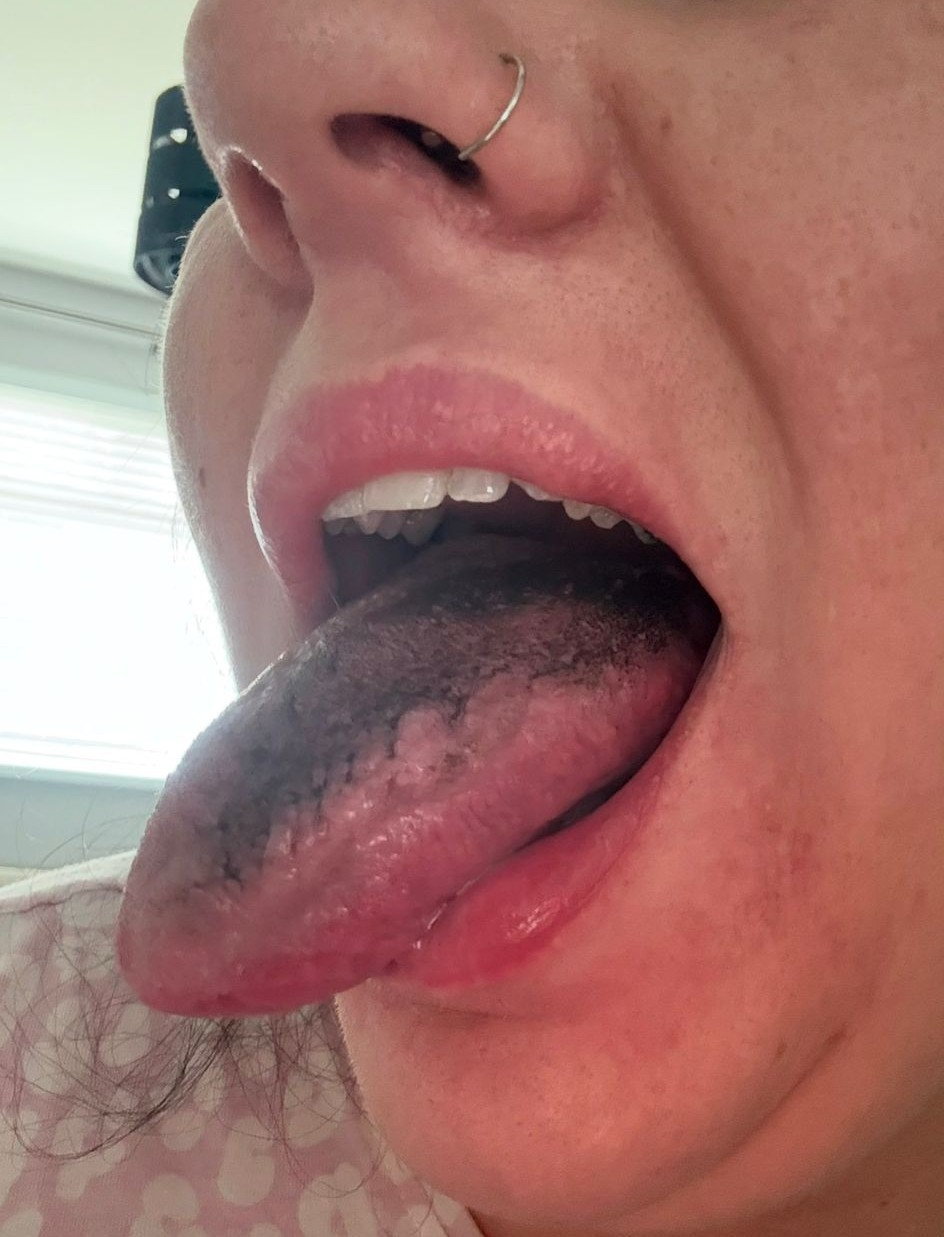
The mom-of-one was shocked to find that her tongue had changed color
SWNS
advertisement
"It all happened so quickly," Sarah said. "It went from really sharp pains that were enough to leave me bed bound."
"To having sulphur burps, that smelt of egg, and a black tongue. It was terrible."
Sarah went on: "I have a child, so it was very difficult to take time off work. But the pain was so unbearable I couldn't walk."
advertisement
"I would rather give birth to five kids at the same time than go through with the pain again."
According to the National Center for Biotechnology Information, semaglutide, which is the active ingredient in Wegovy and is used to improve glucose control and support weight loss, is known to cause dry mouth, bad breath, and sulphur-smelling burps because digestion slows down. It can also reportedly play a role in a black-coated tongue.
Once she became concerned, Sarah stopped taking the injections right away and went to the hospital. Emergency MRI and CT scans then showed that multiple gallstones were blocking her bile duct and putting her at risk of pancreatitis.
advertisement
How the symptoms built up
What made the experience more unsettling was how many different symptoms appeared close together. The stomach pain, vomiting, sulphur burps, mouth pain, and black tongue all added up to something that felt far beyond a normal reaction.
For Sarah, the change was not just physical. It also affected daily life in a serious way, especially because she has a child and could not easily step away from work and regular responsibilities.
That made the decision to go to the hospital more urgent. By the time she sought help, the pain had become too strong to manage at home.
advertisement
She was later scheduled for a full cholecystectomy, which is surgery to remove the gallbladder, on February 10, 2025. Her surgeon also told her to stay off Wegovy so she could safely go under anesthesia for the operation.
"By this point, I was 18 stone and had hardly lost any weight," she said. "The procedure was about an hour and I cracked on with the recovery."
"I'm slowly transitioning back to normal and eating more food now, but I'm still far from normal."
advertisement
Since stopping the injections in December 2024, Sarah says the color of her tongue has returned to normal. That change may have brought some relief, but it did not erase the wider impact of the experience or the recovery that followed surgery.
A spokesperson for Novo Nordisk, one of the manufacturers of Wegovy, issued a statement after Sarah shared what had happened. The company said: "Patient safety is of the utmost importance to us at Novo Nordisk. To ensure healthcare professionals have a detailed understanding of our medicine's safety profile, the adverse reactions we have observed in clinical trials are detailed in our medicine's Summary of Product Characteristics (SmPC)."
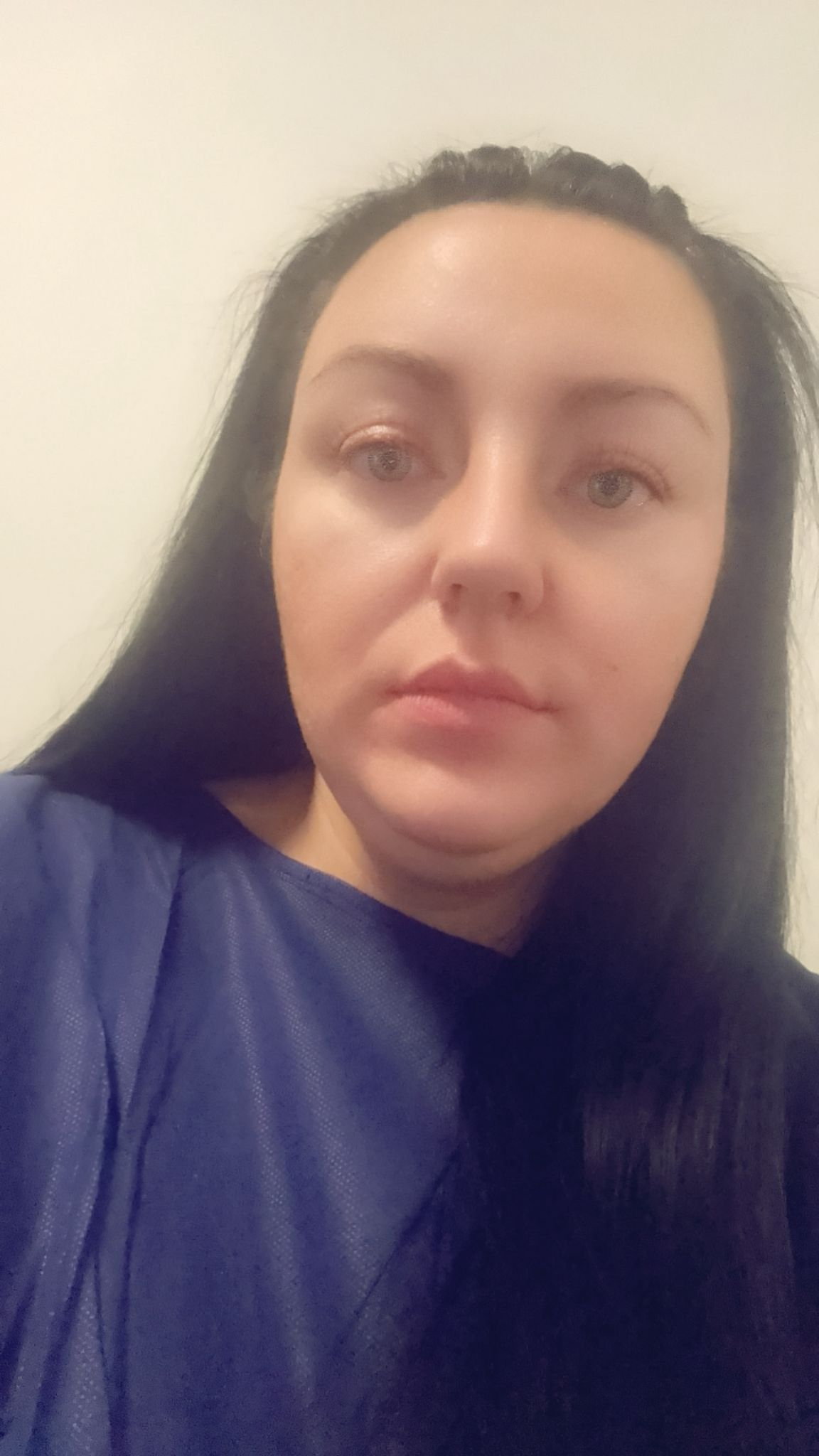
She's now wanting to raise awareness about the possible side effects of GLP-1s
SWNS
"In the registrational trials for this medicine, cholelithiasis (acute gallstone disease) was reported in 1.6% of patients and led to cholecystitis in 0.6% of people living with obesity treated with semaglutide 2.4 mg."
"For this reason, acute gallstone disease (cholelithiasis) is listed as a "common" potential adverse reaction for Wegovy (semaglutide injection) in the product's UK SmPC and should be considered when patients are being evaluated for this medicine."
"As part of this work we also monitor reports of adverse drug reactions through routine pharmacovigilance."
advertisement
"If you know of someone who might be experiencing side effects from any medicine, we would advise you to report it to your healthcare provider, and via the MHRA Yellow Card Scheme."
The company's response focused on known side effects, product safety information, and formal reporting channels. While Sarah's case involved a symptom that she found especially strange, the statement pointed people back to healthcare providers and official systems for reporting adverse reactions.