

You already know smoking is harmful, but the effects can begin much sooner than many people realize
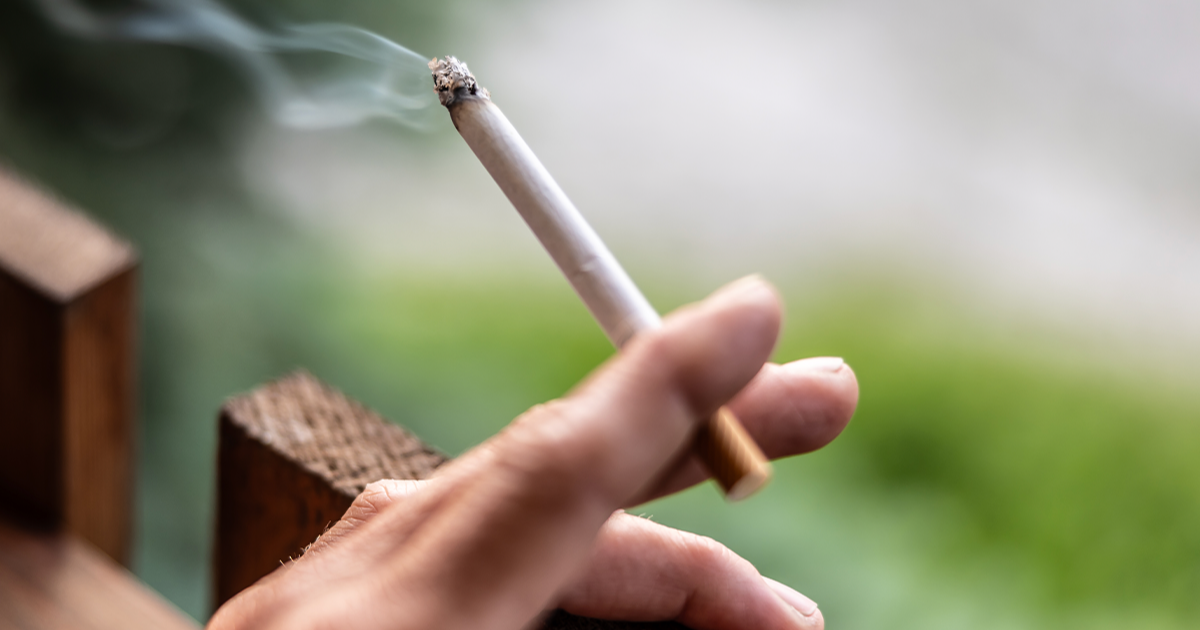
Startling Changes That Can Happen To The Human Body After Just One Puff Of A Cigarette
By
maks in
Health and Fitness
On 9th March 2026
advertisement
By 2026, most people already understand that smoking is harmful to the body.
In fact, if you asked a doctor about almost any part of the body, they could likely explain how smoking affects that specific area.
Over the long term, smoking causes tar to build up in the lungs. This buildup irritates the airways and can lead to the familiar condition many people call a “smoker’s cough.”
The lungs are only one part of the body affected. Cigarette smoke spreads chemicals throughout the bloodstream, which allows the damage to reach many organs.
Smoking also raises blood pressure and increases cholesterol levels, both of which place additional strain on the heart.
Over time this strain raises the risk of heart disease and other serious cardiovascular problems.
Researchers have also confirmed a strong link between smoking and lung cancer. In addition, tobacco use has been connected to several other forms of cancer affecting different parts of the body.
Put simply, smoking carries serious health risks, and the image of cigarettes looking stylish has never been enough to change the science behind those risks.
advertisement
Many people accept that smoking regularly harms the body. However, some may still wonder what happens if someone only takes a single puff from a cigarette.
A detailed 704-page report titled How Tobacco Smoke Causes Disease, published by the Office of the U.S. Surgeon General, explains that the harmful effects of tobacco can begin almost immediately.
This means the body begins reacting to the smoke as soon as it enters the mouth and lungs, even if the exposure is brief.
Anyone who has tried a cigarette for the first time may remember the coughing or spluttering that often happens during that first attempt to inhale the smoke.

Smoking can cause a huge number of conditions
Getty Stock
This reaction occurs because the smoke irritates the lining of the nose, throat, and esophagus.
The irritation can cause dryness in the mouth and contribute to unpleasant breath because the smoke disrupts helpful bacteria that normally live in the mouth.
Within about 20 minutes, nicotine entering the bloodstream can cause noticeable changes in the body.
Blood pressure begins to rise, heart rate increases, and the sense of smell becomes less sensitive.
If someone decides that a single puff is enough and stops immediately, the body can begin clearing the chemicals relatively quickly.
Within about 48 hours, nicotine and carbon monoxide levels start dropping as the body works to remove them.
advertisement
During that time, the lungs begin clearing the extra mucus that they produced as a protective response to the smoke.
As this process continues, many people notice that their senses of taste and smell slowly return to normal levels.
However, if smoking continues over time, additional symptoms may begin to appear.
Repeated exposure to tobacco smoke can cause visible staining on the fingers and teeth due to the tar contained in cigarettes.
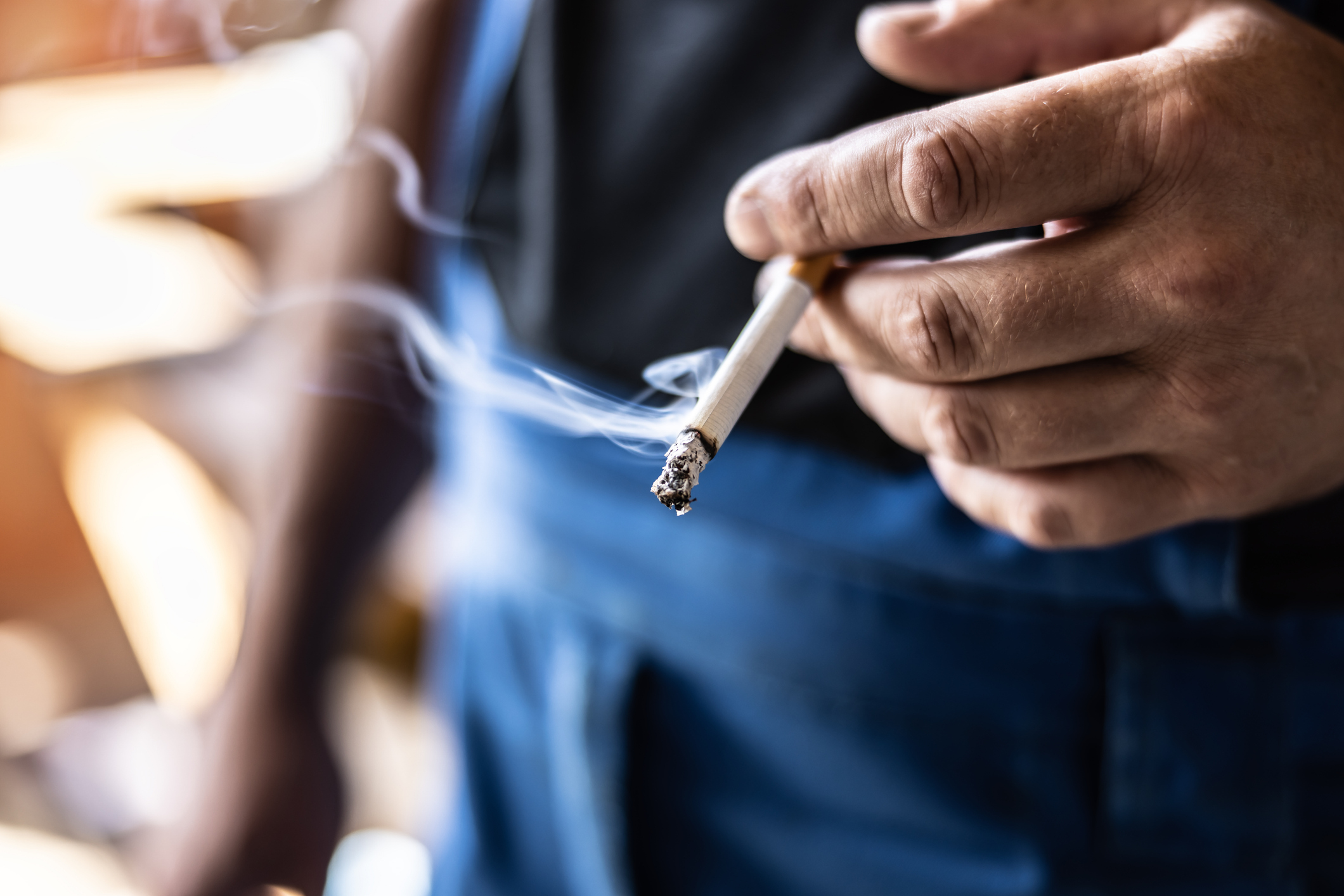
Stopping smoking can also see immediate benefits
Getty Stock
advertisement
Smoking can also dull the senses of taste and smell. As a result, people who smoke often notice that food does not seem as flavorful as it once did.
Tobacco smoke contains thousands of chemical compounds, many of which are harmful to the body.
Over time, continued exposure to these chemicals increases the risk of serious health conditions such as cancer and heart disease.
There is, however, an encouraging side to the story. When someone decides to stop smoking, the body begins recovering much sooner than many people expect.
advertisement
If you are looking for help or guidance to quit smoking, the American Lung Association offers support through its Freedom from Smoking program.
The program provides information, resources, and access to trained professionals who can help people work toward quitting tobacco use.