What Happens To Your Body While You're Asleep?
By
Editorial Staff in
Amazing
On 1st January 2016
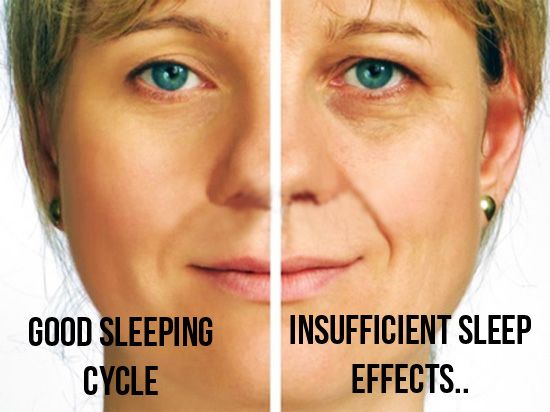
We spend around a third of our lives (around 25 years) sleeping; it is vital to our survival. When we sleep well, we wake up feeling refreshed and alert for our daily activities. Sleep affects how we look, feel and perform on a daily basis, and can have a major impact on our overall quality of life.
but What Happens When You Sleep? Continue Reading...
#1
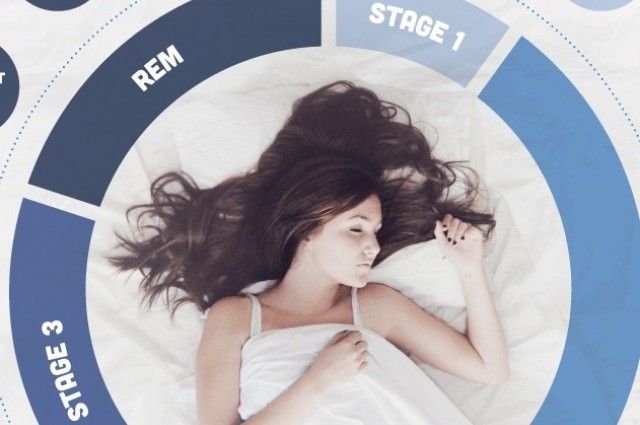
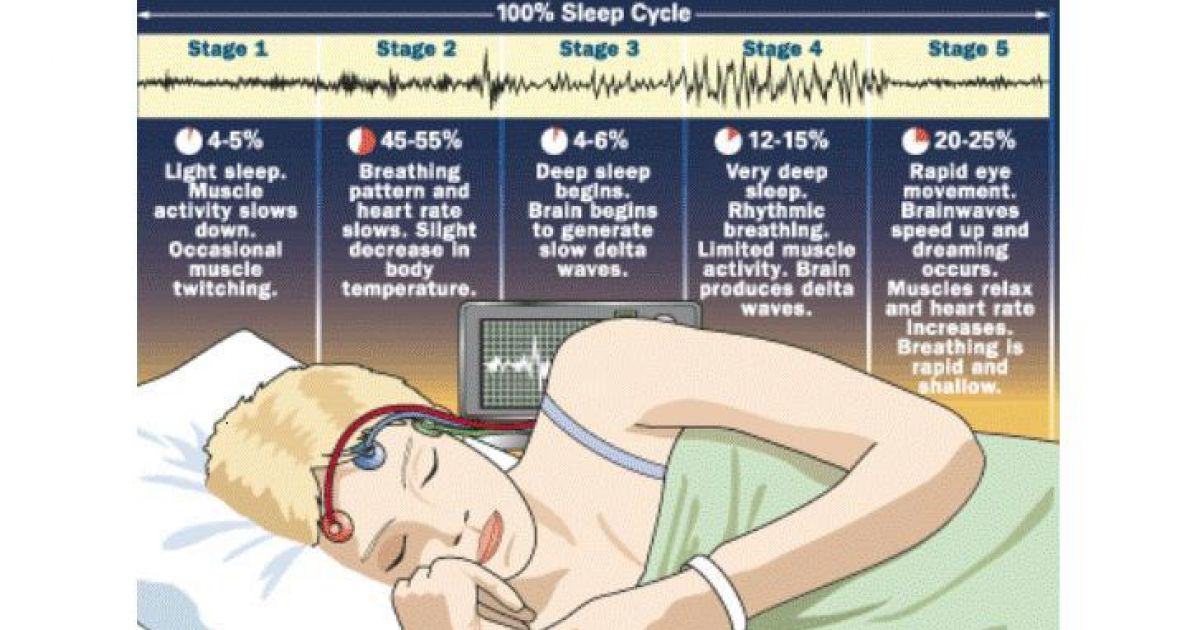
As we move into deep sleep, rapid eye movement (or REM) occurs, with the eyes moving quickly for up to 30 minutes at a time, repeating every 90 minutes. Much of our dreaming happens during REM and despite our eyes moving intensely, our bodies are extremely relaxed which helps us stay asleep.
#2 How Does Sleep Contribute to All of These Things?
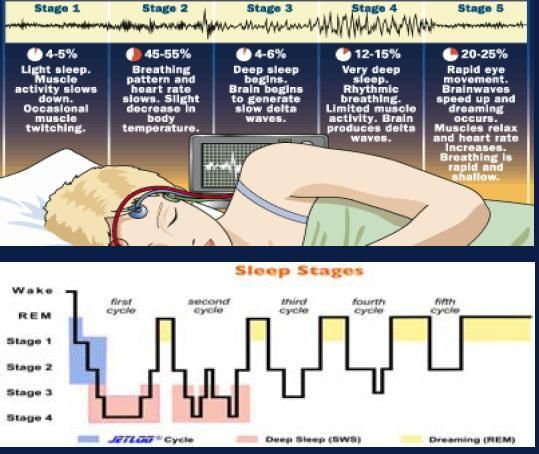
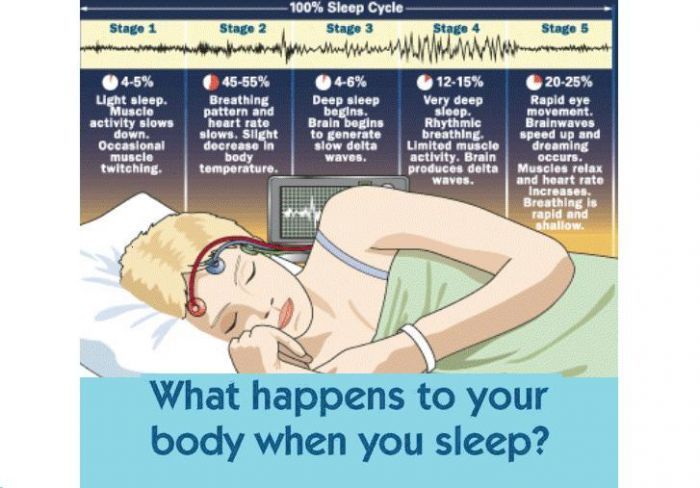
Sleep architecture follows a pattern of alternating REM (rapid eye movement) and NREM (non-rapid eye movement) sleep throughout a typical night in a cycle that repeats itself about every 90 minutes.
#3 What role does each state and stage of sleep play?
NREM (75% of night): As we begin to fall asleep, we enter NREM sleep, which is composed of stages 1-4
#4 Stage 1
* Between being awake and falling asleep
* Light sleep
#5 Stage 2
* Onset of sleep
* Becoming disengaged from surroundings
* Breathing and heart rate are regular
* Body temperature drops (so sleeping in a cool room is helpful)
#6 Stages 3 and 4
* Deepest and most restorative sleep
* Blood pressure drops
* Breathing becomes slower
* Muscles are relaxed
* Blood supply to muscles increases
* Tissue growth and repair occurs
* Energy is restored
* Hormones are released, such as: Growth hormone, essential for growth and development, including muscle development
#7
REM (25% of night): First occurs about 90 minutes after falling asleep and recurs about every 90 minutes, getting longer later in the night
* Provides energy to brain and body
* Supports daytime performance
* Brain is active and dreams occur
* Eyes dart back and forth
* Body becomes immobile and relaxed, as muscles are turned off
In addition, levels of the hormone cortisol dip at bed time and increase over the night to promote alertness in morning.
#8
Sleep helps us thrive by contributing to a healthy immune system, and can also balance our appetites by helping to regulate levels of the hormones ghrelin and leptin, which play a role in our feelings of hunger and fullness. So when we're sleep deprived, we may feel the need to eat more, which can lead to weight gain.
The one-third of our lives that we spend sleeping, far from being "unproductive," plays a direct role in how full, energetic and successful the other two-thirds of our lives can be.