#2
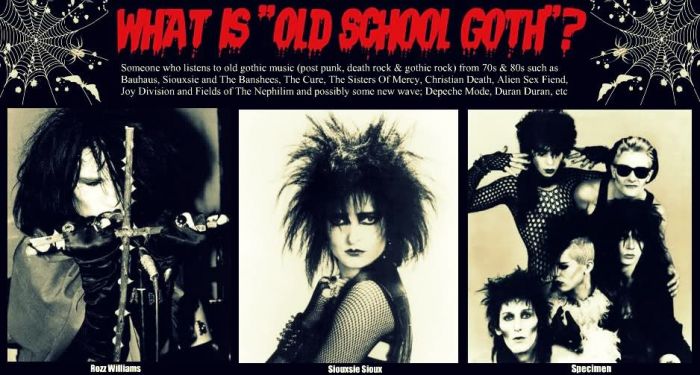
Goth, like metal, has evolved over the years. As a youth subculture, it originally emerged from the punk movement in the late 1970s, via Siouxsie And The Banshees and spooky art rockers Bauhaus. It travelled along The Sisters Of Mercy and Fields Of The Nephilim's darkened paths of gothic rock in the '80s, and has even flirted with styles as diverse as industrial, folk and even country. There are festivals all over the world that celebrate different aspects of goth, from Germany's massive Wave Gotik Treffen to the UK's dark electronic music event, Infest. More recently, the likes of Grave Pleasures, New Years Day, Motionless In White and Kontinuum have brought new flavours of gothic to the masses. Their music is a far cry from the bands who helped define the early goth sound but their message is the same; life sucks so we're going to make some dark, cathartic songs about it. Misery loves company, and all that.
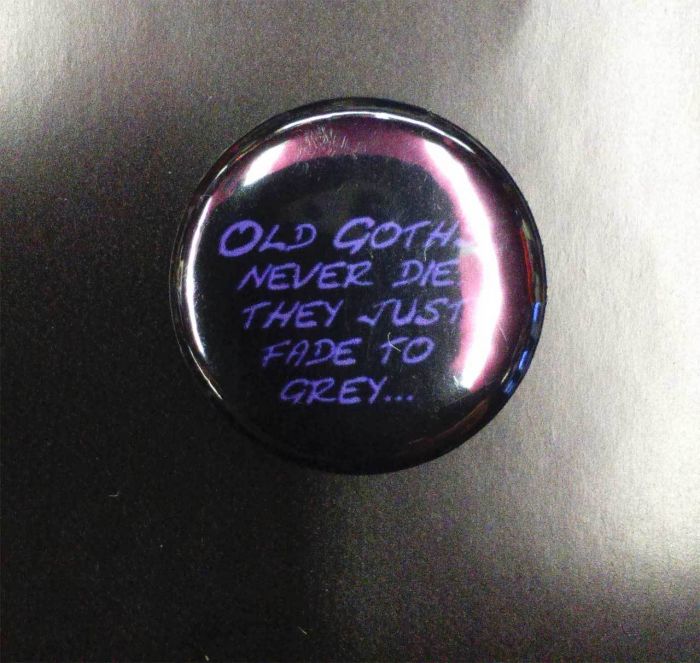
Goth has been around for almost (gulp!) 40 years its parent style, Gothic for several centuries and yet it's more relevant than ever. It's everywhere now, from the high street to the big screen, especially at this time of year. Even The Sisters Of Mercy have recently been back on the road (just don't call them goths to their faces). But what really happens when goths grow up? Do they wipe their eyeliner off and start wearing beige? Do they, bat bollocks! There's far more to goth than wearing black and looking a bit depressed, which is probably why it's not only lasted so long but continues to grow.
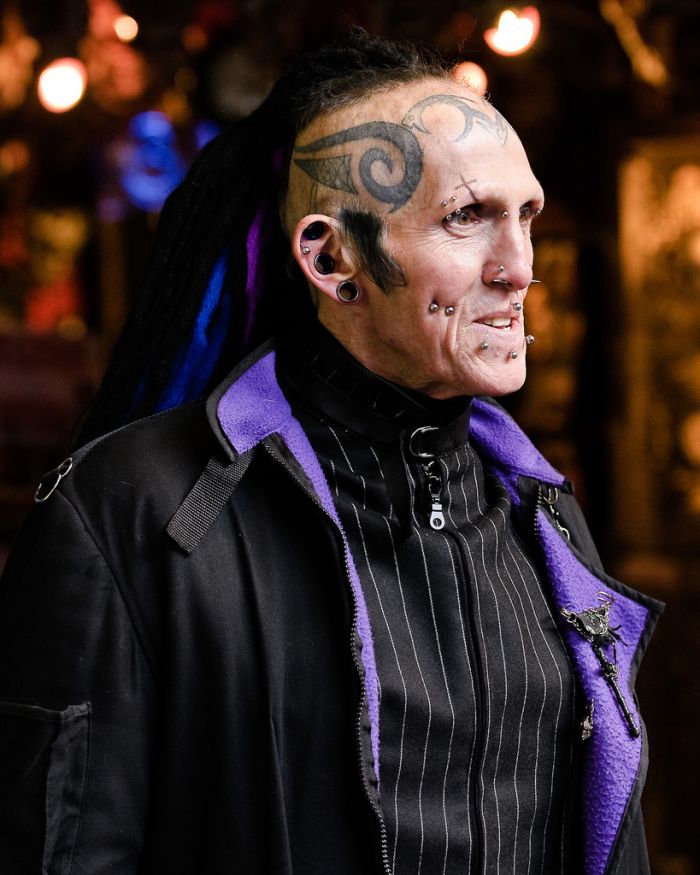
Goths work in IT, academia, libraries, the medical profession, accountancy, law, the media there's even one in my local supermarket! Just like older metallers, they might find their day job prevents them from going out as often as they'd like, and it might mean they have to tone their look down a bit, but go to any goth club, gig or festival and I guarantee you'll see goths over the age of 30 there. In fact, if we're talking about the more established events, you might be forgiven for viewing goth as an older scene. There's even a growing trend for goth retro clubs, such as Birmingham's Zombie Club and Whitby's Nostalgia, which are squarely aimed at a more mature audience, although they do attract the under 30s as well.
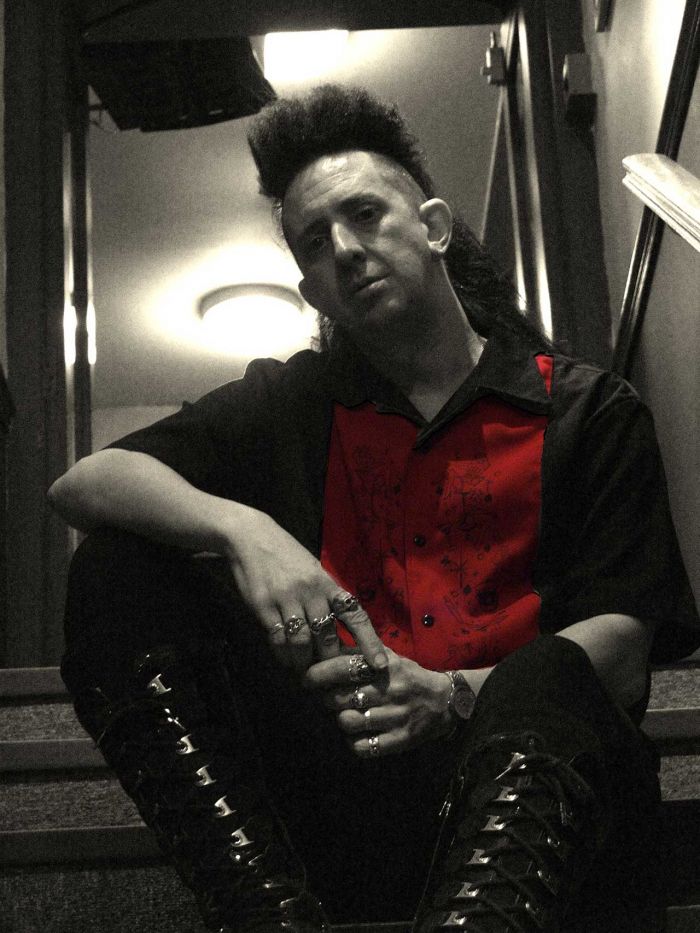
Nostalgia DJ Martin ‘Oldgoth' has been part of the scene since it all began and has been DJing at goth clubs and gigs for the last 30 years. Although he now lives in Colchester, he's played in cities around the world, including New York, Athens, Berlin and Prague, and has watched goth music and fashion trends wax and wane over the decades. "Goth isn't a scene you join; it's one you become part of and that's why you can't grow out of it," he says. "It's not a fashion, it's what you are.
Despite his nickname, the only thing he says ageing has affected is his dress sense. "I'm not going to wear PVC trousers in my 50s!" he laughs. "I'm more into jeans and Dr Martens these days, but I still have black hair with shaved sides. I suppose I'm more comfortable not standing out so much these days."
Purple-haired accountant and DJ, Psyche has merged her passion for goth with her career choices. The former journalist retrained in finance in the early '00s, and her business Death And Taxes now provides accountancy services alternative and non-alternative clients alike, including bands, music promoters and even stand-up comedians.
Blue-haired Raven works in market research and came to goth via the punk scene back in the '80s. "I've looked this way since I left school in '83 but it's become more acceptable so I blend in more now," she says. "A lot of people think goth is sombre and melancholic but it makes me happy and gets me dancing. It's ever-evolving and I learn so many things from Gothic culture, I even went on a cemetery tour the other week."