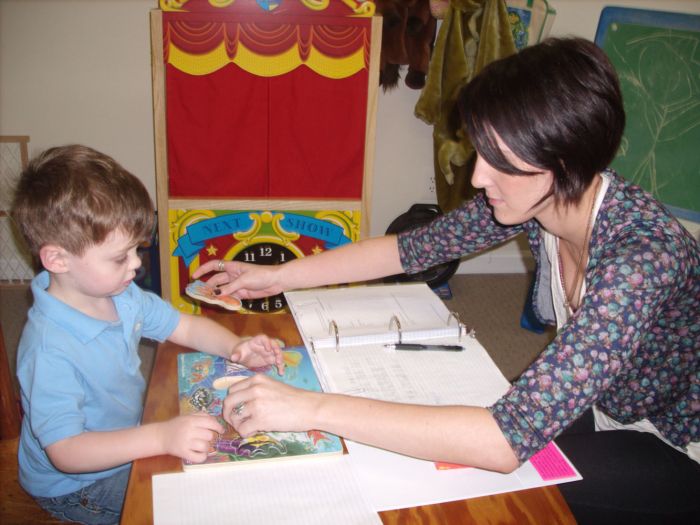
Applied Behavior Analysis (ABA) therapy for children with autism has been proven to work over a period of time.
advertisement
Applied Behavior Analysis (ABA) is a popular intervention approach for individuals with disabilities, especially young children with autism.
Unfortunately, however, there are widespread misconceptions regarding what ABA really entails. Many people associate ABA with a narrow set of practices rather than understanding the wealth of applications it offers and the ways in which ABA can be used to improve children's behavior and lives. The purpose of this article is to define ABA in practical terms, helping families to seek the best and most appropriate applications for their children.
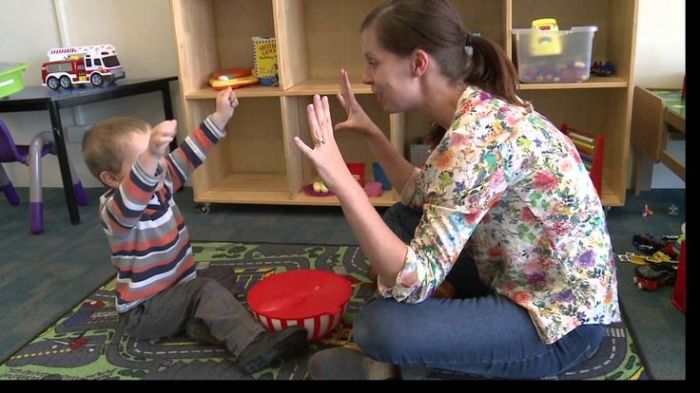
What is ABA?
Applied behavior analysis was defined as a field in the late 1960s after years of preliminary research (Baer, Wolf, & Risley, 1968).
The overriding goal was to extend scientific principles of human behavior beyond highly-controlled or laboratory environments to resolve real life problems. The key features of ABA were, of course, that it was applied, behavioral, and analytic.
advertisement
Behavior analysis focuses on the principles that explain how learning takes place.
Positive reinforcement is one such principle. When a behavior is followed by some sort of reward, the behavior is more likely to be repeated. Through decades of research, the field of behavior analysis has developed many techniques for increasing useful behaviors and reducing those that may cause harm or interfere with learning.
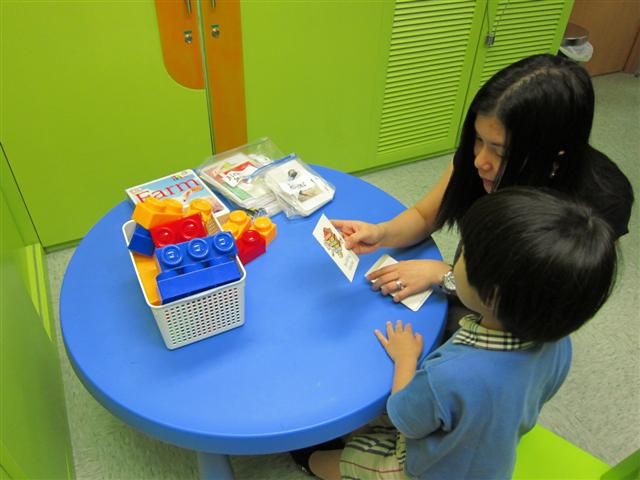
Applied behavior analysis (ABA) is the use of these techniques and principles to bring about meaningful and positive change in behavior.
Behavior analysts began working with young children with autism and related disorders in the 1960s. Early techniques often involved adults directing most of the instruction. Some allowed the child to take the lead. Since that time, a wide variety of ABA techniques have been developed for building useful skills in learners with autism from toddlers through adulthood.
advertisement
Today, ABA is widely recognized as a safe and effective treatment for autism.
It has been endorsed by a number of state and federal agencies, including the U.S. Surgeon General and the New York State Department of Health. Over the last decade, the nation has seen a particularly dramatic increase in the use of ABA to help persons with autism live happy and productive lives. In particular, ABA principles and techniques can foster basic skills such as looking, listening and imitating, as well as complex skills such as reading, conversing and understanding another person's perspective.
advertisement
How ABA Works
Skills are broken down into a series of manageable steps that are easier to learn
Individuals are provided multiple opportunities to practice and perfect each step of the skill
Success is rewarded with positive reinforcement, providing a high motivation for improvement
Goals are targeted to meet the needs of the individual
Progress is tracked through systematic collection and evaluation of data
Skills are taught with an eye toward their use and integration into daily life
With ABA, every child can benefit by learning new skills and reducing problem behaviors
advertisement
What Does Research Tell Us About ABA and Autism?
A number of completed studies have demonstrated that ABA techniques can produce improvements in communication, social relationships, play, self care, school and employment. These studies involved age groups ranging from preschoolers to adults. Results for all age groups showed that ABA increased participation in family and community activities.
advertisement
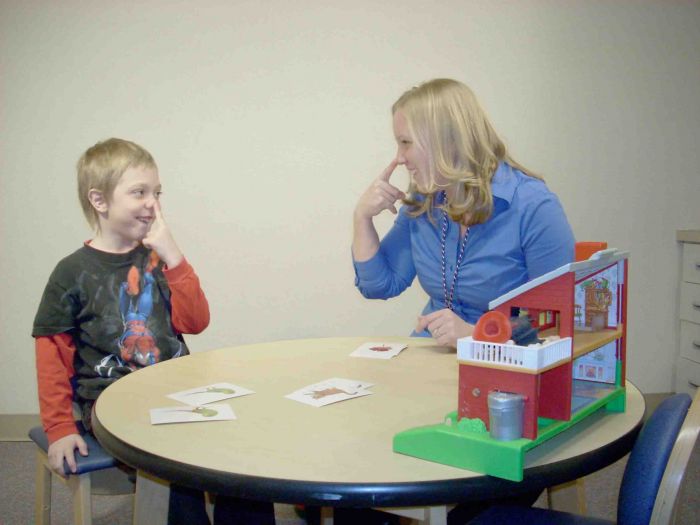
A number of peer-reviewed studies have examined the potential benefits of combining multiple ABA techniques into comprehensive, individualized and intensive early intervention programs for children with autism.
"Comprehensive" refers to interventions that address a full range of life skills, from communication and sociability to self-care and readiness for school. "Early intervention" refers to programs designed to begin before age 4. "Intensive" refers to programs that total 25 to 40 hours per week for 1 to 3 years.
advertisement
These programs allow children to learn and practice skills in both structured and unstructured situations.
The "intensity" of these programs may be particularly important to replicate the thousands of interactions that typical toddlers experience each day while interacting with their parents and peers.

advertisement
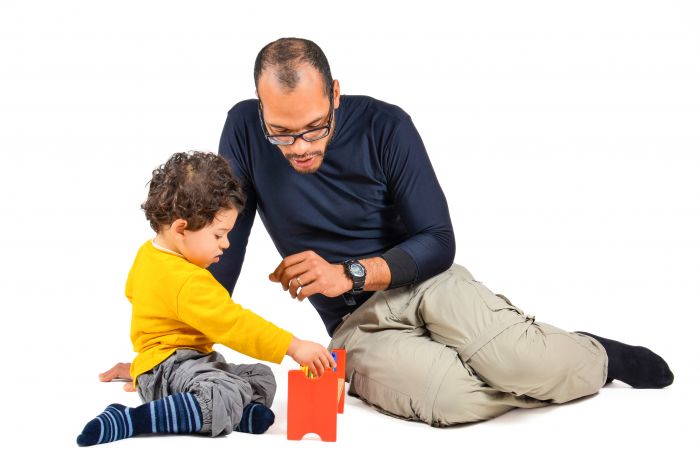
Such studies have demonstrated that many children with autism experience significant improvements in learning, reasoning, communication and adaptability when they participate in high-quality ABA programs.
Some preschoolers who participate in early intensive ABA for two or more years acquire sufficient skills to participate in regular classrooms with little or no additional support. Other children learn many important skills, but still need additional educational support to succeed in a classroom.
advertisement
How is ABA used?
Over the years, a variety of practices have evolved out of ABA. These practices are based on something called the "three-term contingency" antecedents-behavior-consequences. In essence this means that behavior occurs in response to events or conditions in the environment (i.e., antecedents) and continues due to its results (i.e., consequences). For example, a child may whine when asked to do a lengthy or difficult chore and that whining may result in delaying its completion as the parent cajoles the child to finish.
advertisement
ABA practices typically involve the following elements:
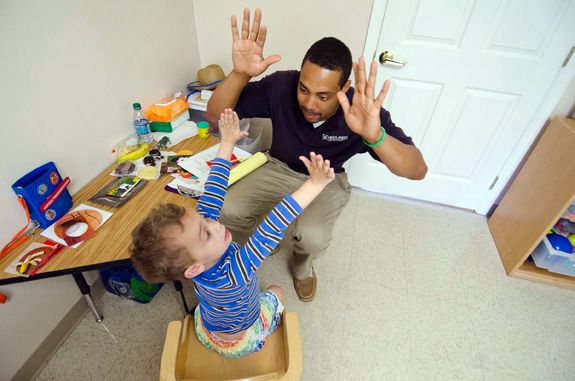
1. Managing the consequences of behavior by rewarding positive behavior, withholding positive consequences, or in some cases - using punishment (e.g., scolding) to deter behavior
2. Re-arranging antecedents to promote positive behavior and minimize the likelihood of problem behavior (e.g., clarifying expectations, simplifying tasks, providing choices)
3. Teaching skills that allow individuals to be more successful and less reliant on problem behavior to meet their needs

Popular practices based on the principles of ABA have incorporated some or all of these features
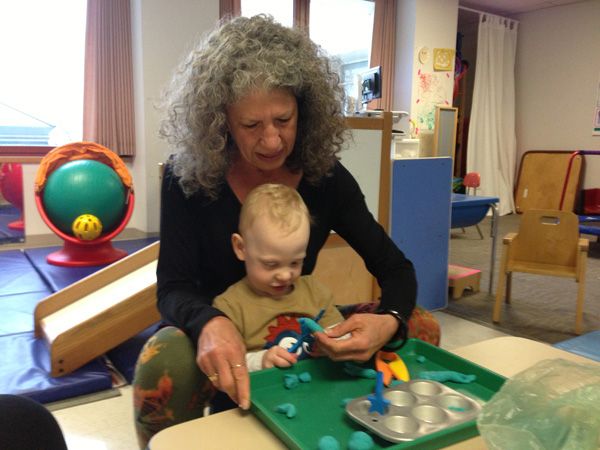
For example, reward systems, behavioral contracts, time-out, and removing privileges are commonly used in the schools. When applied appropriately (e.g., making sure rewards are actually enticing to students), these strategies can promote positive behavior. Early intervention programs and programs for children with autism often emphasize arranging the classroom or home environments (e.g., using pictures, bins for items); these can be considered antecedent interventions. Most notable among the ABA practices is systematic instructional procedures, such as discrete trial or verbal behavior training, that incorporate effective teaching and reinforcement practices to help children with disabilities learn new skills rapidly and efficiently
advertisement
Over the past several years, positive behavior support has also gained popularity, particularly in schools.
The goal of PBS is to combine the principles and practices of ABA functional behavioral assessment and comprehensive behavioral interventions that blend antecedent and consequence-based strategies - into user-friendly packages that can be readily implemented by family members and direct service providers to support children within natural routines in homes, schools, and communities. PBS practitioners are committed to transferring their knowledge and skills to produce durable, lifestyle change.