What Kind Of Medical Problems Can Himalayan Cats Have?
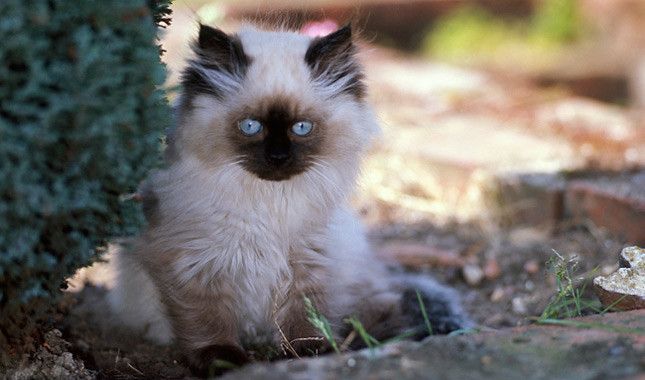
Few cat breeds rival the beauty of the Himalayan
Their long coat, gorgeous coloring, and darling face make them a favorite of those who treasure good looks in felines.
Of course, with this unique beauty comes a variety of special health concerns
After all, this breed did not occur in nature; it was developed by humans to be this gorgeous!

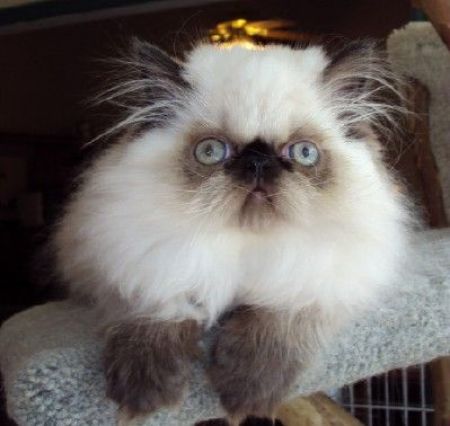
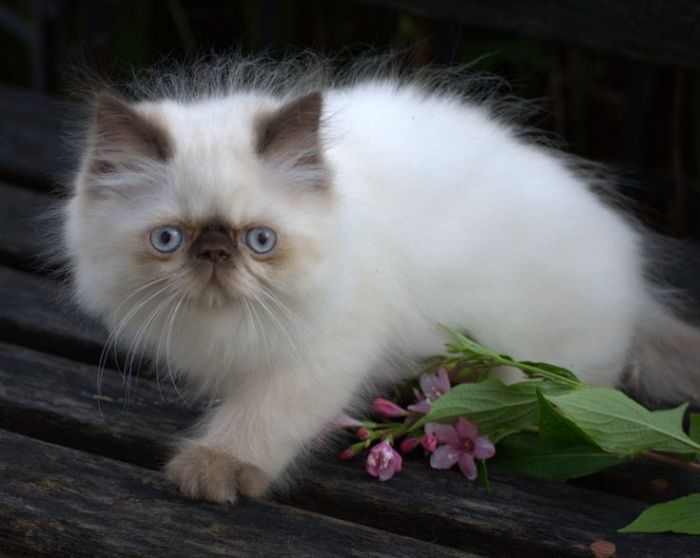
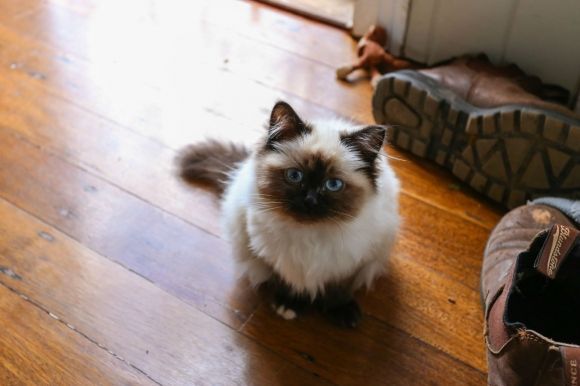
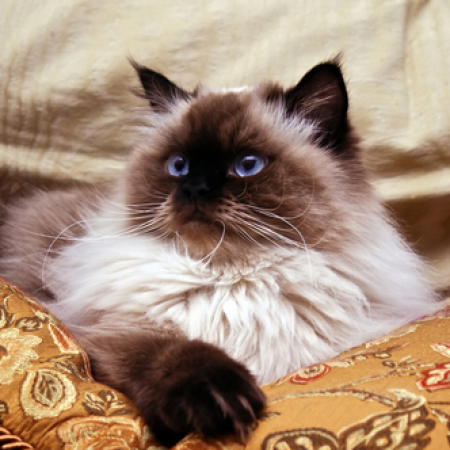
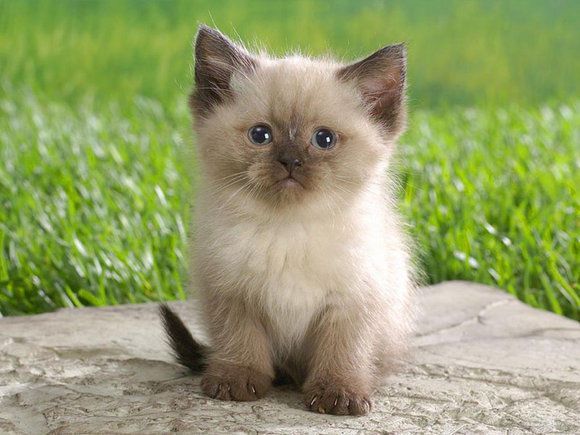
Himalayan cats, also known as Himalayan-Persians, resemble Persian cats with Siamese markings
This is because they were the result of careful crosses between Persians and Siamese. Unfortunately, Himalayans, are prone to all Persian health problems.
This is possibly the first deliberate hybridization of two breeds
The Himalayan Persian features the first recognized "export" of the Siamese pointed pattern. Eye color is less intense than in the Siamese, and the pointing is softer in the longer coat. Himalayan Persians are outgoing but relaxed.
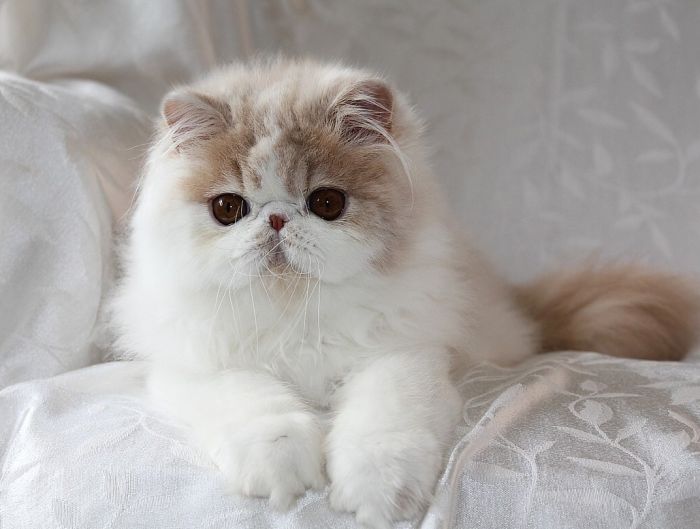
History of the Himalayan Breed
Dr. Clyde Keller of the Harvard Medical School and Virginia Cobb of the Newton Cattery began developing the Himalayan breed in 1930. They sought a breed that combines the body type of the Persian cat with the seal point coat of the Siamese. In 1957, their Himalayan breed was accepted as a standard breed by the Cat Fancier's Association. In 1980, the Himalayan breed was officially designated a member of the Persian breed, and Himalayan cats now often have Persian cat ancestry.
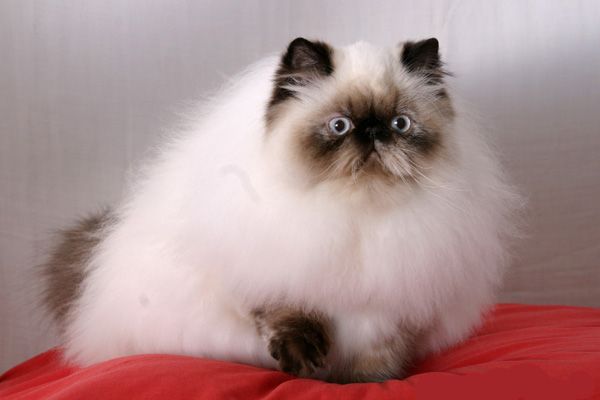
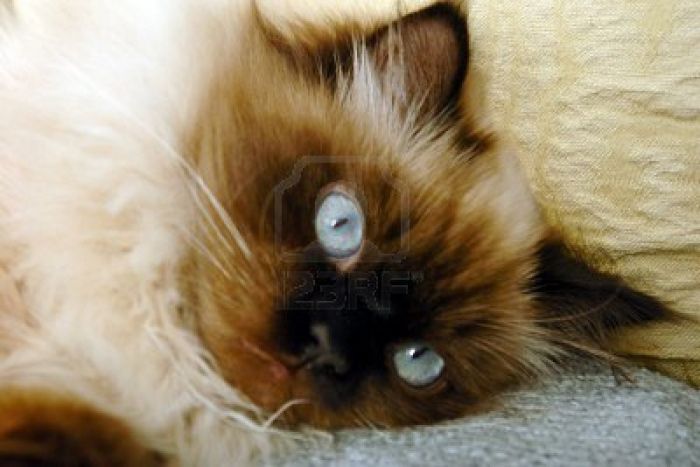
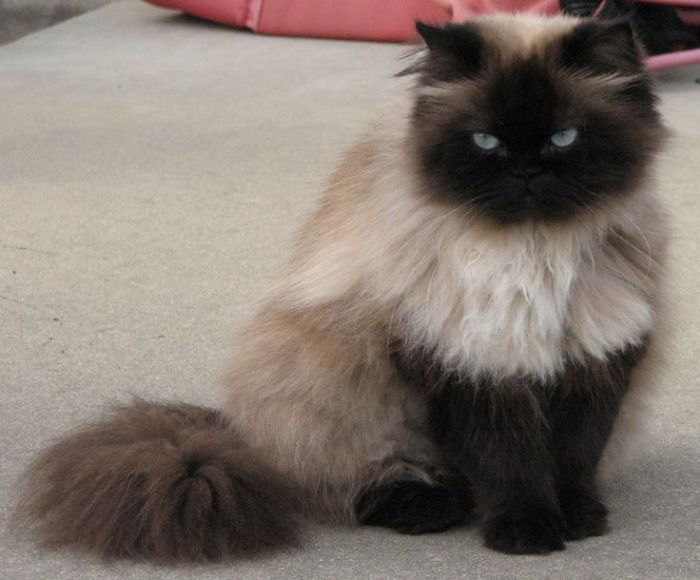
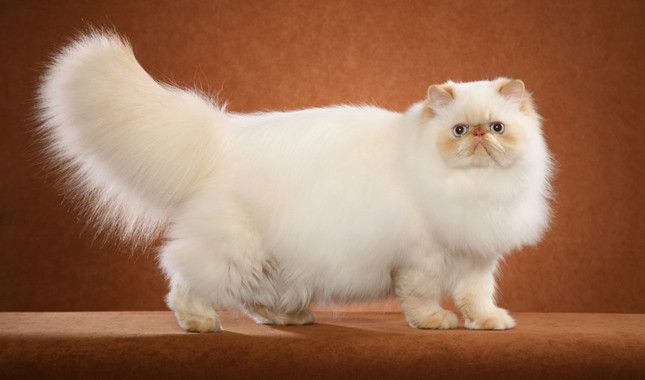
The Himalayan cat has a large, round head, a short neck, short legs and large feet
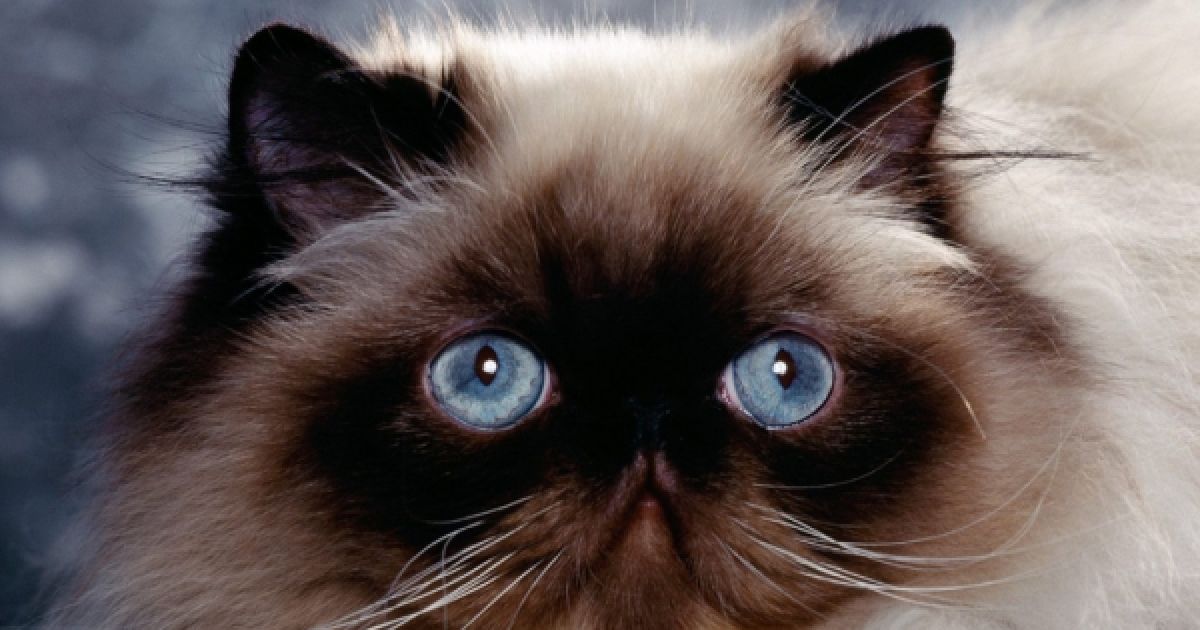
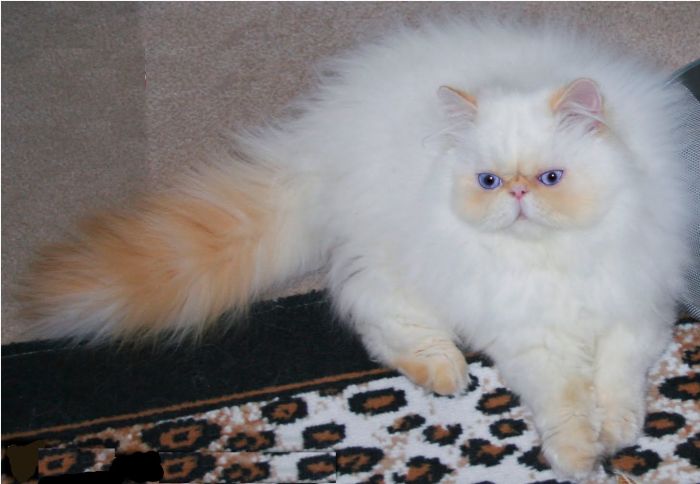
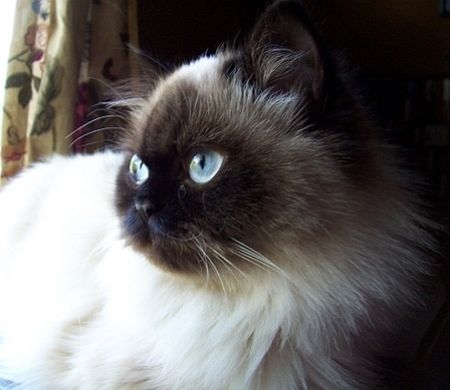
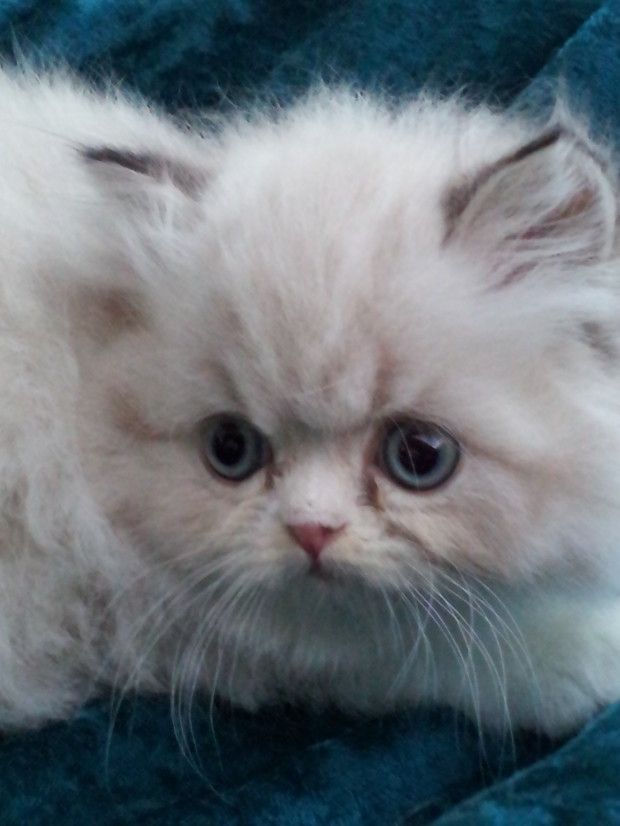
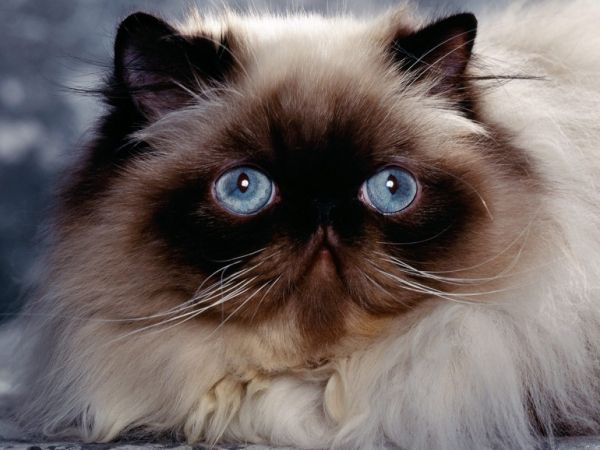
The eyes of the Himalayan are set somewhat far apart, and the body is large and wide across the hindquarters. Himalayan cats have either long, flowing coats or medium length, thick coats. The CFA recognizes a number of color points for the breed standard, including red-tortie, cream, blue and chocolate. Himalayan cats have blue eyes and pug faces.
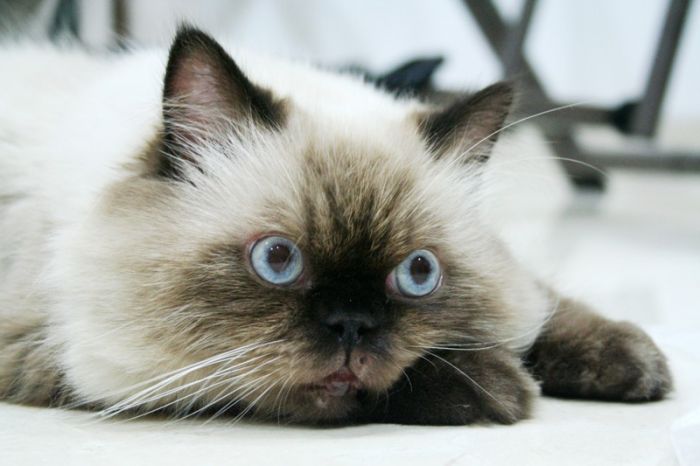
The Himalayan cat is a famously easygoing cat, but also a very active and playful one.
However, most owners and breeders claim that Himalayan cat's aren't mischievous; they just like to play from time to time.
You probably weren't thinking of health history when the beauty and personality of your Himalayan captured your heart
Her uniquely beautiful markings reveal her Siamese background but her Persian heritage negates the detached attitude. This attractive package does, however, come with potential health issues owners should consider.
Breathing Challenges
The Himalayan's flat pug-style nose, which makes its appearance so darn cute, is also one of its medical downfalls. The compression of the sinuses and nasal passages associated with this style of nose makes breathing more difficult and leaves the Himalayan more vulnerable to upper respiratory infections. And Himalayans have shortened sinus cavities, which further increase the possibility of breathing difficulty.
Polycystic Kidney Disease
This disorder, in which cysts form inside the kidneys, taking the place of functional tissue, is not immediately life-threatening. However, it is painful and has no cure. This is not the best of news for owners of Himalayan cats, which are members of the Persian bloodline for which this disorder is hereditary.
While veterinarians do not remove complete cysts from the kidneys, it is possible to drain larger cysts
thus providing some temporary relief. Specialized diets help reduce the workload of the kidneys prolonging an affected cat's life.
Saggy and Painful Skin
In veterinary terms, this disorder is known as feline cutaneous asthenia. It is also commonly referred to as Ehlers-Danlos syndrome. Iit is a deficiency in collagenthe protein responsible for providing strength and elasticity to skin and ligaments.
Detecting the disorder involves stretching a cat's skin and observing the level of discomfort she shows
A measurement scale called the Skin Extensibility Index compares how far the cat's skin can be comfortably stretched against measurements of the length of its back to determine if the condition is present.
If it is, it will lead to joint dislocation and significant pain as the ligament fibers holding joints in place can no longer do so
the majority of cats suffering from this disorder are euthanized to end their suffering.
Hairballs
At first glance, hairballs may seem more like a social problem than a health problemespecially when Kitty is leaving a less-than-lovely mess on the floor. But the beautiful long hair of a Himalayan does pose some threat when ingested
A large hairball in Kitty's tummy could cause an intestinal blockage requiring emergency surgery
The best way to avoid jumbo hairballs is to brush your feline friend every day to remove loose hair, reducing the number of strands sticking to Kitty's tongue during her own grooming procedures.
Extra Tears and Facial Structure = Stained Fur and Eye Problems
The area around this breed's eyes must also be watched carefully due to excessive tearing and structure.
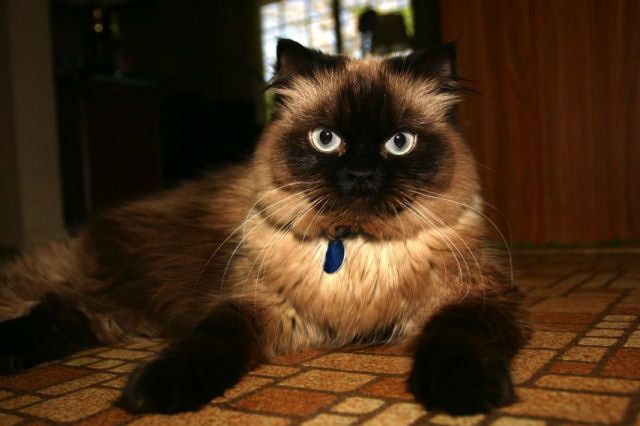
As the Himalayan’s eyes drain, the moisture has a tendency to stain the fur underneath
Owners must wipe the area often to ensure the coat remains clean. Other peculiar eye conditions they may develop include: cherry eye, entropion, and progressive retinal atrophy
Additional Concerns = Vigilant Care
Along with coat, nose, and eye problems, Himalayans are prone to other health issues as well. For instance, they develop fungal infections more frequently, their teeth may be misaligned and not fit together properly, and kitty litter may become lodged in their long fur.