Think your period only tells you whether or not you’re pregnant? Think again. Beyond there not being a bun in the oven, your monthly flow can tell you a slew of things about the overall state of your health. While menstruation tends to be a taboo topic to bring up in conversation, more women should bring it up for the simple fact that talking about it could very well fill you in on the inner-workings of your body — and maybe even save your life. So next time Aunt Flow comes around, thank her. Because as it turns out, she’s more important than you think. Here, we outline what your period blood says about your health.
What Your Period Blood Color Says About Your Health
By
Shehzad in
Health and Fitness
On 27th July 2016
advertisement
#1 Newsflash:
Your period is talking to you. And, what it's trying to say is super important. Curious? You should be, sister.

#2
Your period gives you a reliable and clear snapshot of exactly what is happening with your hormones," Alisa Vitti, a functional nutritionist, author of "WomanCode," and founder and CEO of FLOLiving.com, tells The Stir.

advertisement
#3
according to Vitti, seeing your blood and paying attention to what it's saying enables you to "take critical actions with your diet to eliminate symptoms before your next cycle." Additionally, it also allows you to prevent long-term health issues, as unbalanced hormones can lead to inflammation, which can then lead to other serious conditions.
#4
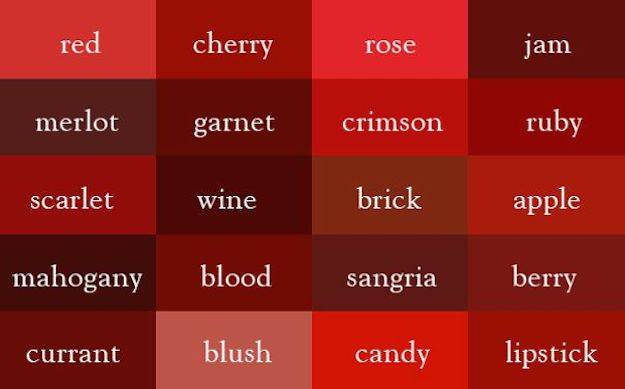
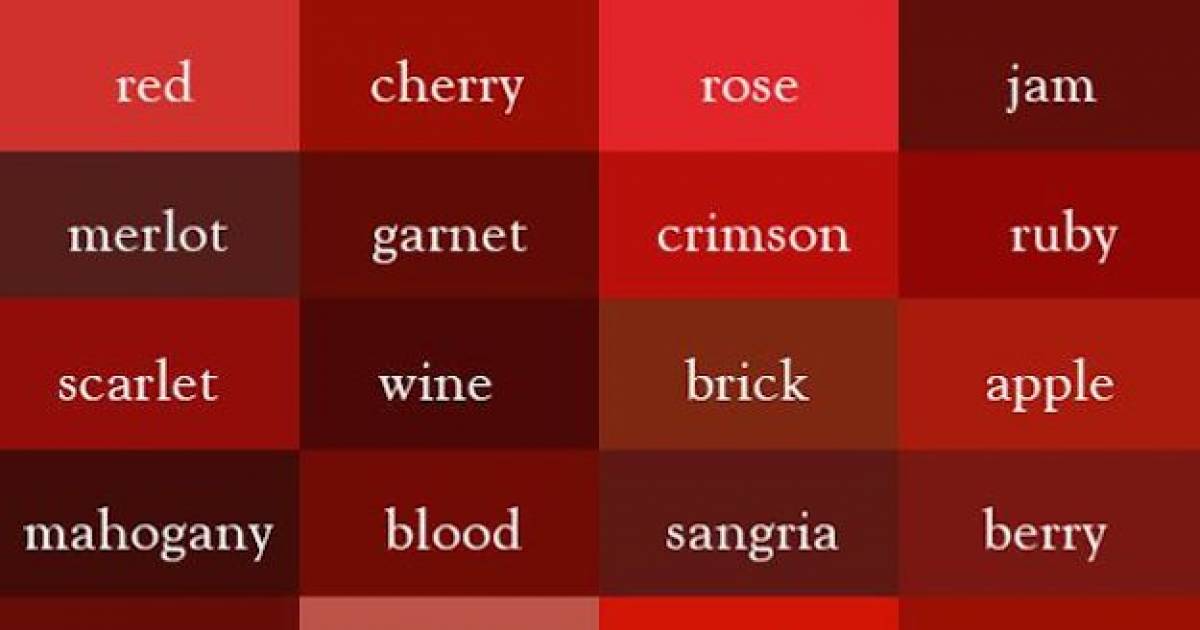
So, let's get down to business. What does it mean if your blood is a bright, Christmas red? Well, it means you're 100 percent healthy! Vitti notes that you're especially healthy if it's "the consistency of jello mix that hasn't set yet."

advertisement
#5
Your menstrual blood makes up the lining of your uterus," Conceivable.com explains. "It should be juicy, alive, and thick in order to provide a nourishing place for your fertilized egg to implant. Imagine thick folds of glorious, red velvet. Fresh, brilliant red is the most fertile expression of menstrual blood and is therefore the color of choice."

advertisement
#6
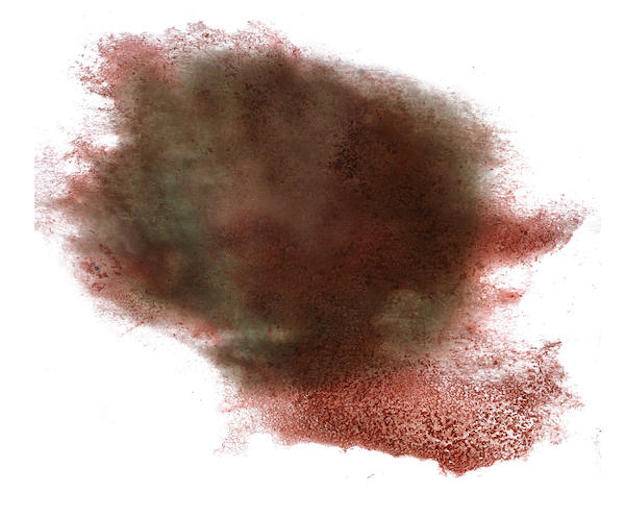
What about brown, spotty stains? Turns out, this kind of blood is old. That's right: Rusty leakage is old blood that didn't make it out of your uterus the previous month due to low levels of progesterone.
advertisement
#7
The flow of your period says a lot about your health, too. Though it might seem like a lot more, the average period only releases less than a cup of blood, according to the Iron Disorders Institute. However, this is not to say women can't experience light or heavy bleeding.
advertisement
#8
Does shark week last less than three days for you, or do you notice very little blood? Bad news: You're not "lucky." "A short period and only light bleeding can indicate you have low estrogen," Vitti explains to The Stir. In addition, women who experience a light flow could either be going through hormonal changes, poor nutrition, or stress.

advertisement
#9
Conversely, if you're a heavy bleeder who sometimes even deals with clots, you may have elevated estrogen levels. As The Stir points out, many women with heavy flows also struggle with conditions such as endometriosis, fibroids, ovarian cysts, or polyps.

advertisement
#10
Not to mention, a prolonged period of heavy bleeding could cause anemia or lead to fertility-threatening fibroids and growths on the uterine wall. "These conditions are more prevalent in women after the age of 35," Medical Daily clarifies. "Women who experience severe blood loss during their period have menorrhagia a condition that causes enough blood loss and cramping that it becomes difficult to maintain usual activities."
advertisement
#11
Ever notice pale red or pink blood on your pad? "If your menstrual blood is watery or pink, you may have difficulty making enough red blood cells or they may not contain enough iron," Conceivable.com states. "Common causes of pale blood include being anemic, eating an imbalanced diet, or poor digestion/absorption of nutrients."

advertisement
#12
Then, there's black blood. Yes, your period blood can be black. "In some severe cases, the blood is so stuck that it can become black in color," Conceivable.com says. "This immovability will be accompanied by significant pain and clotting," and can be seen in women with a history of fibroids and severe endometriosis.
#13
The site adds: "Women with black menstrual blood can have an incredibly difficult time conceiving, and may also put the mother at a greater risk for clotting problems that can affect the placenta in pregnancy."
advertisement
#14
What about the frequency of your period? The Medical Daily states: "If you experience irregular periods past your teens, whether you spot between periods or have a period that lasts more than seven days, this may be due to extreme weight loss, stress, pregnancy, or the use of certain drugs to treat conditions such as uterine cancer." In addition, excessive drinking may lead to an irregular period, as alcohol disrupts how the body metabolizes both estrogen and progesterone.
#15
"Women's hormones should not be mysterious or ignored, but easy-to-understand information that women can use to take better care of themselves with food and lifesty