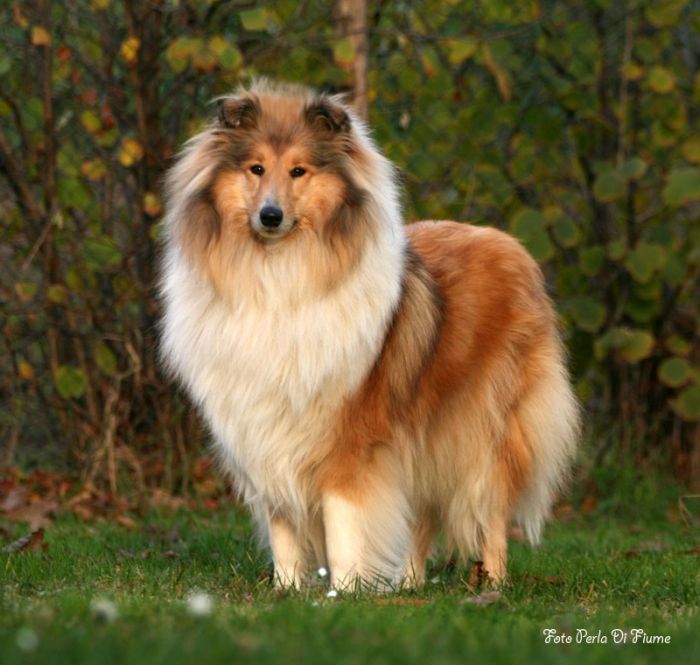
The Collie dog breed is a native of Scotland, mostly of the Highland regions but also bred in the Scottish Lowlands and northern England, where she was used primarily as a herding dog. She is a sensitive and intelligent dog, known for her undying loyalty and amazing ability to foresee her owner's needs. She is a great family companion, and is still a capable herding dog.
advertisement
In the 1950s television series Lassie, you knew that the Collie would come to the rescue, whether Timmy was trapped in an abandoned mine or had fallen into a well. After all, the star of this long-running show wasn't just any dog. She was Lassie, a Collie dog.To be sure, the adventures of Timmy and Lassie are fun to watch. But they're fiction — aren't they?
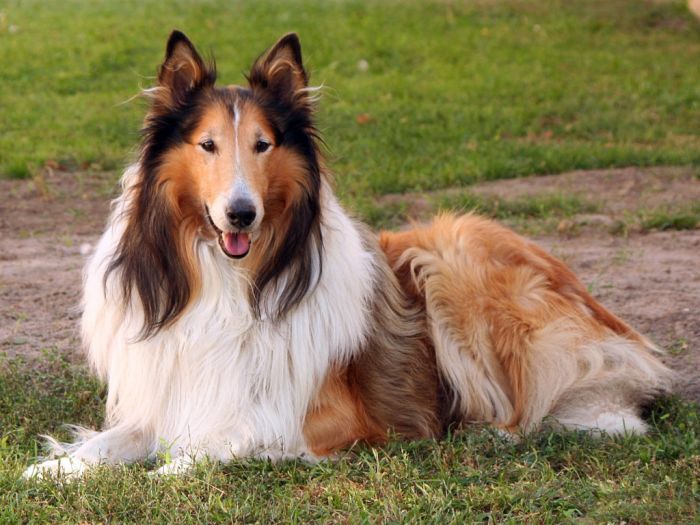
The movie and the television series made the Collie a popular dog in the United States. Unfortunately, her extreme popularity leaves her open to the bane of all favorite breeds: unscrupulous people who breed with no regard for temperament, health, or conformation.
advertisement
As a result, some Collies have serious health and temperament problems. If you are considering a Collie, you must be extremely careful from whom you purchase or adopt a puppy. Buy only from a reputable breeder. Never buy a puppy from an irresponsible breeder, puppy mill, or pet store. Reputable breeders breed with temperament in mind and perform various health tests to ensure that their breeding dogs don't pass on a predisposition to genetic diseases.
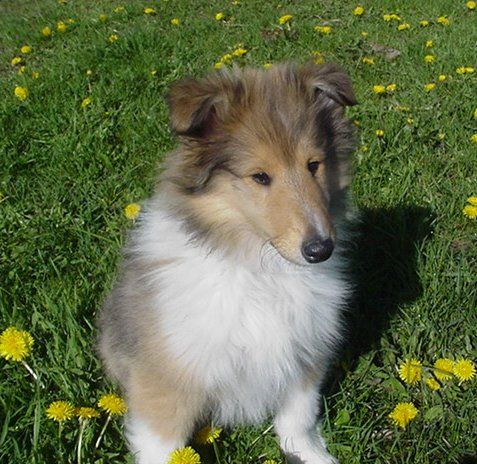
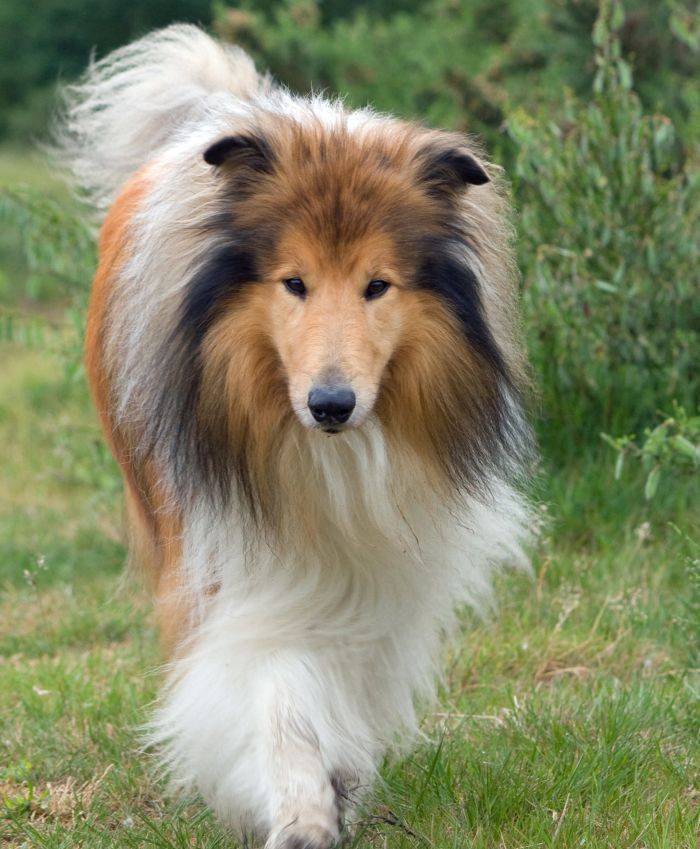
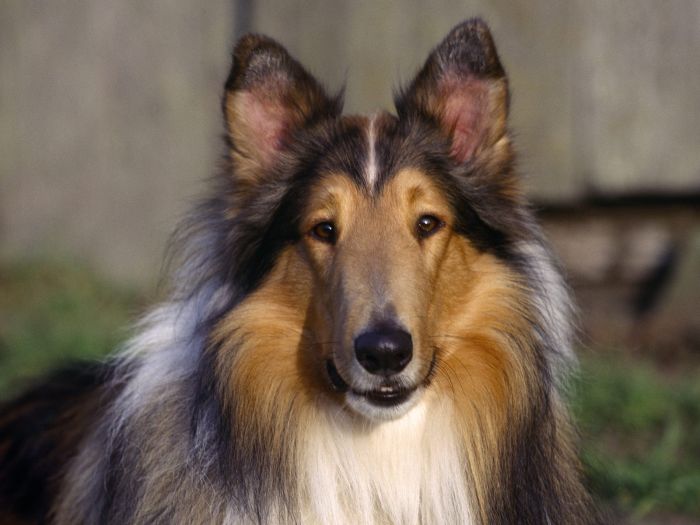
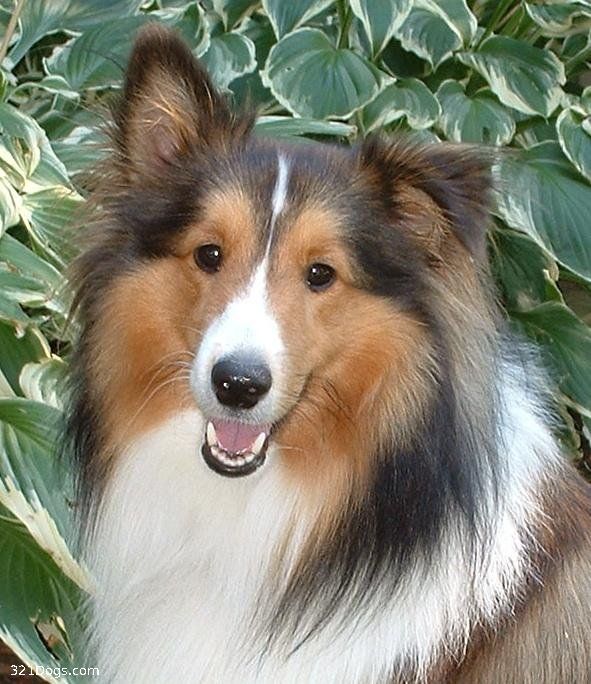
The Collie's expression is its hallmark. Its refined head, well-balanced muzzle and skull, and piercing ears and eyes all exude a certain intelligence and alertness. Its gait, meanwhile, is suggestive of an effortless speed and an ability to change direction instantly, both qualities needed in herding dogs.
advertisement
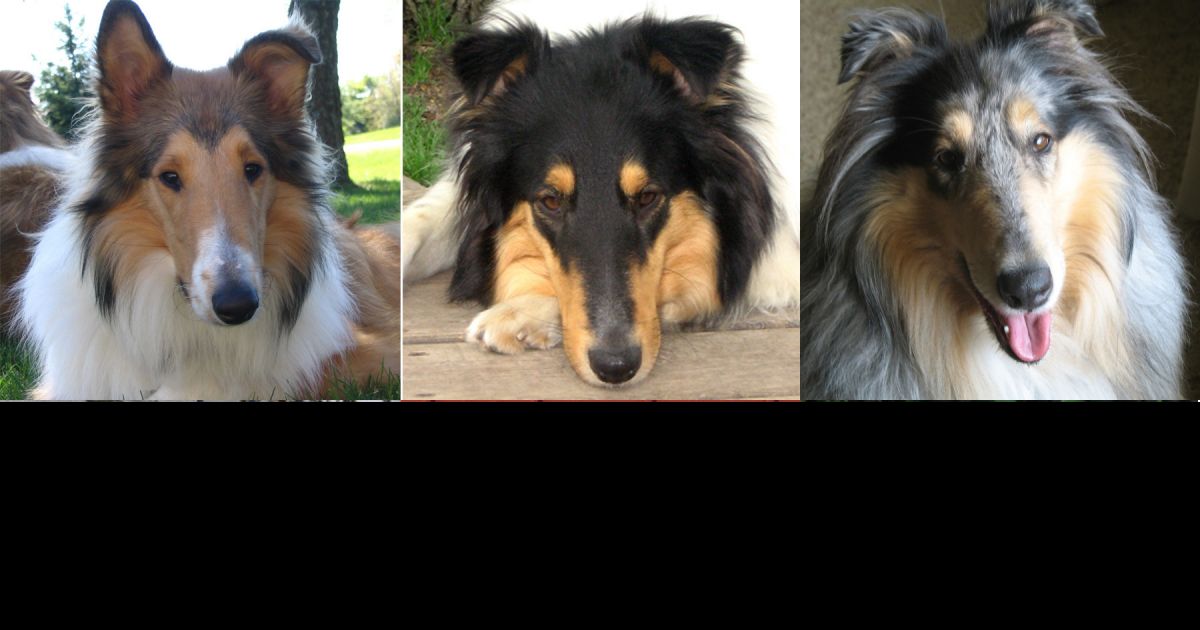
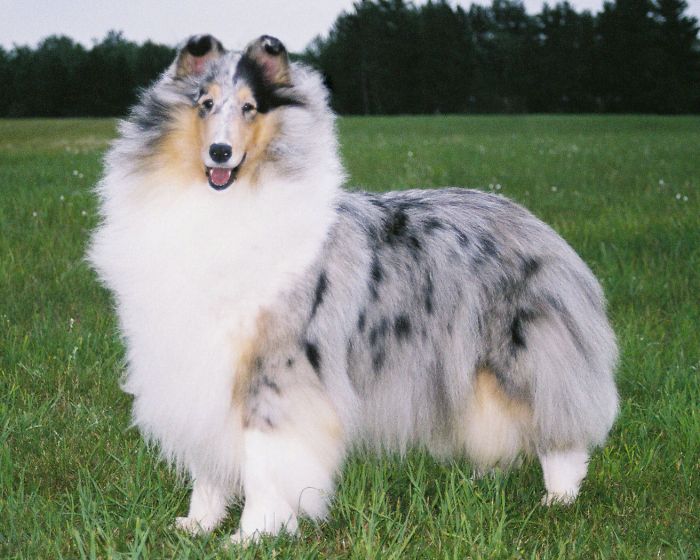
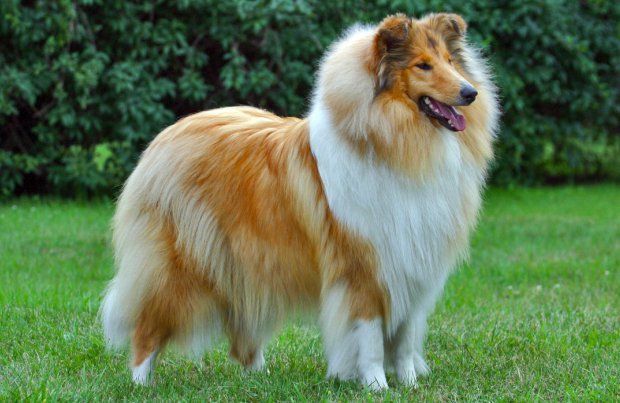
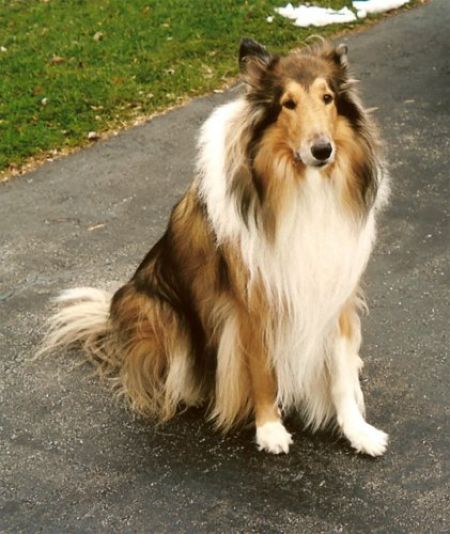
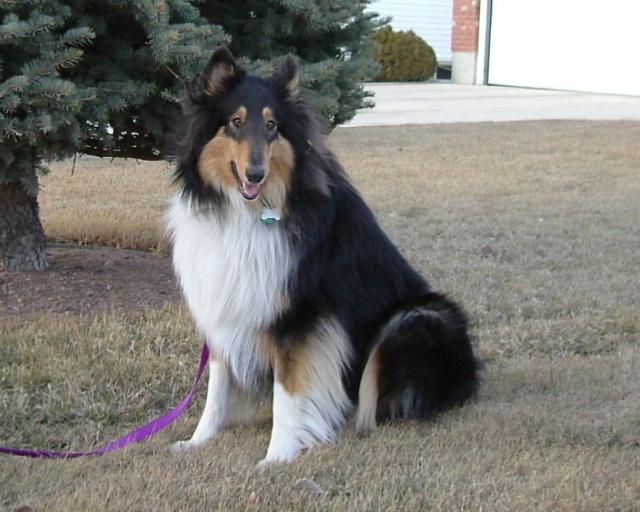
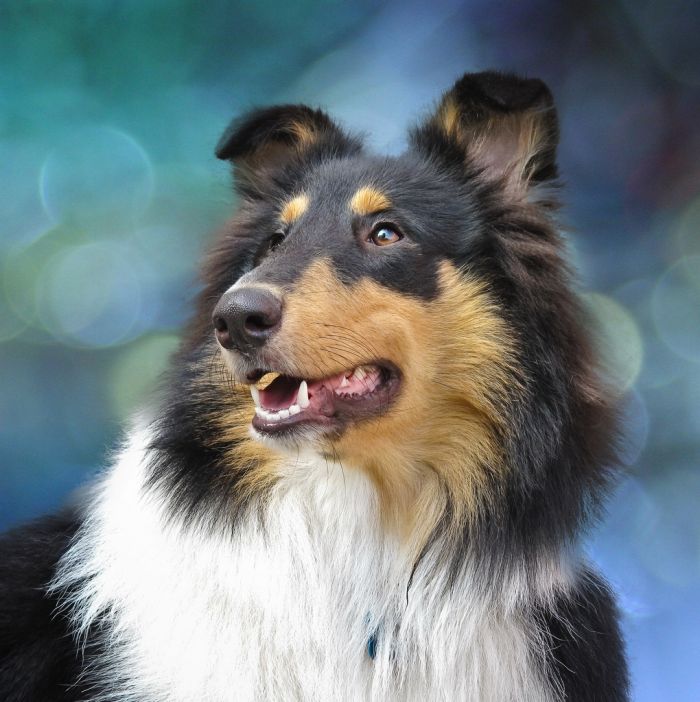
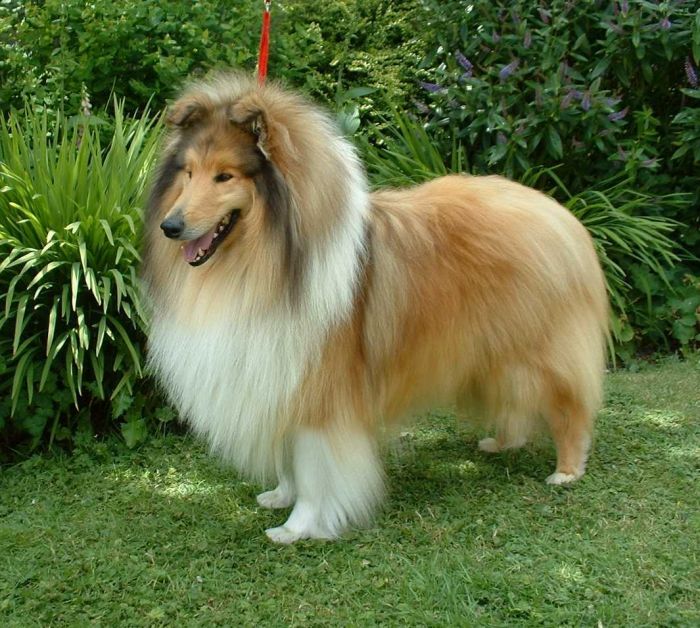
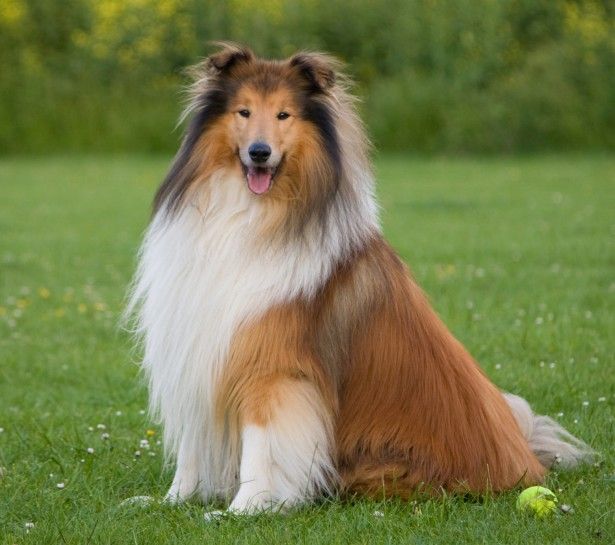
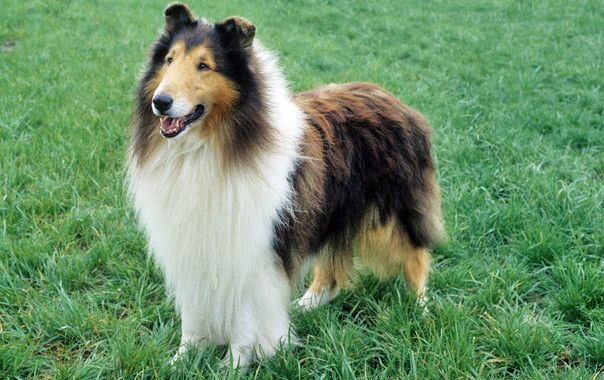
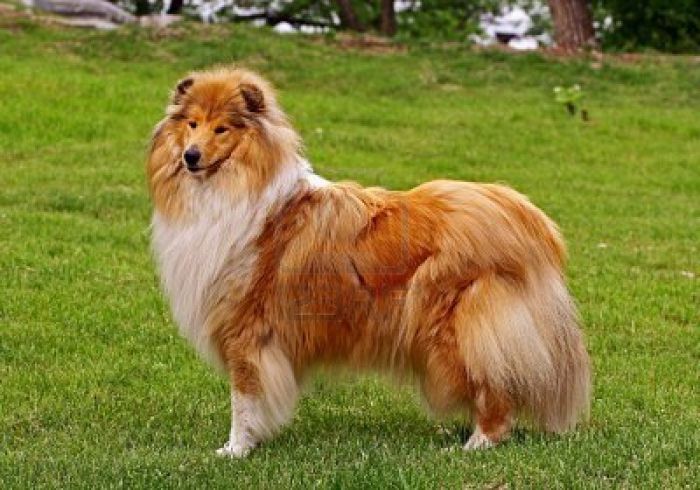
The Collie has two coat varieties: a smooth-coated variety with a flat and short outer coat, and a rough-coated variety with a harsh, straight and long -- more so on the ruff and mane -- outer coat. Both varieties, however, have a soft and profuse undercoat. The Collie breed also comes in four recognizable colors: sable and white, tri-color, blue merle, and white
advertisement
Collies love children, love playing with them, and bond closely with all family members. They are not a one-person dog and are protective of everyone in the family. Collies think of everyone as their friend. They are an excellent choice as a family dog and get along with other pets. Be aware that their herding heritage may cause them to nip at heels, which can frighten some children. The Collie will also herd your neighbor's chickens, the neighborhood kids, and other dogs and cats.
advertisement
As a herding breed, the Collie is bred to work all day and needs quite a bit of exercise. A 30- to 45-minute walk or playtime twice a day is a good start. The Collie is not a good candidate for apartment life unless someone will be home to prevent nuisance barking and give him the exercise he needs. When he’s done with his activity for the day, he’s a calm housedog.
advertisement
This breed’s lifespan ranges between 8 to 12 years, and it is susceptible to gastric torsion, dermatomyositis, seizures, microphthalmia, Collie eye anomaly (CEA), progressive retinal atrophy (PRA), demodicosis, and other minor aliments. To identify some of these conditions, a veterinarian may run hearing, eye, and DNA tests on this breed of dog.
advertisement
The origin of the Collie is rather obscure. One of the theories about the breed's origin is that of a stock and farm dog to the Celts, the first settlers on the British Isles. Since sheepherding and guarding are two of the oldest canine duties, the Collie's ancestors may reach far back into the history of dogs.
advertisement
Collies love play and attention, but they are remarkable low-maintenance—neither destructive nor demanding. Except for the occasional moodiness, they are usually steady and amiable. When it comes to guarding, Collies tend to think before they act. If they sense a threat they will protect the family and household, but Collies are more likely to play the role of friendly companion.
advertisement
Original Collies were closer in size and shape to today's Border Collies, and they were predominantly black. Herding ability was more important than appearance, so the dogs varied a great deal in looks.
advertisement
The Collie lives comfortably in the city or the country, as long as she has enough exercise. A brisk, daily walk and yard play are sufficient. Mostly, she wants to be with her family, meaning she is not a candidate for a backyard lifestyle.
If left alone for too long, she tends to bark excessively. While some barking is normal in this herding breed — that's how she warned the shepherd of wolves — she will bark her head off when she's bored, lonely, or otherwise frustrated. Excessive barking can be avoided by letting the Collie join in all family activities, and by keeping her mentally challenged with ongoing obedience training or dog sports.
advertisement
Dog fanciers began to take interest in the breed in the early 19th century. As breeding programs progressed, the Collie not only grew larger in stature but became more refined. Queen Victoria was introduced to the breed in 1860 and entered her first Collie into her kennel. The Collie's popularity flourished under her sponsorship and the upper class, as well as dog fanciers, took a liking to the dog.
In 1867, "Old Cockie" was born and is credited for many of the characteristics associated with the breed, especially those of the Rough Collie. Collies would later sport a variety of colors, including red, buff, and a few sables, while the most popular colors included black, tan and white, black and white, and what is referred to now as blue merles, originally known as "tortoise shell." "Scotch" collies, a rough-coated variety were also bred during the 1800s. And while the smooth-coated Collies were used to drive cattle or sheep, the rough-coated ones were trained as guard dogs, able to withstand all weather climates.
advertisement
By 1886, English breeders set a standard for the Collie's height and weight. As American settlers began to bring Collies to the New World as sheepherders, numerous changes began to happen. Most notably, the Collie became slightly larger and heavier. Later, Albert Payson Terhune, an American author and dog breeder, increased the popularity of the breed with his collies at the Sunnybank Kennels, the lines of which can still be seen in today's Rough Collies. The Smooth Collie has not been as popular as the rough variety. But whichever the variety, the Collie is now considered an all-time favorite American breed.