Who’s That Cat? The Siberian Forest Cat: From Russia With Love
The Siberian is one of those cats who seems to have sprung to life from fairy tales and folklore
"Lightning fast and whisper quiet," as one fan described him, the Siberian moves like a Bolshoi Ballet dancer, with supple grace and strength.
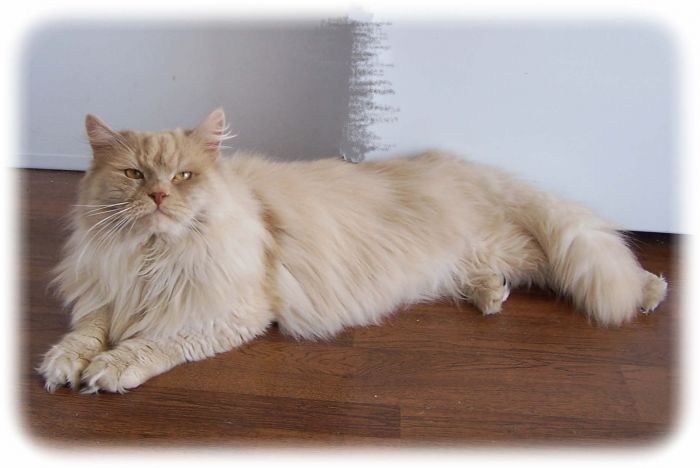
Known as the national treasure of Russia, the large, long-haired cat hails from the vast refrigerator known as Siberia
This is undoubtedly why his coat consists of three dense layers. But don't think he'll be cool to your overtures. Siberians are affectionate, outgoing, smart, and curious. More to the point, they are problem solvers, a facet of their personality that every potential owner should be aware of.
Be prepared to match wits with this breed!
"By 5 months of age, Ivan figured out how to open cabinet doors and all closet doors, including bi-fold and sliding," said Siberian lover Ramona Marek of Vancouver, Washington. "Now we keep the bi-fold doors blocked for his protection. My closet door is wired closed on one side and has clasps on the other for cat barriers.
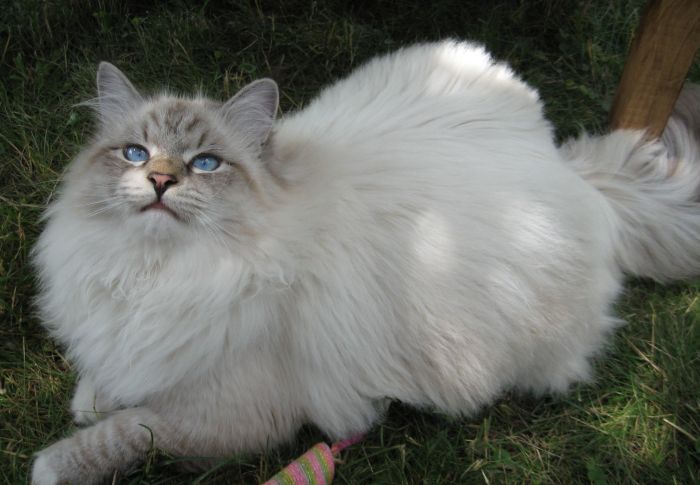
Siberians like to play in water and can learn to enjoy taking a bath
They also are good at learning to walk on a leash, as they are explorers by nature. These agile cats are awesome jumpers, thanks to hind legs that are slightly longer than their front legs.
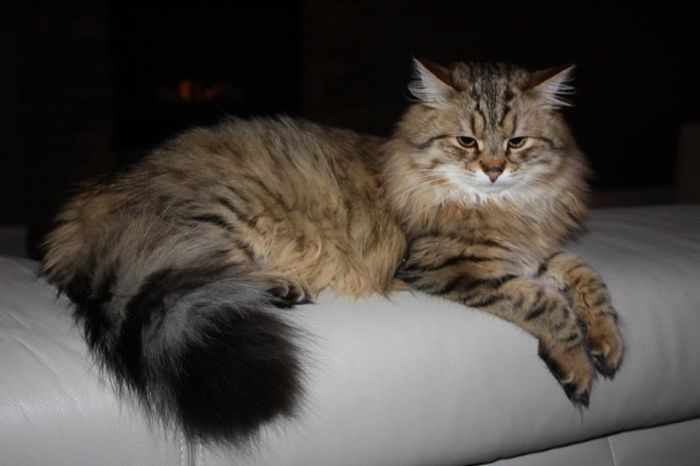
They have soft voices and express themselves in trills, chirps, mews, and purrs
Active and playful, Siberians love to play chase and tag but are gentle when being handled for grooming or medication.
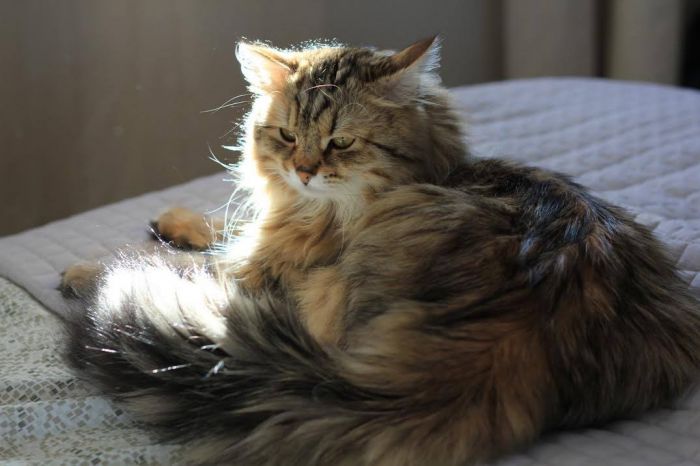
Siberians are good mousers and ratters, and they will keep your home vermin-free
If no mice are available, they love playing with toys. A Siberian does best when given plenty of playtime, training, and attention.
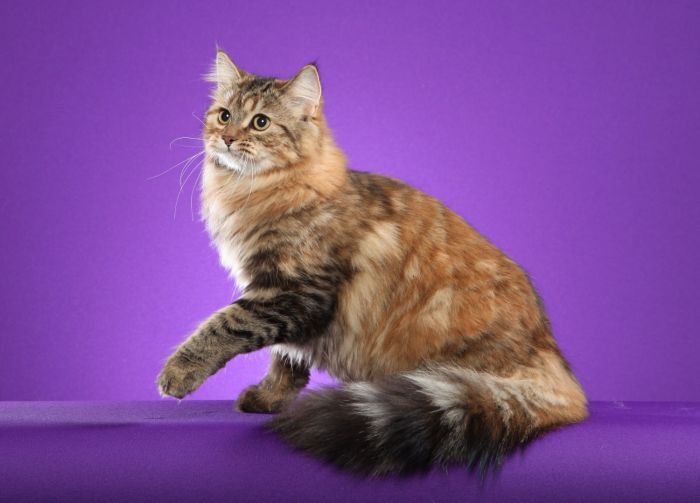
Get a Siberian if you want a cat who will get along with other cats and dogs and enjoy playing with kids
This cat will stick nearby you, but don't get a Siberian if you want a lap cat.
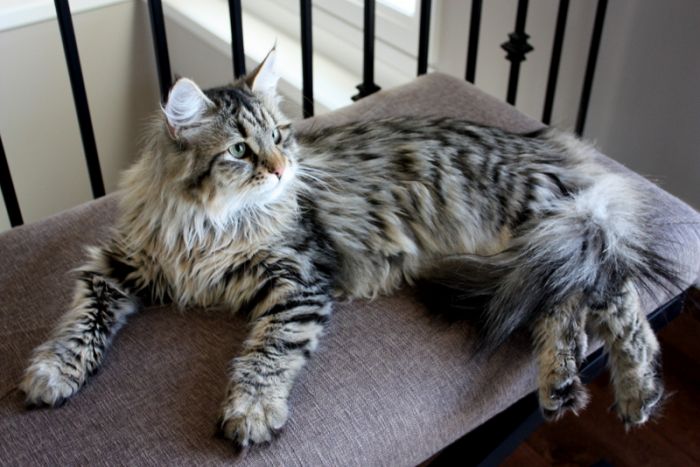
The Siberian is among the larger cat breeds with a weight range of 9 to 18 pounds (males are larger)
It can take five years for them to reach full physical maturity. Given good care and nutrition, a Siberian can live 11 to 15 years or more.
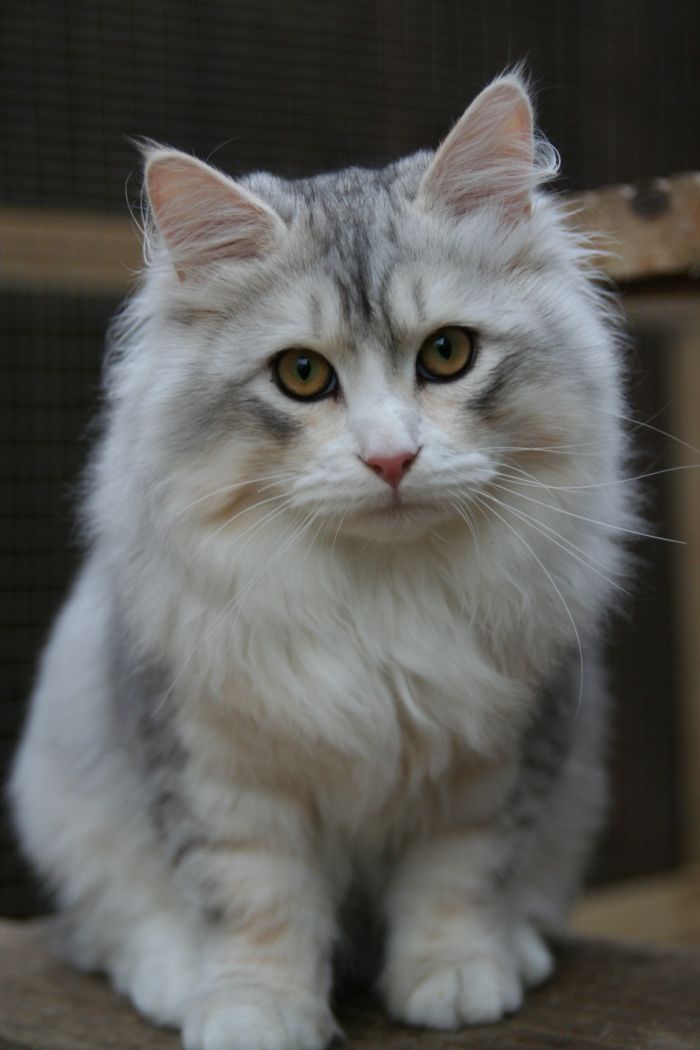
The Siberian’s triple coat is water-repellent
The cats shed copiously twice a year, in fall and spring. The coat doesn't tangle easily, but it requires regular brushing to remove dead hair and distribute skin oils.
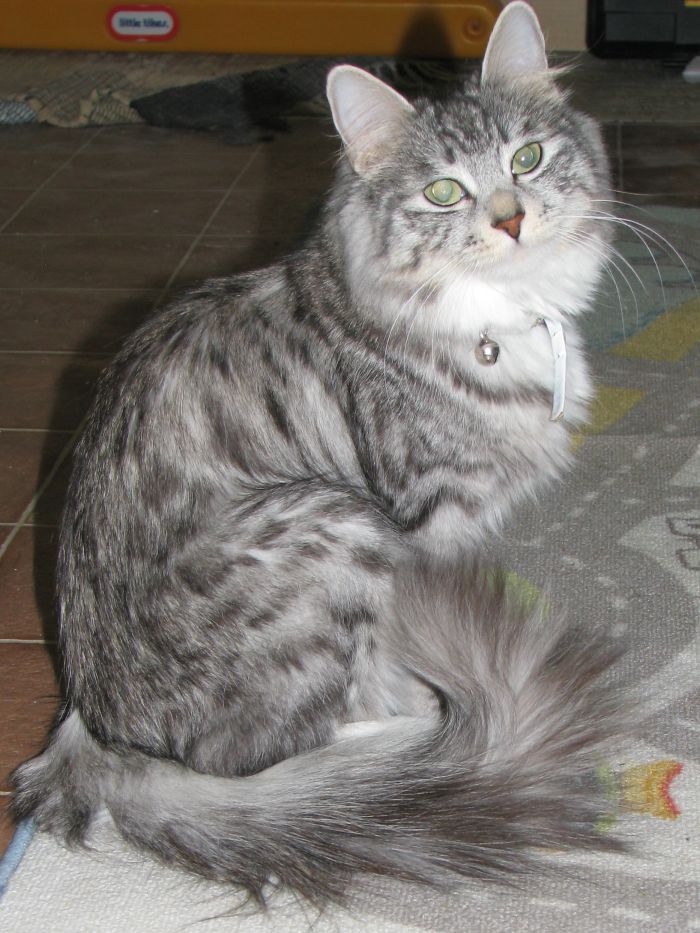
The Siberian is a generally healthy breed with no known heritable disorders or disease predispositions.
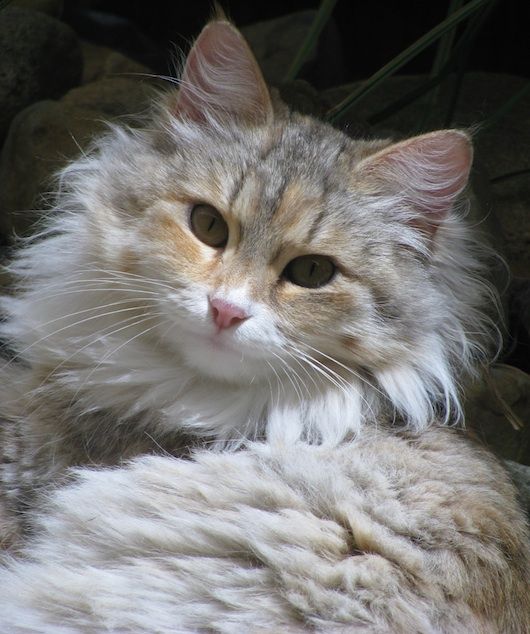
The Siberian is a natural breed, meaning he developed on his own without the intervention of humans
It wasn't until the 20th century that people began selectively breeding the Siberian for a particular appearance.
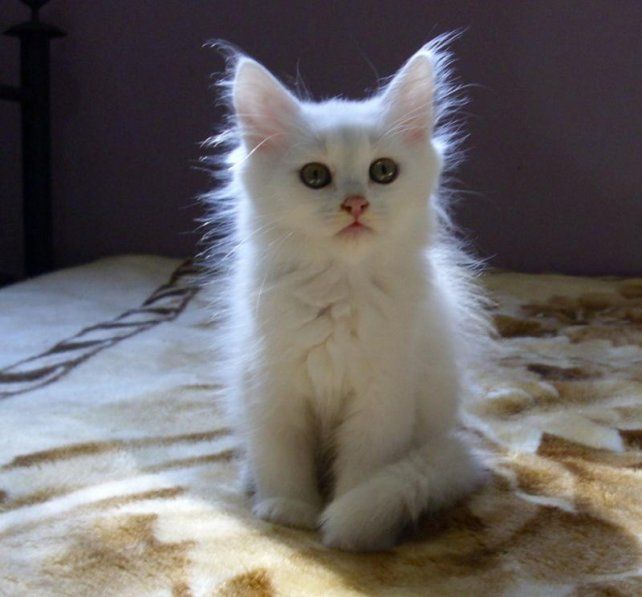
After the breakup of the Soviet Union, Western cat lovers learned of the breed
The first Siberians were imported to the U.S. in 1990. The International Cat Association accepted the Siberian into the New Breed program in 1992 and granted them champion status in 1996. The Cat Fanciers' Association began registering Siberians in 2000. The breed achieved full recognition by CFA in 2006.
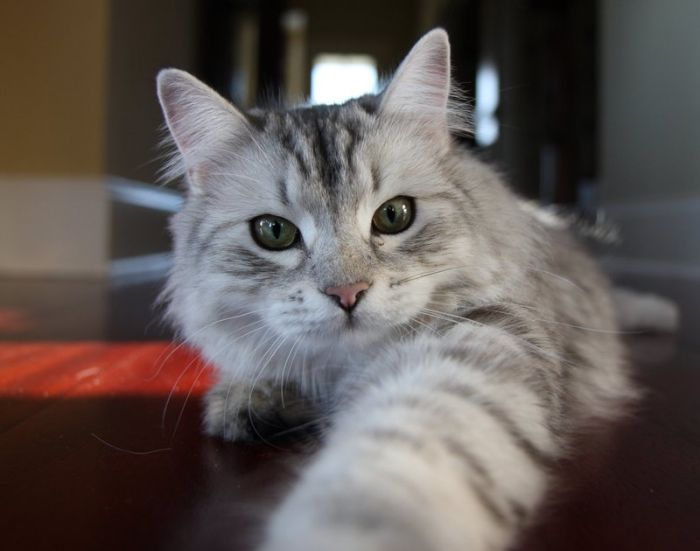
Other cat associations that recognize the Siberian include American Cat Fanciers Association and Cat Fanciers Federation
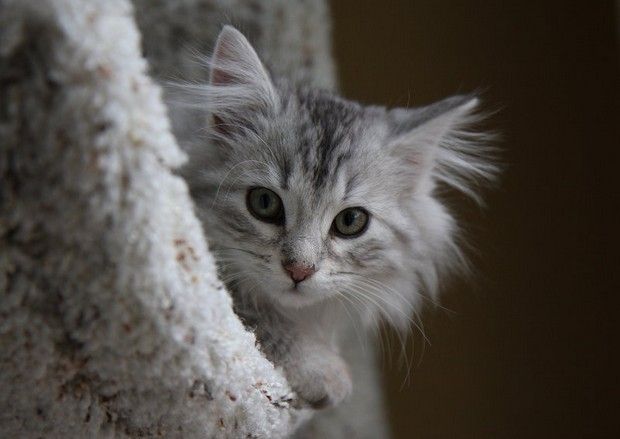
In 2014, the Siberian was the 17th most popular breed registered by CFA, out of 43
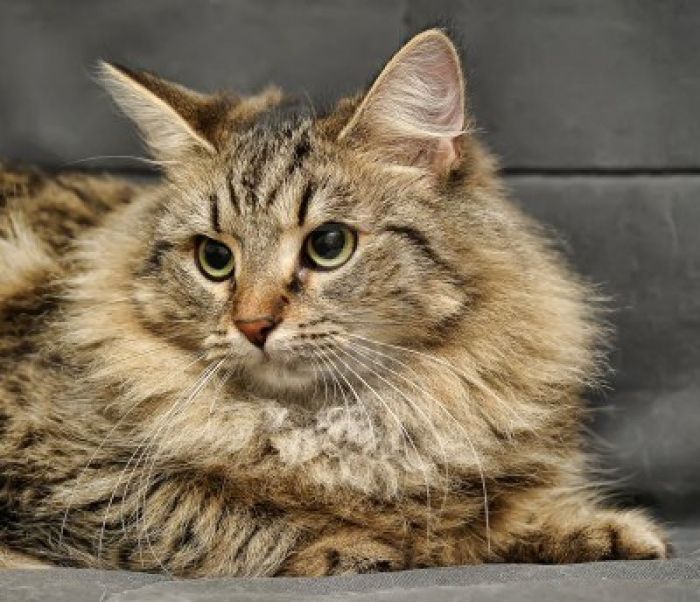
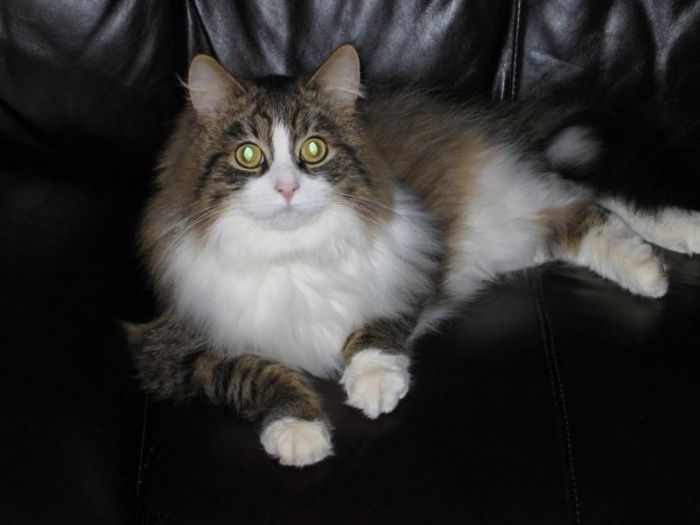
While the most common pattern is brown tabby
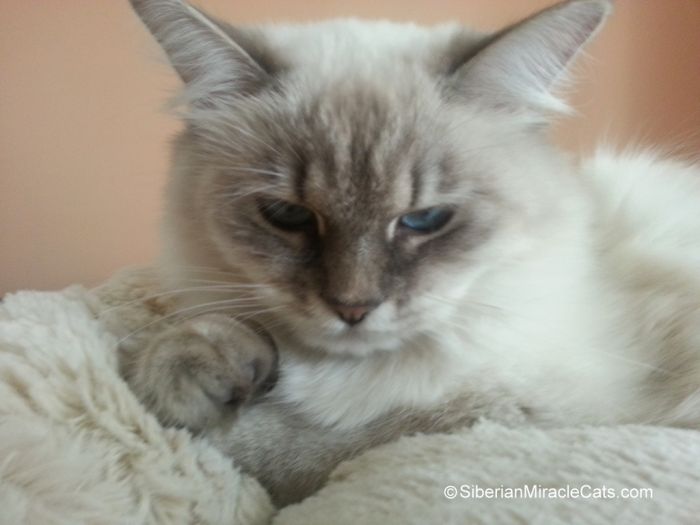
Siberians come in all colors and combinations, including colorpoint, with or without white on the coat. Their gorgeous eyes, which slant upward, can be gold, green, or blue. Some have odd eyes, meaning each eye is a different color.
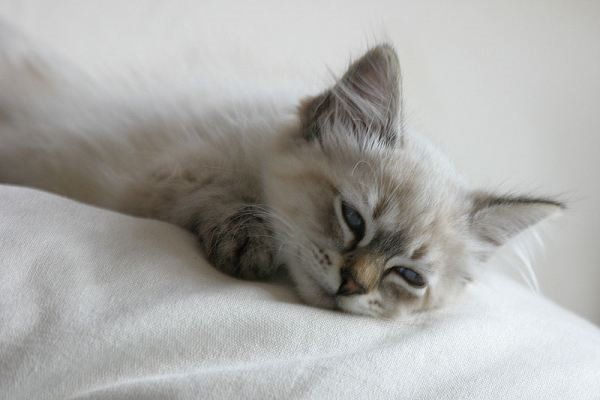
The Siberian is the national cat of Russia
and has been owned by Soviet president Mikhail Gorbachev and Russian Prime Minister Dmitry Medvedev.
Siberians have a reputation for being hypoallergenic
because some (but not all) produce less Fel d 1, the protein that causes people to be allergic to cats. If you have allergies, spend plenty of time with the Siberian you plan to get to make sure you don't react to him.
Did you know?
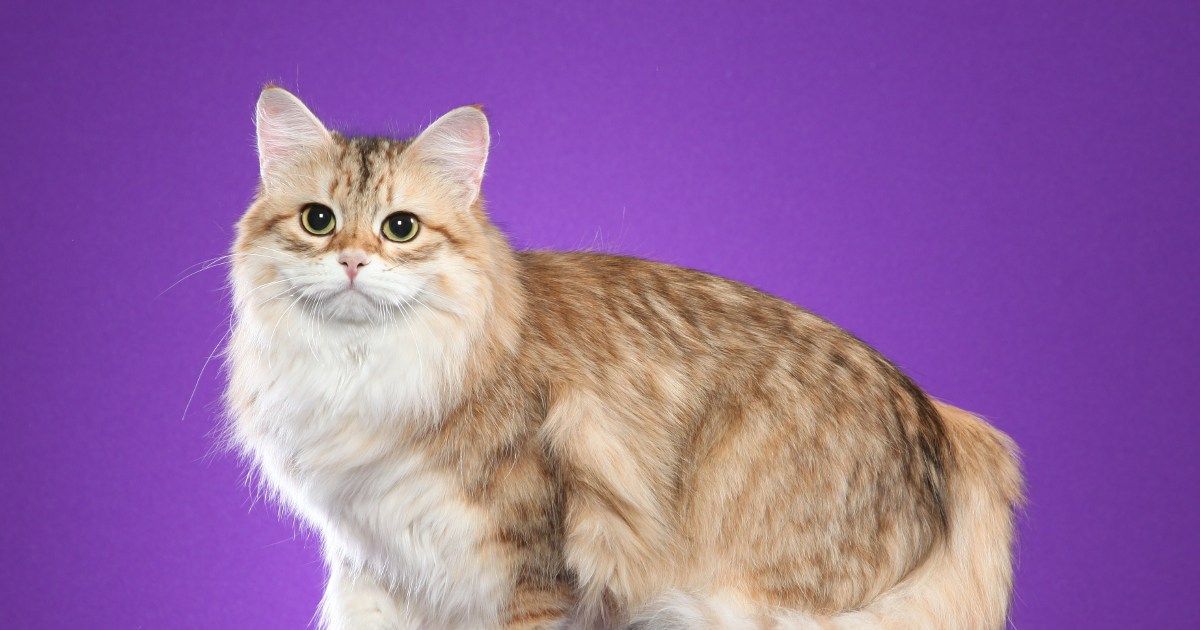
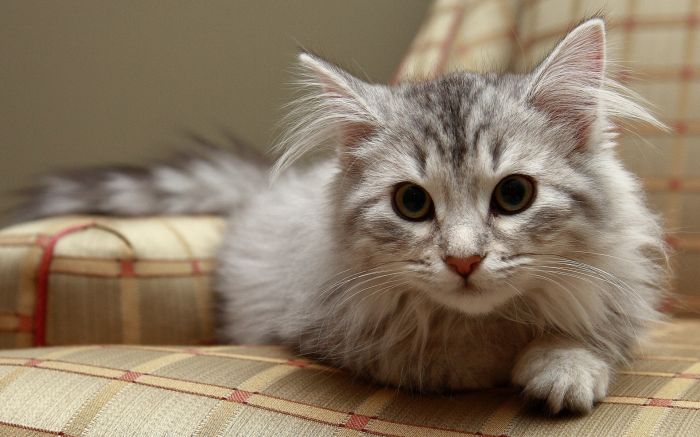
The Siberian is dressed to kill in a fur coat that features a ruff around the neck, fluffy "britches" on the legs, and a bushy tail he wraps around himself like a stole. His ears have tufts of fur coming out from them a look that is both decorative and cold-weather functional. The tops of the ears also might have hair, known as lynx tipping.