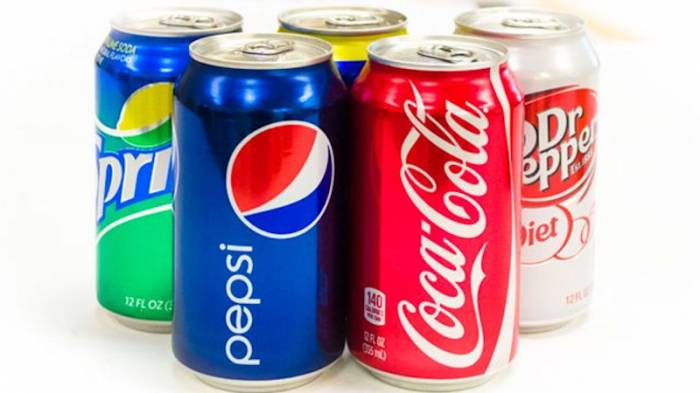
If you think all drinks are created equal, you're wrong. There's a reason why we call non-alcoholic beverages soft drinks, and it's not what you think.
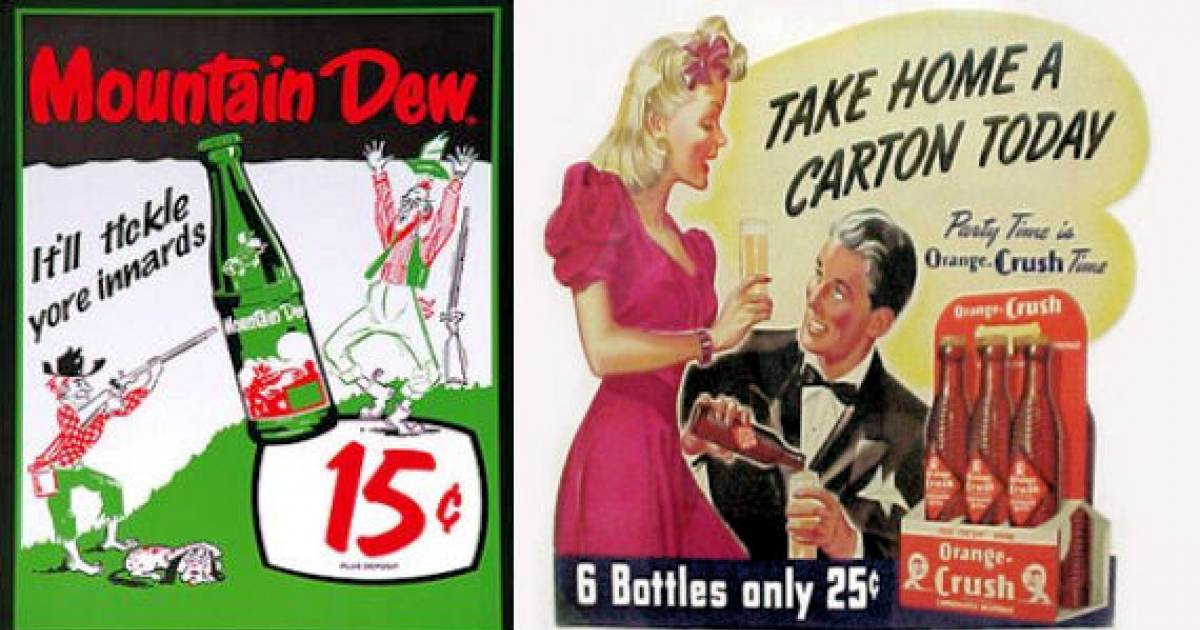
Why Are Carbonated Beverages Called "Soft Drinks"?
By
Editorial Staff in
Facts
On 21st November 2016
advertisement
#1 Why Flavored Carbonated Beverages Are Called 'Soft Drinks'
It turns out, soft drinks aren't just flavored carbonated beverages. "Soft Drink" refers to nearly all beverages that do not contain significant amounts of alcohol, or "hard drinks".
#2 The Name Is Used To Help With Advertising
The term "soft drink" though is now typically used exclusively for flavored carbonated beverages. This is actually due to advertising.
advertisement
#3 The Term Catches On
Flavored carbonated beverage makers were having a hard time creating national advertisements due to the fact that what you call their product varies from place to place. They could not create national or international campaigns for their products with one single ad, and it would have been too costly otherwise, so they chose the term most widely used at the time.
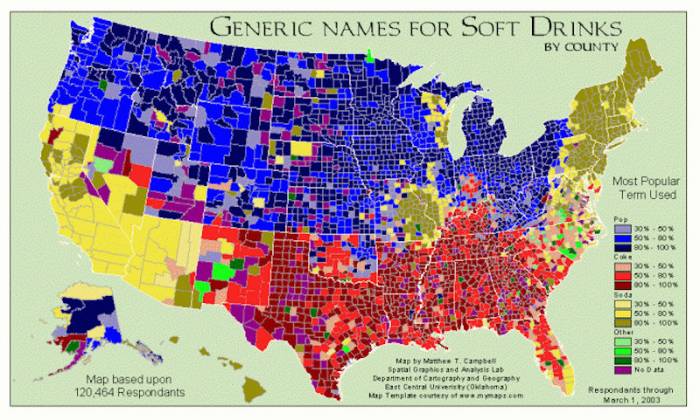
#4 Fizzy Drink Or Soda Pop
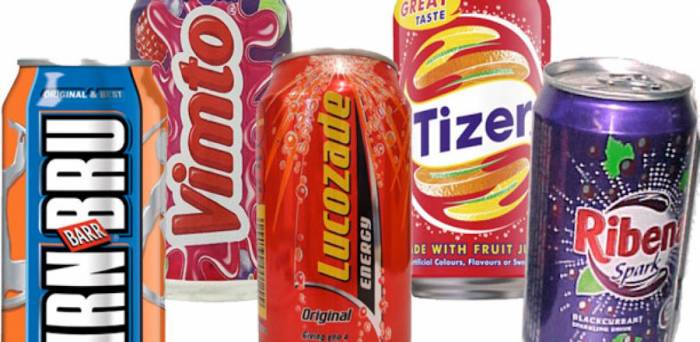
For instance, in parts of the United States and Canada, flavored carbonated beverages are referred to as "pop". In other parts "soda", in yet other parts "coke", and there are a variety of other names commonly used as well. Then if we go international with the advertisements, in England these drinks are called "fizzy drinks", and in Ireland sometimes "minerals".
advertisement
#5 One Generic Name
To account for the fact that they can't refer to their product in the generic sense on national advertisements, because of these varied terms, these manufacturers have chosen the term "soft drink" to be more or less a universal term for flavored carbonated beverages. However, as the previous map shows, in the US alone people still refer to carbonated beverages by various names.
advertisement
#6 Carbonated Soft Drinks Still Contain Alcohol
Interestingly, according to a study done in 2006, most carbonated "soft" drinks actually do contain a little alcohol. In older methods of introducing the CO2 to the drink, this was resulting from natural fermentation, similar to how most beer gets its alcohol. However, with modern methods of introducing CO2 to the drink, this is not an issue, yet measurable amounts of alcohol remain.
advertisement
#7 Fermented Sugars Produce Alcohol In Everything
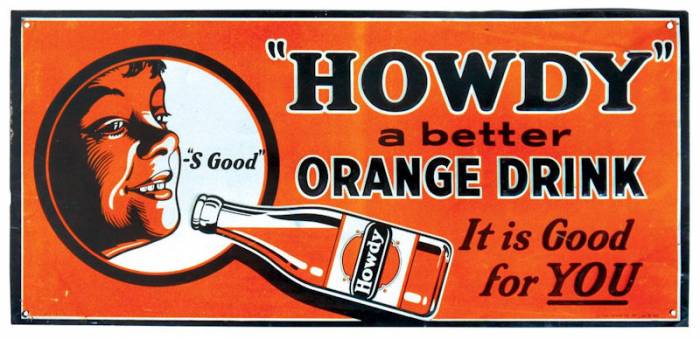
This is due to the fermentation of sugars in the non-sterile environment of the drink. In some types of soda-pop, additional alcohol is also introduced due to the fact that alcohol is used in the preparation of some of the flavor extracts. However, before anyone starts campaigning to make soda-pop illegal for kids due to the alcohol content, it should be noted that a typical container of yogurt of similar volume to some amount of soda-pop, will contain about 2 times the amount of alcohol over the amount in the soda-pop.
advertisement
#8 Pop Goes The Cork
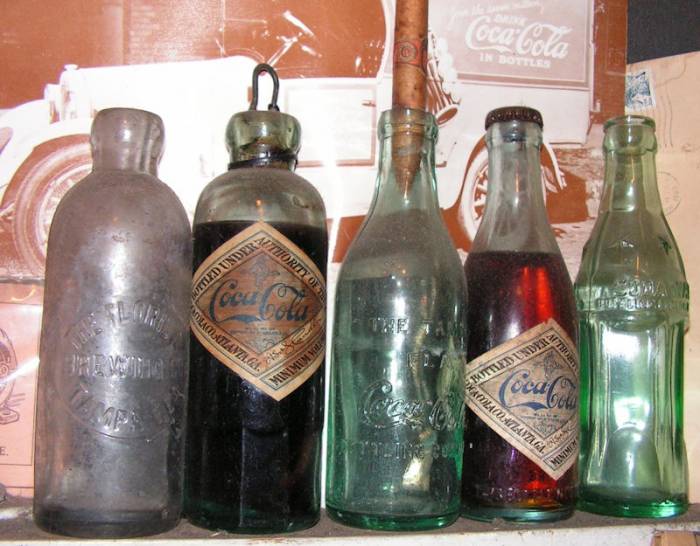
The term "soda-pop" was a moniker given to carbonated beverages due to the fact that people thought the bubbles were produced from soda (sodium bicarbonate), as with certain other products that were popular at that time. A more correct moniker would have been "carbonated-pop". But, the original bottles had corks, which when opened, made a POP sound, hence "pop goes the cork" on the soda water.
advertisement
#9 The First Carbonated Soft Drinks
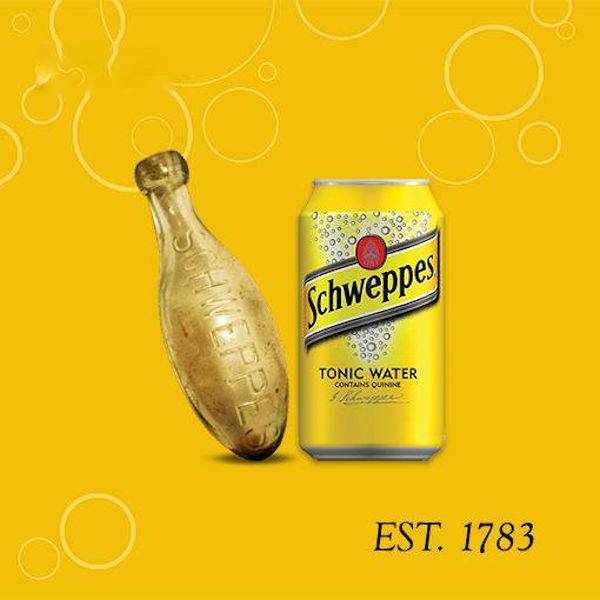
The father of the soft drink industry is generally held to be German-Swiss jeweler Jacob Schweppe, who was the first large-scale producer of aerated water around 1783. Although there were many before him that produced aerated water, such as William Brownrigg from England, who created the first artificial mineral water in 1741. It was about 15 years later that he introduced ginger to his mineral water and created Ginger Ale, one of the first known soda pops in history.
advertisement
#10 Americas First Soft Drink Was Used For Treating Joint Pain & Other Illnesses
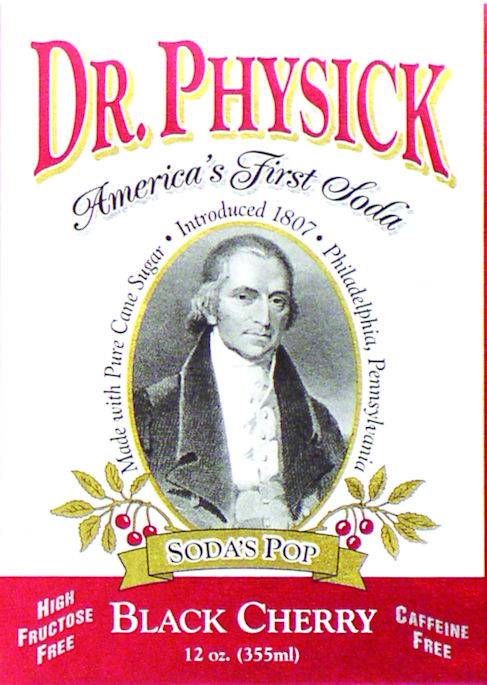
The first flavored carbonated drinks were created in the United States in 1807 by Townsend Speakman. The original mineral water which he carbonated was sold as a joint and arthritis pain reliever as well as for several other ailments like headaches, upset stomachs, and bad nerves. The purpose of adding flavor wasn't just to make it taste better, but also to improve on the supposed natural curative properties of mineral water. He sold his bottled mineral water under the name Dr.Physick, and popular ingredients to add were birch bark, dandelions, ginger, lemon, cocoa, and kola. The latter two combined ended up producing Coca-Cola, which was originally formulated by Dr. John Styth Pemberton and first sold on May 8th, 1886.
advertisement
#11 France Was Selling Aerated Flavored Drinks In The 17th Century
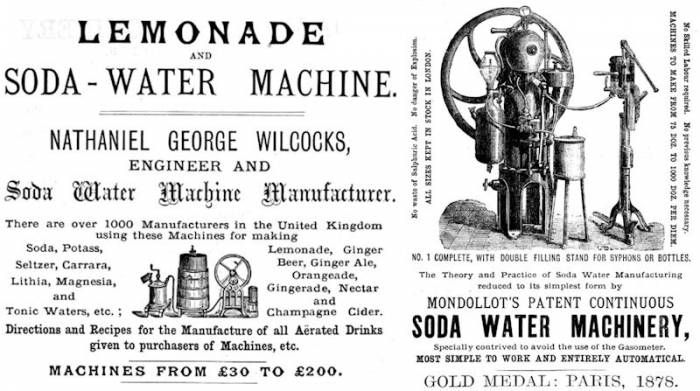
The first mass produced, non-tea/coffee, soft drinks were non-carbonated, appearing popularly around the 17th century. The most popular of these were made from water, lemon juice, and honey. At one time, in France, a company was given a monopoly for selling this lemonade concoction to thirsty Parisians. The sellers would literally walk around with cups and small tanks on their backs and sell this non-alcoholic flavored drink to anyone who wanted it. That machine, or tank, was later manufactured on a larger scale and eventually became the carbonation to create fizzy drinks.
advertisement
#12 Glass Bottles Are Better For Holding The Fizz
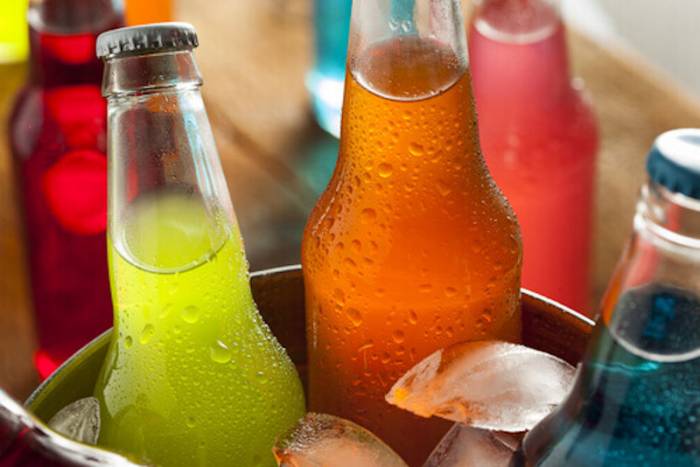
Glass bottles make significantly better containers for carbonated beverages due to the fact that air can diffuse through plastic, allowing the CO2 to escape. Thus, carbonated beverages stored in plastic containers have a much shorter shelf life than their glass counterparts. The plastic bottle is now the most popular, but there was a time when all drinks were sold in glass containers, and with landfills full of plastic and recycling a flop in most parts of the world, glass bottles are making their way back onto store shelves.
#13 Sugar Overload
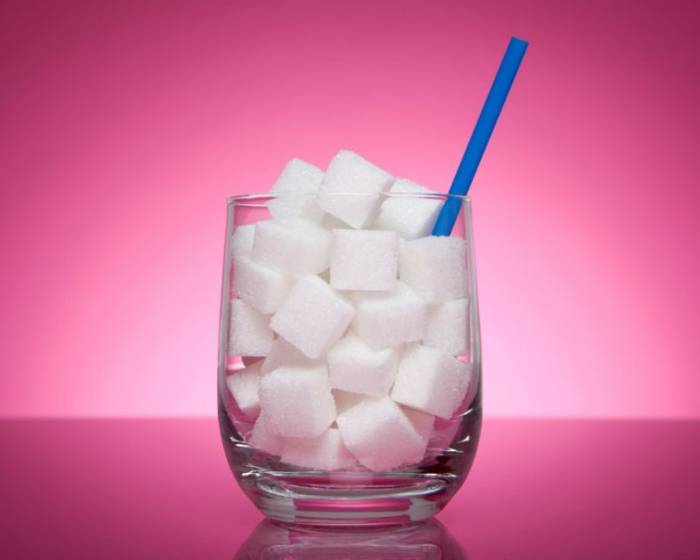
Almost all of the food energy in soda-pop is from refined cane sugar or corn syrup. Each serving of a typical carbonated soft drink contains at least 15% more than the recommended daily allotment of sugars. The diet sodas are said to be worse than a regular soda because of the artificial sweeteners. They have been linked with side effects and have proven to store bad fats in the body, making you hungry. Virtually making that 'diet' useless.
advertisement
#14 Fun Facts About Coke & Pepsi
Coca-Cola was first invented by a pharmacist to help headaches and actually contained cocaine. Pepsi never contained cocaine but was a major flop in China when it was first introduced there in the 1960s. Pepsi Cola once spent a lot of money on a large advertising campaign in China with the slogan "Come Alive With Pepsi!" between 1963 and 1967. Unfortunately, the translation was just a little bit off and it actually said, "Pepsi brings your ancestors back from the grave!"