For millions of moviegoers, the idea of visiting the local theater automatically conjures memories of popcorn. You can almost smell and taste it. But this wasn’t always the case, so why, out of all snacks, did popcorn become the #1 snack for watching movies?
advertisement
#1 How Did Popcorn Become The Mainstay Of Movie Theaters?
It's hard to imagine attending the latest blockbuster without a jumbo bucket of excessively buttery, salty popped corn. But, the movie theater's most popular concession wasn't always associated with the movies. In fact, it used to be explicitly banned.
#2 Popcorn Has Been Around For Ages
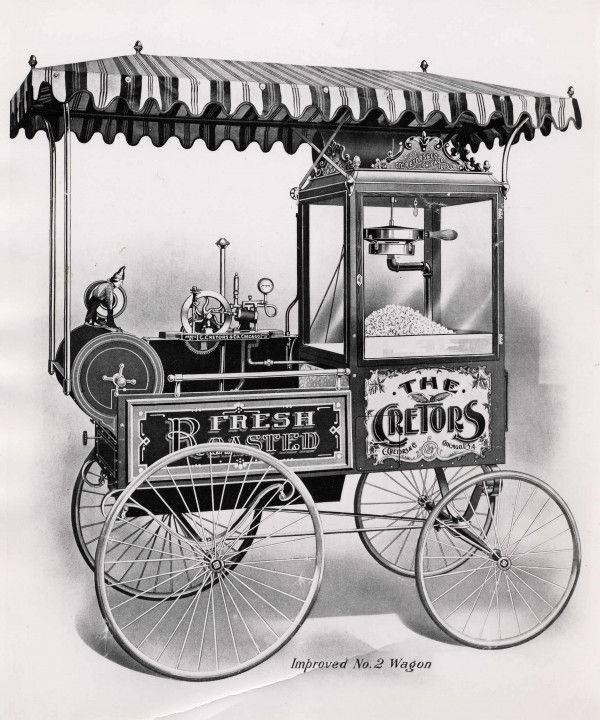
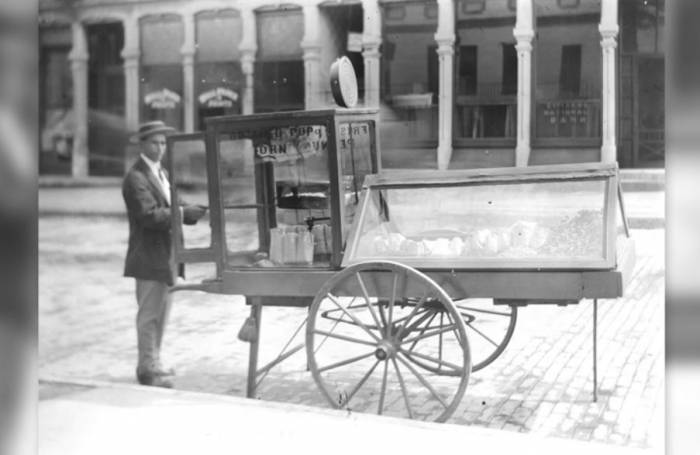
It was the most popular snack at county fairs, and carnivals at the start of the 19th century. Street vendors were able to easily make and sell the delicious, aromatic snack food by the bag when the first steam-powered popcorn maker was created in 1885. People loved stopping for a bag of the crunchy/salty snack. However, movie theaters wanted to stay far, far away from the pungent, crunchy grub.
advertisement
#3 The First Movie Houses Catered To A Higher Clientele
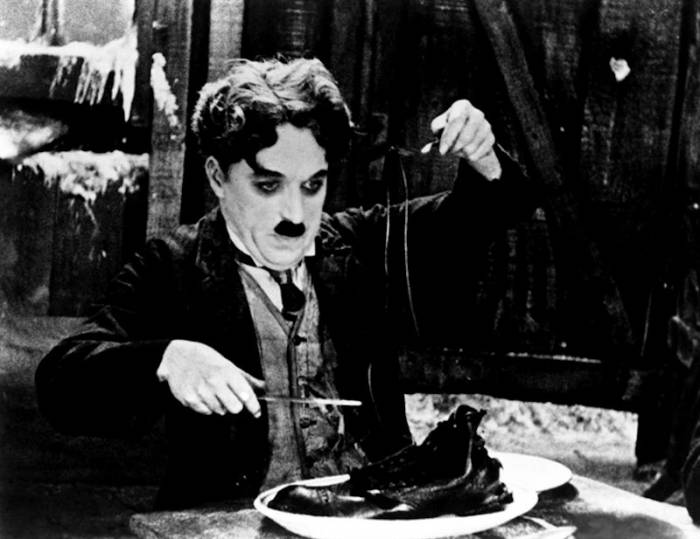
During the era of silent film, the movie houses followed the same traditions as traditional theaters that showcased plays, operas, and vaudeville shows. This meant no talking, and no eating, especially loud foods like popcorn which could distract from the show.
#4 There Was Also A Class Consideration
Originally, only people with an above average income and a higher learning went to the movies, just as they did the playhouses that were so popular with the higher society class. Since audiences had to read the subtitles inserted between scenes, moviegoers had to be literate. AKA, they had to be a "better" sort of customer with an education.
advertisement
#5 Street Vendors Sold Popcorn Outside Of Theaters And Nickelodeons To Hungry Passersby
Allowing people who were not as highly educated was considered a big no-no in the movie business. Because they were trying to duplicate what was done in real theaters, they had beautiful carpets and rugs and didn't want popcorn being ground into it. So vendors would sell their popped corn outside the movie houses on the streets before and after the show. They would park in front of opera houses, theaters, and even the nickelodeons, which were tiny self-operated booths that cost a nickel to view a silent and very short film.
advertisement
#6 The Jazz Singer Changed Everything
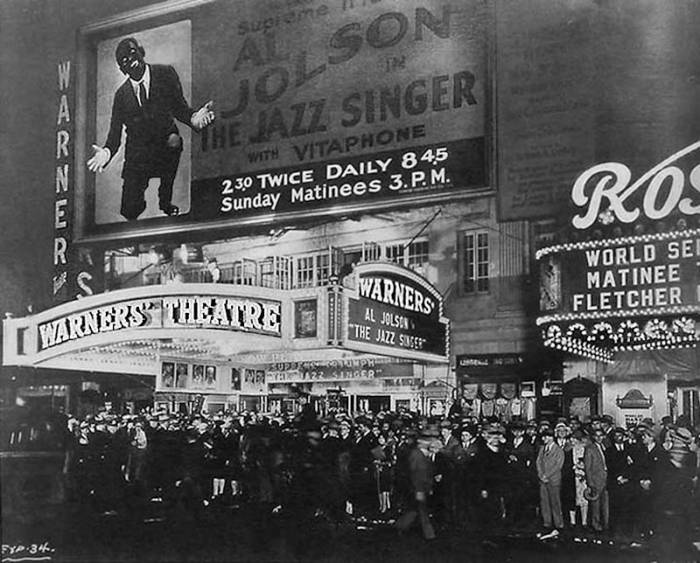
When films added sound in 1927, the movie theater industry opened itself up to a much wider clientele, since literacy was no longer required to attend films. Suddenly even the "common folk" could cough up some change, grab a seat, and understand what was going on without having to read the screen. And attendance grew beyond belief.
advertisement
#7 By 1930 Attendance At Movies Reached 90 Million Each Week
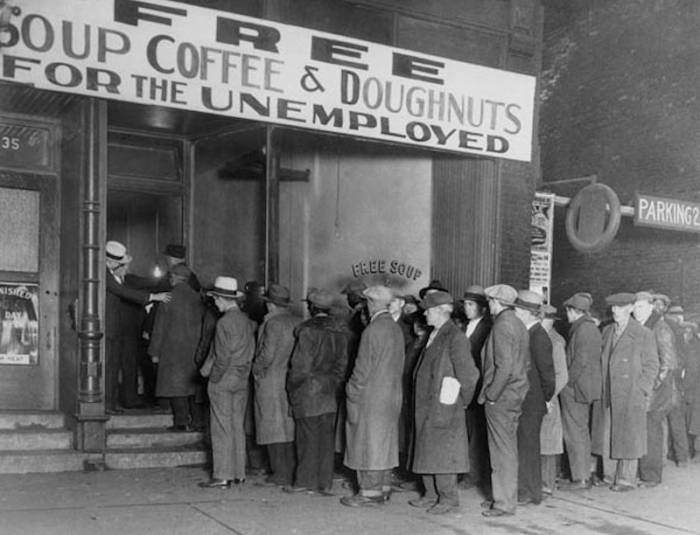
This was also the start of the Great Depression when people from sea to sea pined for cheap, escapist entertainment. This was a great way to finally allow snacks to the movie theaters since the profits were dropping significantly. It was great for both the movies and popcorn and theaters with the best chance of surviving were those giving the customers what they wanted.
advertisement
#8 Popcorn Saved The Movie Business
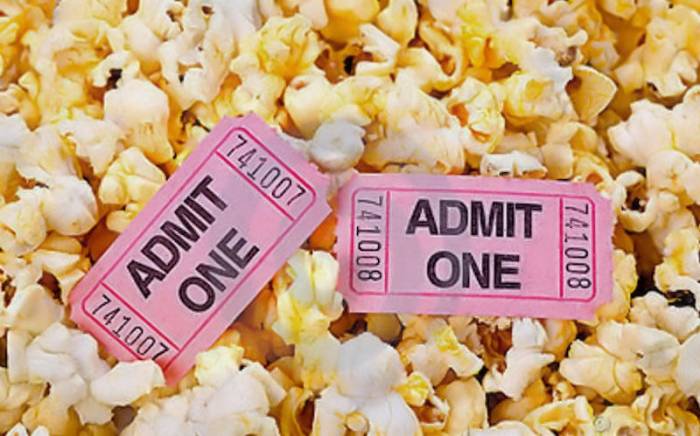
Some movie houses first allowed the street vendors inside their lobbies to sell their popcorn for 5 cents a bag. Realizing that this was something they could do on their own, the theaters began cutting out the vendors completely and started popping their own corn, since it was dirt cheap and easy to make. The popcorn machines were quickly redesigned to fit into the new concession areas that movie theater lobbies were adding on. For many theaters, the transition to selling snacks helped save them from the crippling Depression.
advertisement
#9 WWII Helped Increase The Sale Of Popcorn At Movie Theaters
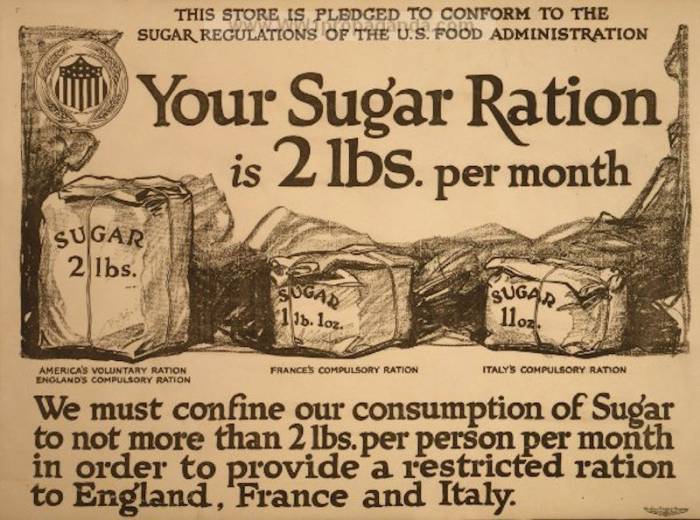
During World War II popcorn at the movies saw a really huge bump in sales, as the sugar ration further solidified the marriage between popcorn and the movie theaters. Competing snacks like sweets, candy, and soda suffered from sugar shortages and in turn, rationing, as traditional sugar exporters like the Philippines were cut off from the United States. Popcorn only required salt and kernals, neither of which were hard to come by.
advertisement
#10 Theaters Began Advertising The Concession Stands & Snacks Available
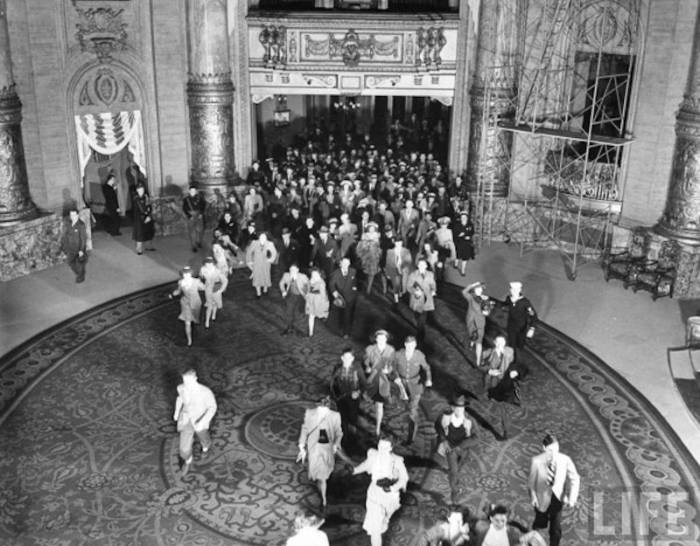
By 1945, popcorn and the movies were bound together, with over half of the popcorn consumed in America eaten at the movie theaters. Theaters began pushing advertisements for their concessions harder, debuting commercials that played before, and sometimes in the middle of, movies that enticed audiences to check out the snacks in the lobby. Maybe the most famous of these is "Let's All Go to the Lobby," a 40-second advertisement that debuted in 1957.
advertisement
#11 Television Saw A Drop In Audiences And Popcorn Sales
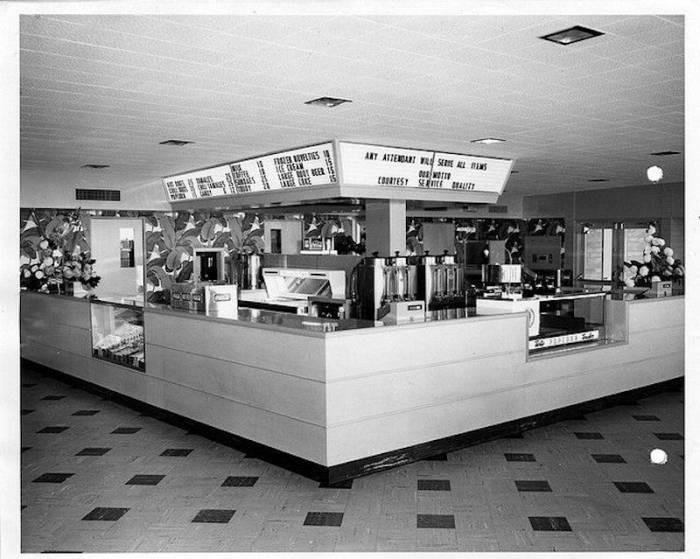
The association with movies and popcorn continues to this day, though there is a new wrinkle to the story. For all their marketing ploys, movie theaters saw their popcorn sales steadily decrease into the 1960s. The culprit was a new technology, the television, which lessened the need to go out to the movies. Popcorn wasn't widely eaten in homes, mostly due to how difficult it was to make. Consumers needed a popper, oil, butter, salt and other ingredients to replicate their favorite movie theater snack at home, and it wasn't happening. But that all changed again as movie audiences began to increase again by the mid-1970s through today.
advertisement
#12 Movies Like 'Star Wars' Are Partly Responsible For The High-Cost Of Concessions
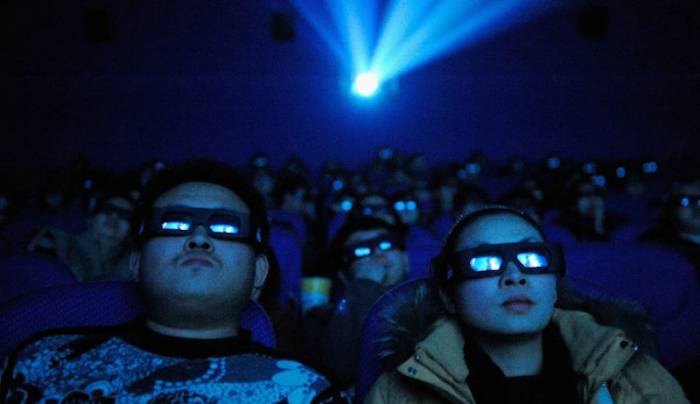
But why does it cost so much for a bag of popcorn if the corn is dirt cheap and it was so inexpensive during the Great Depression? The price of all concessions, not just the popcorn, really kicked in around 1977, when the "blockbuster" fims began rolling out of Hollywood, and the prices continued to rise steadily ever since. Contrary to popular belief, the movie theaters today don't really make any money by showing those top blockbusters.
#13 The Theater Is Only Making Money If The Film Is A Gigantic Hit
Since the later 70s, it has been difficult for movie houses and cineplexes to show a profit because of the cost the studio charges them to show their latest movies, which the studio paid hundreds of millions of dollars to produce and want to earn a profit for themselves. So to make up for this loss, theaters began using concessions and sodas to make up for their profit losses. Theaters have to split ticket revenue with movie distributors, and only average a profit of about 20% of the actual ticket sales. But, they can profit 100% on their own snack sales at the concession counter. This is why you don't see a lot of smaller films playing in your local movie theater, there's no profit in it.
advertisement
#14 Popcorn Will Remain A Movie Theater Staple
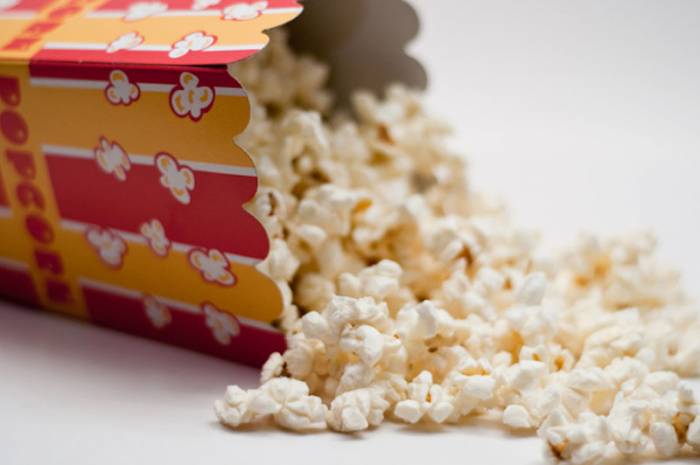
So the history of movies and popcorn was written, and continues. Movie theaters are reimagining the movie experience all over the world, trying to keep patrons in the seats. Some are reverting back to the old style movie theaters from the 50s, 60s, and 70s, and some are going very high tech. luxury theaters have begun popping up around the country, with enormous gift shops and concessions, and a gourmet level of movie theater dining, offering a menu of larger, cooked items like sliders and flatbreads. And, they're reinventing the popcorn snack model.