

No, it's not for decoration.
advertisement
We've all stepped onto an escalator and glanced down at those small brushes lining the sides, wondering what they’re actually for.
I still remember a time when I was tricked into believing they were meant for cleaning shoes. I eagerly ran my trainers along the edge, only to end up with an ugly, greasy black streak that refused to come off. That was the day I learned my lesson!
For something used by millions of people every day, escalators remain full of little mysteries. Most people don’t really know why the steps have grooves, why the handrail always seems to move faster than the stairs, or, of course, the real purpose of those black nylon bristles.
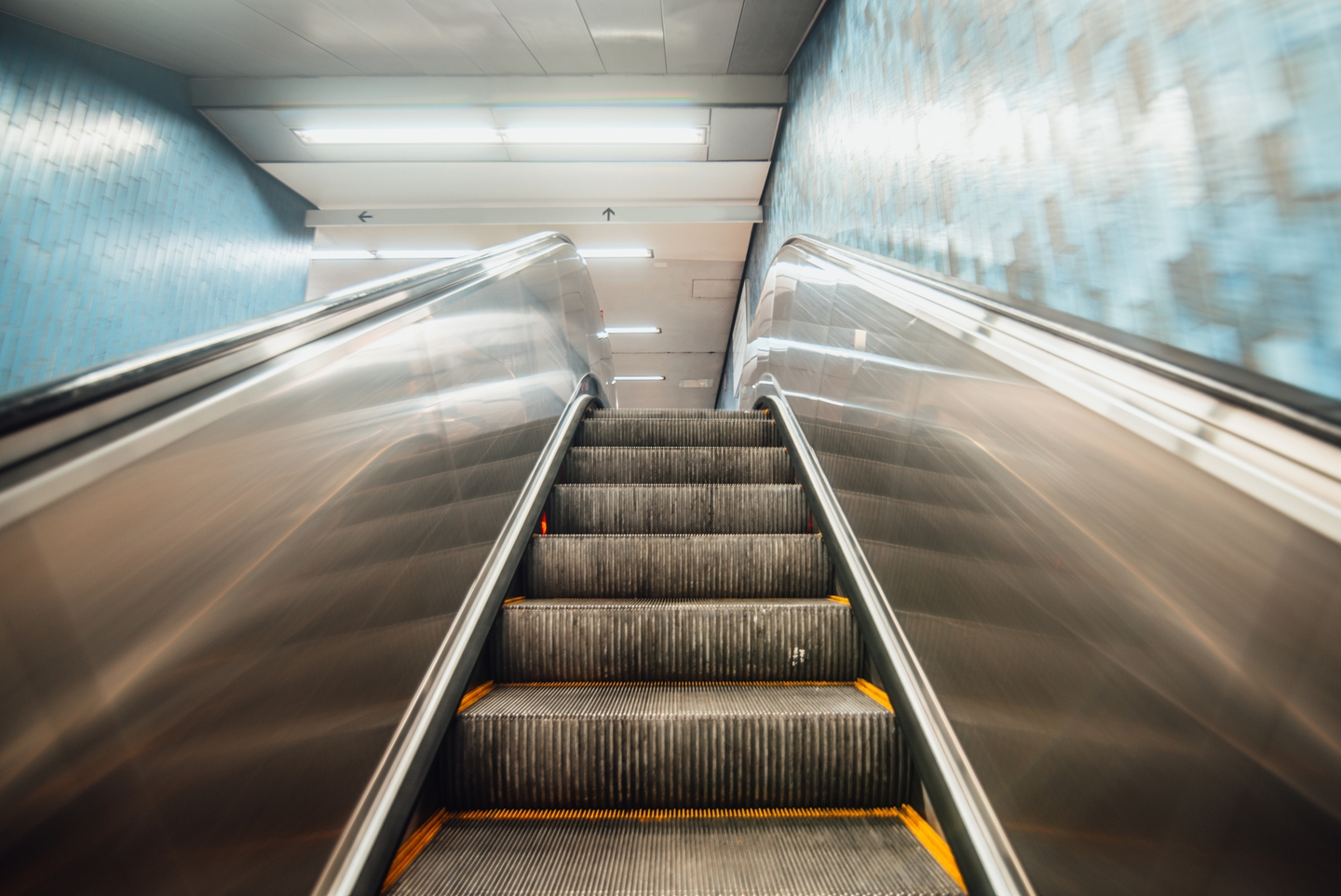
Have you ever wondered why there are brushes on the side of escalators?
Getty stock
Let's tackle the first two questions before we get to the brushes.
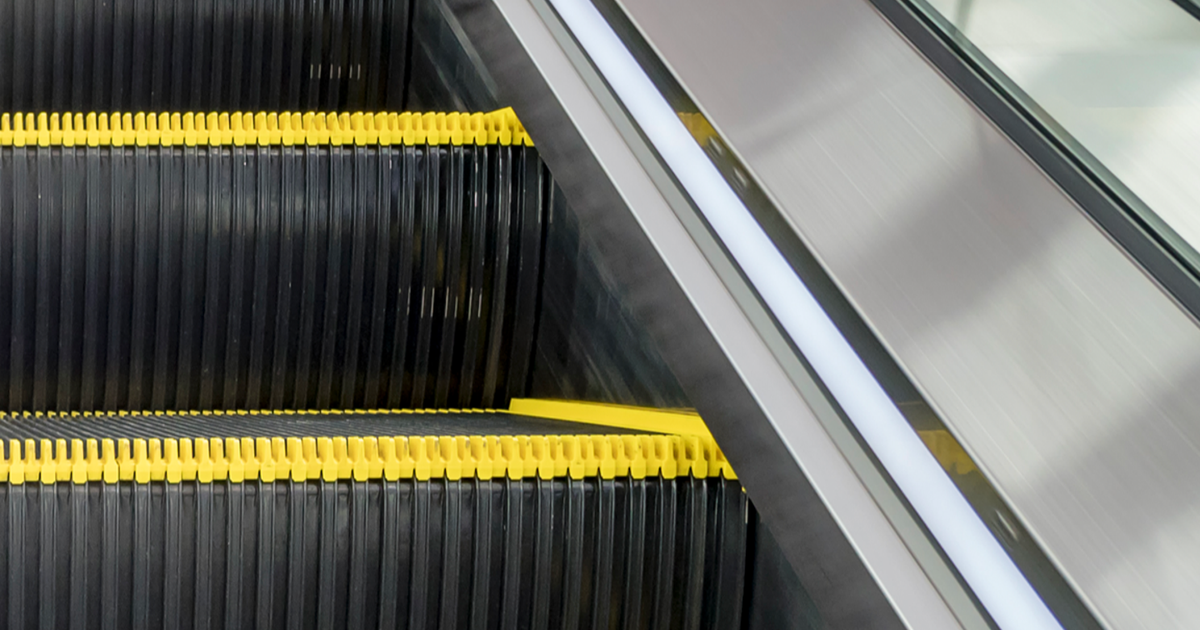
Popular YouTuber Zack D. Films created a simulation to demonstrate why escalator steps have grooves. In the video, he explains: "As the steps circulate, the grooves sync up with a comb plate at the top."
"This comb plate gets locked in by the grooves, which blocks items from getting sucked in."
advertisement
The grooves make sure nothing gets lodged in the mechanics, keeping the escalator running smoothly. As for the handrail, it turns out there's a reason for its slightly faster speed.
According to Deysse, a company that manufactures spare parts for escalators, the speed difference is intentional. They explain that it helps "bring the body's center of gravity forward when getting on the escalator, and it can prevent the body from falling down due to the sudden increase of the speed under the feet."
Honestly, now that I know the reason, it makes sense—but I have to admit, it’s still a little annoying!
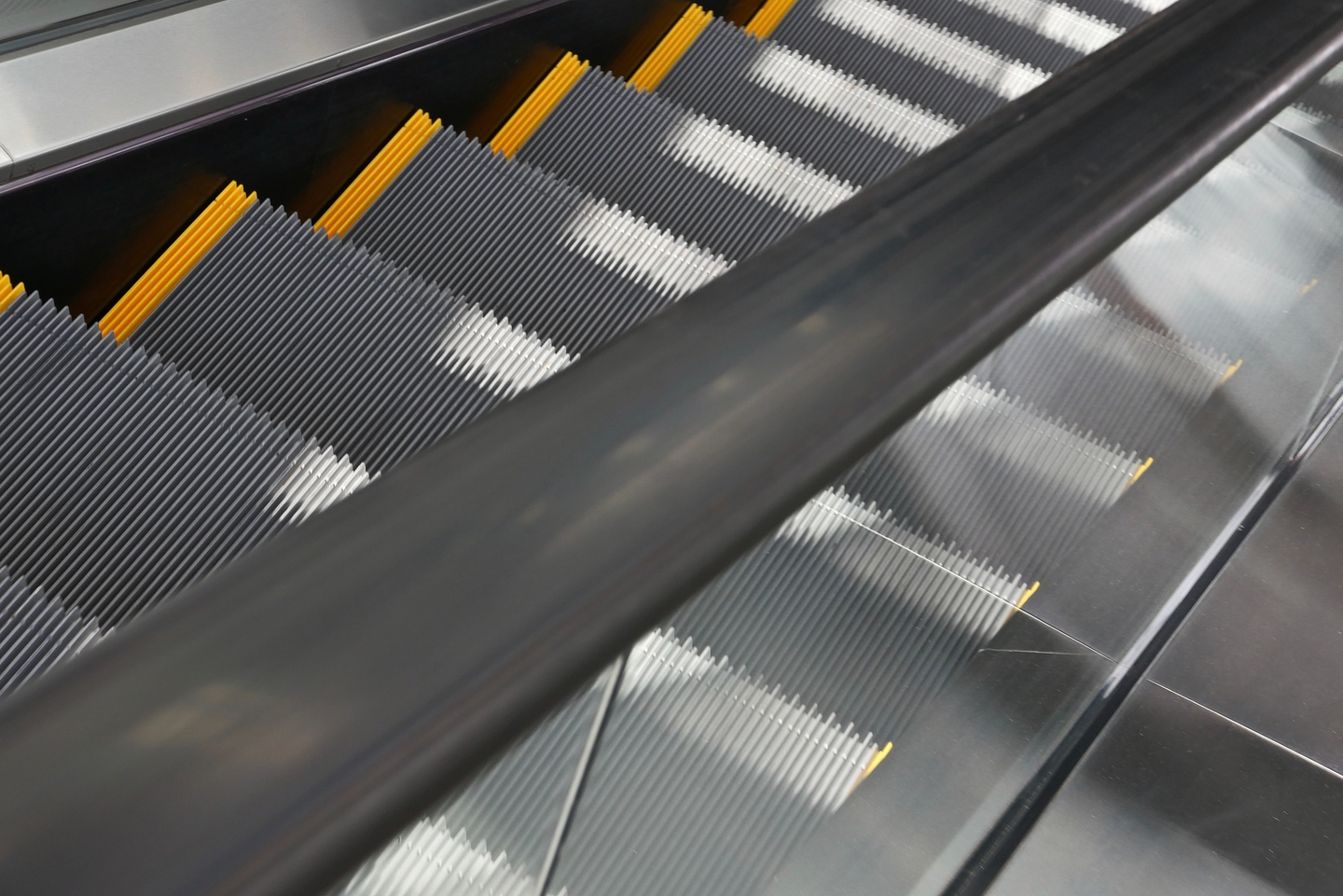
Handrails on an escalator actually move at a faster rate than steps for an important reason
Getty stock
Now, let’s get to the real question—what’s the deal with those brushes on the sides of escalators?
At first glance, you might assume they’re there to stop objects from damaging the machinery. But that’s not the case at all. These bristles are actually known as 'safety brushes,' and their main job is to prevent accidents.
They’re designed to keep shoes and clothing away from the dangerous gap between the moving stairs and the stationary balustrade skirt, reducing the risk of anything getting trapped.
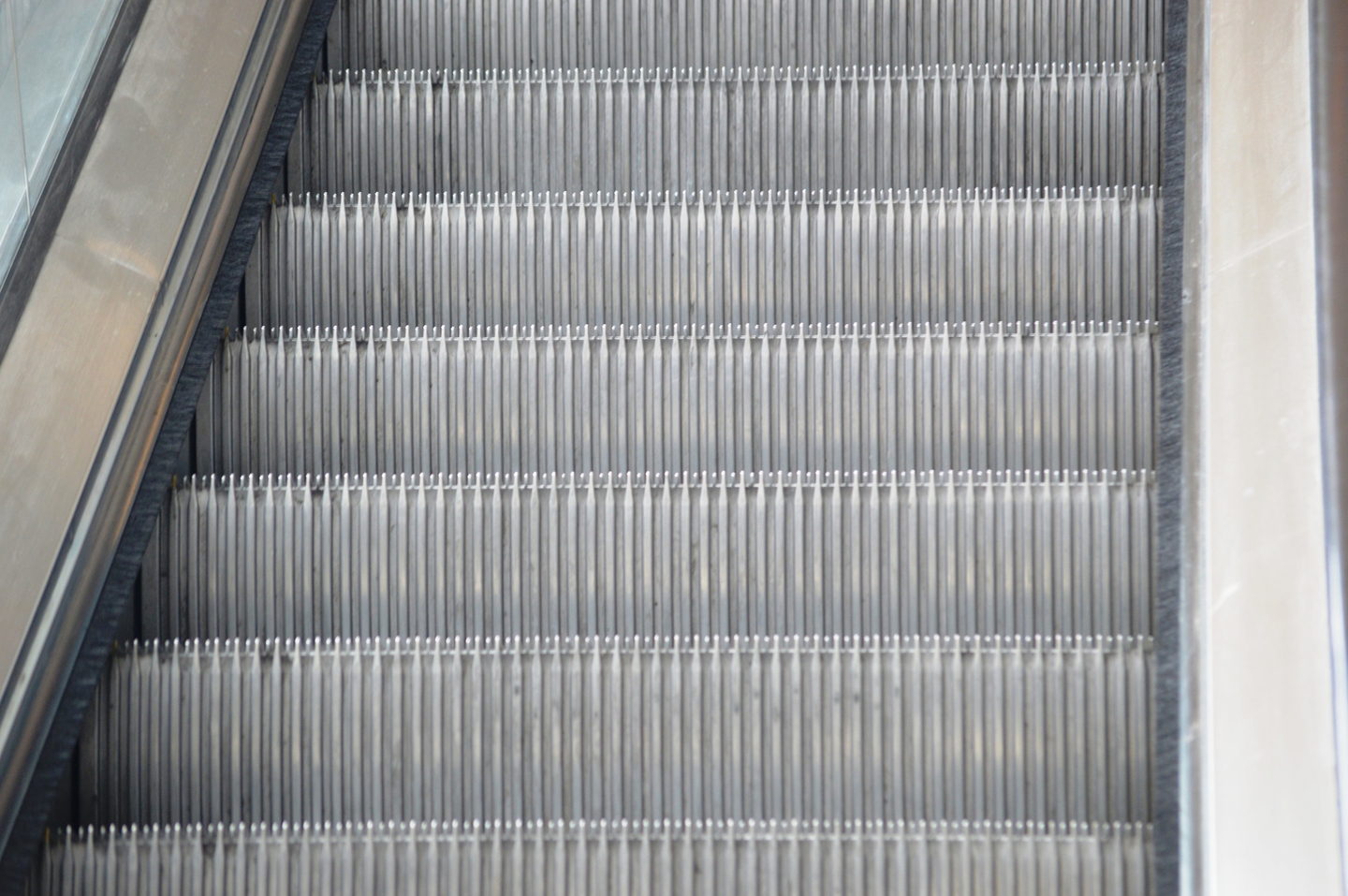
The reason escalators have brushes on the side is bizarrely for safety
Getty stock
advertisement
Surprisingly, their design is less about physical protection and more about influencing human behavior. When someone brushes against them, their natural instinct is to step away—keeping their shoes, clothes, and belongings at a safe distance.
"One of the biggest reasons for escalator mishaps is people getting their clothes and bags stuck in them when they stand too close to the sides," explained the TikTok account 'Untold Facts'.
One user shared their own unfortunate experience in response: "I got my floor length dress caught in an escalator and it left oil/grease stains on it that I could never remove."