

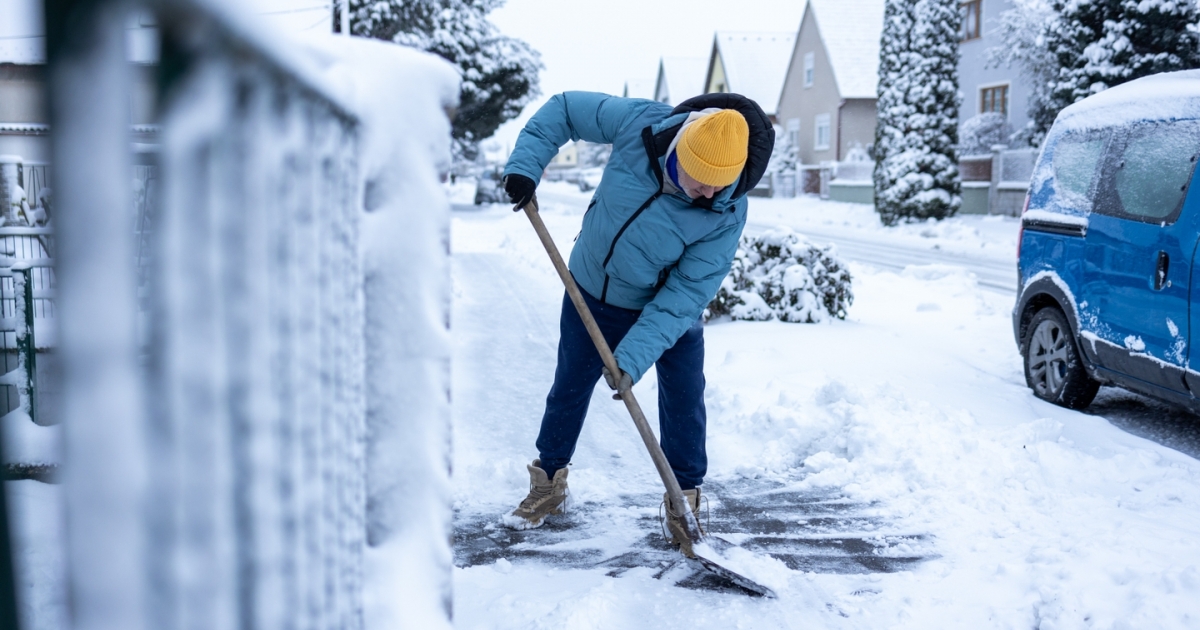
Shoveling snow comes with risks people often overlook, and those hidden dangers can add up quickly
advertisement
An expert has shared an important warning after explaining why so many people end up facing serious health emergencies while shoveling snow. The issue often catches people off guard, and it can happen faster than many realize.
During the colder months, plenty of us find ourselves needing to clear a driveway or walkway just to start the day. It feels like a normal part of winter weather, but the physical effort involved can be far more demanding than it seems at first.
Most people don't expect that a typical snow-clearing job could become risky. However, for certain individuals, especially those who do not exercise often, shoveling snow can actually carry real danger.
Hospitals and emergency rooms even prepare for an increase in heart-related emergencies whenever there is heavy snowfall. This pattern happens every year, and it raises a fair question about why something as routine as shoveling could trigger such serious outcomes.
The answer may be surprising because the danger comes from a combination of exertion and cold weather. Harvard Health explains that people who shovel snow are often not used to strenuous physical activity.
That sudden jump in effort can place significant strain on the body, especially the heart, and that strain becomes even greater when paired with freezing temperatures.
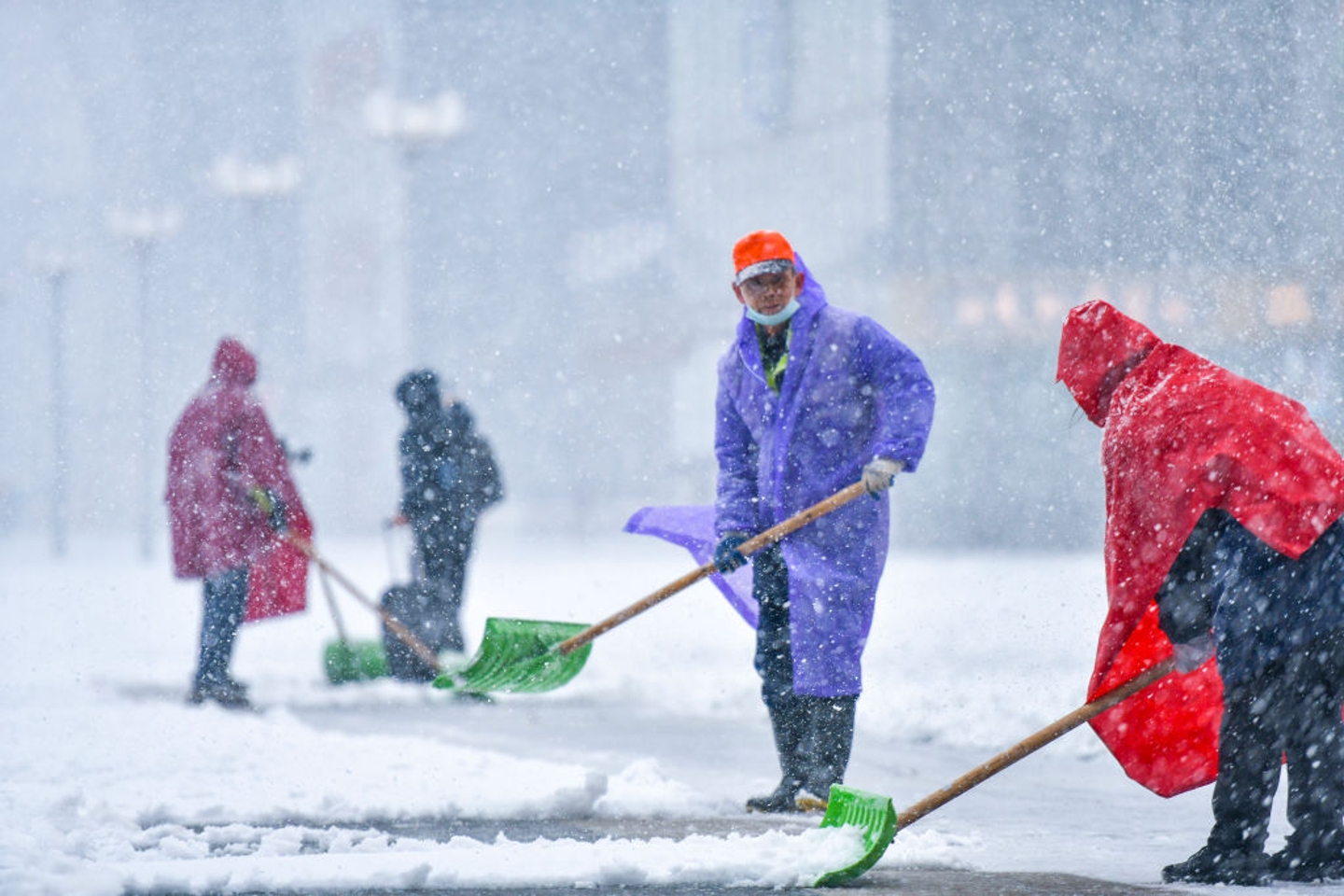
Many of us have to shovel snow at this time of year
VCG/VCG via Getty Images
advertisement
"Picking up a shovel and moving hundreds of pounds of snow, particularly after doing nothing physical for several months, can put a big strain on the heart," it explains.
The cold itself can worsen the situation because it can tighten blood vessels and raise blood pressure. Harvard Health notes that this can interrupt blood flow and make clots more likely to form, which increases the risk even further.
Lawrence Phillips, a cardiologist at NYU Langone Medical Centre, also described what happens in more detail.
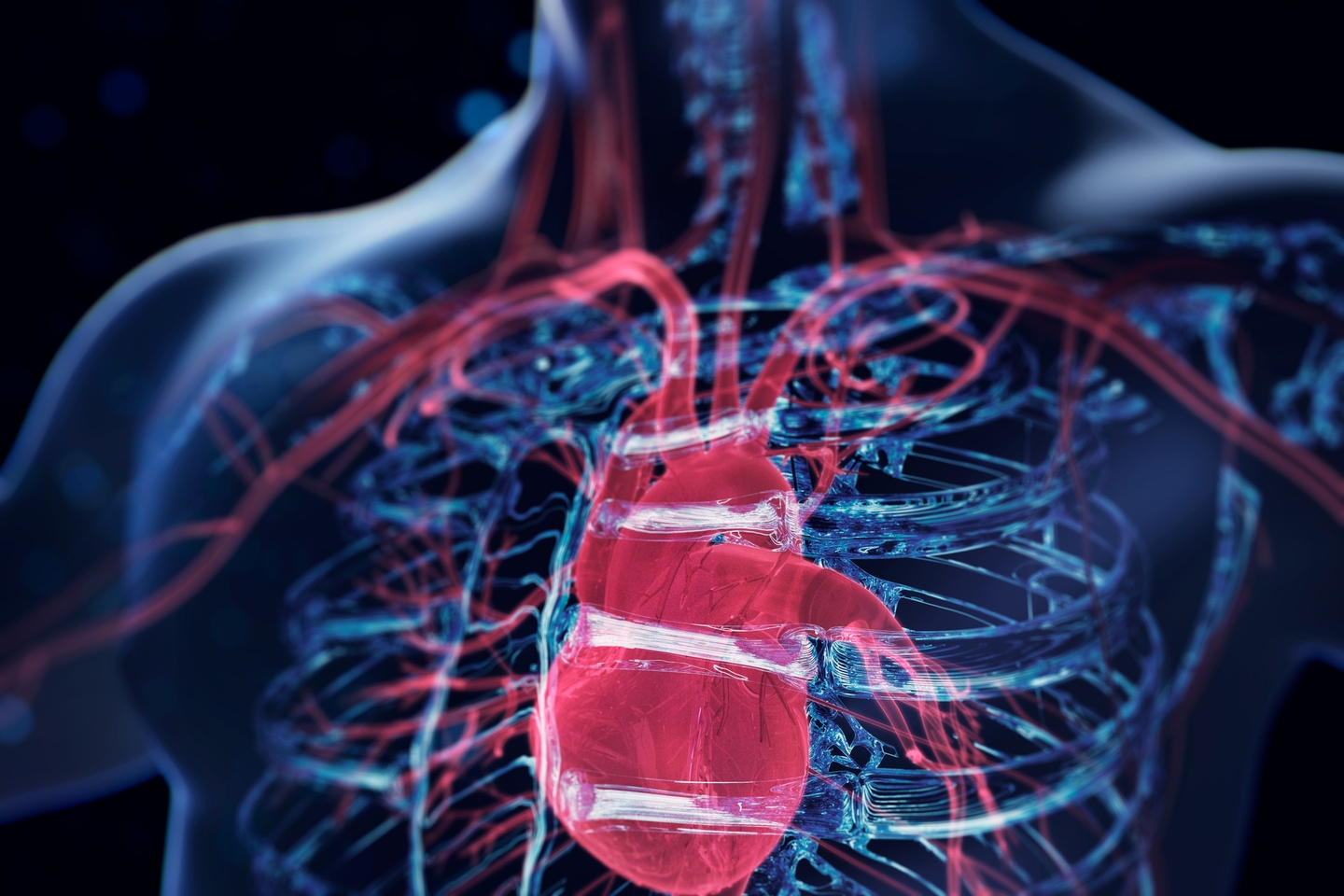
Shoveling snow can sometimes increase the risk of a heart attack in some people
Getty Stock Photo
He told The Independent: "Physically, what happens when you get really cold is you have constriction of the blood vessels."
"It decreases the blood supply you're getting to your vital organs."
Phillips added that people who are not active on a regular basis should avoid starting with something as demanding as snow shoveling, especially in sudden cold weather.
advertisement
"If you haven't been exercising and you haven't been exerting yourself, this is not the time to start," he added.
"The amount of work that goes into shoveling snow is tremendous."
"People will underestimate the amount of work they are doing."
advertisement
Phillips also explained that shoveling snow is a goal-driven activity, which makes it harder for people to know when they should take a break or stop. Because of that mindset, they often push themselves too far without realizing the strain building up.
Harvard Health shared several tips for anyone who must shovel snow. It suggests that it is best to:
- Warm up your muscles before you begin
- Shovel lighter loads instead of heavy ones
- Take regular breaks
- Drink lots of water
- Not feel pressured to clear every inch of snow
- Head inside if your chest starts hurting, you feel lightheaded or short of breath, your heart begins racing, or if any other physical change makes you uneasy.
It's important to take a break if you are struggling
Artur Widak/NurPhoto via Getty Images
advertisement
If you notice any unusual symptoms, it is important to get medical help right away. Symptoms of a heart attack can include:
- Chest pain
- Pain or discomfort spreading to the shoulder, arm, back, neck, jaw, teeth or sometimes the upper abdomen
- Cold sweat
- Fatigue
- Heartburn or indigestion
- Lightheadedness or sudden dizziness
- Nausea
- Shortness of breath