it's a fact of life. Some people go bald over time. In some cases, it might have to do with their particular genes. For some people, baldness is simply a family trait they inherited from their parents or grandparents. And everyone loses their hair, eventually. But, there is a little hope in science.
advertisement
#1 You Are Losing Your Hair Right Now
Scientists have long pondered, 'why do some people lose their hair, and how can we bring it back?'
All men lose hair progressively as they grow older. For some the loss is barely noticeable. For others it is obvious, and when hair loss is severe or occurs at a young age can be very distressing.
In fact, 1/4 of all females reading this right now are losing their hair, and over 1/2 of all men are losing hair just as quickly. So, read faster...
#2 There Are About 150,000 Hairs On Your Head, If You're Lucky
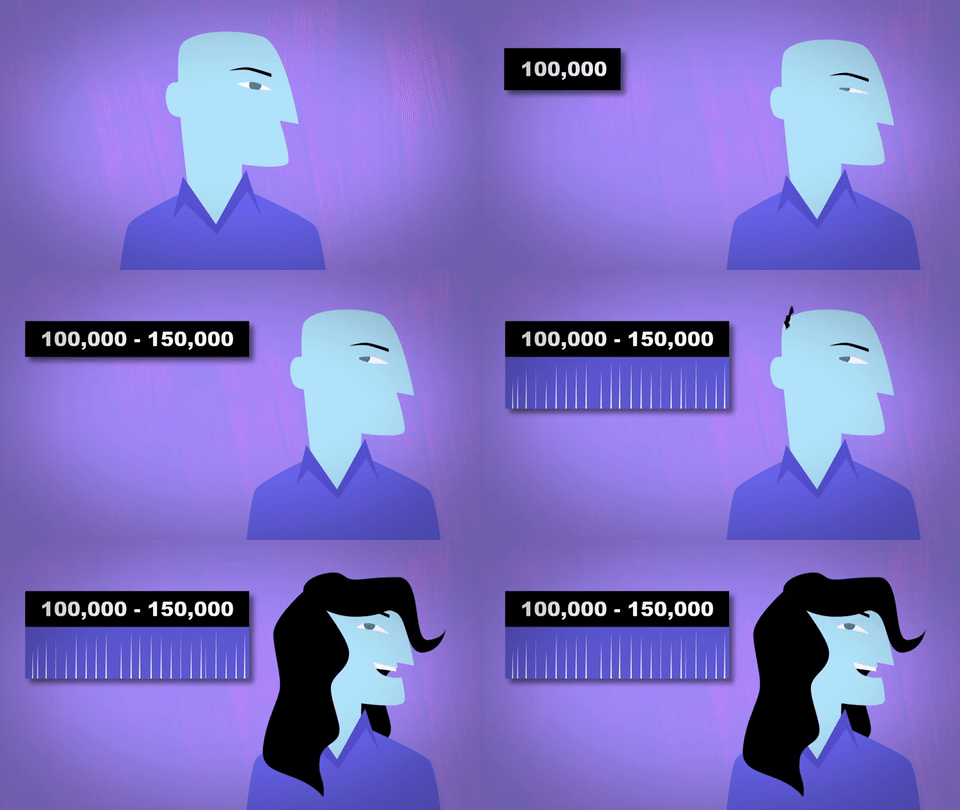
People who have a full head of natural hair have between 100,000 and 150,000 hairs on their scalps alone. Scientists have discovered two things about this dense thicket.
Hair on the scalp is different to hair elsewhere on the body. It grows in follicular units that produce tufts of between 2 and 5 hairs that emerge from a single pore. Each follicular unit has a primary hair that is present at or shortly after birth. Secondary hairs develop around the age of 2-3. This is why hair in babies is fine and light and downy, but becomes thick and bushy by school time.
Hair on the body grows singularly in each pore and not in tufts.
advertisement
#3 Keratin
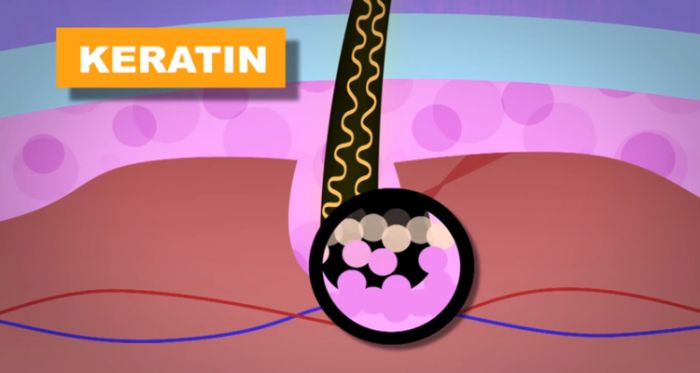
Firstly, the sprouting hairs we see are mostly made up of keratin. Keratin is the protein leftover from dead cells that are forced upward as newer cells grow beneath them.
#4 Hair Follicles
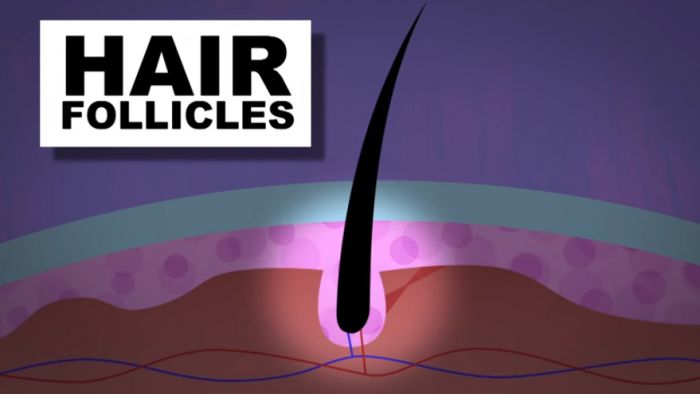
Secondly, the tiny structures that drive this growth of keratin are called hair follicles. These are a network of organs throughout our bodies that form before we are even born, and form hair over our entire lifetime in an everlasting cycle.
This cycle of hair growth has three phases...
advertisement
#5 Anagen
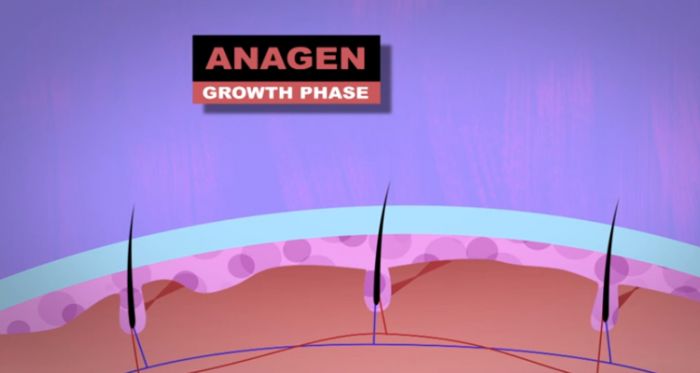
The first phase is called Anagen. This is the 'growth' phase. Right at this moment up to 90% of your hair follicles are experiencing this growth. This is causing your follicles to push up hair at a rate of 1 centimeter per month. That's not a lot of growth.
The Anagen phase can last between 2 and 7 years, depending on your genes. After this productive period, signals within the skin instruct some follicles to enter a different stage.
advertisement
#6 Catagen
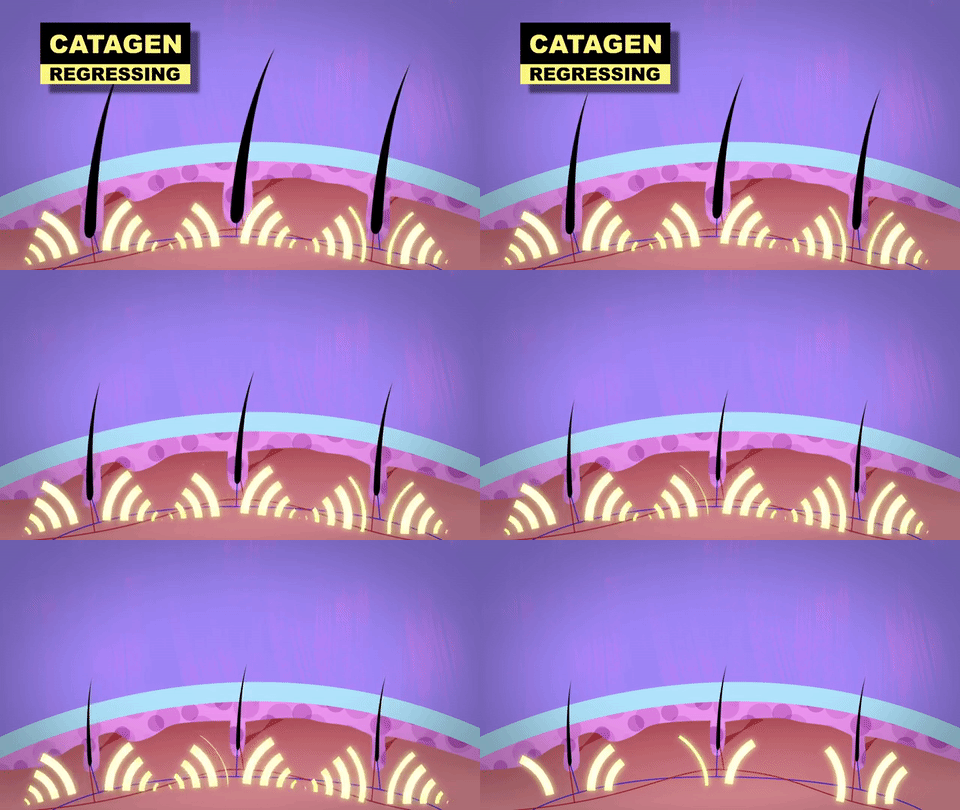
This new phase is known as Catagen. This is also known as the 'regressing' stage. This stage causes the hair follicles to shrink down to just a fraction of their original length.
Catagen normally lasts from 2 to 3 weeks, and it cuts off the blood supply to the follicle, which creates a 'club' hair. A club hair is on that is ready to shed. This is where you see hair all over your clothes and in the shower drain.
advertisement
#7 Telogen
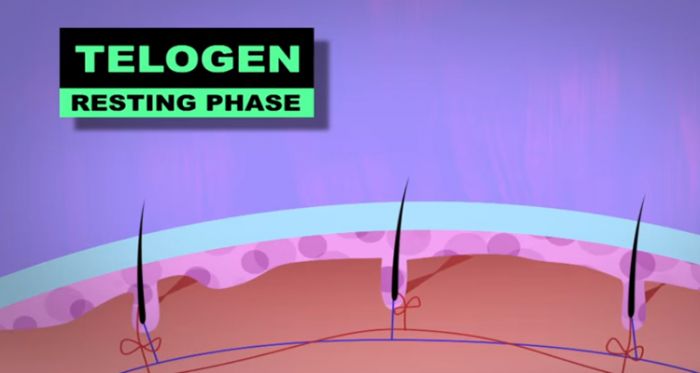
Finally, the hairs enter the Telogen phase, also called the 'resting' stage. This stage will normally last from 10 to 12 weeks, and effects around 15% of your scalp follicles.
During this stage, up to 200 of your club hairs can be shed each day, which is considered normal in both men and women.
Then, the entire cycle begins anew.
advertisement
#8 Thinning And Patchy
Not everyone has a full head of gorgeous hair. In fact, some peoples hair grows increasingly patchy over time, in response to bodily changes.
Overall hair volume can reduce by 50% without any visible bald spot. Women tend to notice that their ponytail thickness is reduced or that their hair shedding had increased long before baldness becomes apparent. As men tend to have shorter hair and might be less observant, they may not notice the hair loss until an actual bald spot has developed. A sunburnt scalp is the first clue they are going bald for some men.
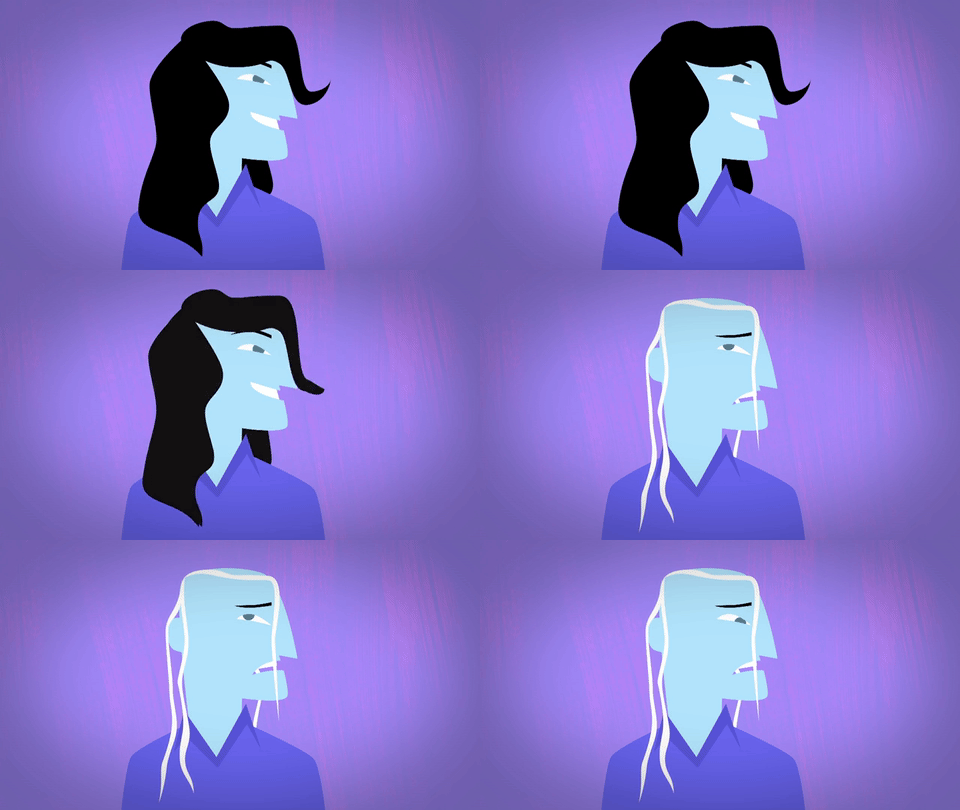
95% of hair loss in men can be attributed to male pattern baldness. The hallmark of male pattern balding is that hair loss progresses in a distinctive and highly reproducible pattern. This condition is inherited, and people with the condition, hair follicles become sensitive to the effects of dihydrotestosterone.
advertisement
#9 DHT Hormone
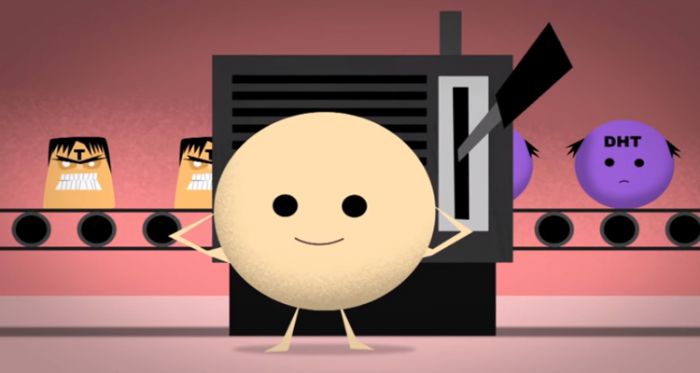
dihydrotestosterone, also known as DHT, is a hormonal product made from testosterone. The DHT causes shrinkage in the follicles making the hair shorter and wispier. The amount of this hormone one has is hereditary but it's uncertain whether it's determined by the mother's or the father's genes, or perhaps both.
Scientists think Asian men have less of this enzyme in their follicles, which is why they are more prone to keeping hair than Caucasian men.

advertisement
#10 The Norwood Scale
These enzymes don't accumulate with age, according to dermatologists. What occurs is a slow process and it takes a long time before a man starts experiencing the resulting hair loss. This is known as the Norwood Scale, which describes the severity of ones hair loss.
Another factor is the number of receptors a man has on his head. The more the receptors, the greater the hair-loss.
Men can also have plenty of enzymes and testosterone, but still keep the hair on their crowns if they have few of these receptors up there.

advertisement
#11 Male Pattern Baldness
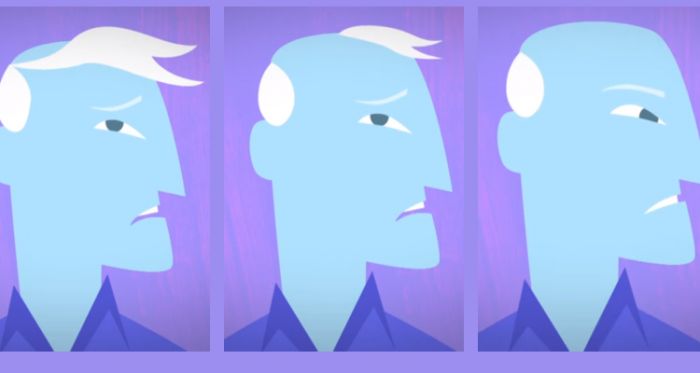
At first the hair will recedes along the temples, then hair on the crown begins to thin in a circular pattern. At the highest rating on the Norwood scale, these balding areas meet and expand dramatically. Over time, these bald spots will leave a ring of sparse hair around the temples and along the back of the head.
Because the male sexual hormone testosterone has the biggest impact on hair, women don't lose hair the same way. When women reach menopause, their levels of the female sex hormone estrogen drops, and the testosterone they always had in their bodies starts to have more effect.
This can lead to thinner hair growth for women, but it's more equally distributed, rather than in a receding hair line as in men.
advertisement
#12 Other Causes Fro Hair Loss
Genetics is not the only cause of hair loss. Long periods of stress can release signals that shock follicles and force them into the resting phase prematurely.
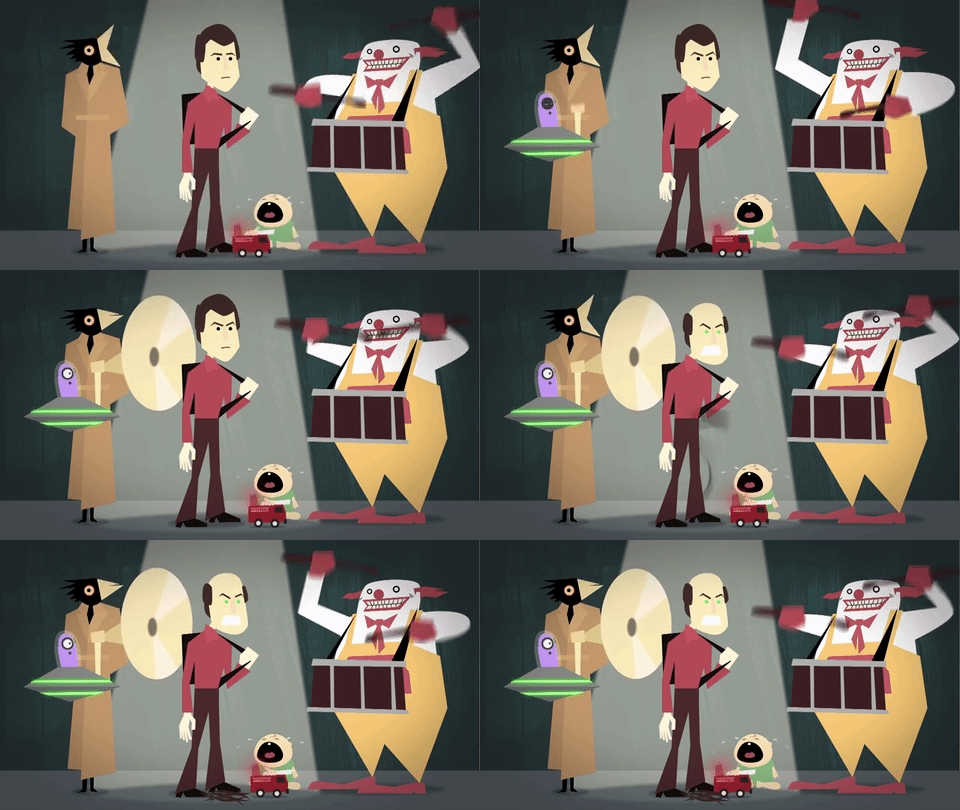
#13 Stress Can Cause Baldness In Both Men & Women
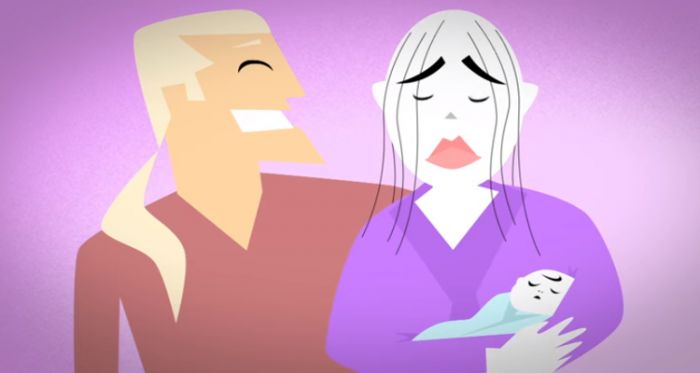
Women can experience this type of hair thinning or loss after childbirth, from the stress on the body. However, because of the hormonal balance, the hair normally just thins out instead of falls out completely.
advertisement
#14 The Growth Phase Is Halted
At this point, follicles may lose the ability to go into the Anagen 'growth' stage when confronted with life changing events or prolonged periods of pain or stress. Cancer patients experience this same effect when going through chemotherapy.
You also have to take into account things like smoking, diet, medications, and sleeping habits, all of which can contribute to hair loss in both sexes.

#15 Science Is Working On A Treatment
While balding may seem permanent, scientists are busy working on cures for those follicaly challenged. It turns out that below our scalps surface, the roots that give rise to our hair actually remain alive. With this knowledge, the scientific community and pharmacy companies are busy working on treatments that can force the follicles into Anagen.
Other drugs are being tested and experimented with that focus on male pattern baldness by blocking the conversion of testosterone to DHT so that it doesn't effect those sensitive follicles.
advertisement
#16 Stem Cells May Reactivate Hair Growth
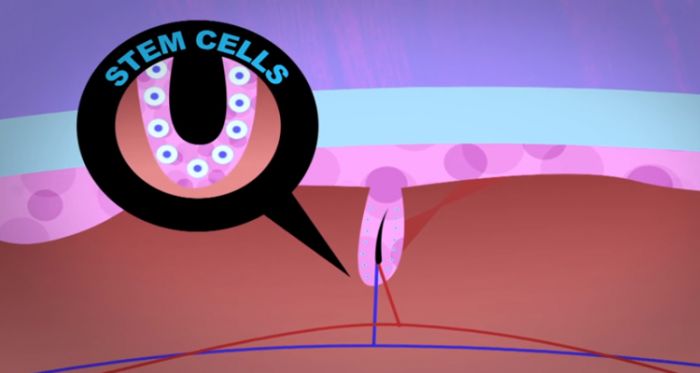
Stem cells also play a role in regulating the growth cycle, so scientists are investigating whether they can manipulate the activity of these cells to encourage follicles to begin producing hair again. The stem cell can push up the follicles if activated.
#17 You Are Not Alone
Until the cure is finally discovered, anyone going bald, or already sporting a shiny noggin can rejoice in the fact that they are not alone.
Around 30 per cent of men today have started losing or have lost their hair to a great degree by the time they reach the age of 30.
When they reach 40 that percentage rises to the equivalent number. Likewise with age 50 by then half of all men have started to shed their locks.