

A female alternative to the famous ‘little blue pill’ has now gone on sale, raising the question of why Viagra never really worked for women in the first place
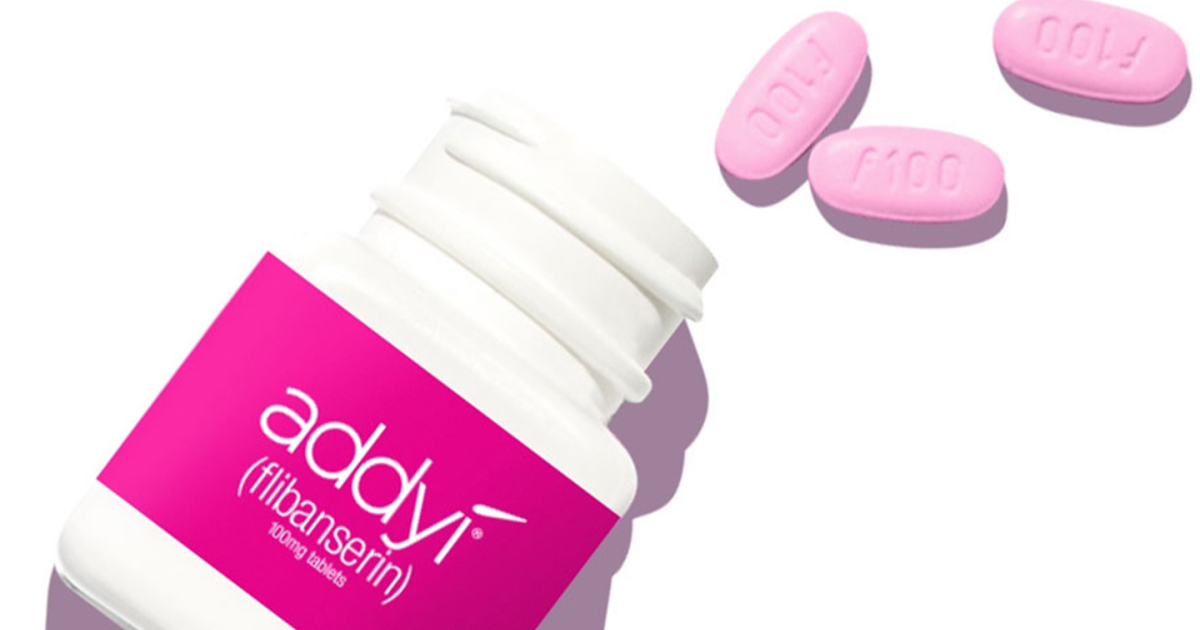
Why Viagra Doesn't Work For Women As Female Version Finally Launches
By
maks in
Health and Fitness
On 16th December 2025
advertisement
A pioneering new medication being described as 'Viagra for women' has now hit store shelves, arriving around three decades after men first got access to the famous 'little blue pill'.
Sildenafil, better known worldwide by its brand name Viagra, was discovered by chance back in 1989 and has since gone on to transform and liven up the sex lives of millions of men across the globe.
Doctors were originally testing it as a potential treatment for angina and heart-related chest pain when, instead of solving that issue, they accidentally landed on a powerful answer to erectile dysfunction (ED).
For about 30 years, the drug has given men a helping hand with their sexual performance, all while pharmaceutical giant Pfizer has earned billions in revenue from its game-changing 'little blue pill'.
As The Cleveland Clinic explains, the medication works by boosting blood flow to the penis, which helps the user get and keep an erection long enough for sexual activity.
But when it comes to women, scientists have spent years trying to create an equivalent option because Sildenafil on its own does not seem to have the same effect for the opposite sex.
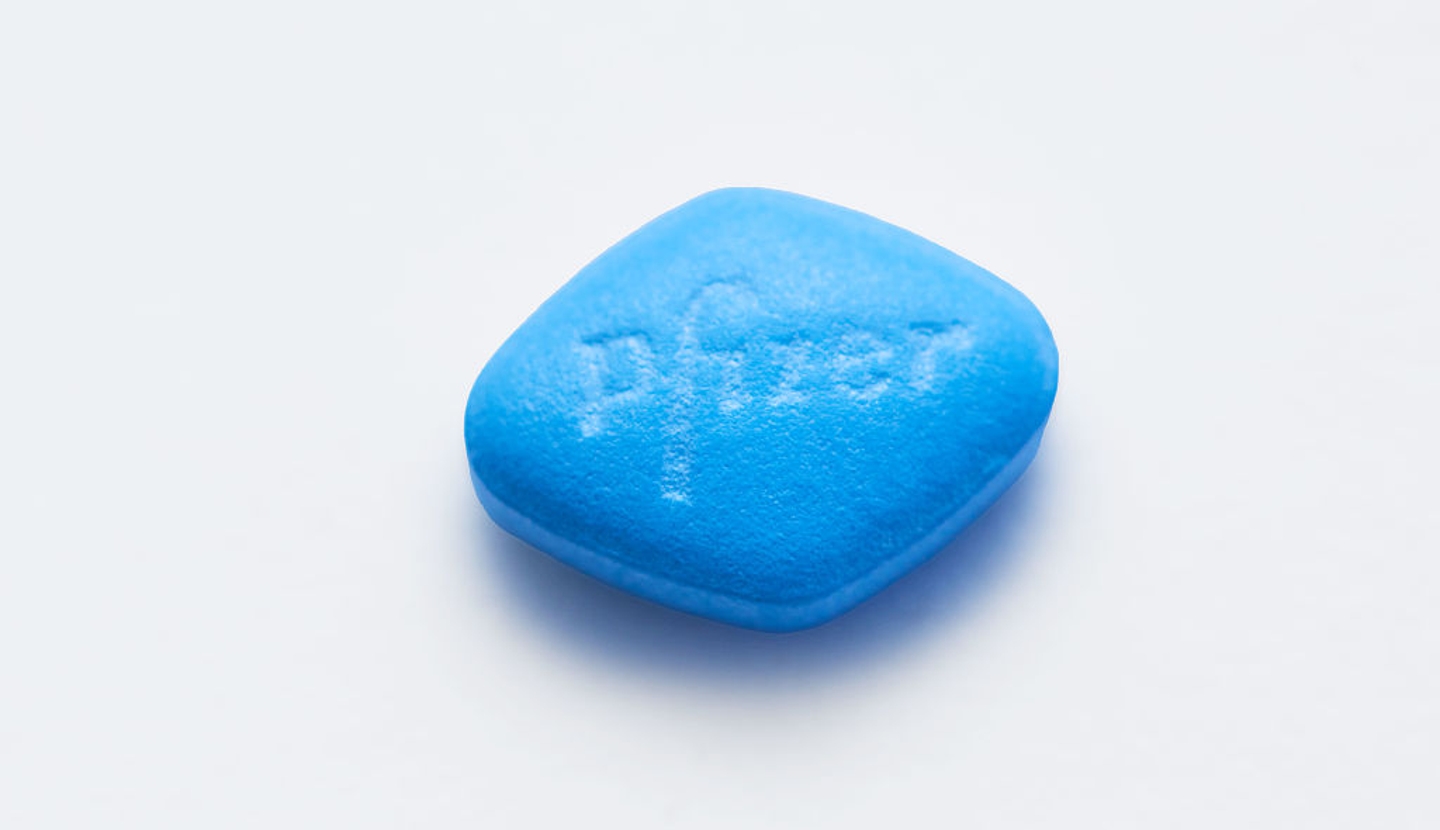
The little blue pill has been a hit ever since it came out 30 years ago
Peter Dazeley/Getty Images
advertisement
Psychology Today notes that the main reason it has not worked for women appears to come down to differences in how male and female brains respond to arousal.
Even though women obviously have different anatomy compared to men, early research teams hoped that increasing blood flow to the genital area in women might trigger a similar kind of response to what Viagra does for men.
The big idea was that if they could spark enough physical stimulation, that might in turn switch on the mental side of desire and lead to a boost in sexual interest.
However, that theory ultimately fell flat. The drug companies reportedly 'found that the male brain responds to medically induced physical sexual arousal with a corresponding increase in psychological sexual arousal, but the female brain does not'.
In other words, "if a man is physically turned on, he will also become psychologically turned on. Women, however, seem to require more than just physical stimulation."
While many companies seemed to stop there, that setback did not put off women’s health biotech group Daré Bioscience, which set out to tackle what it describes as one of medical science’s most persistent gender gaps.

The company claims to have made a major breakthrough in women's sexual health
Getty
advertisement
The Southern California–based organization estimates that around 20 million women struggle with issues related to sexual arousal, and says its new cream, called 'DARE TO PLAY', offers a fast-acting option that can increase blood flow to the vagina and heighten arousal in as little as 10 minutes.
Interestingly, the topical cream still relies on sildenafil, the very same active ingredient used in Viagra, but instead of being swallowed as a pill, it is applied directly to the area to 'enhance the body's natural arousal response without systemic effects, providing women with a new, evidence-based tool to take charge of their sexual health', according to the organization.
Sabrina Martucci Johnson, President and CEO of Daré Bioscience, added: "When Viagra was approved in 1998, it revolutionized sexual medicine for men. But for women, comparable progress on enhancing the natural arousal sensations has stalled for nearly three decades."
advertisement
"We believe DARE to PLAY represents a long overdue correction, giving women an option to reconnect with their own bodies, their pleasure, and their confidence, using science that finally recognizes their needs."
The cream is being positioned as a first-of-its-kind arousal treatment for women and is reported to start working within about 10 to 15 minutes before sexual activity.
In clinical trials, researchers said the product did not cause more side effects than the placebo options used for comparison.
advertisement
It is now available on prescription for advance order in 10 US states, including Utah, New Jersey, Connecticut, Pennsylvania, Florida, Rhode Island, Indiana, Oregon, Missouri and New Hampshire.