There's actually a science behind the popularity of lotteries over thousands of years. And the facts are not in your favor. But yet we still play them in hopes of becoming the next billionaire.
advertisement
#1 Unless you've been living under a rock..
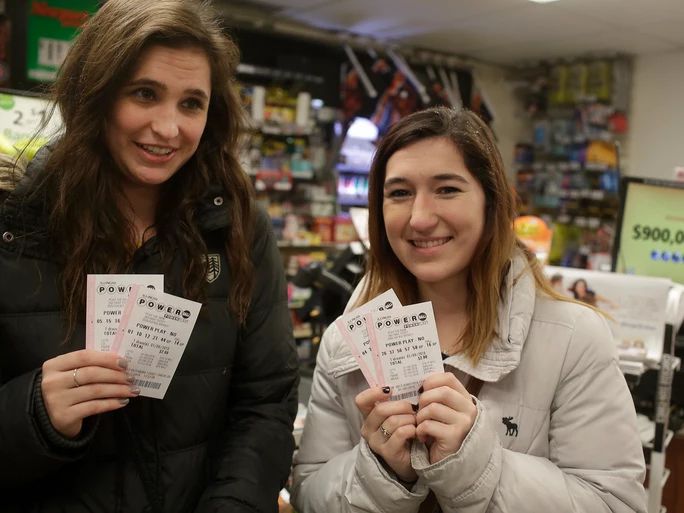
You'll likely know that there was a historic Powerball, and that somebody is now possibly a mind-boggling $1.5 billion richer. But that's not the only mind-boggling aspect of the entire lottery phenomenon. The psychology and science behind our love for lotteries an infinitesimally small chance at unimaginable riches are also fascinating, and more complex than they appear.
#2 The first lotteries appear to have turned up in ancient China's Han Dynasty.
Even the Romans loved playing them throughout the good times of the Empire. But the modern lottery functions on a scale that couldn't be imagined at any time in history. Clearly, though, something about the whole concept has been deeply addictive across many civilizations and societies, and points to fundamental truths about human psychology, including how we think about luck, destiny, and poverty.
So if you're the winner of the $1.5 billion, congratulations (and I hope you haven't had a heart attack); but if not, as is much more likely, take some comfort from the science behind the popularity of lotteries over thousands of years.
advertisement
#3 Lotteries Are Based On Rescue Fantasies
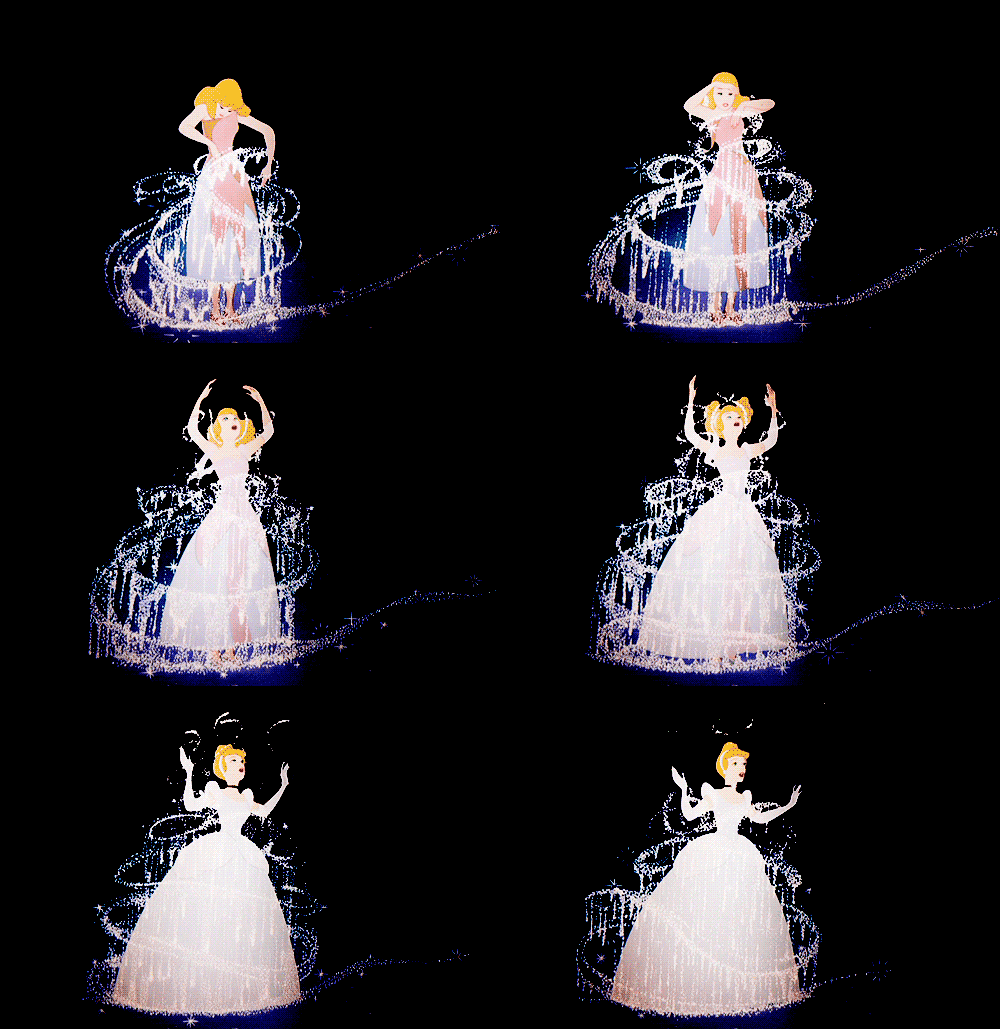
Part of the psychological reason for the power of lotteries, it turns out, is our addiction to fairytales. In other words, we're strongly attracted to the possibility that we can suddenly, through a stroke of luck, come into a "fairy godmother" or good fortune that can solve all our problems at a stroke. It's what children indulge in when they fantasize that they're actually adopted and are really the secret children of royalty, and it's a seriously common fantasy.
Psychologists believe that this "rescue fantasy" is a very strong part of the lure of lotteries. We can take a shortcut to prosperity and bypass hard work and grinding to get there. Lotteries promise the lightning-strike effect of a complete solution to everything that ails us (though, of course, many lottery winners actually find this is not the case).
#4 You're More Likely To Buy Tickets If You're Feeling Poor
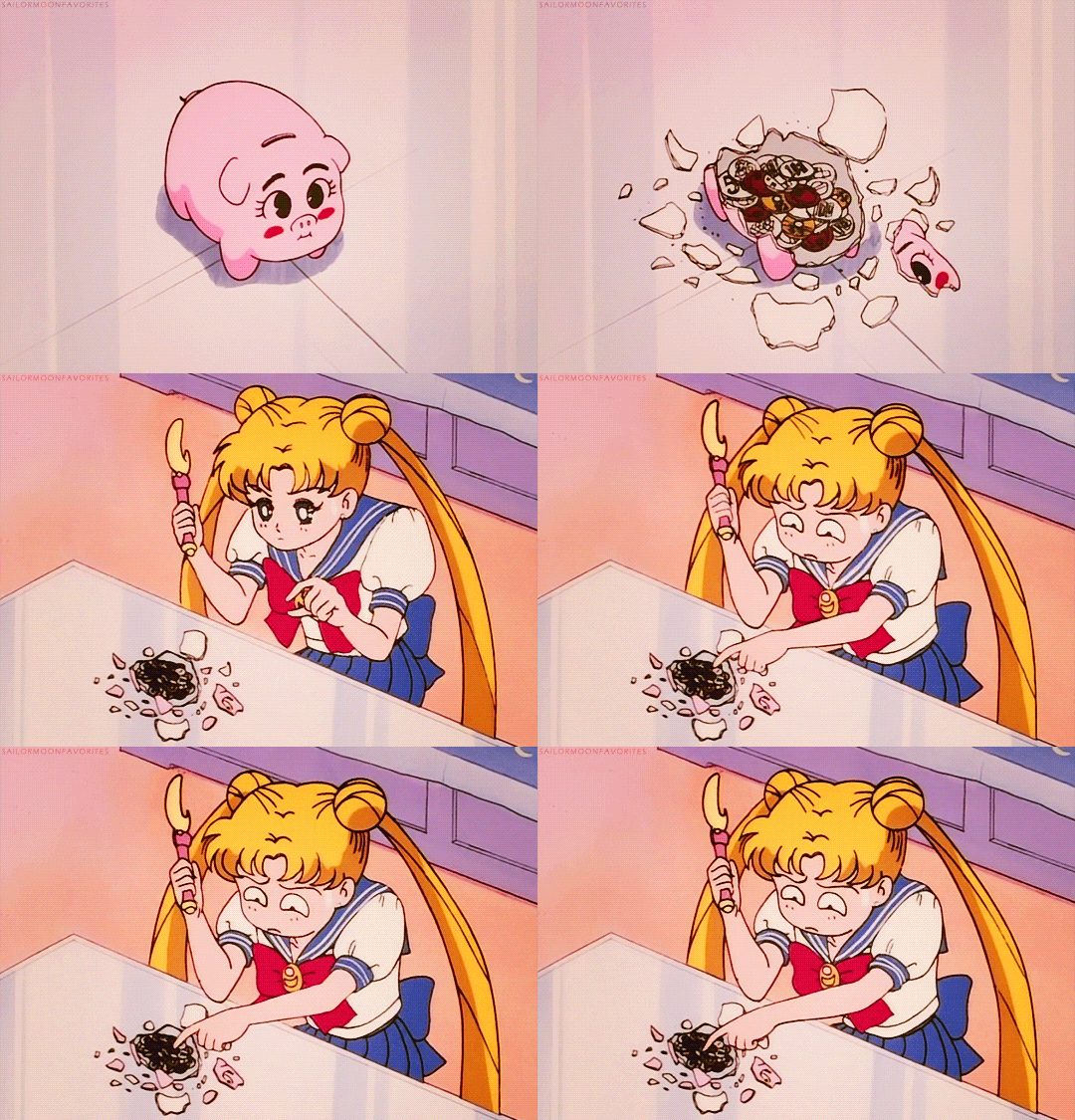
It turns out that the prosperous aren't actually the real players: it's those who are struggling or on the poverty line. This actually doesn't make much economic sense, on the face of it. Tickets are expensive and have been rising in price consistently; those with more money have much more capability to keep buying them, particularly considering how low the odds are and how rare the likelihood of a return. Feeling poor causes a much stronger reaction to the "rescue fantasy". Poverty provided a bigger incentive, so lower income people made the sacrifice to gain the possibility of "escaping".
advertisement
#5 The Odds Are So Big We Can't Actually Compute Them
Economics professors will tell you every time that the probability of winning the lottery is absolutely, extraordinarily small. The problem, and one of the main reasons we keep investing in them, isn't that the fantasy is so powerful we can overcome these numbers: it's that we genuinely can't wrap our heads around them. A lot of psychological research has gone into why we can't seem to make good decisions based on ridiculous odds. Most people don't grasp the mathematical aspects, and deal with the emotional part of spending all that dough for a slim..very, very, very slim, chance at winning.

advertisement
#6 We're Likely To Believe We've Had A "Near Miss"
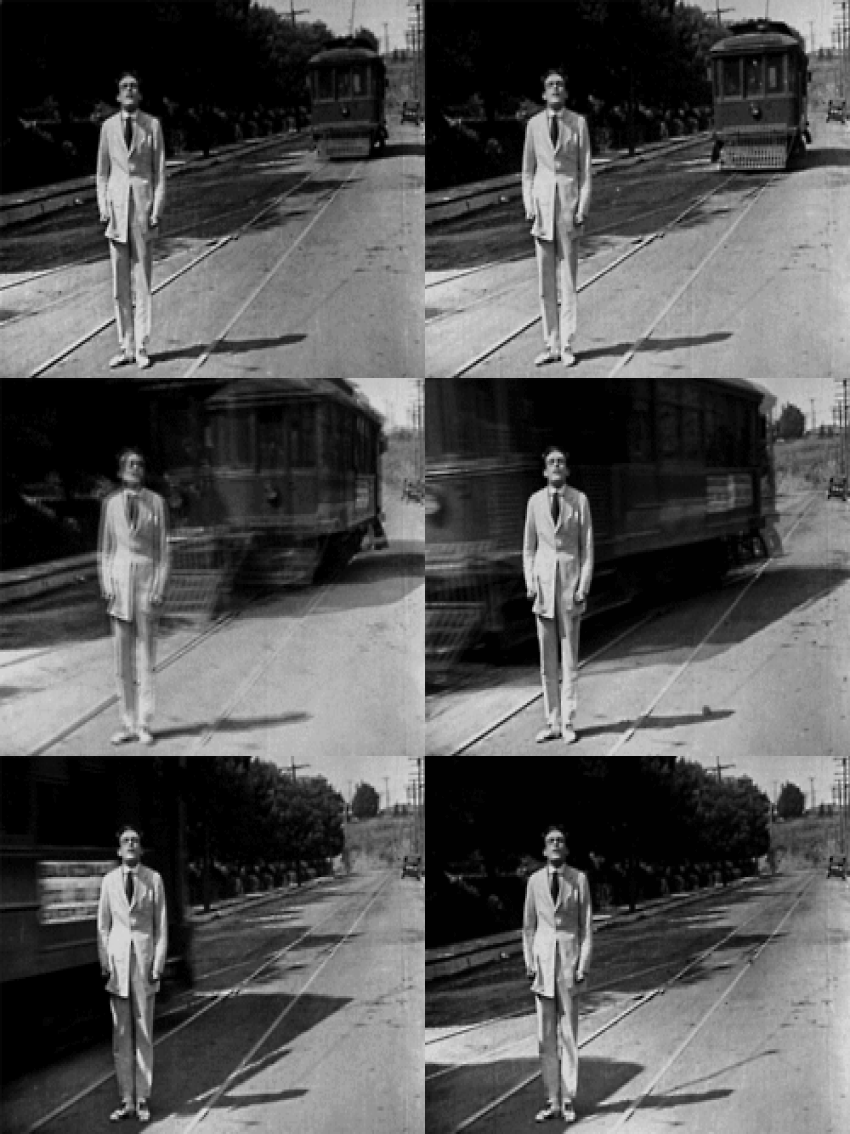
If you frequently play the lottery, you'll know the agony that comes with juuuust the wrong numbers: one that's two digits off, for instance, or a set that are identical with the winners except for one difference. This sort of thing actually increases your psychological motivation to purchase tickets in the future, even though the likelihood of almost getting the right numbers is far higher than getting all of them at once. It's a false reassurance, in other words, but it still works on us.
advertisement
#7 Big Lotteries Induce Serious FOMO
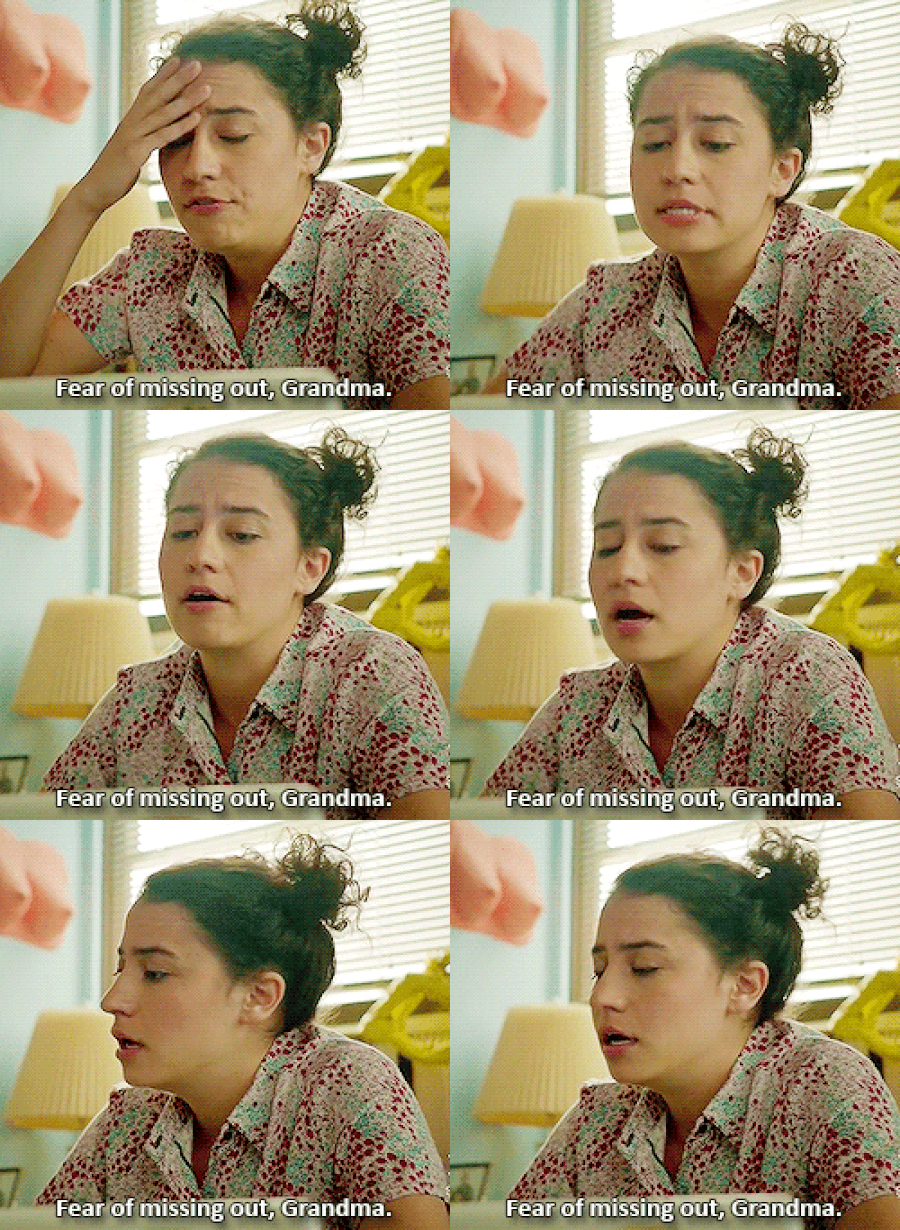
Fear Of Missing Out! Lotteries are nationwide things and peer pressure can provide a very effective motivator for getting involved.
It's also part of a primal urge to be "part of things": if everybody around us seems to be buying a ticket, it's far more likely that we'll also consider doing it, particularly if the costs themselves are small. Yes, lottery tickets use the same sort of psychology that drove you to get a nose piercing at 17.
advertisement
#8 You're More Likely To Die From A Bee Sting Or Give Birth To Conjoined Twins Than You Are Of Winning A Giant Lottery
This may not comfort you much if you spent your entire rent on lottery tickets. But at least you can feel confident that many, many people made the same unfortunate decision you did. :(