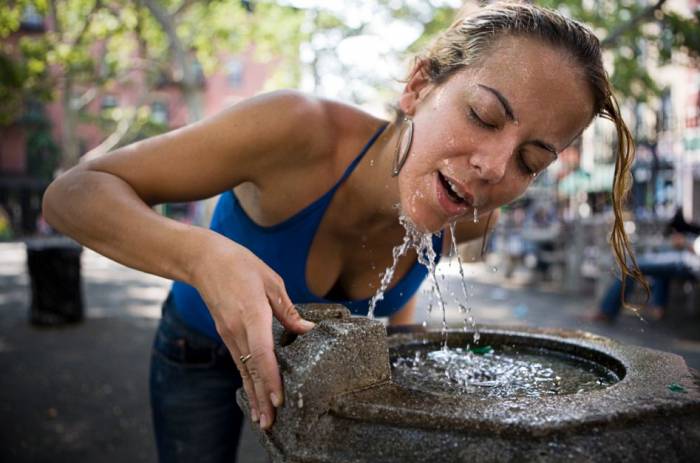
There are several reasons why you should never drink bottled water.
advertisement
#1- The Beginning of the Insanity
There was a time when bottled water didn't exist in our catalog of popular commodities. Perhaps the trend started in 1976 when the chic French sparkling water, Perrier made its introduction. There it was seductively bottled in its emerald green glass amongst the era of disco and the spectacle of excesses.
What could be more decadent than to package, sell and consume what most consider (in the Western world) a common human right easily supplied through a home faucet! It wasn't until the 1990s when bottled H2O became an everyday common sight and a symbol of our cultural desire towards fitness and "health-consciousness." Even today health enthusiasts claim drinking water often helps to "detox and boost the metabolism!"
There have been controversies about chemicals leeching into the water from the soft plastic material of bottles, but the FDA determined the containers "do not pose a health risk to consumers." Today IBISWorld reports that the "U.S. is the largest consumer for bottled water in the world, followed by Mexico, China, and Brazil."
#2- Plastic bottles are not sustainable, no matter what we've been told.
Using vast quantities of fossil fuels and water, these bottles are manufactured, filled, and shipped around the globe. (Not a good carbon footprint!) Neither are bottles biodegradable in any meaningful way: what you drink in a few minutes can stick around for a thousand years.
Even with recycling efforts, 6 out of 7 plastic bottles consumed in the U.S. are "downcycled"sent somewhere out of sight and out of mind where, for the next millennia, toxins from degrading plastic containers can leach into watersheds and soil. That's just not something we need to give to global neighbors and future generations.
advertisement
#3-The Costs: Beyond Money
The comforting illusion of better water (bottled water) requires a lot of resource to manufacture and merchandise. The industry requires the cost of natural rivers and streams, semi-truck exhaust and diesel fuel, packaging, labeling, pollution of non-biodegradable plastic and the managing of recycling centers.
If you visit a gas station store or grocery store, you're bound to see that a full third of all cold beverages on sale are bottled water. The Sierra Club explains, "Annually the water bottles themselves take about 1.5 million tons of plastic to manufacture for the global market." Did you know plastics come from oil and therefore it takes 1.5 million barrels of oil a year?
Additionally the manufacturing process releases toxins into the environment, such as nickel, ethylbenzene, ethylene oxide and benzene. Even with current plastic recycling centers, "most used bottles end up in landfills, adding to the landfill crisis."
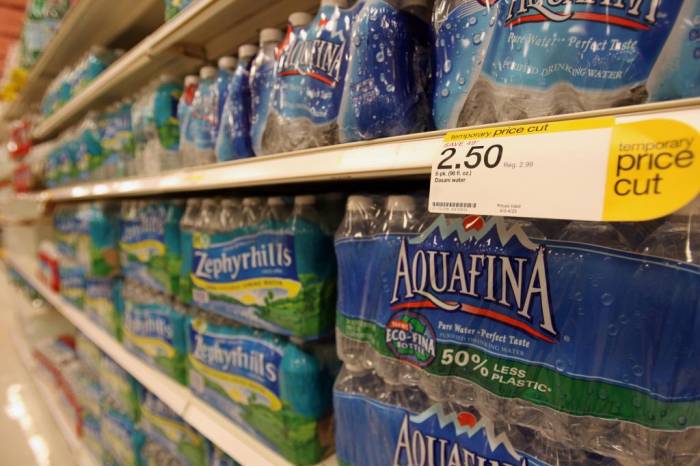
#4- Some bottled water is glorified tap water at 10,000 times the cost.
The label on your bottled water may depict a peaceful mountain stream, but that doesn't mean the water inside is pure and pristine.
Only some bottled water comes from springs or groundwater sources. It turns out that approximately 25% of bottled water is sourced from ... the tap. Sure, some companies filter or radiate the tap water with ultraviolet light before selling it to you at several thousand times the cost of municipal tap water. (Examples include Aquafina, Dasani, and many other brands.)
Moreover, studies show that bottled water samples can contain phthalates, mold, microbes, benzene, trihalomethanes, even arsenic. And only recently did the FDA start regulating bottled water for E. Coli, thanks to advocacy by the Natural Resources Defense Council.
Upshot: bottled water markup is extreme. Health standards are often a wash and may even favor tap water. (If you're concerned about municipal water supply and want to know more, check out this helpful resource, which can help you learn about your municipal water supply and decide if filtration or purification is right for you.)

advertisement
#5- What's in an Ad?
Today there are dozens of brands and that merits big advertising! The Huffington Post stated in 2013 that Americans drank 58 gallons of bottled water per capita.
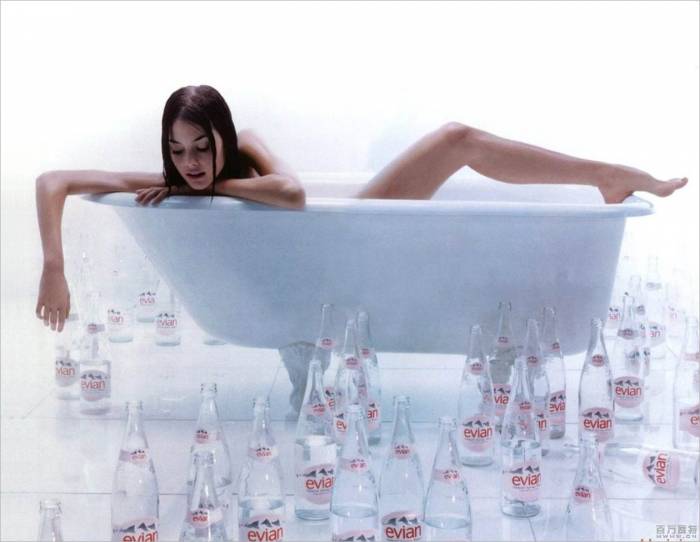
With the help of marketing, bottled water has gone from "reservoir to faddish luxury item to mass commodity." Bottled H2O is being directly or indirectly sold as: healthy, smart, pure, sexy, clean, simple.
No matter how much emotion an advertisements conjures, be it love, fear or rage, in the end water is just water whether bottled or from the tap. The difference is only in taste, and Evian has to be the only one tastier than tap water, but that's only if the tap water hasn't been filtered. "Taste comes from negligible amounts of minerals" and filtered tap water removes minerals and chemicals rendering it with no hint of aftertaste, even at room temperature and most importantly the "2 hydrogen to 1 oxygen" part of water we need, never changes.
advertisement
#6- Nestlé As The Multinational
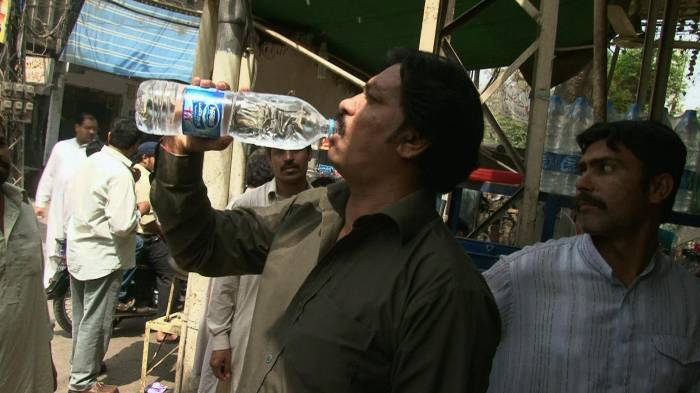
Nestlé controls a town's water supply in pakistan, forcing residents to dig deeper for non-polluted water that remains or they must pay Nestle's high price to get their water back.
Filmmaker, Gehriger was prevented from entering into Pakistan's bottling facility, although he researched the area and found that the water levels had dramatically fallen. This is concerning because Pakistan's public water system is known to be failing or is "close to collapse."
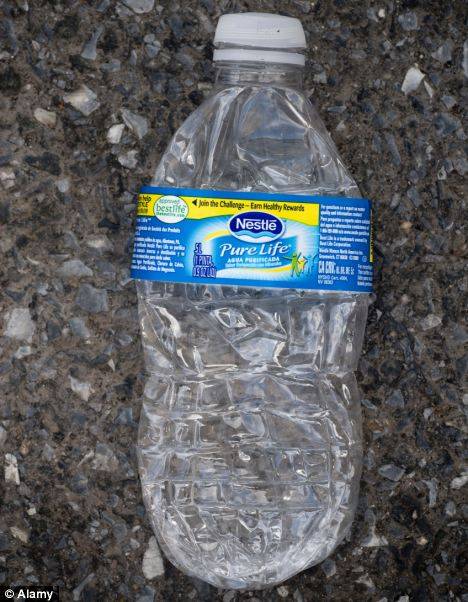
water is harvested, manufactured and marketed locally, but its price is too high for the natives to afford. In places like Nigeria, where Nestlé has also set up camp, African families spend half their salaries on water. Only the very wealthy can afford to purchase Nestlés' Pure Life.
advertisement
#7. Many bottled waters contain toxins, even if they've nixed BPA.
Plastic isn't just bad for the planet . It's not good for you, either.
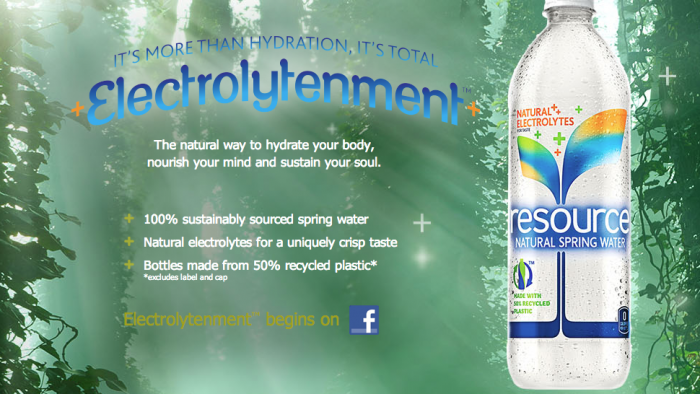
Bottled water companies increasingly use BPA-free plastic, but laced into plastic bottles are other chemicals that can seep out if bottles are exposed to heat or sit around for a long time. Some of these chemicals are possible endocrine disruptors. No one knows for sure what the health outcomes are. Do you really want your body to undergo that experiment?
advertisement
#8- It's All About The Filter!
tap water is treated with chlorine to kill bacteria. The other part of the treatment is a filtration process, which is more or less the same as what bottled water industry uses.
A Brita water filter works wonders and if you'd like to keep the skin on your face soft and younger looking, fill a washbasin with home filtered water and wash you face! Also to save money, keep the Brita filters longer than the company recommends, it just the tap water will drain through the filter a bit slower.
advertisement
#9- End the Insanity!
The Environmental Working Group (EWG), a U.S. research and advocacy acting as a watchdog on behalf of citizens reports, "Unlike tap water, where consumers are provided test results every year, the bottled water industry is not required to disclose results of contaminant testing." EWG believes the water bottle industry is not held to the same safety standards of tap water.
Goethe University in Frankfurt, Germany did their own study on bottled water. What did tests reveal? They found a high percentage of water in plastic bottles had synthetic estrogenic chemicals. Additionally, ten brands had pollutants including "disinfection byproducts and common urban wastewater pollutants like caffeine and pharmaceuticals (Tylenol); heavy metals and minerals including arsenic and radioactive isotopes; fertilizer residue (nitrate and ammonia); and a broad range of other, tentatively identified industrial chemicals used as solvents, plasticizers, viscosity decreasing agents, and propellants."
The Natural Resources Defense Council (NRDC), a non-profit, non-partisan group based in the U.S., who also operates as an international environmental advocacy, did a bottled water test In 1999. Out of 22% of brand water, at least one sample contained chemical contaminants at levels above strict FDA health limits.
What can we do to drink with confidence? Buy a good filter and use it!