


Keith McAllister had gone to the clinic to support his wife during her MRI appointment.
advertisement
A woman whose husband died after being pulled into an MRI machine while wearing a metal necklace is now suing a New York radiology office, claiming negligence played a role in what happened. The case centers on the events of a visit that was meant to be routine but ended in tragedy.
Keith McAllister died in July 2025 after being drawn toward an MRI machine at Nassau Open MRI in Westbury, Long Island, New York. The incident quickly drew attention because of the danger powerful MRI magnets can pose when metal enters the room.
The 61-year-old had gone to the imaging center to support his wife, Adrienne Jones-McAllister, who was there for an MRI scan on her knee. According to the account now at the center of the lawsuit, she had asked staff whether he could come over and help her up.
At the time, McAllister was wearing a heavy chain necklace that reportedly weighed about 20 pounds. According to his wife, the force of the machine pulled him in once he entered the area, turning the moment into an emergency almost instantly.
"He went limp in my arms," Jones-McAllister said in comments to News 12 Long Island after the incident.
"And this is still pulsating in my brain."
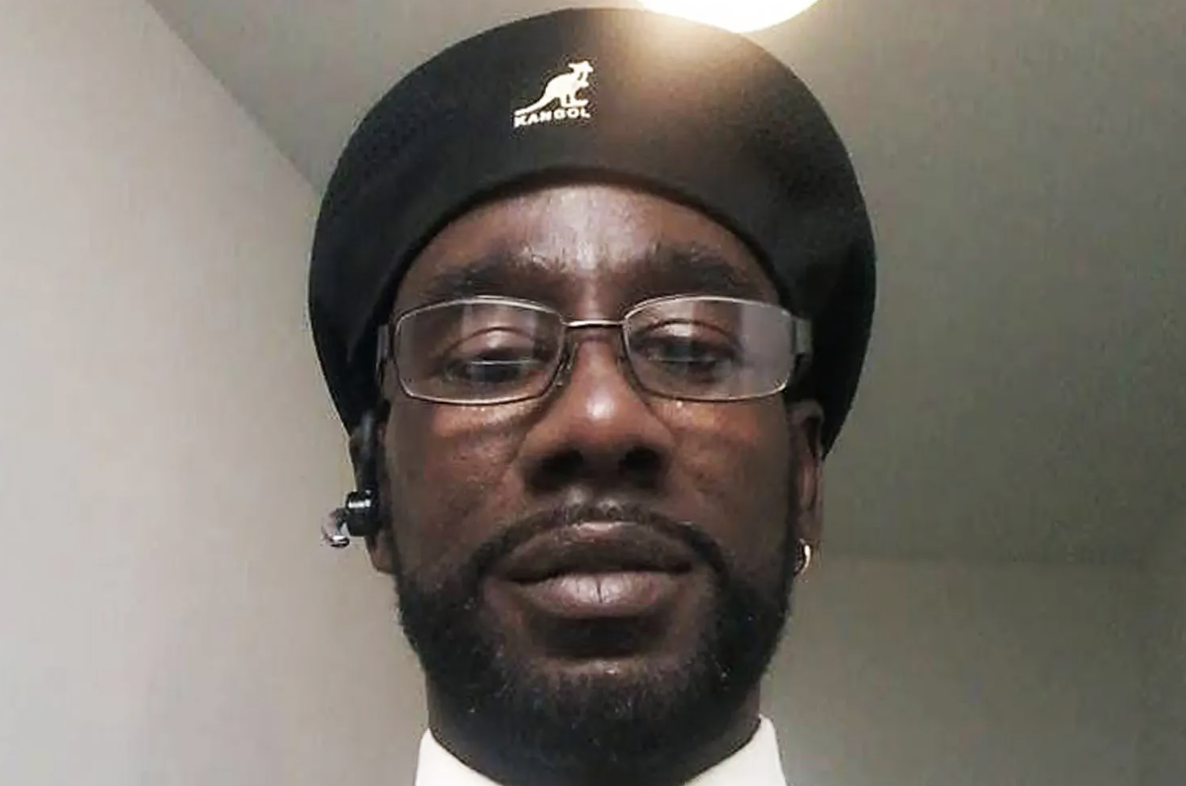
The New-Yorker was wearing a metal necklace
GoFundMe
advertisement
What happened inside the MRI room
The account from his wife paints a picture of a situation that escalated in seconds. MRI machines use powerful magnets, which is why metal objects are normally kept far away from the scan room and why patients and visitors are usually screened so carefully beforehand.
That is what makes this case so disturbing. McAllister was not there for his own scan, but he was still close enough to the machine for the chain around his neck to become a serious hazard once he entered the room.
The lawsuit and the family's statements suggest that what followed was chaotic and deeply traumatic. Instead of a normal clinic visit, the couple found themselves in a medical crisis that his wife says still affects her.
Jones-McAllister said she was calling out for help as the incident happened. Recounting the moment, she said: "I was saying, 'Could you turn off the machine? Call 911. Do something. Turn this damn thing off!'"
Reports indicate that McAllister suffered multiple heart attacks before he died. The exact sequence of his medical distress remains one of the most painful parts of the case described in the filing.
Nassau County Police Department later said in a statement: "The male victim was wearing a large metallic chain around his neck causing him to be drawn into the machine, which resulted in a medical episode."
advertisement
Lawsuit filed against Nassau Open MRI over Keith McAllister's death
Jones-McAllister has now filed a lawsuit against Nassau Open MRI over her husband's death, according to court records obtained by People. The legal action shifts the case from the immediate shock of the incident to questions about responsibility and safety procedures.
The complaint says McAllister's wife 'witnessed and was totally aware through all of her senses' as her husband suffered fatal injuries during the incident at the radiology office. That language makes clear that her claim is not only about the death itself, but also about the severe trauma she says came from seeing it happen in front of her.

Keith McAllister died last year
Facebook/Keith Mcallister
advertisement
The filing argues that McAllister's death was caused by the defendant's 'negligent, wanton, reckless and careless acts'. It further says those actions allowed 'dangerous, hazardous and/or unsafe conditions to exist' inside the office.
The complaint also points to what it describes as a failure to tell McAllister to remove the chain from his neck before entering the MRI room. That point is central to the negligence claim, because metal screening is one of the best-known safety rules connected to MRI machines.
Following the incident, the lawsuit says Jones-McAllister suffered 'severe and serious personal, psychological and emotional injuries to her mind and body' after losing her husband. Her legal filing presents those injuries as a direct result of both the event and the way it unfolded in front of her.
advertisement
Why MRI safety is such a major issue
MRI machines are widely used in medicine and are generally safe when rules are followed closely. The risk comes from the strength of the magnet, which can pull metal objects with tremendous force and create life-threatening situations in seconds.
That is why scan centers usually ask detailed questions before anyone enters the room. Jewelry, watches, phones, keys, oxygen tanks, wheelchairs, and other metal items are typically checked or removed because even everyday objects can become dangerous near the machine.
In this case, the lawsuit appears to hinge on whether those protections were followed carefully enough. The family is arguing that they were not, and that the failure had irreversible consequences.
advertisement
Jones-McAllister is seeking damages in an amount that has not been publicly specified, saying she believes the sum should be 'fair, adequate and just'. The filing does not place a simple dollar figure on what happened, but instead frames the loss in terms of wrongful death and lasting emotional harm.
If you have gone through a bereavement and want to speak with someone confidentially, GrieveWell can be contacted at (734) 975-0238 or by email at [email protected].
advertisement
The emotional impact described in the case
Beyond the legal allegations, the case also highlights the human side of what happened that day. McAllister had gone to the clinic to support his wife during her knee scan, and according to her account, that simple act of support ended in something horrifying.
The lawsuit makes it clear that Jones-McAllister sees herself not only as a grieving widow, but also as someone who experienced the event directly and has been carrying the emotional aftermath ever since. Her public comments and the court filing both suggest that the memory remains vivid and deeply painful.
As the case moves through the legal system, the central questions will likely focus on what staff knew, what safety checks were performed, and whether the death could have been prevented. For now, the lawsuit puts that tragedy under closer examination while the family seeks accountability.