

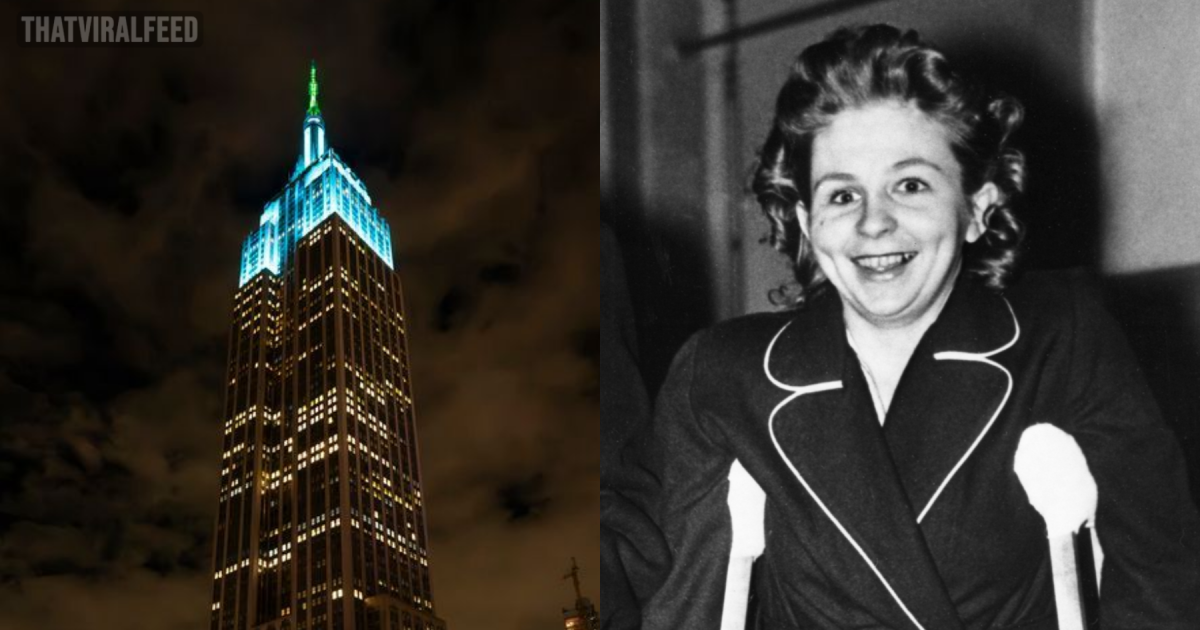
Here is what happened to the woman who plummeted in an elevator over 70 stories after a terrible accident in New York.
advertisement
If you had a brush with death, you probably wouldn't expect it to land you a spot in the Guinness Book of World Records, but that's exactly what happened here.
On July 28, 1945, 20-year-old Betty Lou Oliver became one of the luckiest survivors in New York City history.
She narrowly escaped death in a catastrophic event.
While working as an elevator operator at the Empire State Building, Oliver was involved in a horrific accident when a B-25 bomber, piloted by an American, accidentally struck the building.
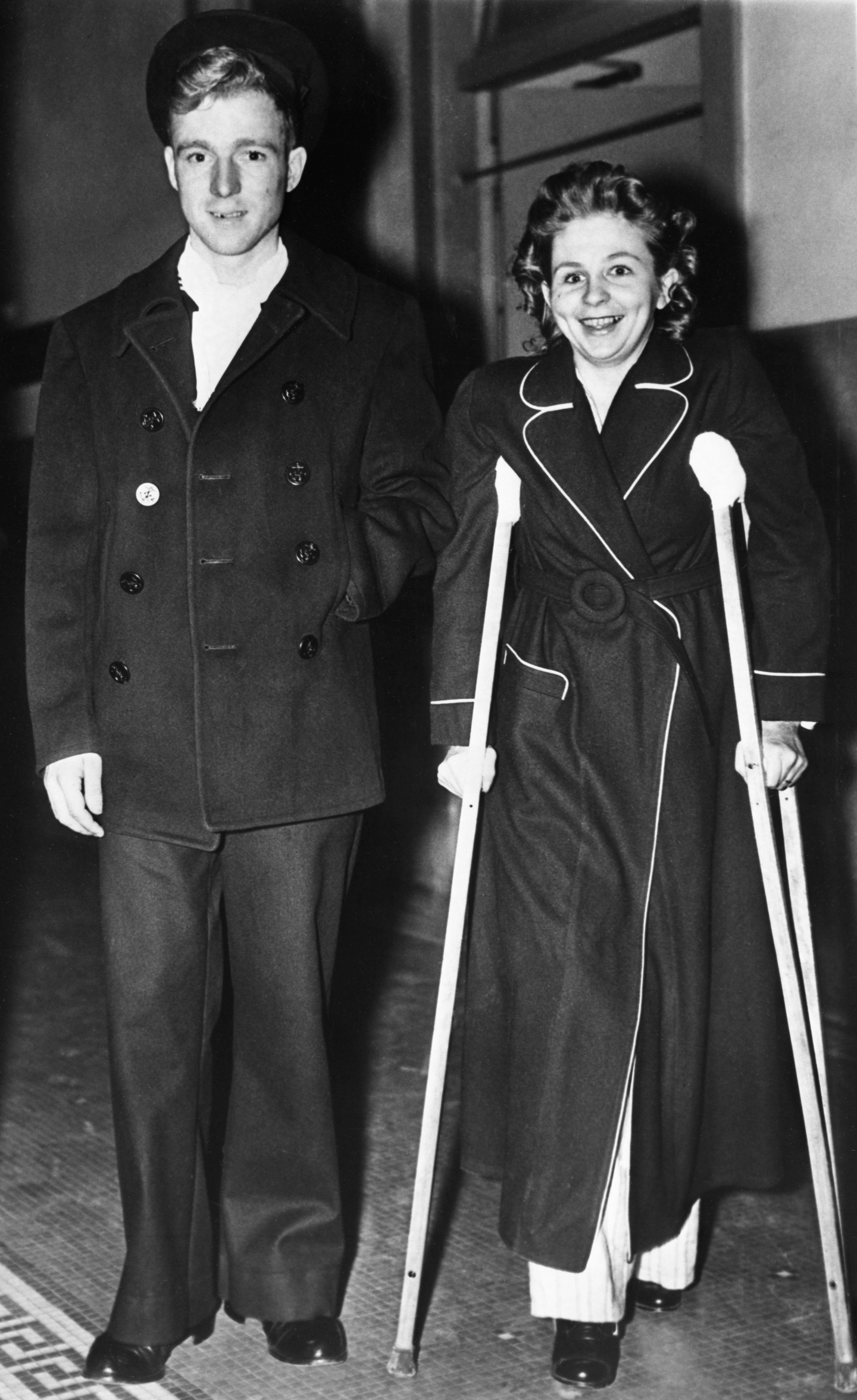
Oliver was working as an elevator girl at the Empire State Building when an American B-25 bomber plane mistakenly crashed into it.
Getty
She fell 75 stories, about 1,000 feet, and ended up trapped in the basement, where rescuers had to extract her from the twisted wreckage of the elevator.
advertisement
Although she survived, Oliver sustained multiple severe injuries, including fractures to her neck, back, and pelvis.
Despite these injuries, she made it through, holding the record for the longest fall survived in an elevator to this day.
It's certainly a unique record to hold, but it definitely makes for an interesting story.
It's believed that the elevator's descent was slowed by air pressure building up in the relatively airtight shaft.
advertisement
Additionally, the accumulation of severed cables at the bottom of the shaft likely softened the impact, acting like a spring.
While Oliver was fortunate to survive, the accident had tragic outcomes for others.
advertisement
The crash was caused by a mistake from Lieutenant Colonel William F. Smith, a 27-year-old fighter pilot.
Having recently served in the war in Europe, which had ended only months earlier, Smith was both experienced and decorated.
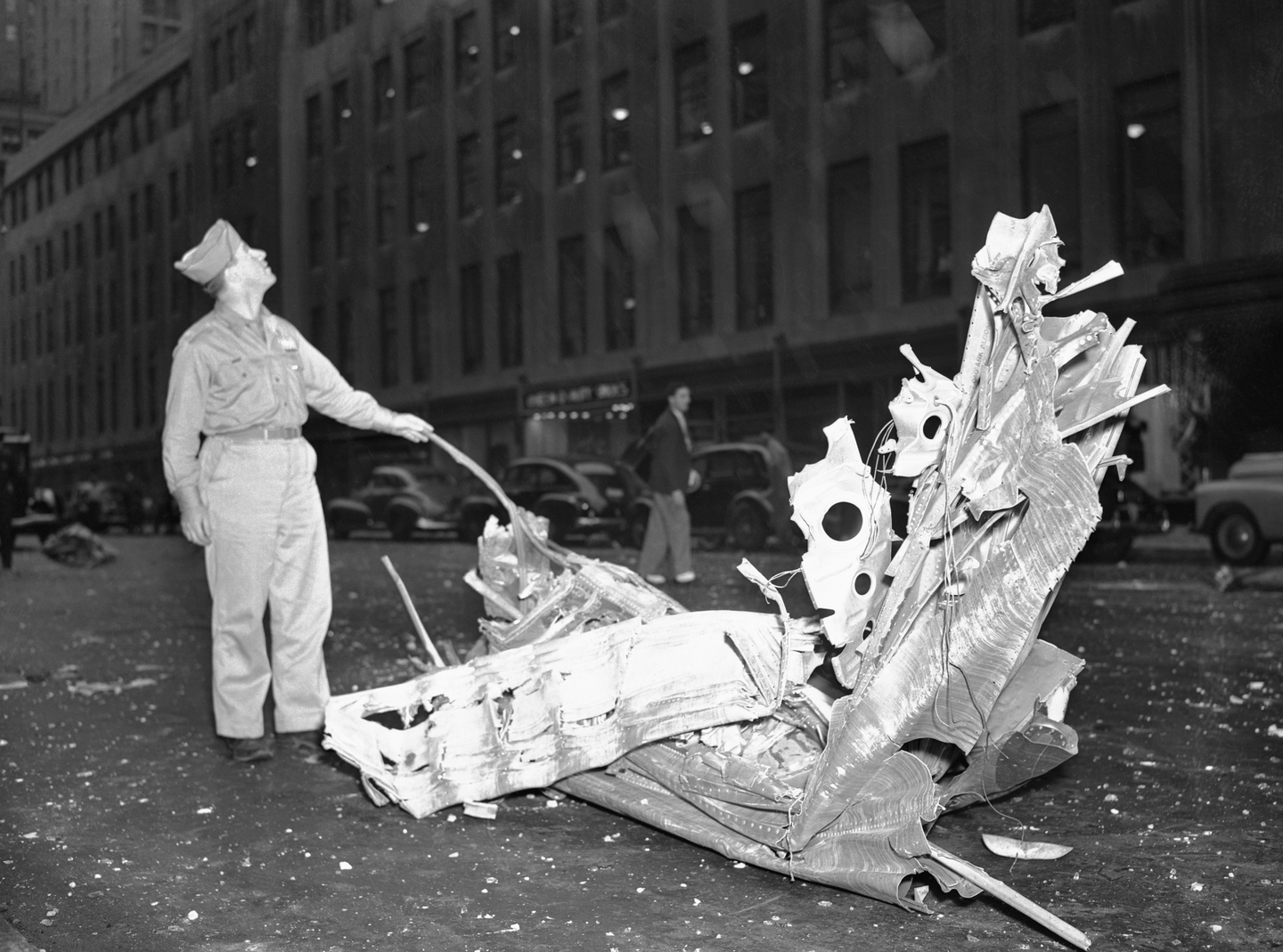
A piece of wreckage from the plane crash.
Getty
On that fateful day, he was tasked with transporting army personnel from Massachusetts to Newark Metropolitan Airport in New Jersey.
advertisement
Amid thick fog, instead of turning left past the Chrysler Building, Smith mistakenly turned right, leading him straight over midtown Manhattan.
At the time, civil air regulations required that aircraft maintain a minimum altitude of 2,000 feet above the city, yet Smith was flying at just 913 feet.
advertisement
The collision resulted in the plane's wings being sheared off and its gasoline tanks exploding, causing a significant fire.
One engine plummeted down an elevator shaft, while another was ejected from the building, landing on the roof of a nearby structure.
advertisement
Lieutenant Colonel Smith and his two crewmen died in the crash, along with eleven civilians inside the building.
In addition to these fatalities, up to 25 other people, including Betty Lou Oliver, were injured in the incident.