Sticks and stone will break my bones but names will never hurt me! That's what they used to say. But some of the silliest words and phrases were often thought of as offensive or nasty. Words we use commonly today were once banned and considered horrible things to say to someone
advertisement
#1 Grandfather Clause
When we use the phrase "grandfather clause" we mean that we are exempting it from any current laws, rules, regulations, or past, because the person or thing is being grandfathered in due to its existence prior to any new claims. It actually began when slave owners during the Souther States decided they would pass all sorts of laws prohibiting slaves from voting. Anyone who voted before 1867 was grandfathered in or allowed to vote, but that's the year slavery was abolished and no slaves voted prior to that time. Poor grandfathers.
#2 Basket Case
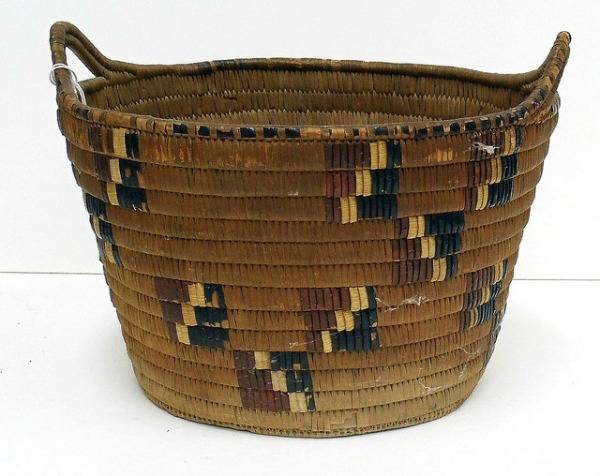
We use this one all the time and what we think it means is that someone is
"off their rocker," nervous, "on pins and needles," or just plain crazy. However, at one point it meant that a person was physically challenged or handicapped. During WWI soldiers would carry their missing body parts home in a basket, which was literally holding their limbs. It was used again during WWII but today we all know that if you're a basket case, something is wrong with your head.
advertisement
#3 The Villain
We all know who the villains are. In movies, TV shows, comic books, and even nursery rhymes, there is always a "bad guy" out to do harm until the "good guy" saves the day or the planet. But the word was originally used to describe lower-class people, which included farmers. The big city folk looked down on the poor as beggars and thieves, even though they worked hard to carve out the country and provide food for the wealthy person's table. During the later 1930's the term came to used to describe a criminal or foe.
#4 Lame
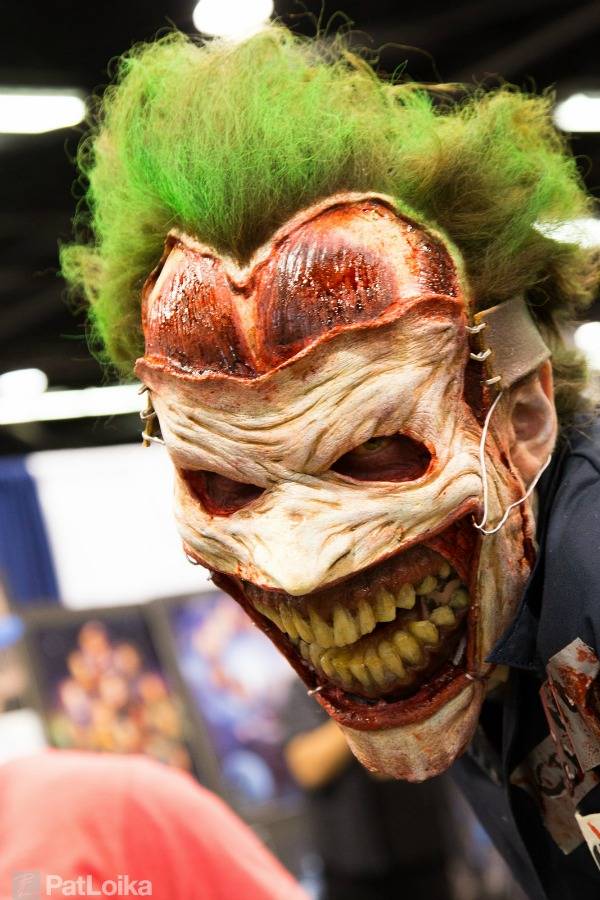
That is so lame! You've heard it and probably said it before. We think it means something is silly or simple, but it is actually offensive. The original definition of lame refers to physical disabilities, so when people use it as an insult, they may as well be saying "that's so handicapped."
advertisement
#5

advertisement
#6 Paddy Wagons
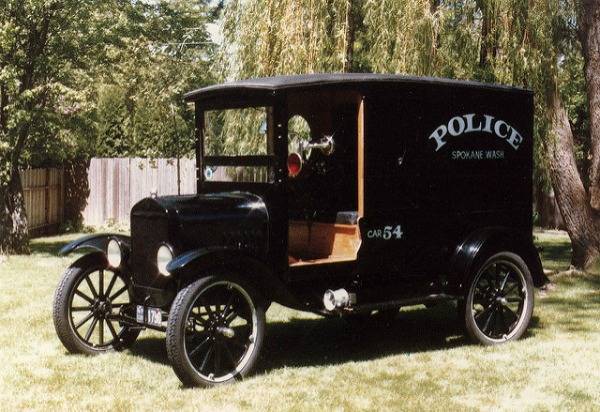
We use the term today to describe any police car or van, but that is not how the term started out. "Paddy" was used refer to the Irish, from the late 1700s to the early 1900s, when the vehicles took on the term in reference to the high number of Irish in the police force. People believed that the Irish in the police force were committing so many crimes and they got a bad rap for protecting the citizens.
advertisement
#7 Drink The Kool-Aid
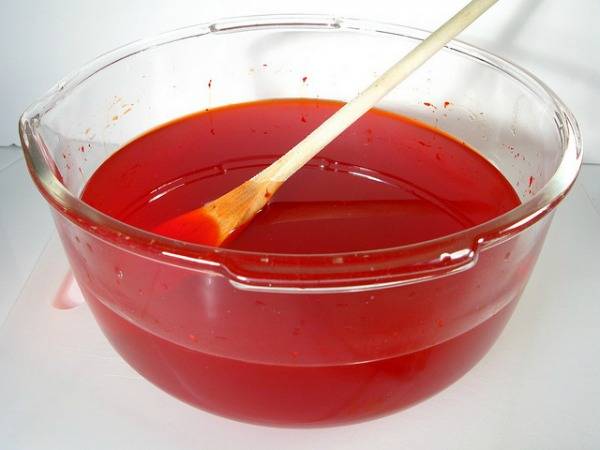
We say this when we think someone is a follower or just doing what everyone else is doing, and with good reason. In 1978, 900 people drank Kool-Aid prepared for them by the leader of a Jonestown cult. Rev. Jim Jones poisoned grape punch and instructed his followers to "drink the kool-aid" to get into Heaven. They all died instantly where they stood. Kool-Aid became associated with the expression though other fruit drinks were mixed in with the punch.
advertisement
#8 Bugger
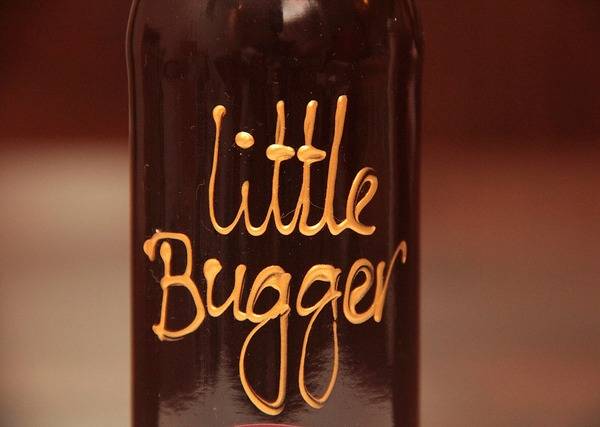
Some people call a person that annoys them a "bugger," but they might not realize the phrase goes back to the ancient French term for a sect of Bulgarians known as the Bogomils, who were accused of sodomy. In other words, when you call someone a bugger, you're saying they're a Bulgarian sodomite. Saying "Bug Off" means to basically go sodomize yourself!
advertisement
#9 Selling Someone Down The River
Another term originating from the time slaves were kept on plantations in the South. When a slave was misbehaving the owners would sell them down the river, which meant they would move them further down the Mississippi. The first known use of the term was in 1837 when a newspaper wrote that a slave owner purchased an unruly slave for $30,000 and lost money because he had to sell him down river. The plantations further South had smaller farms and used cheaper slaves.

advertisement
#10 Cretin
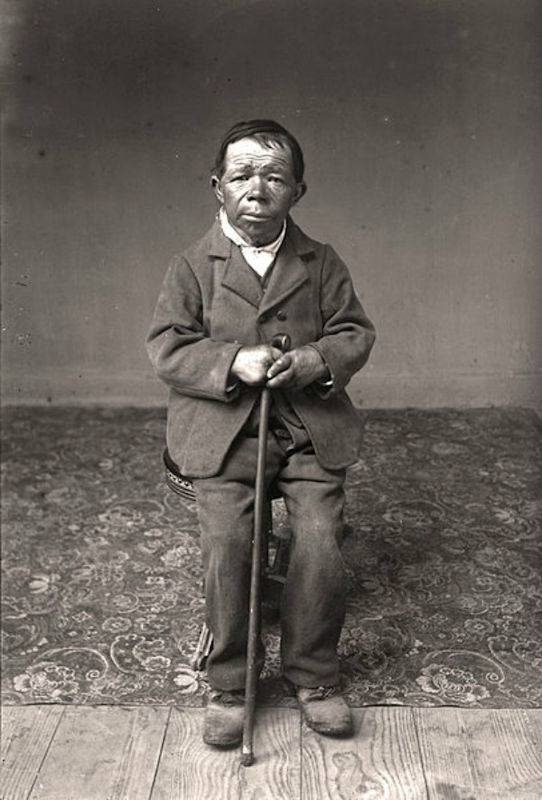
We sometimes call a person a Cretin today but we mean it's a creepy or dorky person, probably a nuisance of some sort. The term is actually adapted from cretinism, a congenital thyroid disease that causes stunted physical and mental growth. It came to be used around 1887 and then used in the manner we use it today around 1955.
advertisement
#11 Lots Of Words
Be careful what you say or call someone. There are tons of slurs and words we use every day that are offensive.