

Aspartame is classified by the World Health Organization as "possibly carcinogenic to humans" due to potential links to liver cancer, leading to increased scrutiny, while experts advise against excessive consumption of artificial sweeteners and non-sugar drinks.
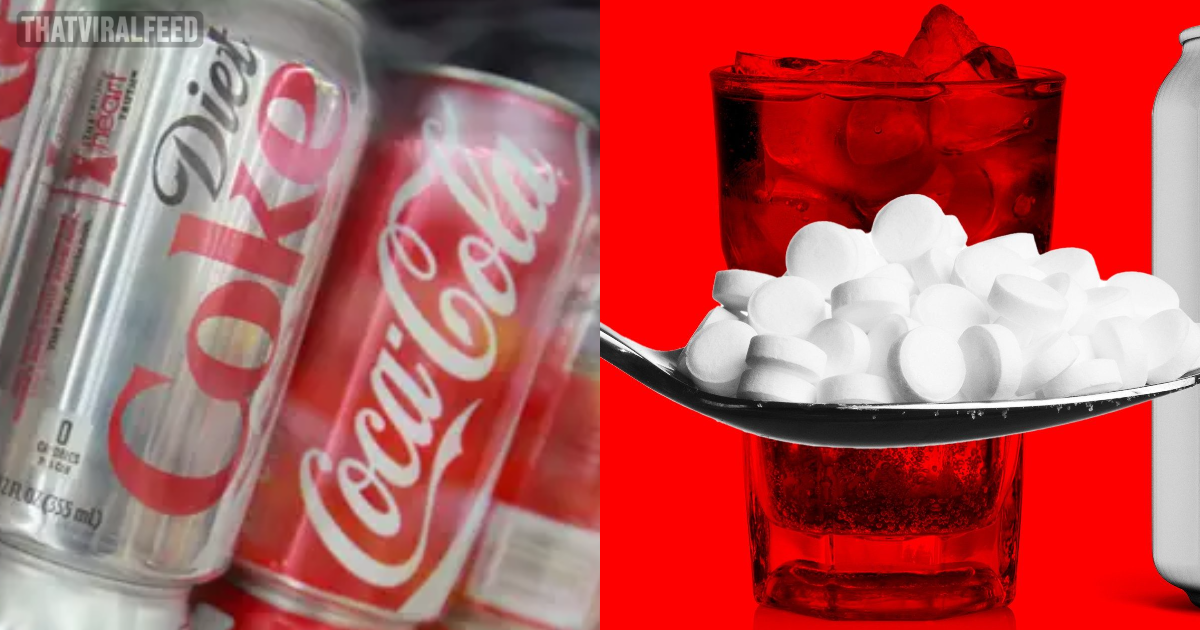
World Health Organisation Confirms Sweetener Used In Diet Coke Is Linked To Cancer
By
Haider Ali in
Health and Fitness
On 24th July 2023
advertisement

Pexel
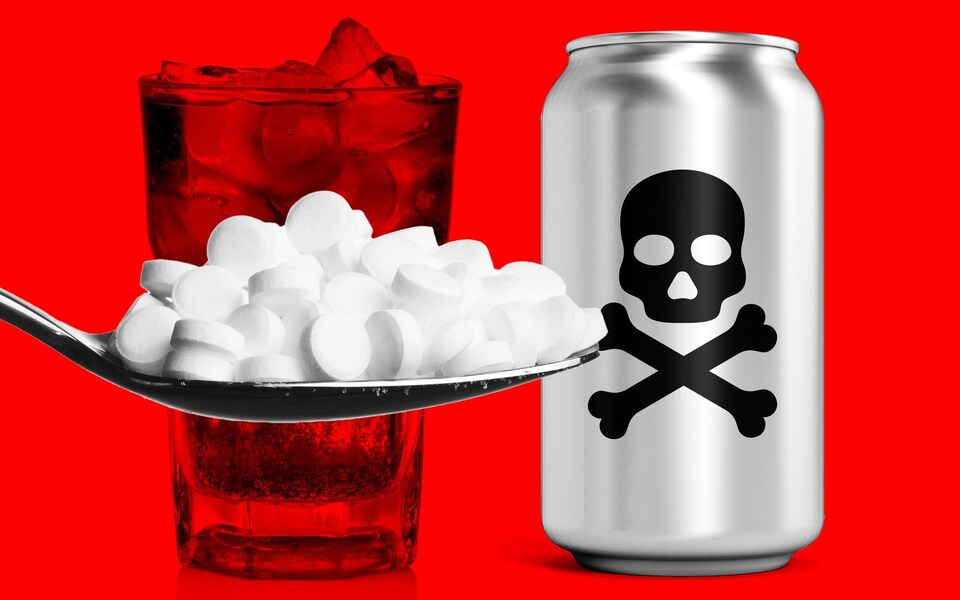
According to the World Health Organization, a sweetener frequently used in "diet" soda products is "possibly carcinogenic to humans."
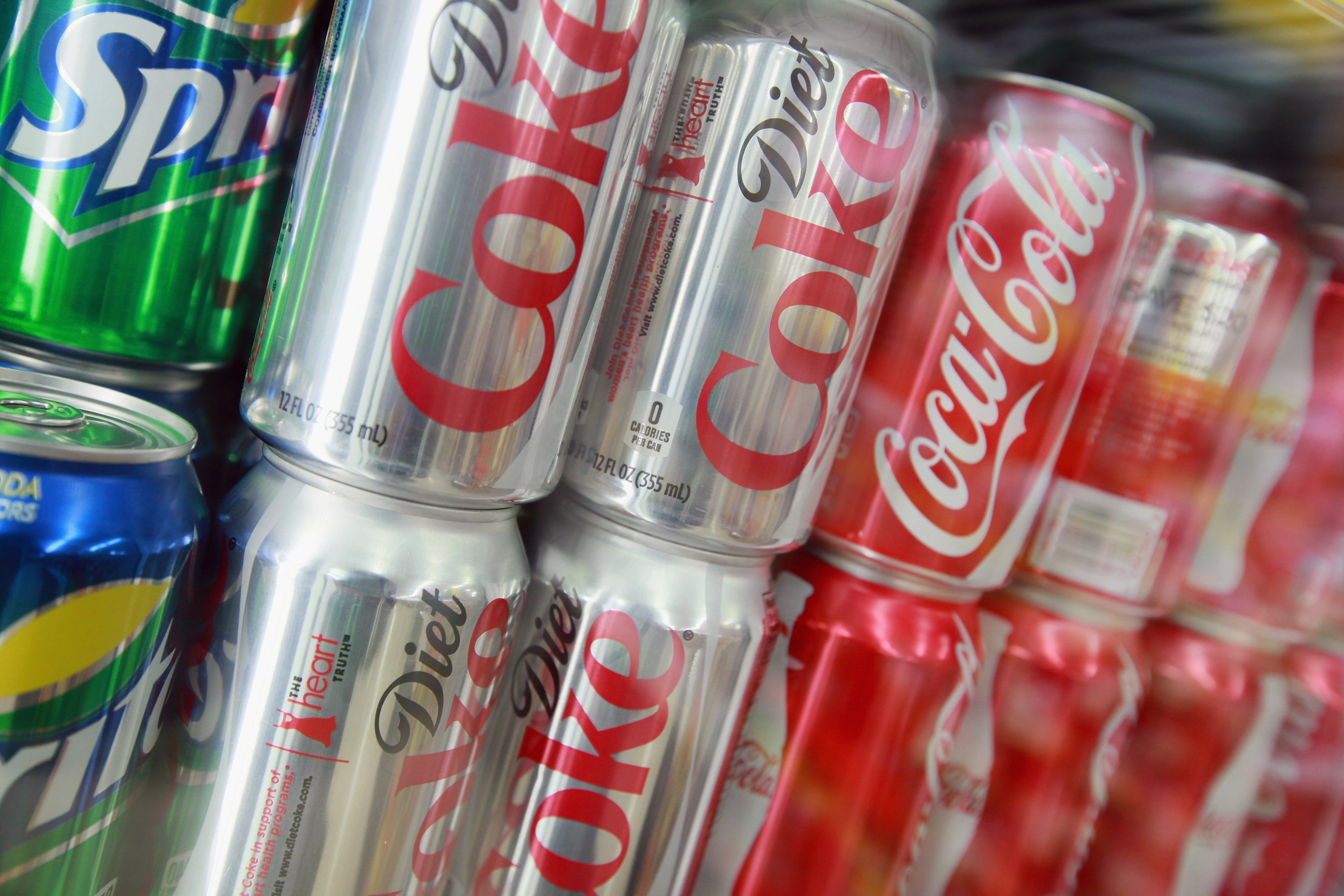
Aspartame, a substance frequently found in yogurt, chewing gum, and 'diet' beverages like Diet Coke, will formally be classified as having the potential to cause cancer.
According to a source who spoke to Reuters, the most recent decision was made by the World Health Organization's (WHO) cancer research division, the International Agency for Research on Cancer (IARC).
The most recent findings from the WHO are based on three distinct pieces of research that indicate a possible link between liver cancer and a carcinogenic sweetener.
advertisement
Pexel
The second study revealed that "some cancers in mice and rats were linked to aspartame," whereas the first study could "not prove that aspartame caused the increased cancer risk."
According to a third study conducted in France in 2022, persons who regularly eat artificial sweeteners, such as aspartame, have a "slightly higher cancer risk."
There is "limited evidence" linking aspartame to liver cancer, but the chemical has the potential to do so, according to Dr. Mary Schubauer-Berigan of the WHO's International Agency for Research on Cancer.
Director of the WHO Department of Nutrition and Food Safety, Dr. Francesco Branca, further stated: "The assessments of aspartame have indicated that, while safety is not a major concern at the doses which are commonly used, potential effects have been described that need to be investigated by more and better studies.”
advertisement
Getty Images
The IARC placed the chemical in Group 2B for cancer risks as a result of the research findings.
The current decision about the artificial sweetener, however, has not been well received by everyone.
advertisement
The International Sweeteners Association's (ISA) secretary general, Frances Hunt-Wood, said: "IARC is not a food safety body and their review of aspartame is not scientifically comprehensive and is based heavily on widely discredited research."
ISA also said that there are, 'serious concerns with the IARC review, which may mislead consumers'.
advertisement
Getty Images
It's believed that classifying aspartame as a potential carcinogen will encourage greater investigation into the sweetener.
Further thought will "help agencies, consumers, and manufacturers draw firmer conclusions," according to a source close to IARC.
advertisement
Additionally, the organization's Joint FAO/WHO Expert Committee on Food Additives (JEFCA) published a second report in which it concluded that the current daily aspartame limits (40 mg per kg of body weight) are safe.
However, Dr. Duane Mellor of Aston University stated as quoted by The Sun: “To be clear this is not a recommendation to consume.”
advertisement
“High intakes of any soft drinks, including 'diet' versions containing sweeteners, is likely to lead to less healthy foods being consumed.”
This information was made public after the WHO produced guidelines telling people not to drink non-sugar sweeteners in order to manage their weight.
advertisement
Although controversies surround this decision, it serves as a catalyst for deeper investigations into the sweetener's safety. The importance of balanced consumption of artificial sweeteners and soft drinks is emphasized to promote overall health and well-being.