When a wrestler is new to the industry, the veteran superstars will call them “green,” short for greenhorn. It’s not exactly an insult or anything, it simply means the wrestler doesn’t have the experience or knowledge needed to succeed in the industry yet, despite whatever great potential others may see in them. While a wrestler’s “look” can be one of the most important thing that lead to their success, oftentimes when a wrestler gets their start, they assume that’s all they’ll need. Of course, this is hardly the case, and there are an endless number of talents required in order to become a true WWE Hall of Famer. While several of the following wrestlers eventually became WWE Hall of Famers, or at least seem well on their way to doing so, there was a time early on in their careers where people may have told them to quit. Keep reading and discover which 15 future wrestling legends were considered terrible at the beginning of their careers.
Wrestling Legends Who Were Terrible When They Debuted
#1 The Ultimate Warrior
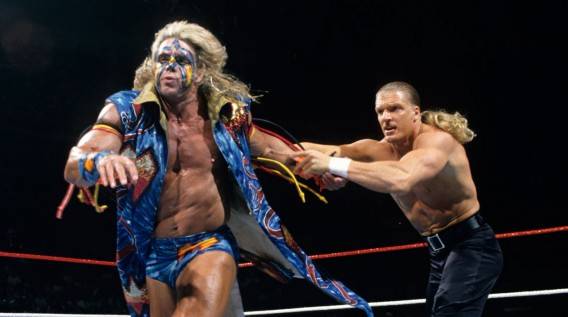
Plenty of future wrestling superstars started their careers with some pretty stupid names, as we just spent half our list covering. However, in the annals of wrestling history, there is no worse first name than that of the man who would legally change his name to Warrior years later, and it wasn't even that far off from what he would later become. Warrior started his career as a member of The Blade Runners with Sting, and neither were considered good in the ring at the time, but both had such great looks everyone knew they could eventually become stars with the right marketing. When The Ultimate Warrior debuted as a singles wrestler for World Class Championship Wrestling, he was called The Dingo Warrior. This was not the right marketing.
#2 Triple H
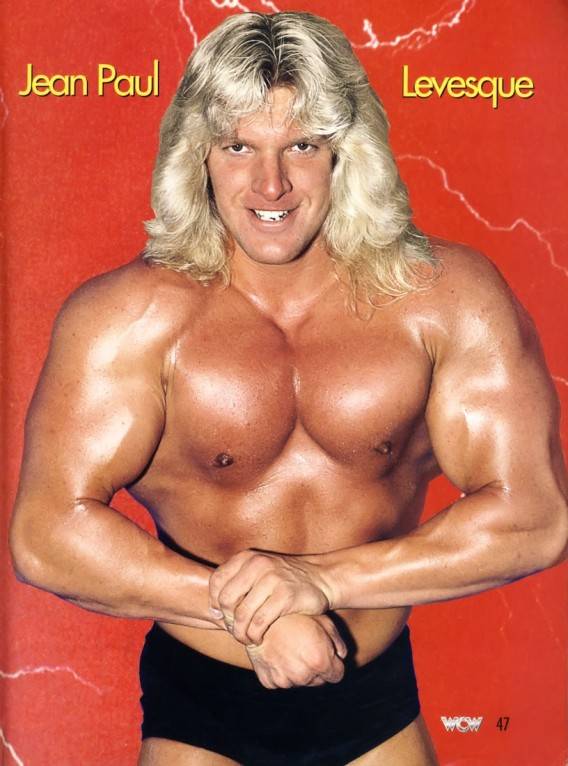
WCW gave Ryzin the new name Jean-Paul Levesque, incredibly close to his real name but with the bizarre request he speak with a French accent while doing so. Because Triple H is not French, and does not speak the language, the gimmick died an immediate death and saw him pushed all the way down the card to the opening match jobber. His career could have ended before it even began when he was squashed by Alex Wright at Starrcade 1994, but Levesque jumped to WWE in 1995 and rechristened himself Hunter Hearst Helmsley. It took more than 20 years for his ego to build to what it is today, but considering most WWE fans shouldn't even need us to explain what we mean by that thanks to his connections in the business, we feel his legacy is pretty set in stone.
#3 The Rock
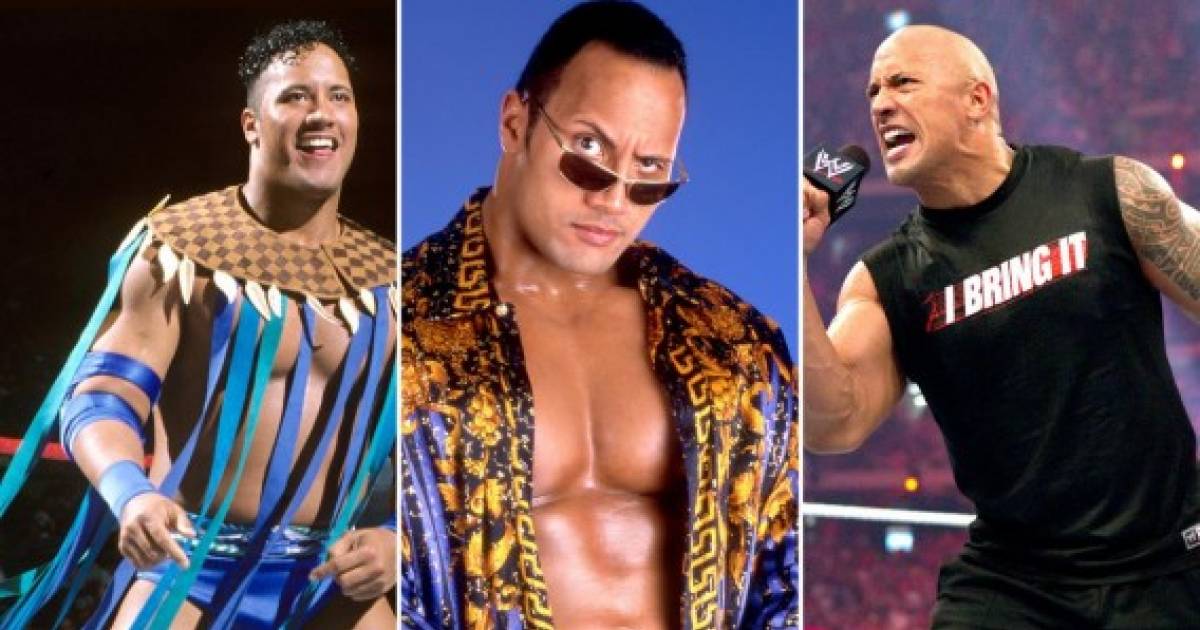
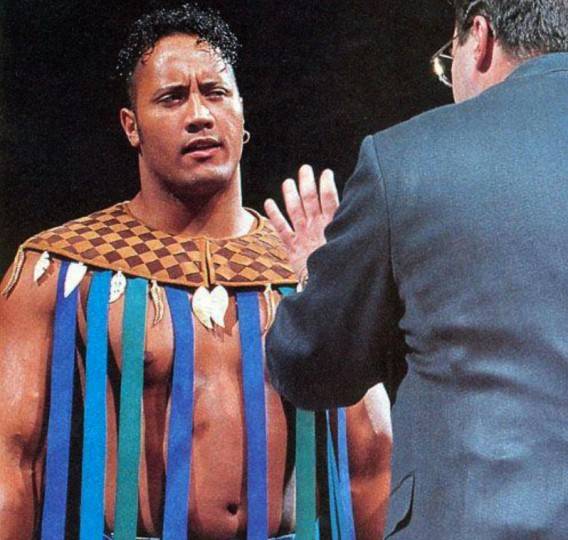
Dwayne "The Rock" Johnson is such a consummate celebrity that it's almost impossible to look back 20 years ago before he was dominating absolutely every form of entertainment and try and remember what people thought of him when he was first starting out. However, we've looked past all of that and done the research, and when you have the specifics, it's probably even more shocking that he succeeded the way he did. The Rock had perhaps the most ideal lineage imaginable for a wrestler, with both his father and grandfather former wrestlers and his grandmother a former promoter, but for some reason, he chose the name "Flex Kavana" when he made his first few appearances on the independent scene. That could almost end the entry right there.
#4 Dustin Rhodes
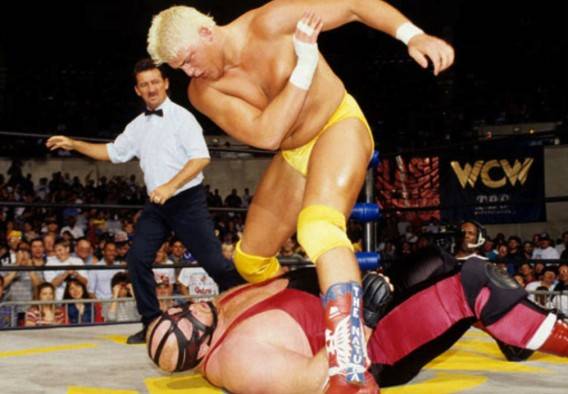
Similar to Jeff Jarrett, the main problem with Dustin Rhodes was the fact people instinctively compared him to his already famous perhaps eternally more legendary father. Dustin is the grandson of a plumber, in that his father was "The American Dream" Dusty Rhodes, one of the unquestionable greatest wrestlers in the history of the sport. Dusty shaped the world of wrestling in ways we don't have the time to discuss in this article, so we'll just focus on the fact he booked NWA and WCW during some of their peak years in the 80s. There's a ridiculous amount of good to choose from when discussing Dusty, but the only bad thing we can point at is the fact he pushed his son the second he got a chance in the early 90s.
#5 Jeff Jarrett
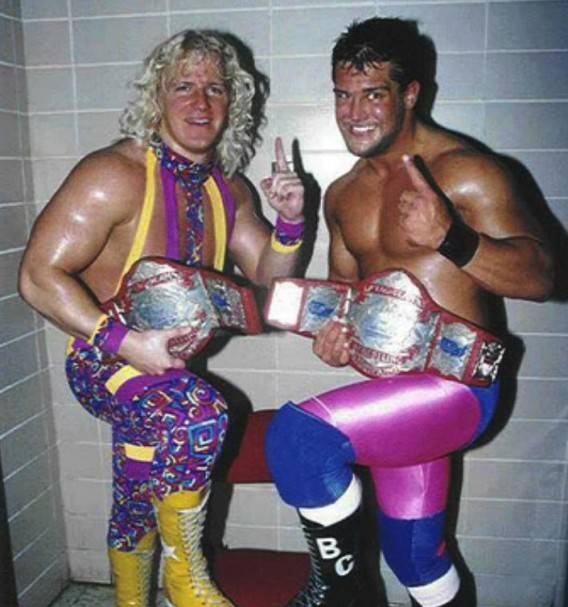
Everyone on this list is a legend or hall of famer in somebody's mind, but Jeff Jarrett is the only one with an ego big enough he demanded the company he founded put him in the Hall of Fame if they wanted him to keep making appearances on television. Jarrett, along with his father, founded Total Nonstop Action in 2002 and was inducted into their Hall of Fame in 2015, despite no longer working for the company on a full-time basis for a few years at that point. In all honestly, Jarrett probably deserved the nod, but he still gets called out for his ego thanks to the fact his entire career is a result of nepotism of the highest order.
Jeff Jarrett's father is Jerry Jarrett, who was one of the most successful wrestling promoters in the world prior to Vince McMahon's takeover in the 80s. Even after Vince started devouring wrestling territories around the country, Jarrett survived in the Southern United States for several decades, primarily by teaming with Jerry Lawler in the Memphis area. Lawler couldn't be the only star on the show, though, so as soon as Jerry's kid was ready to be a wrestler, his dad was grooming him to be the top star of the company. Fans rejected Jarrett for years, but luckily it would turn out Jeff had some actual wrestling skills and understood how to get a crowd to boo him like few others, which gradually made the fans to accept him for reasons other than his family name.
#6 Goldberg
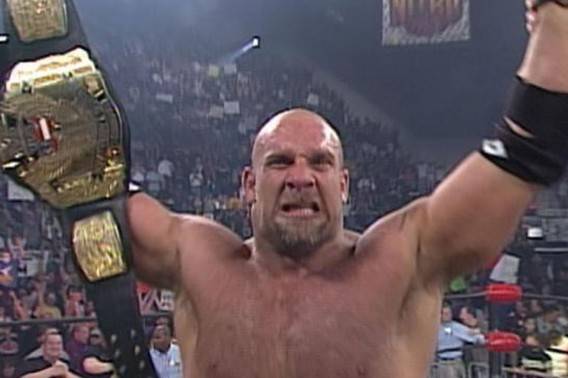
Goldberg is a unique case on our list, in that he barely even lasted long enough in professional wrestling to overcome whatever his first impressions were. Goldberg is also unique in just how dichotomous people's first impressions of him may have been. While some people immediately saw him as a powerhouse who could easily reshape sports entertainment in his image, others saw him as dangerously unprepared for the role he was being thrust into as the next top name in WCW.
Goldberg was never a huge fan of wrestling while growing up, and only joined the sport on the advice of friends Sting and Lex Luger once an injury prevented him from furthering his football career. With only a little over a year of training provided by the WCW Power Plant, Goldberg debuted in late September of 1997 and was WCW World Heavyweight Champion in less than a year. People can argue over whether or not his matches ever got better, but the fact remains we're still talking about him today, and some fans are even begging for him to make a return as he pushes 50 years old, so his legendary status is pretty set in stone. Goldberg was also bar none the biggest homegrown star WCW created in the 1990s, and that supersedes anything people said about his ability to perform a suplex properly during his first few months.
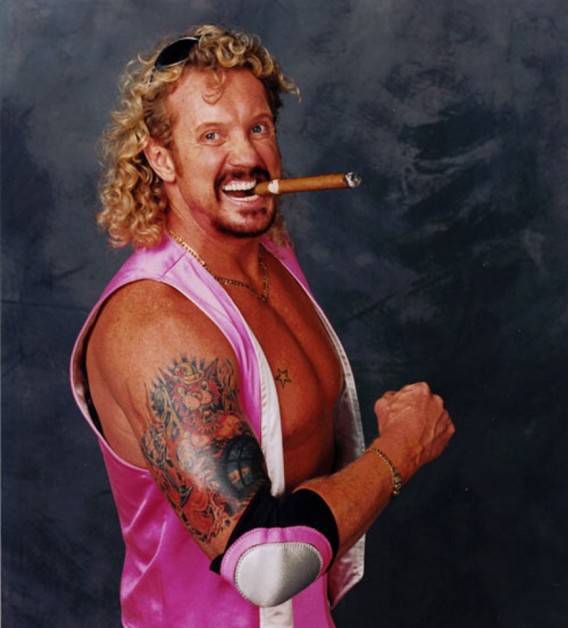
#7 Diamond Dallas Page
Diamond Dallas Page called himself "the world's oldest rookie" while in WCW, but that's really only the beginning of the story to why people thought he wasn't going to make it in the wrestling industry. DDP was tall and had long blonde hair, which made him a natural for the wrestling industry, but for whatever reason he chose to be a manager at the start of his career instead of a wrestler. He wasn't a bad manager, either, as he got the crowd to hate him and boo the people he was managing, which is all he really had to achieve in the role. However, once Page decided to transition to being a full-time wrestler, people were highly skeptical that someone who was at that point in his mid-30s and had never been particularly athletic despite his build was getting ready to jump into the ring.
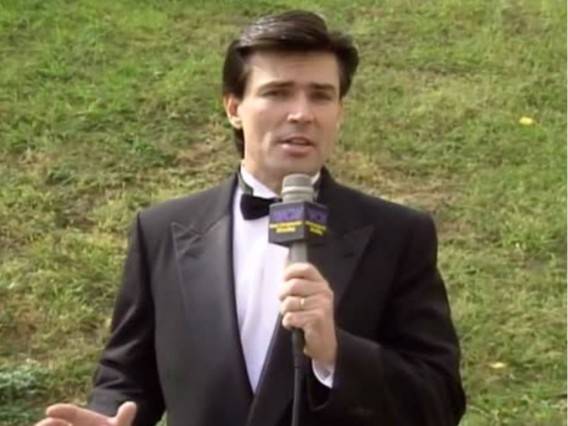
#8 Eric Bischoff
Eric Bischoff is so prone to controversy in the wrestling business he wrote a book about how he loves to generate it, and that book naturally wound up pretty controversial in and of itself. Bischoff is best known as the President of WCW during the heat of the Monday Night Wars, and it was his innovation and television production knowledge that allowed WCW to beat WWE for a year and a half. That in mind, Bischoff would be the first to admit no one expected him to do this, especially given his comparatively low-key start in the wrestling business.
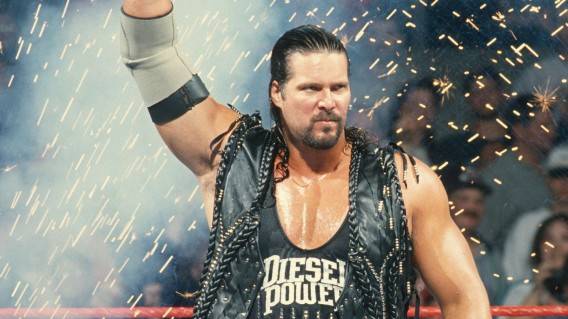
#9 Kevin Nash
Kevin Nash is a big and imposing wrestler, and this alone has often proven more than enough to allow a person success in the sports entertainment industry. Nash was more than merely successful, though, as he was integral to part of the angle that changed wrestling history, and that happened only a few short years after multiple consecutive gimmicks that even Nash acknowledges probably should've killed his career. First, Nash was one half of The Master Blasters with Al Green. The Master Blasters were a typical monster heel tag team, and didn't last terribly long. A short undefeated streak turned into a losing streak, and Nash dropped The Master Blaster gimmick in less than a year. Unfortunately for him, a much worse gimmick came next.
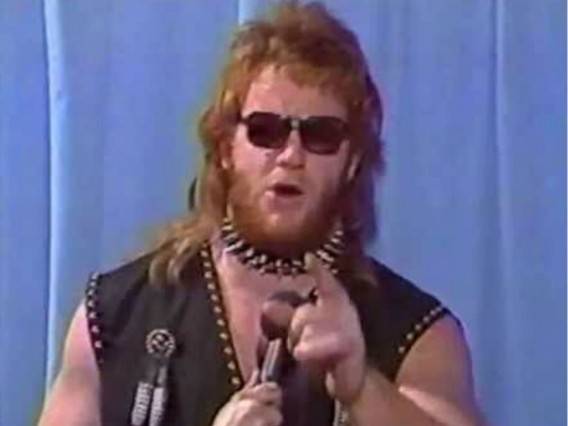
#10 The Undertaker
The Undertaker has yet to be inducted into the WWE Hall of Fame, but the only reason anybody can see for that is the fact he keeps wrestling about one match a year, and only fully retired superstars seem to be eligible. The Undertaker has been wrestling for WWE nearly 26 years now and has been a heavy focus of the company since he walked through its doors during the 1990 Survivor Series, but there are two reasons The Undertaker winds up on our list anyway. First, there were those few years prior to discovering The Undertaker gimmick when it wasn't quite obvious just how great Mark Calaway was. Second, even after becoming The Undertaker, it took him a few years to actually get good in the ring.
The Undertaker debuted in the late 1980s as Texas Red, before finding some success in Memphis as The Master of Pain, and then joining WCW as Mean Mark Callous. Mean Mark actually got some TV time, but was generally seen as a minor character, randomly thrust into The Skyscrapers when Sid Vicious was taken out of the team due to an injury. Mean Mark's partner Dan Spivey left the company shortly before a huge match with The Road Warriors, and Mark was all but forgotten as a result. He floundered in WCW for the rest of the year, and some people might have even assumed that was it for him when he quit the company in 1990. Luckily, WWE came calling only a few months later, and with the right character, Undertaker became a huge star in no time.
#11 The Godfather
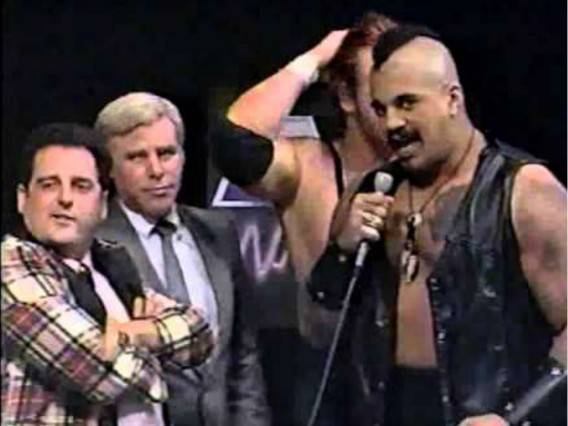
We're making a concession by putting The Godfather on this list, because in all fairness, Charles Wright is a Hall of Famer in name only. He didn't really do anything to earn his spot in history outside of having a really fun gimmick, but he wound up in the Hall anyway, so we're including him as a legend. And even with that in mind, there's no denying just how fun The Godfather gimmick was. He may not have won any World title or main evented any shows, but he did win some minor titles and get fans to sing along with his every word, and that actually means a whole lot in the wacky world of pro wrestling.
#12 Batista
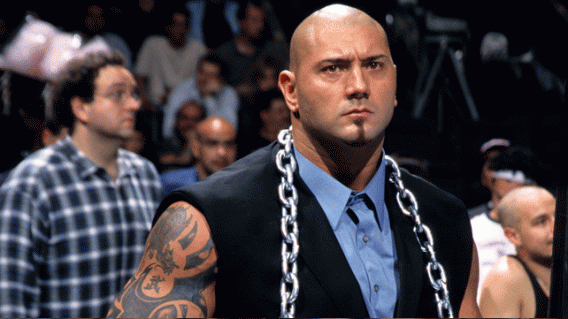
Batista is one of the youngest wrestlers on this list and therefore had the shortest career, but we feel he's already well on his way to legendary status. Batista debuted in WWE as Deacon Batista, the enforcer for Reverend D-Von, but quickly turned on him and aligned with Ric Flair, soon forming Evolution. While Batista certainly had his critics during this time period, generally people liked him, and WWE fans might be surprised to see him on this list. However, what most fans don't know is that WWE was actually Batista's second choice when it came to starting his wrestling career, and it didn't go so well the first place he auditioned.
Batista first attempted to enter the wrestling business by way of WCW and their infamous Power Plant. The WCW Power Plant was highly controversial while it existed due to the fact it produced few actual stars, so listing Batista amongst their alumni would be a huge boon for the now defunct training school. Naturally, because it was WCW, they couldn't even do that. Batista was rejected from the Power Plant almost instantly, and head trainer Sgt. Buddy Lee Parker told him he would never make it in the wrestling business. Batista has had his ups and downs with WWE and is still too young for a Hall of Fame nod, but six WWE World Championships should tell Buddy Lee Parker whether or not Big Dave was able to make it in the industry.
#13 Trish Stratus
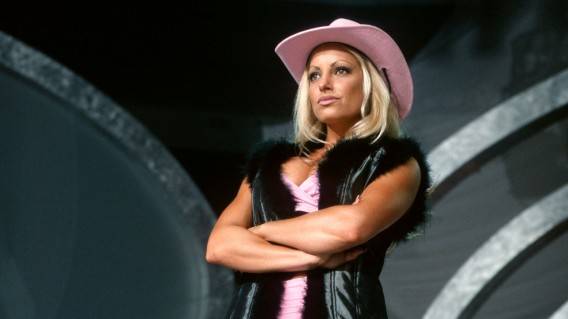
These days, Trish Stratus has a reputation as perhaps the most talented female wrestler in WWE history. She held the original WWE Women's title a record seven times, and it was through her intense matches and powerfully performed storylines that women's wrestling was able to truly flourish in North America. There were female wrestlers throughout the 80s and 90s, but they rarely lasted longer than a few years outside of The Fabulous Moolah. Stratus actually lasted nearly a decade in WWE, although if you were watching wrestling when she made her debut, you never could have expected she would make it so far.
Stratus started in the entertainment business as a fitness model, which was often the case for future female wrestlers at the time. Unlike most others, though, Stratus was a lifelong wrestling fan, which is why she so quickly felt natural in her role as a manager of T&A and then Val Venis. Still, fans were surprised when she suddenly jumped in the ring at Survivor Series 2001 and won the Women's title. She silenced all of her critics by holding the belt more times than anyone else, and defending it in increasingly great matches against women like Victoria, Mickie James, and Lita. She was inducted into the WWE Hall of Fame in 2013.
#14 Gorgeous George
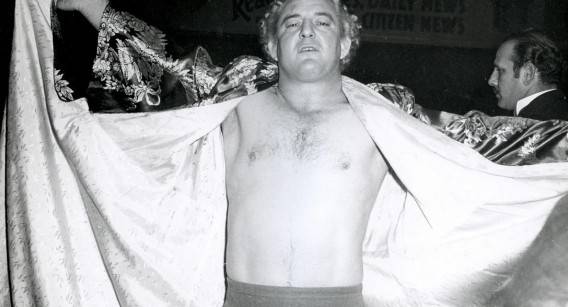
Gorgeous George was the world's first sports entertainer decades before Vince McMahon coined the term to describe WWE. George wrestled throughout the late 1930's to the early 1960's, and though he started out as a minor talent who rarely made anybody look twice, he went on to become the first professional wrestler to be a bona fide star on television. George was smaller than the average wrestler and not as well built, but anybody was able to tell he had the athletic talent necessary to succeed. The problem was that George competed decades before pomp and circumstance became the norm in wrestling, and given his natural physique, he was going to need a character to stand out.
#15 John Bradshaw Layfield
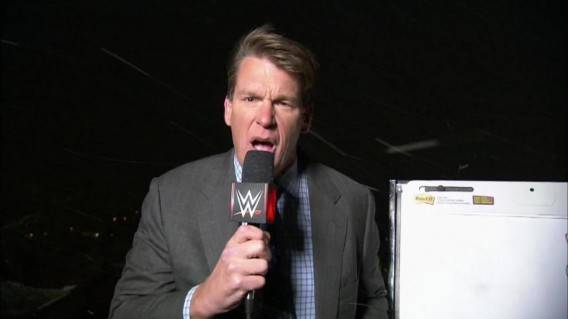
In all fairness to this entry, there are still plenty of people out there who would call John Bradshaw Layfield terrible. He's a racist bully who ruins every show he sits in the commentary booth during by endlessly mocking his co-hosts, blatantly lying about the crowd, and loudly towing the company line to an almost disgusting extent. However, these same qualities are the ones that make us certain he'll end up in the Hall of Fame before long. And as much as we're able to see the flaws of modern day JBL, it really doesn't compare to how horrible he was when he started out.