You Shouldn't Ignore Your Cold Feet And Hands. They Could Be Signs Of Severe Illness.
Introduction
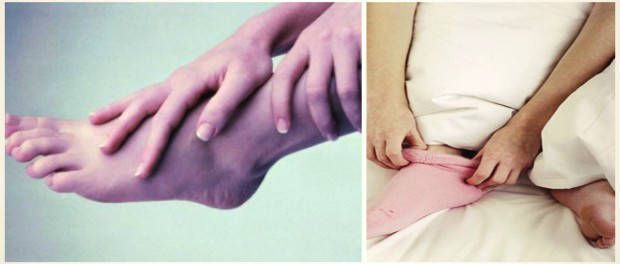
Cold hands and feet can seem like a natural state of the body. However, if an individual is not in a cold environment, his feet, hands, or any other extremity should actually not be cold. Persistently cold hands and feet may be a sign of underlying health matters or potential development of health problems.
Consistently cold feet and hands, mainly if accompanied by color changing, could be a warning sign for other issues. Having cold hands and feet can be related to several health concerns such as nerve issues, problems with blood circulation and damaged tissue in the feet and hands.
However, if this problem with cold feet and hands occurs more often and for a long period of time you should analyze the following issues to see if everything is okay with your health.
#1 Lupus
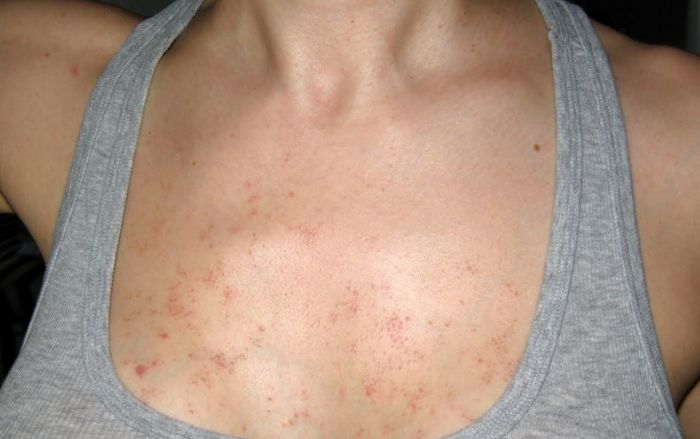
Lupus may be a contributor to cold hands and feet. Blood vessels come under attack with systemic lupus. Small blood vessels in the skin of hands and feet and prevent normal blood movements. Icy hands and feet are the result.
#2 Raynaud”s Disease
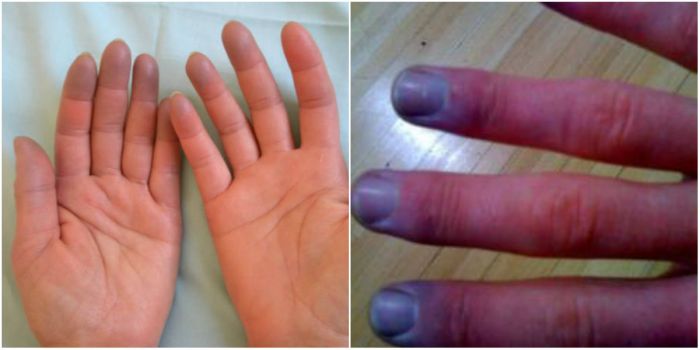
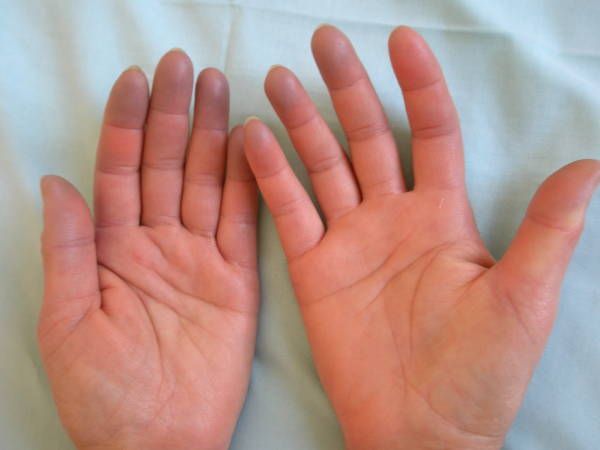
Raynaud"s Disease or blood vessels in the hands and feet overacting to cold temperatures or stressful situations are a major cause of freezing hands and feet. Raynaud"s disease triggers arteries in fingers and toes to enter vasospasm or a condition that narrows your blood vessels and limits blood supplies to the extremities. Over time these arteries thicken which further limits blood flow. One symptom is a pale and or dusky color to your fingers and toes.
#3 Carpal tunnel syndrome
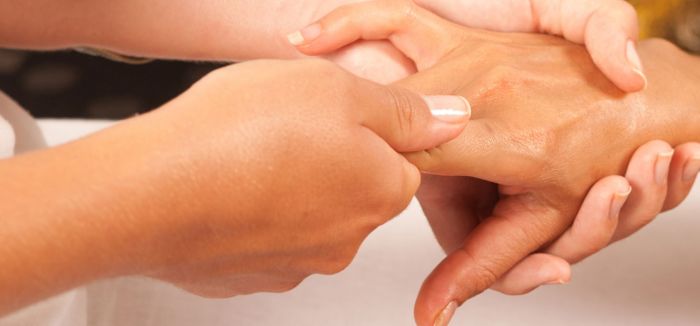
Carpal tunnel syndrome or a condition with pressure being placed on the nerve in the wrist causes pressure, pain, tingling, cold and numbness in the affected hand.
#4 Hypothyroidism
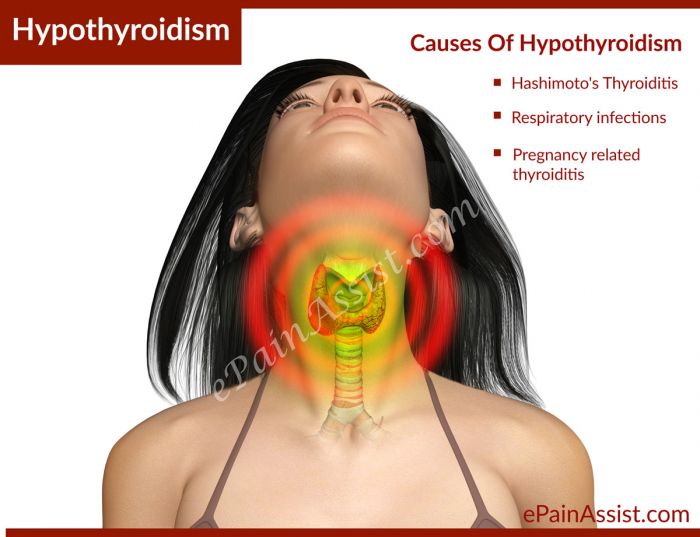
Thyroid disorder usually leads to a slower metabolism, and it is often accompanied by a cold feeling in the arms and legs.
#5 Low Blood Pressure
People whose blood pressure is low often have concentrated blood flow in the torso, leaving their extremities chilly, indoors and out.

#6 Anemia
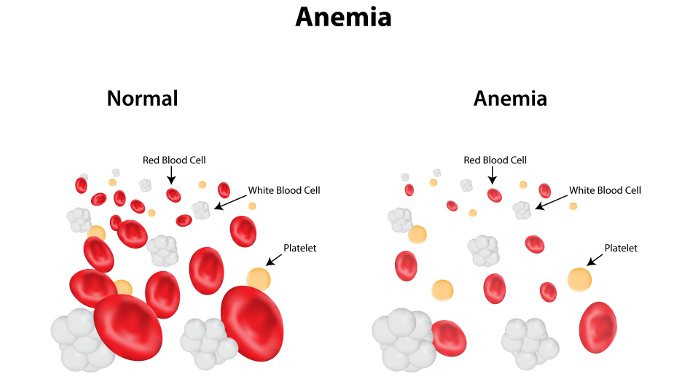
Anemia often causes extreme pale skin fatigue, weakness and cold hands and feet. Iron deficiency anemia often goes undiagnosed. If your hands and feet stay cold despite warming measures, check your iron levels.
#7 Stress
Stress is the universal problem for so many health disorders. Stress stimulates the adrenaline production, which tightens the blood vessels, and that inhibits circulation leaving your hands and feet colder than usual.

#8 Smoking
Smoking cause blood vessels to constrict. If you are chronic smoker you may find your hands and feet are constantly cold.

Treating Cold Hands and Feet
If your cold hands and feet symptoms are related to Raynaud"s disease or are chronic and disturbing there are medication that can help. To dilate blood vessels and encourage circulation you can use calcium channel blockers, alpha blockers, and vasodilators.
Do not take over the counter cold medications, beta blockers, or birth control pills if you have chronic cold hands and feet or discolored pale skin.
Nerve surgery may relieve your Raynaud"s symptoms. Nerves are cut around blood vessels through small incisions in the hands and feet. This type of surgery is called sympathectomy and helps reduce the frequency of cold hands and feet attacks. Do be aware that this surgery is not always successful.
Chemical injections to block sympathetic nerves in your affected limbs can help. You will have to have these injects repeated.
Amputation or removing tissue damaged from a lack of blood flow might be necessary. If the blood supply to your hands and feet is completely blocked, gangrene may develop. This is very rare however.
Stop smoking. Smoking causes your skin temperature to drop and blood vessels to constrict. Exercise regularly to increase your circulation to affected areas. Control your stress levels. Stress can trigger an attack or Raynaud"s. Avoid caffeine. Caffeine contributes to blood vessel narrowing. Take care of your hands and feet. Guard them from injury and avoid walking barefoot. Keep your nails clipped and groomed. Avoid wearing constricting gloves, socks or shoes. Do avoid using tools that vibrate the hands. Do not wear rings, watches and bracelets that are tight.
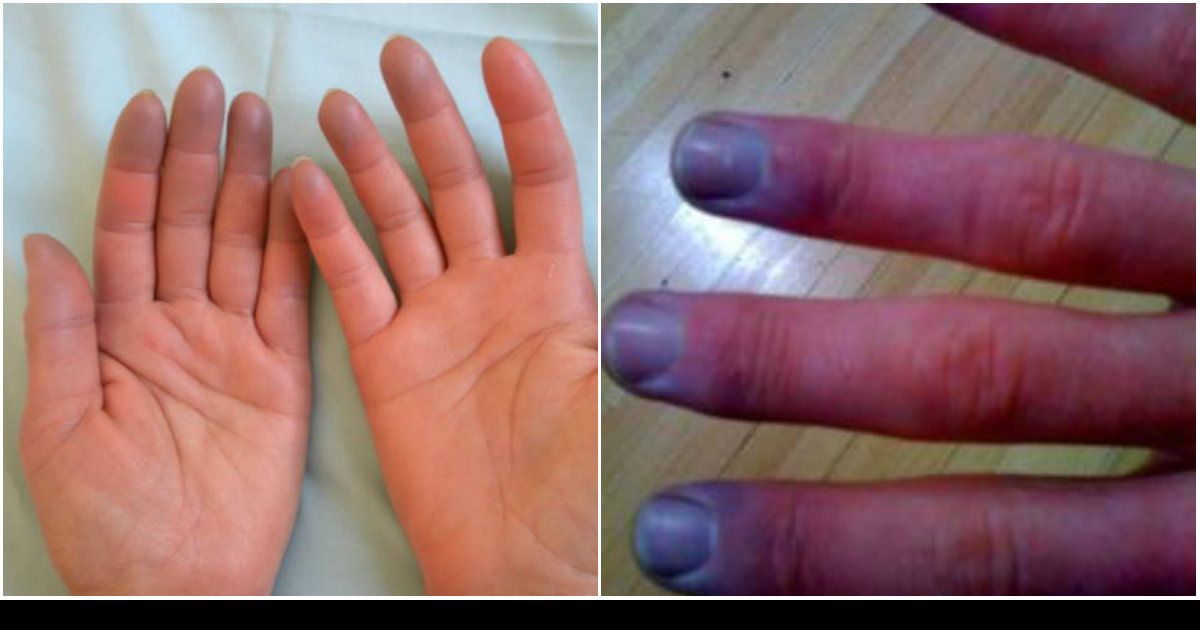
If you experience cold hands and feet, move to a warmer area, place your hands and feet under warm running water, massage hands and feet and wiggle your fingers and toes.
Take fish oil supplements to improve tolerance to cold. Biofeedback or mind body temperature control using guided imagery can help. Therapists can teach you biofeedback techniques.
Dress appropriately when outdoors in the cold. Wear socks and when taking food out of the freezer, use oven mittens or gloves. Set your air condition to a warmer temperature to prevent cold hands and feet. If you live in a cold climate, you might want to consider moving to a warmer location. Be practical if you have chronic cold hands and feet. Be aware of underlying medical conditions, dress warm in cold climates and weather, and use warming techniques.