You may just want a seat, ladies. It's not just in your head, you really are working harder than all the guys you know. You just won't believe how much longer you're working and why.
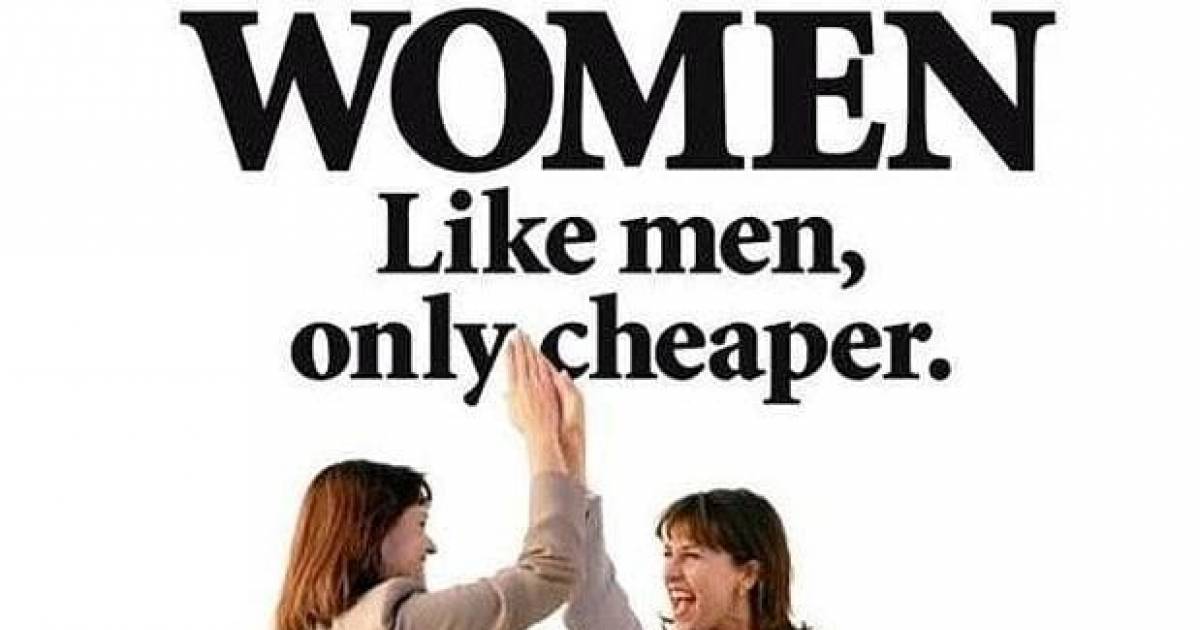
You Won't Believe How Much Harder Women Are Working Than Men!
By
Teresa Thomerson in
Facts
On 27th October 2016
advertisement
#1 A woman's work is never done.
It's an old saying, that a woman's work is never done and we all know that women spend more time on unpaid work; such as caring for the household and the people in it, but it's bleeding over into the workforce, too.
#2 It's adding up.
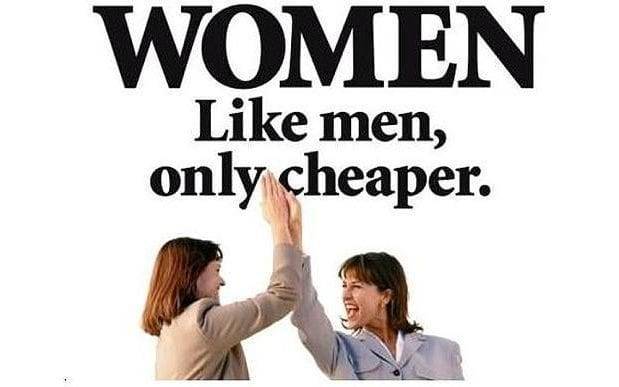
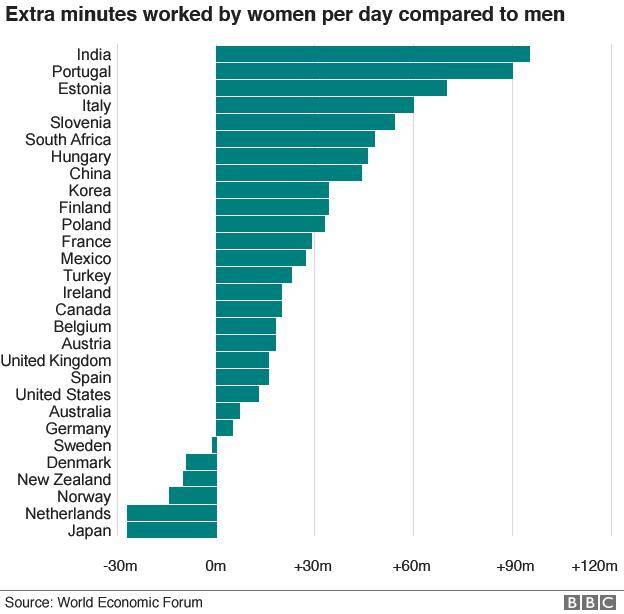
According to the World Economic Forum women around the world are work for 50 minutes longer than their male counterparts each day. That's an extra month at work every year. To be exact, that's 39 more days every year and it's for less money, between 70 to 90 cents for every dollar a man makes. Things have gotten to the point where true gender equality is unlikely to happen for another 170 years.
advertisement
#3 So which countries are doing the best by women?
It's no surprise that the Scandinavian countries are at the head of women's rights. The Vikings have always held more respect for their battle-axe wielding wives and daughters, even being one of the first civilizations to grant property, divorces and to punish rapists. Suffice to say, Iceland, Finland, Norway and Sweden, in that order, take the top four countries in the world for being the closest to gender equality. Following the Nordic countries, it was Africa's Rwanda beats Ireland to claim fifth place.
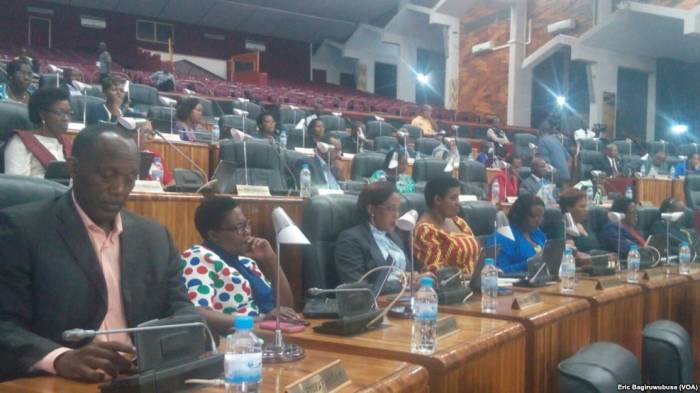
Rwanda boasts of more women than men in its labor force and the world's highest share of female members of parliament, an amazing 64 percent. Rwandan women earned 88 cents for every dollar men were paid for similar work, WEF said, making it the country with the highest-degree wage equality.
#4 What about America?
The U.S. slunk to 45th position out of a total of 144 countries while the U.K. settled into 20th place. That means that America has slipped down a total of 17 other counties since the last survey of human rights by the WEF. At least women have the right to vote in America, for now. Woman and man in office 170 years until economic gender equality: WEF
5 Hours Ago | 01:33
Women around the world work an average of 39 days per year more than men do, which breaks down to a full 50 minutes more per day, according to the World Economic Forum's Global Gender Gap Report 2016.
Women also currently have access to only 59 percent of the economic advantages enjoyed by men, the new research said. This figure is at its lowest level since 2008 and current trends suggest it will take another 170 years before there is global equality of the sexes, the report's authors have found.
The sobering message from the study highlights what it describes as "a dramatic slowdown in progress" with the estimate for when the economic gap between men and women could close slipping to 2186 this year, a severe setback from the 2015 forecast of parity being achieved by 2133.
The report's authors point to "chronic imbalances" in labor force participation and salaries as key drivers of the disappointing results, with the number of women holding senior positions as another area of continued poor performance.
Martin Barraud | OJO Collection | Getty Images
Concerns the situation could be exacerbated in the future stem from the fact a large proportion of occupations with a preponderance of female workers are set to be among those most likely to be disrupted by technological innovation, potentially leading to a fall in the number of jobs needed to service these particular sectors.
On a country-by-country basis, the usual Scandinavian suspects outperformed with Iceland, Finland, Norway and Sweden picking up in that order - the top four places. Following the Nordic countries, it was Africa's Rwanda which beat Ireland to claim fifth place. The U.S. slunk to 45th position out of a total of 144 countries while the U.K. settled into 20th place.
Saadia Zahidi, Head of Gender Initiatives at the World Economic Forum (WEF) has this to say on the matter, "A world where women have 68 percent of the same opportunities as men when it comes to health and education, the workplace or in politics equates to a chronic misuse of talent at a time when the global economy needs sustainable, inclusive growth."
"Addressing bottlenecks preventing progress in education translating into better career opportunities and more political power should be a priority for leaders looking to reverse this trend," she continued.
advertisement
#5 The grim reality.
It's disheartening to know that even our children and grandchildren are unlikely to see true gender equality in our world, but we have to keep trying and pushing so that we can all work together.