You Won't Believe How People Used To Treat Serious Medical Conditions
#1
As it turns out, 2016 might not be the future we were promised when we were younger. There are no flying cars, and it seems like we're doomed to suffer through the impact of climate change. That being said, at least we live in a world filled with the wonders of modern medicine. For a comparison of just how good you have it, let's take a look back at some of the horrifying medical procedures of the past.
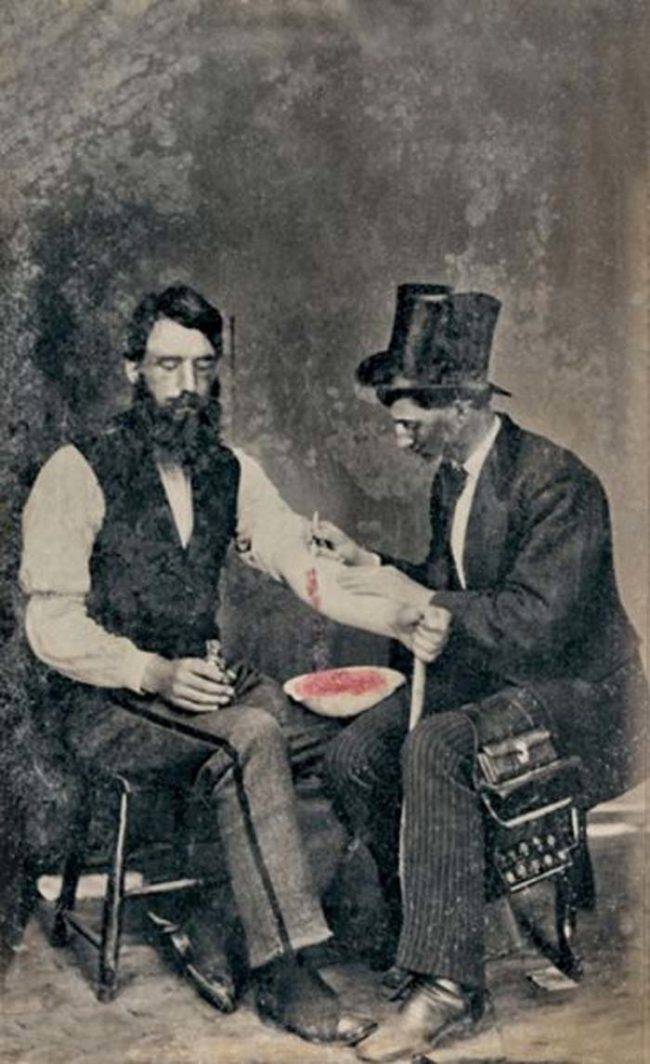
Back in the days when most doctors believed that sickness was caused by your bodily fluids being out of whack, bloodletting was the go-to treatment. It became the standard treatment for a variety of illnesses including plague, smallpox, and epilepsy. Of course, this treatment didn't last very long in the 20th century, as doctors began to realize that blood loss only made patients sicker and actually killed them.
#2
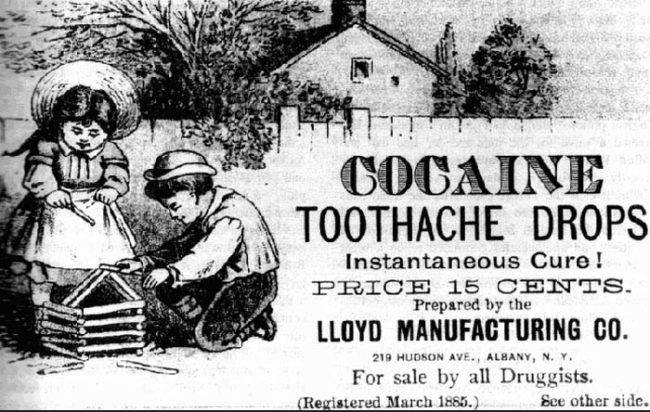
Cocaine began as a prescription painkiller and general cure-all for what ails you. Freud allegedly prescribed cocaine to his patients quite liberally. However, doctors soon realized just how addictive the substance really was and banned it.
#3
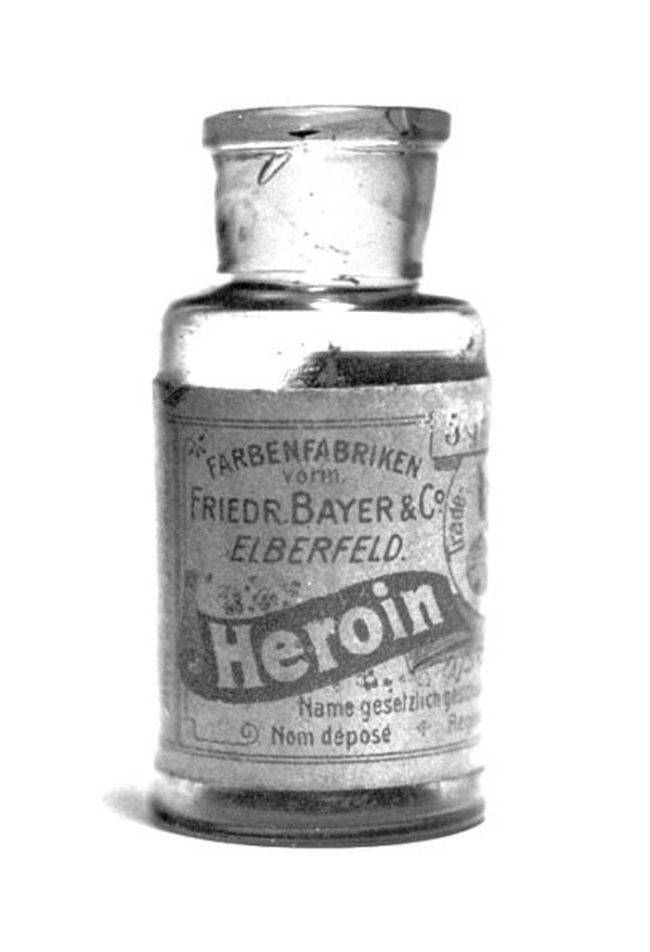
Heroin started off as a cough suppressant marketed by the Bayer Corporation. Soon it was used to treat all kinds of respiratory issues. Not long after, though, it was discovered by morphine users. It was quickly banned at that point.
#4
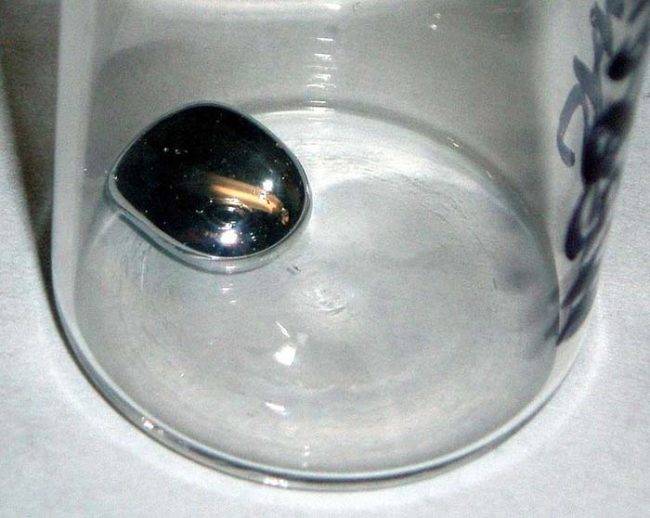
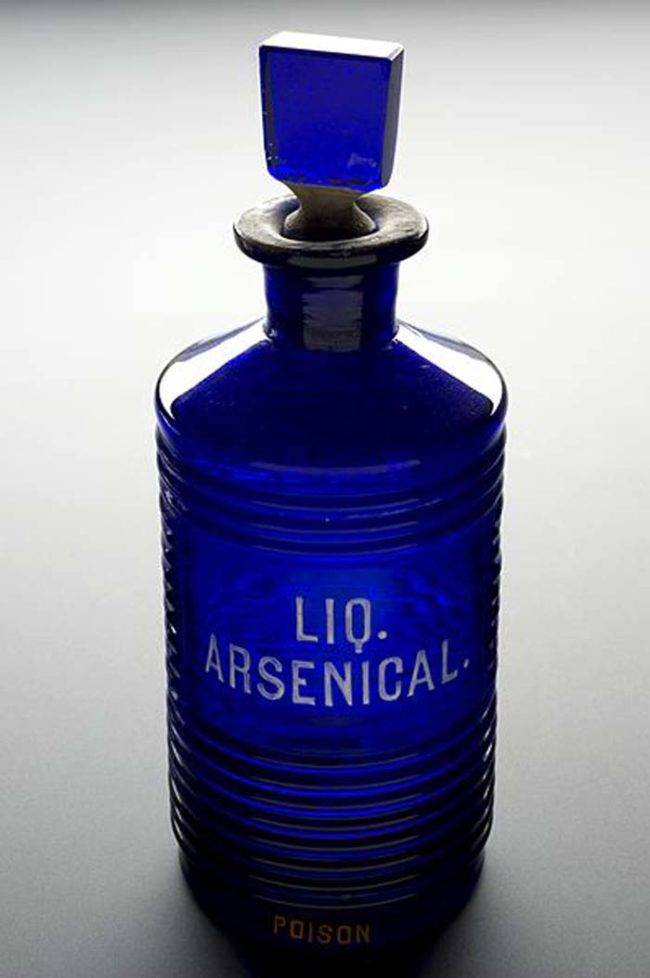
Let's be clear: arsenic is poison. That didn't stop quite a few ancient societies from using it as both a form of medicine to treat cancers and other serious illnesses and also, as an ingredient in makeup.
#5
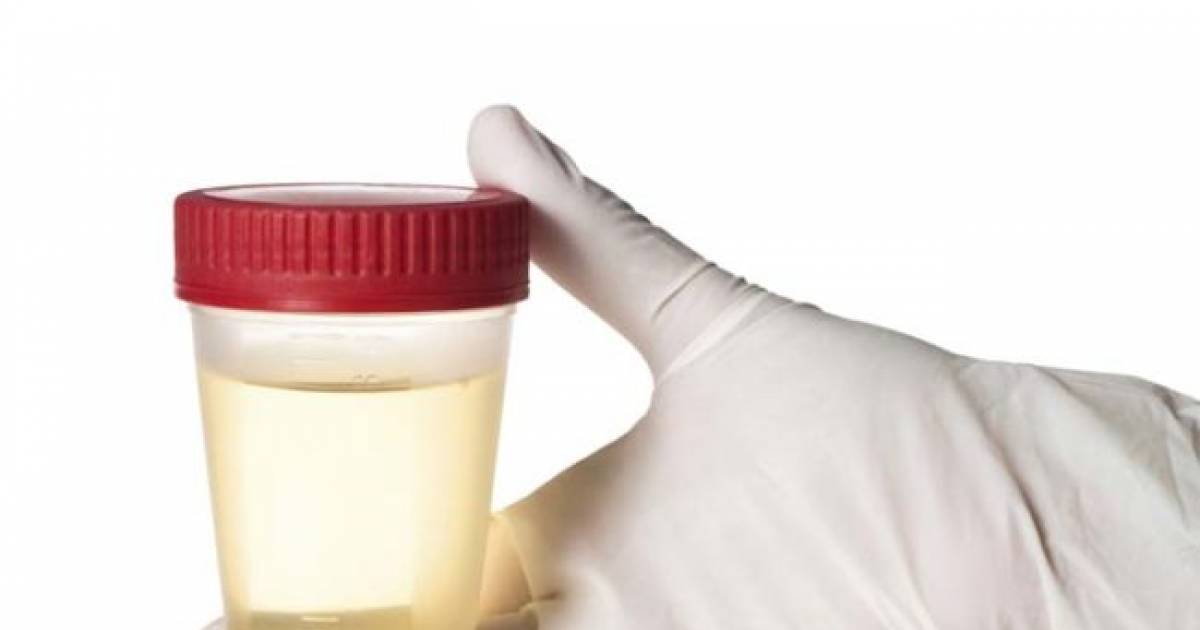
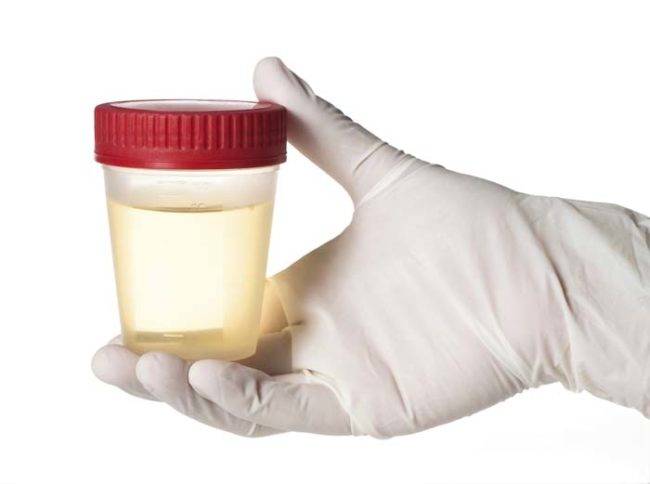
Urine therapy was just about as gross as you'd think it would be. Practitioners of urotherapy believed that drinking urine and massaging it into the skin would make people healthier. If you haven't figured it out by now, this doesn't exactly work.
#6
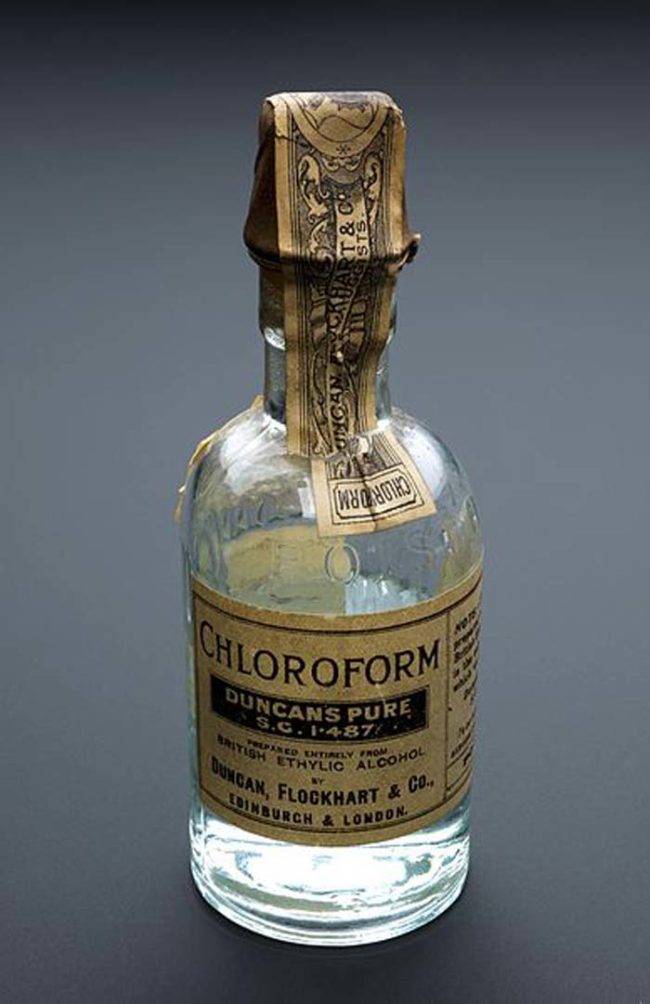
Chloroform was the original anesthetic, first developed back in 1831. Before the invention of chloroform, surgery was literally the worst thing ever. Patients were administered the drug through a chloroform soak rag and would simply pass out for the surgery. However, its use came with a high rate of complication and death. It was phased out in the 1950s in favor of using safer alternatives.
#7
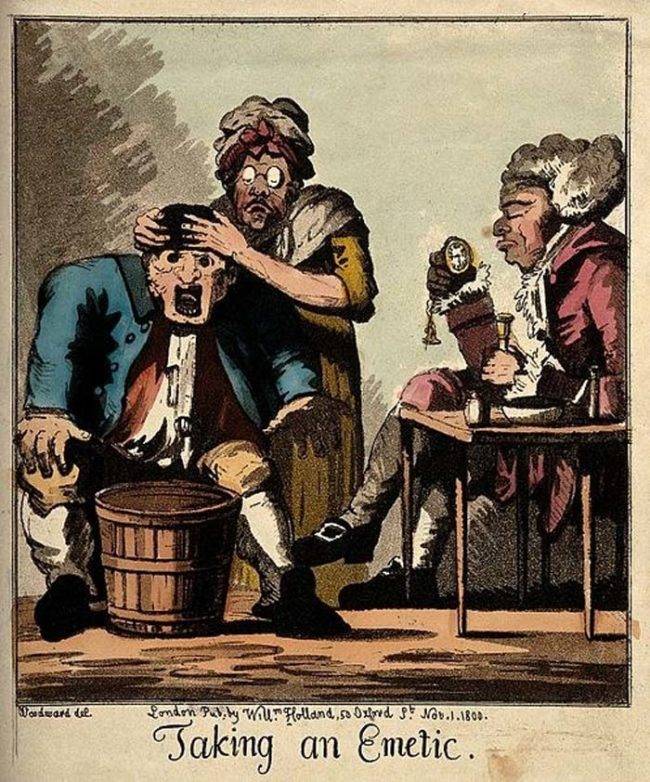
You may have never heard of an emetic, but it was cruel. An emetic was essentially something fairly toxic and horrible that would induce vomiting. The reasoning for their use was that vomiting was thought to rid the body of harmful substances that caused illness. Luckily, emetics didn't make it to the 20th century as they often just killed people instead of making them better.
#8
Using leeches was an option method for phlebotomy that turned into the favored strategy in nineteenth century Europe. While it's significantly less agonizing than being cut with a blade, siphoning (as it was called) was entirely inadequate as pharmaceutical. Who doesn't love a good leech-sucking session?

#9
A hemiglossectomy was a methodology performed in Medieval Europe that included cutting off part of a man's tongue. They thought doing this would cure faltering and other discourse obstacles. By the seventeenth century, this practice had everything except ceased to exist.

#10
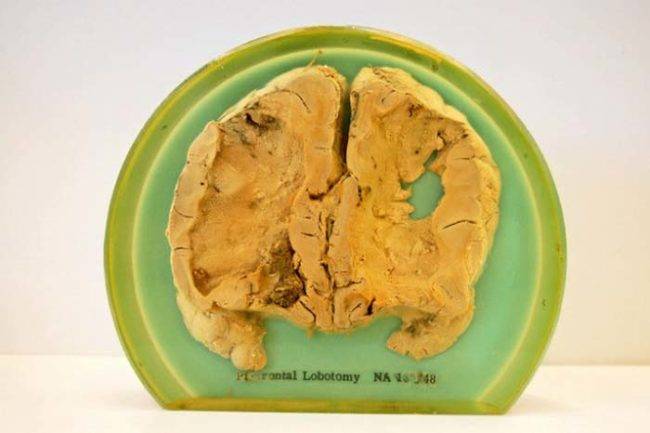
The frontal lobotomy turned into a famous technique rehearsed in psychiatric offices everywhere throughout the world in the 1940s. The strategy should "cure" emotional instability. In any case, this type of purposeful mind harm regularly left its casualties in a vegetative state without their previous selves. Tolerantly, it began becoming dull when 1950 moved around.
#11
Using mercury as medicine is a practice that dates back to ancient Greece. It was applied as a lotion to the skin to treat certain ailments and in severe cases, it was even swallowed. Surprisingly, most pharmacies in the U.S. sold unregulated mercury as medicine well into the 1920s. It took until the 1950s with the discovery of mercury poisoning for this practice to stop.
We may have our issues today, however in any event we don't cleave individuals' brains up for "treatment" any longer. Baby steps people.